Fort Sokolnickiego: An Outlying Fortification of the Warsaw Citadel
Site at a Glance
- Popularity
- Very Low
- Country
- Poland
- Primary era
- Modern
- Eras represented
- Modern
- Civilizations
- Russian
- Site type
- Military
- Remains
- Fort
On this page7 sections
History
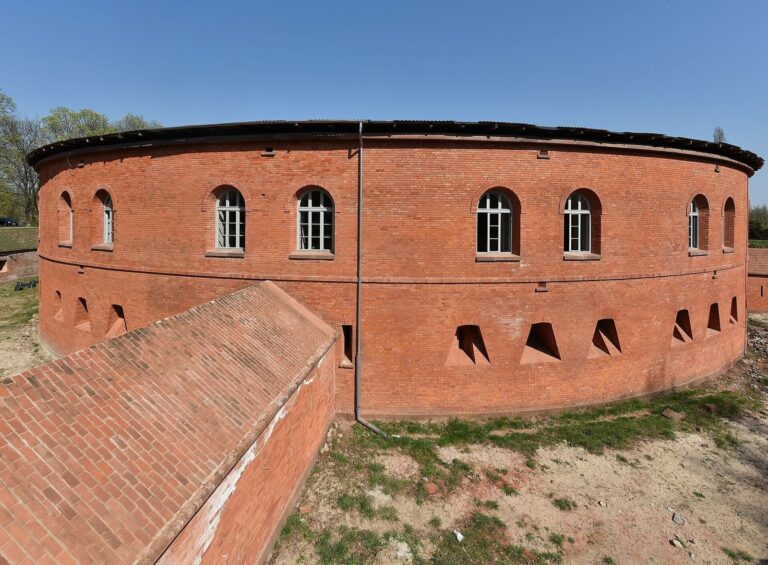
Fort Sokolnickiego is a nineteenth-century fort in Warsaw, Poland, built from 1849 to 1851 as one of six outlying defenses for the left-bank side of the Warsaw Citadel. The Citadel, constructed mainly during the 1830s and 1840s, served chiefly as a prison and police facility. Its position and design limited its ability to defend the city, prompting the construction of additional works beyond its perimeter.
Construction and expansion
The fort was originally named Fort Sergei and was enlarged between 1864 and 1874. In 1921, it was renamed Fort Sokolnickiego.
Interwar and wartime use
During the interwar period, part of the fort’s grounds and some of its features were incorporated into Żeromski Park. In April 1944, under an agreement with German authorities, the transfer of about one fifth of the Central Archives of Historical Records’ collections to the fort began. In November, Polish archivists loaded five wagons with documents and moved them from Warsaw to Częstochowa in an action known as the Pruszków operation.
During the Warsaw Uprising, the 1944 Polish resistance uprising against German occupation, the fort and surrounding park provided refuge to residents of barracks for homeless people near Gdańsk Railway Station. The barracks had burned in early August.
Protection and present use
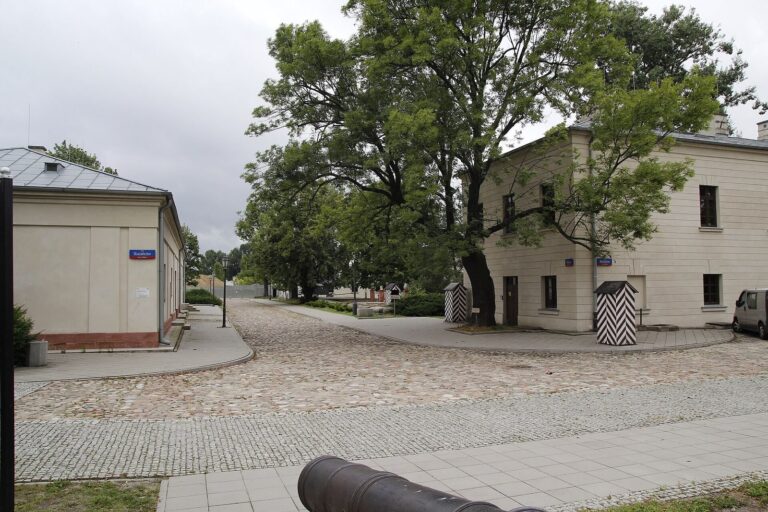
In 1965, the fort and the Warsaw Citadel complex were entered in Poland’s register of monuments. In 2023, the Żoliborz District Office bought the fort from the Polish Army. It is used by the Żoliborz House of Culture.
Remains
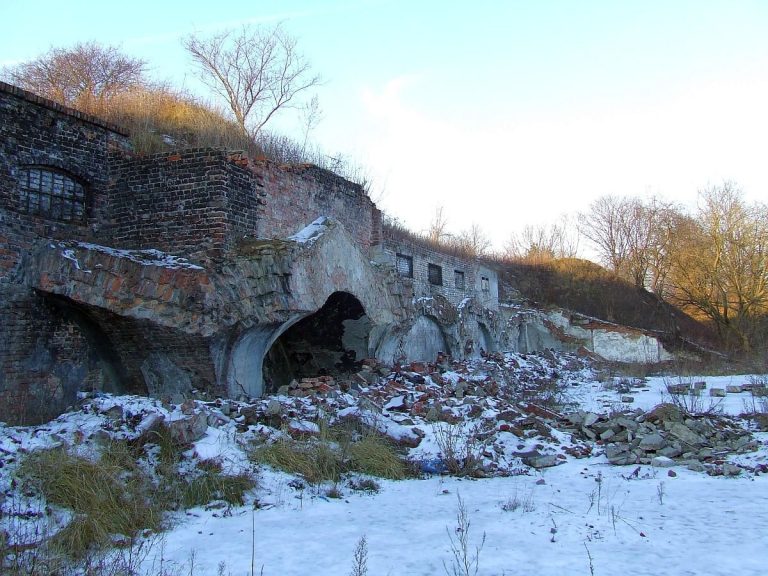
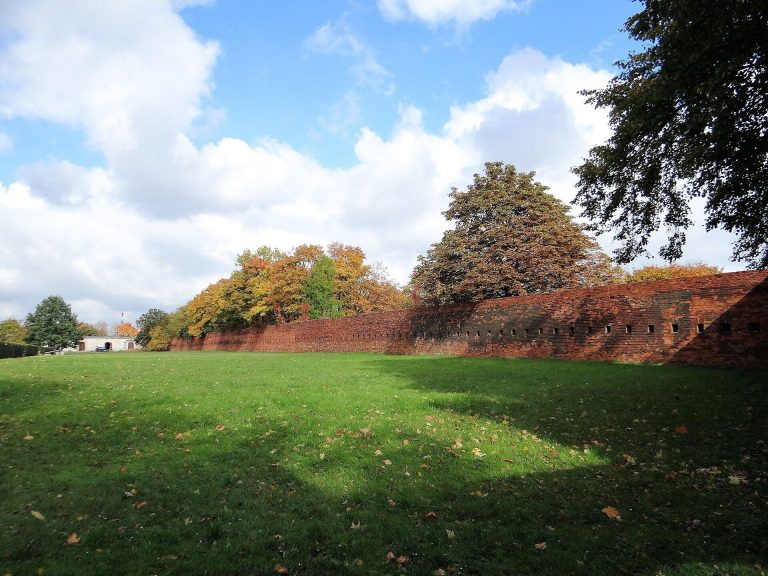
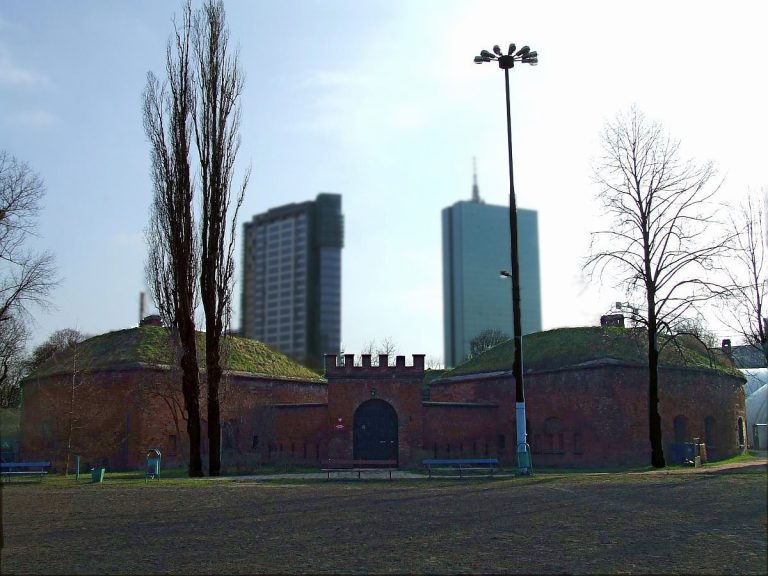
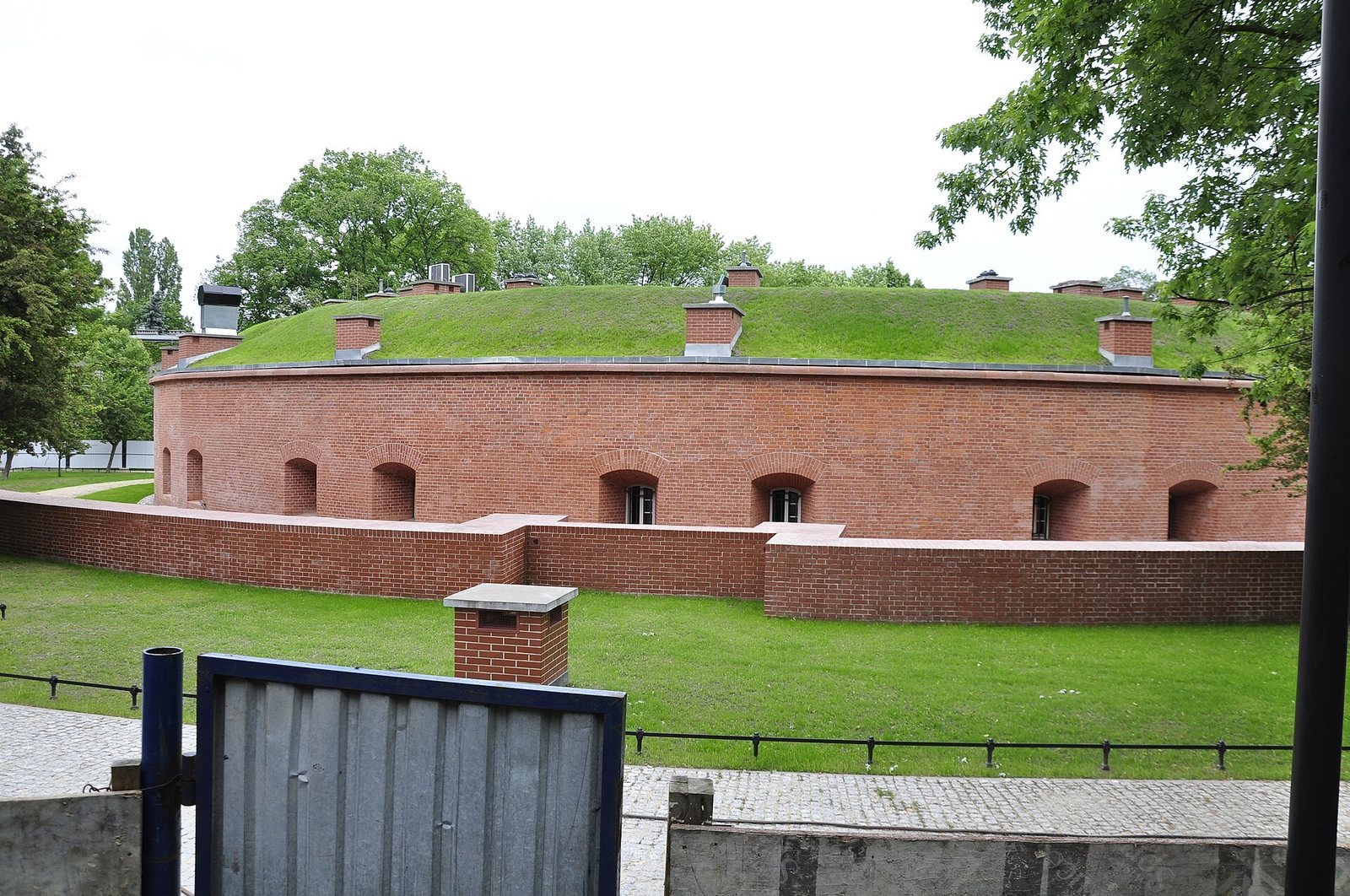
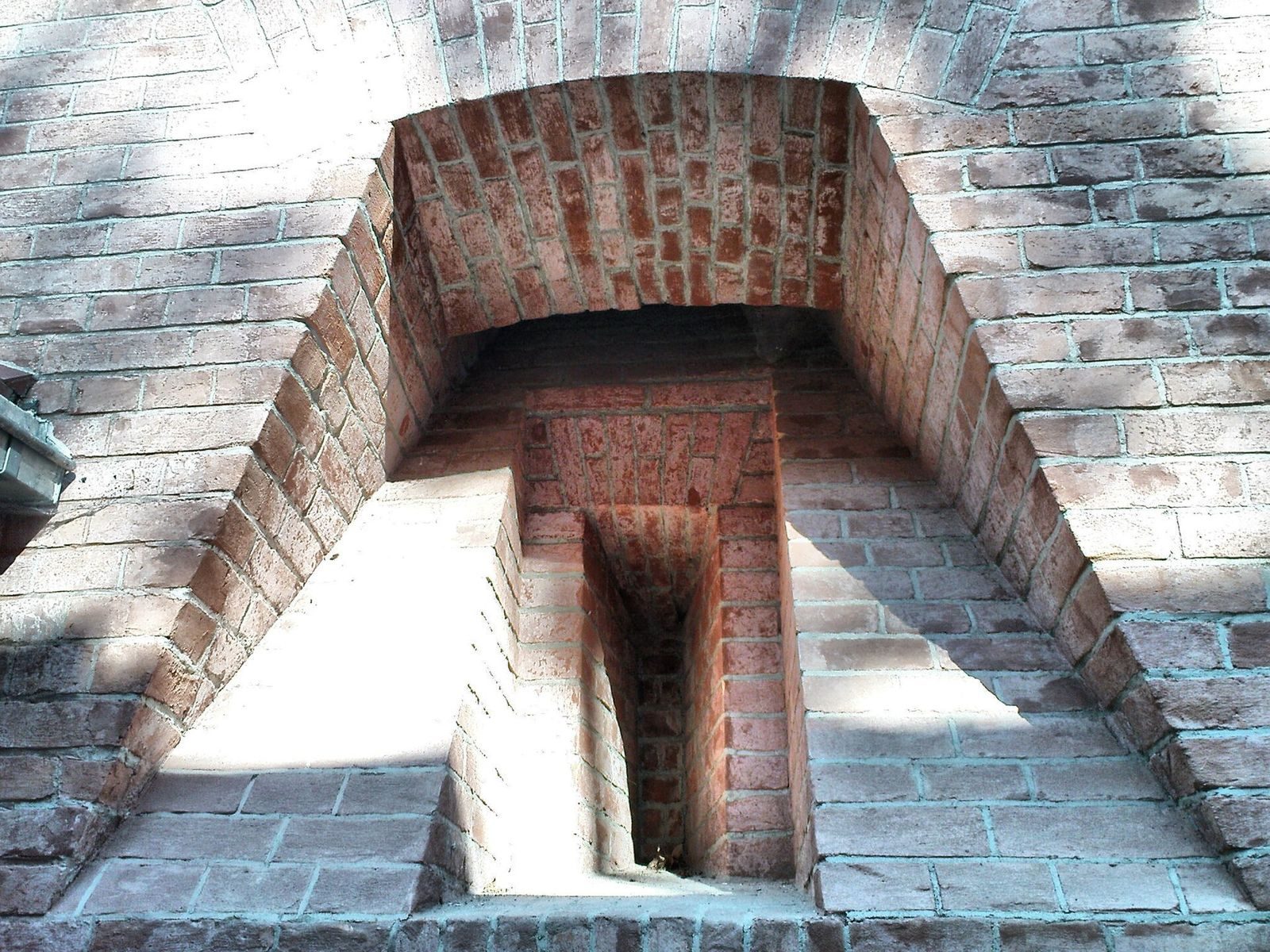
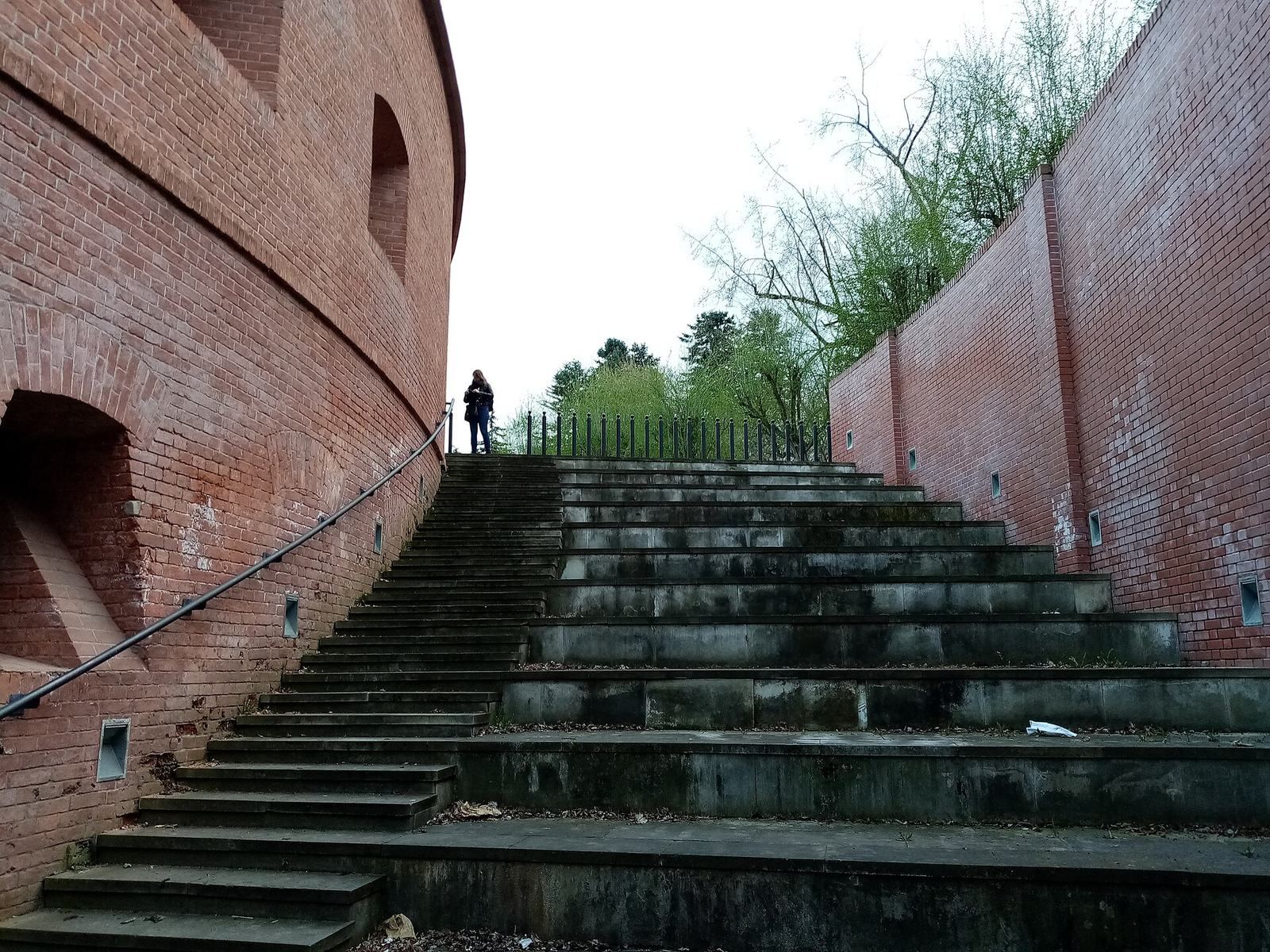
The fort’s remains lie in Stefan Żeromski Park in Warsaw’s Żoliborz district. Its defenses combined brick construction with earthworks, and surviving parts of the fort are set within the park.
Original fort and earthwork defenses
The original fort was built with a large brick artillery tower and a dry moat. A later earthwork defense had a lunette plan, a detached work with two forward faces and an open rear side. It projected 500 metres beyond the outline of the Warsaw Citadel. Surviving portions of the earthwork are incorporated into the park.
Wartime memorial
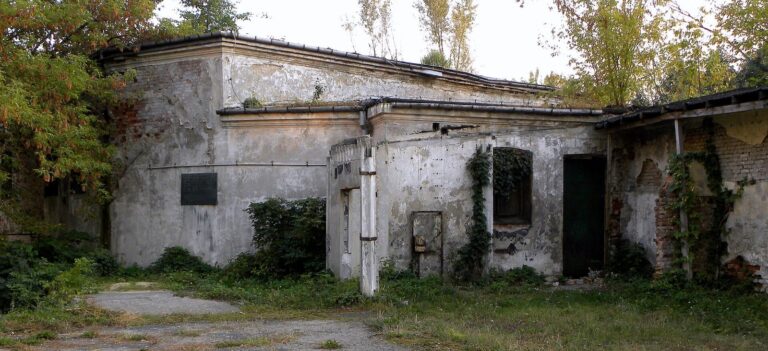
During the Warsaw Uprising, the fort housed an insurgent hospital. A plaque at the fort commemorates this use.