Shuvalov Palace: An Aristocratic Residence and Museum in Saint Petersburg
Site at a Glance
- Popularity
- High
- Country
- Russia
- Primary era
- Modern
- Eras represented
- Early Modern, Modern
- Civilizations
- Russian
- Site type
- Domestic
- Remains
- Elite Residence
On this page10 sections
History
From Vorontsov to Naryshkin
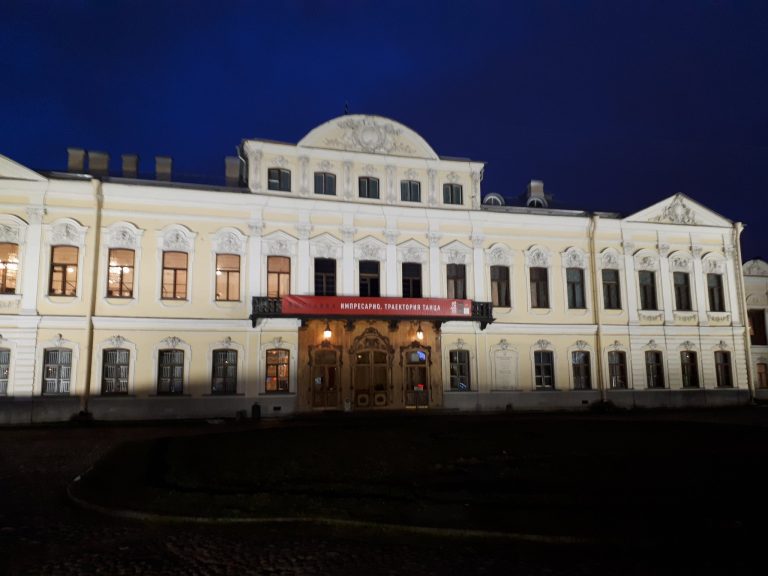
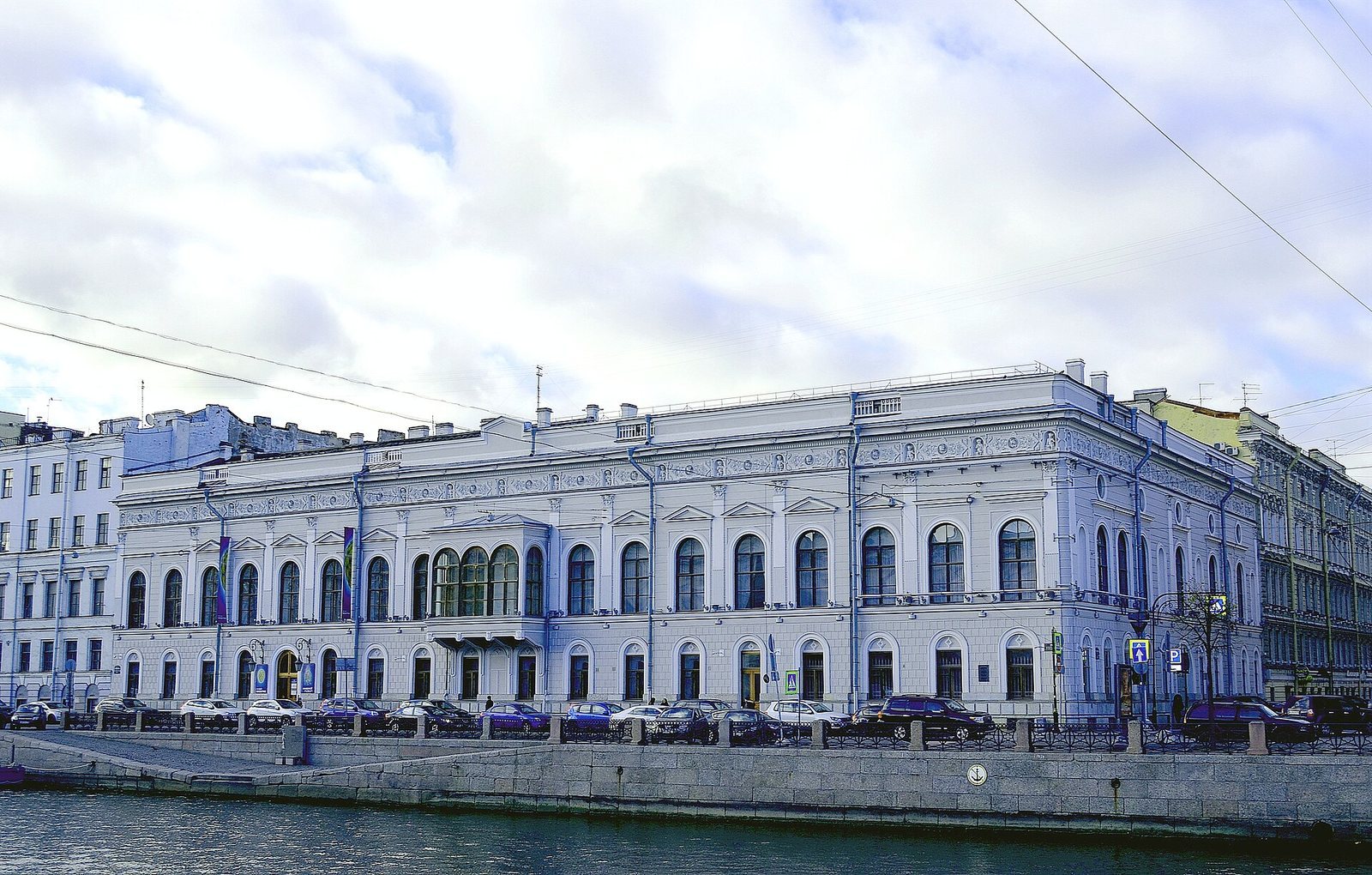
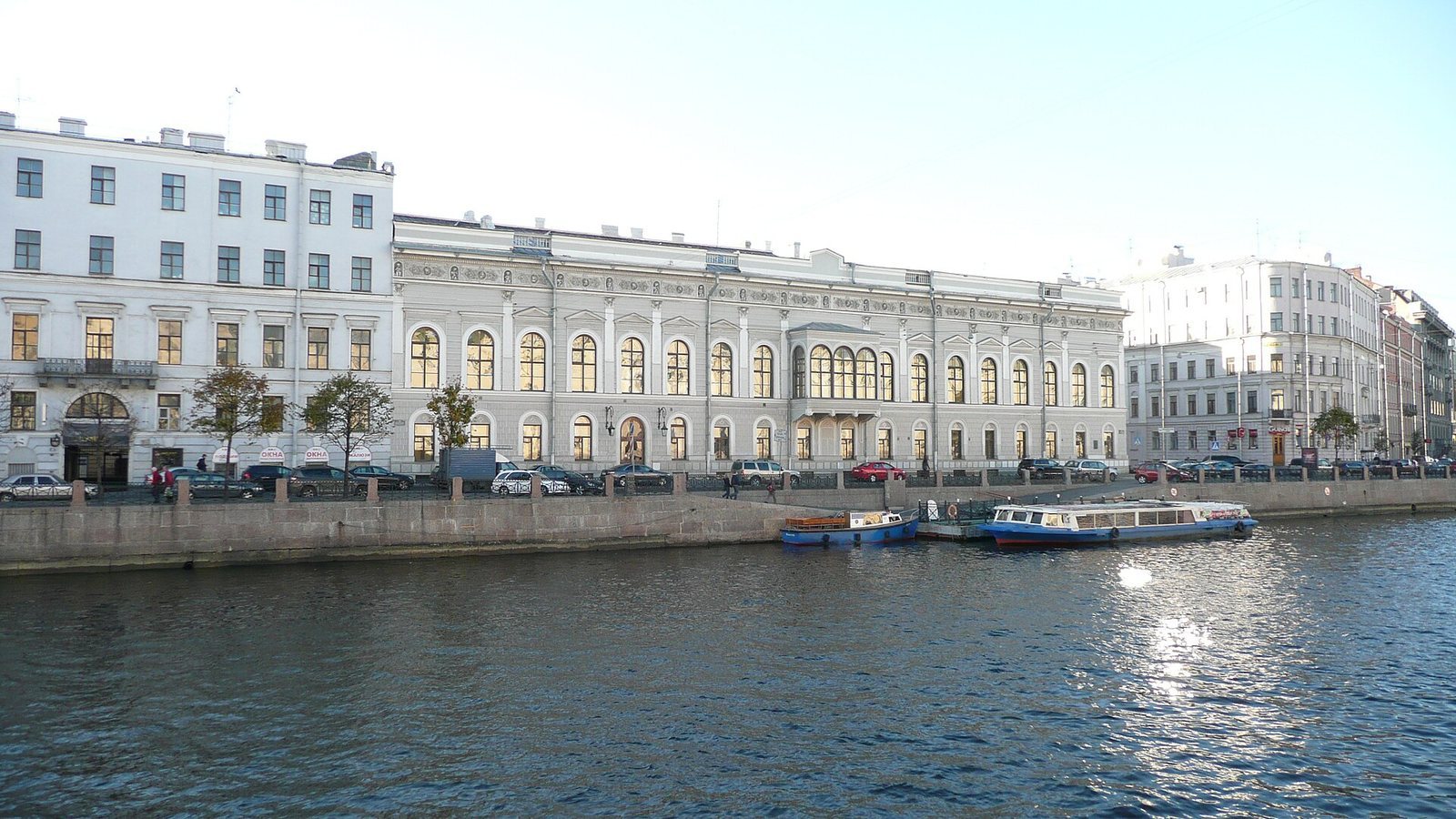
Shuvalov Palace is a former aristocratic residence on the Fontanka Embankment in Saint Petersburg, Russia. Developed by the Vorontsov family from the late eighteenth century, it grew into an eclectic building combining Neoclassical and Neo-Renaissance elements. The architect of its left-hand section, built in the 1780s, is unknown; the design of the original palace has also been tentatively attributed to Giacomo Quarenghi, an Italian architect who worked in Russia.
Maria Naryshkina acquired the palace in 1799. Her husband, Dmitri Lvovich Naryshkin, gathered art and antiquities there, and the residence became a focus of Saint Petersburg social life. Its ballroom hosted gatherings of up to 1,000 people. In 1821–1822, Dmitri added a wing to the right of the older building, possibly following a design by Carlo Rossi, an architect active in Saint Petersburg. A celebrated ball in 1834 marked the sixteenth birthday of Alexander Nikolaevich, the heir to the Russian throne who later became Emperor Alexander II.
The Naryshkin-Shuvalov residence
Emmanuel Naryshkin later sold the property to his cousin Lev Naryshkin. Renovation began in 1844 ahead of Lev’s daughter Sofia’s marriage to Pyotr Pavlovich Shuvalov. From 1844 to 1849, interior alterations by Bernard de Simone accompanied the joining of the palace’s two sections behind a unified facade designed by Nikolai Yefimov. The property belonged to Sofia and Pyotr from 1846 and later passed to their son and daughter-in-law. After Sofia’s marriage, it became known as the Naryshkin-Shuvalov Palace.
The last owner was Elizaveta Vladimirovna Shuvalova, née Baryatinskaya, the daughter of Prince Vladimir Baryatinsky. She hosted performances of works from the old Russian repertoire and a renowned ball during the 1906–1907 season. In the First World War, she arranged for the palace to become a hospital for wounded soldiers, with the ballroom used as an officers’ ward. After the Revolution, she went into exile and died in Paris in 1938.
Nationalization and changing uses
The state nationalized the palace in 1918. From 1919 to 1925, the building housed a Museum of Aristocratic Life, devoted to the everyday lives of the aristocracy. After it closed, most of the Shuvalov collection went to the Hermitage and the Russian Museum, while some objects remained in the museum fund.
The palace subsequently housed a print house, including the House of Press from 1927 to 1929. In 1928, the avant-garde literary group OBERIU held a poetry evening there called “Three Left Hours.” The building later served as a House of Engineering and Technical Workers named for Soviet political leader V. M. Molotov, and a design organization occupied it in the late 1930s.
War damage and restoration
During the German siege of Leningrad in the Second World War, shelling and bombing severely damaged the palace. On 14 September 1941, a bomb destroyed the courtyard wing. An incendiary bomb entered through the roof and reached the attic above Alexander Hall; the ensuing fire caused the roof to collapse. The palace had been restored by 1950.
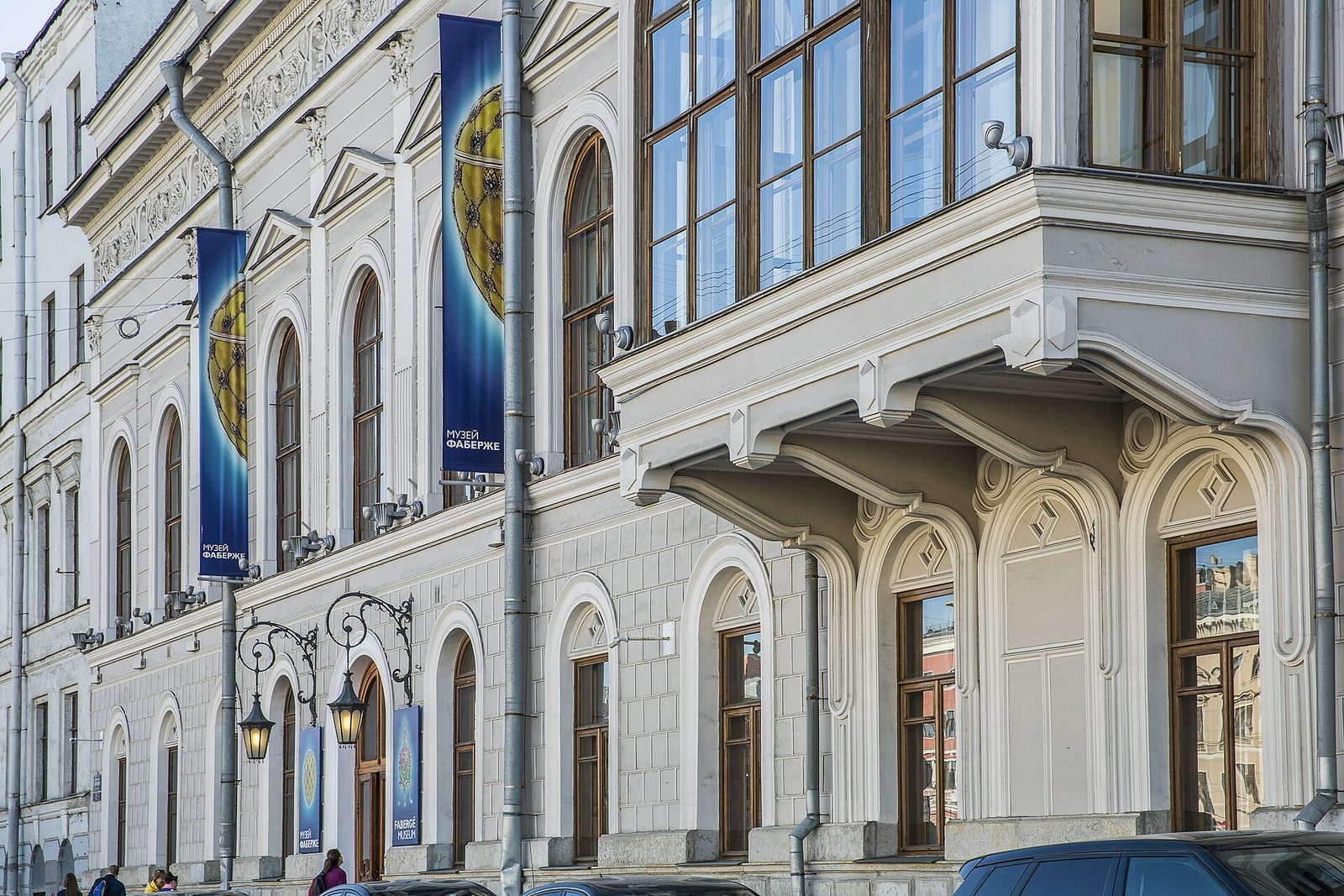
Interior restoration followed in 1963–1965, before the palace opened as a House of Peace and Friendship with the Peoples of Foreign Countries, a Soviet-era institution promoting international friendship. In 2006, businessman Viktor Vekselberg acquired the building and financed restoration intended to recover its nineteenth-century appearance. The Fabergé Museum opened in the palace on 19 November 2013. At its opening, it was described as Russia’s first private museum of federal significance. The palace is a federally significant cultural heritage monument.
Remains
At the corner of Fontanka Embankment and Italyanskaya Street, the palace’s main frontage faces the Fontanka. Its plan brings together an older left-hand section and a later wing to its right, united behind a common facade. The building’s eclectic character combines Neoclassical forms with Neo-Renaissance elements. On the Fontanka Embankment descent in front of the palace, a memorial sign commemorates the “Blockade Ice-Hole,” an opening cut through frozen water and associated with obtaining water during the siege.
Interior spaces and museum displays
Grand ballroom
The grand ballroom is also called Alexandrovsky Hall or White Column Hall. A contemporary recollection compared its great size to a tennis court. During the First World War, the room was used as an officers’ ward.
Blue Room
A large pantry was found beneath the Blue Room’s fireplace after the infirmary was removed in 1919. It contained paintings, porcelain, and Limoges enamel, enamelwork associated with the French city of Limoges. Fabergé eggs are displayed in the Blue Room, linking the palace’s present museum use with its earlier collections.
Collections in the palace rooms
Other rooms display nineteenth-century Russian porcelain, enamelwork, stone carvings, Russian icons, paintings, silver, precious vessels, and memorial objects. Fabergé eggs are elaborate jeweled Easter eggs made by the firm of Peter Carl Fabergé, including examples commissioned for the Russian imperial family.