Fort of Casa: A Portuguese Fort Built to Defend Lisbon
Site at a Glance
- Popularity
- Very Low
- Country
- Portugal
- Primary era
- Modern
- Eras represented
- Modern
- Civilizations
- Portuguese
- Site type
- Military
- Remains
- Fort
On this page4 sections
History
The French invasions of Portugal
The Fort of Casa is a Portuguese military fort in the town of Forte da Casa, in Vila Franca de Xira municipality, Portugal. Built in 1809–10, it formed part of the Lines of Torres Vedras, a defensive system intended to protect Lisbon from French invasion. The fort was constructed during the Peninsular War, the conflict in which Napoleonic France fought Portugal, Spain, and its British ally.
After the 1807 Treaty of Fontainebleau, French troops under General Junot invaded Portugal, which sought British support. British forces led by Arthur Wellesley, later known as the Duke of Wellington, landed in July 1808 and defeated the French at Roliça and Vimeiro. Junot then agreed to the Convention of Cintra, which led to the evacuation of his army. In March 1809, Marshal Soult led another French expedition south toward Porto, but Portuguese and British forces repelled it and forced its withdrawal.
The Lines of Torres Vedras
With another French invasion feared, Wellington secretly ordered the construction of defensive lines on 20 October 1809. The works were intended to shield Lisbon from troops led by Napoleon Bonaparte and Marshal Masséna. In all, 152 military installations were built and numbered. The Fort of Casa was installation No. 38, the easternmost fort or redoubt on the second of the three lines. Portuguese Major Brandão de Sousa initially called it Da Caza.
In 1810, about 340 soldiers and five cannon were stationed at the fort. Together with the higher forts of Portela Grande and Portela Pequena, it was intended to impede a French advance along two main roads. Masséna’s troops were turned back at the first defensive line at Sobral de Monte Agraço, and the Fort of Casa saw no fighting.
Excavations took place at the fort in 2008 and 2010. The site also has a Lines of Torres Vedras interpretation centre, which explains the construction of the two northern lines, the fort’s place among the other military works, and the effects of the French invasion and fort-building on local people.
Remains
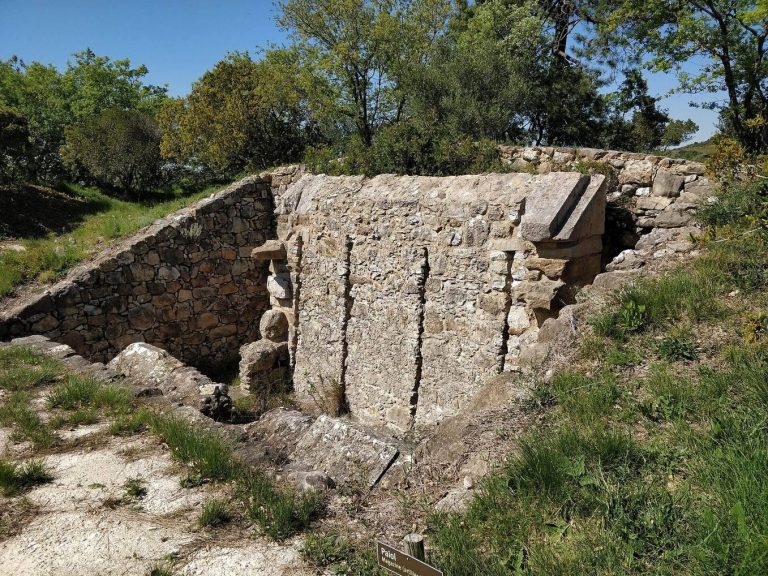
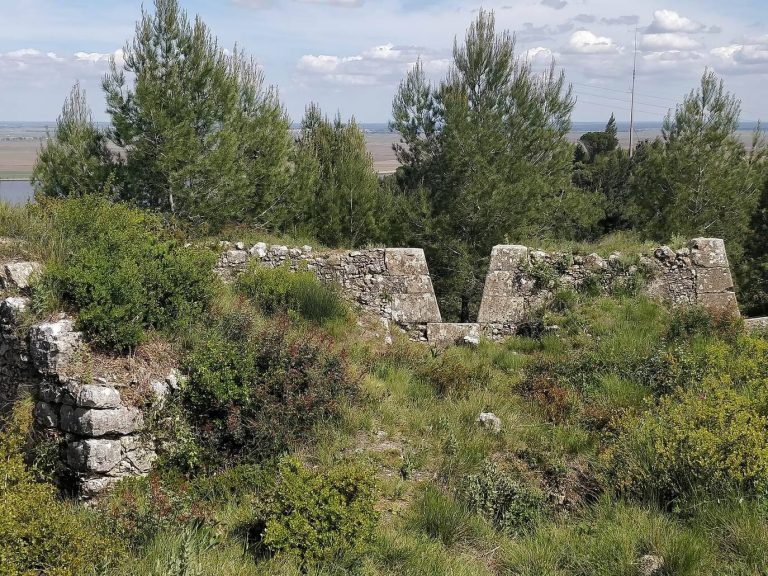
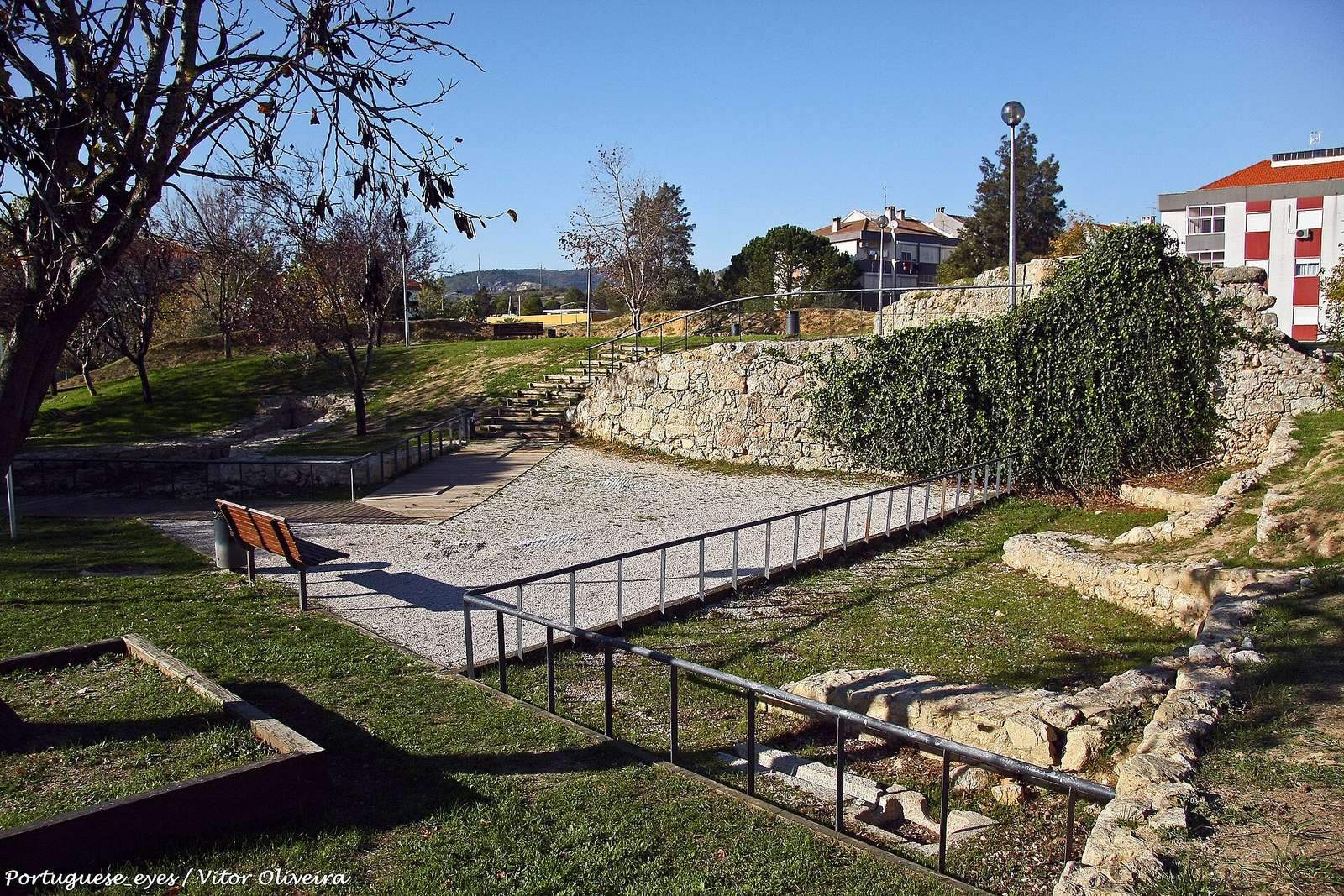
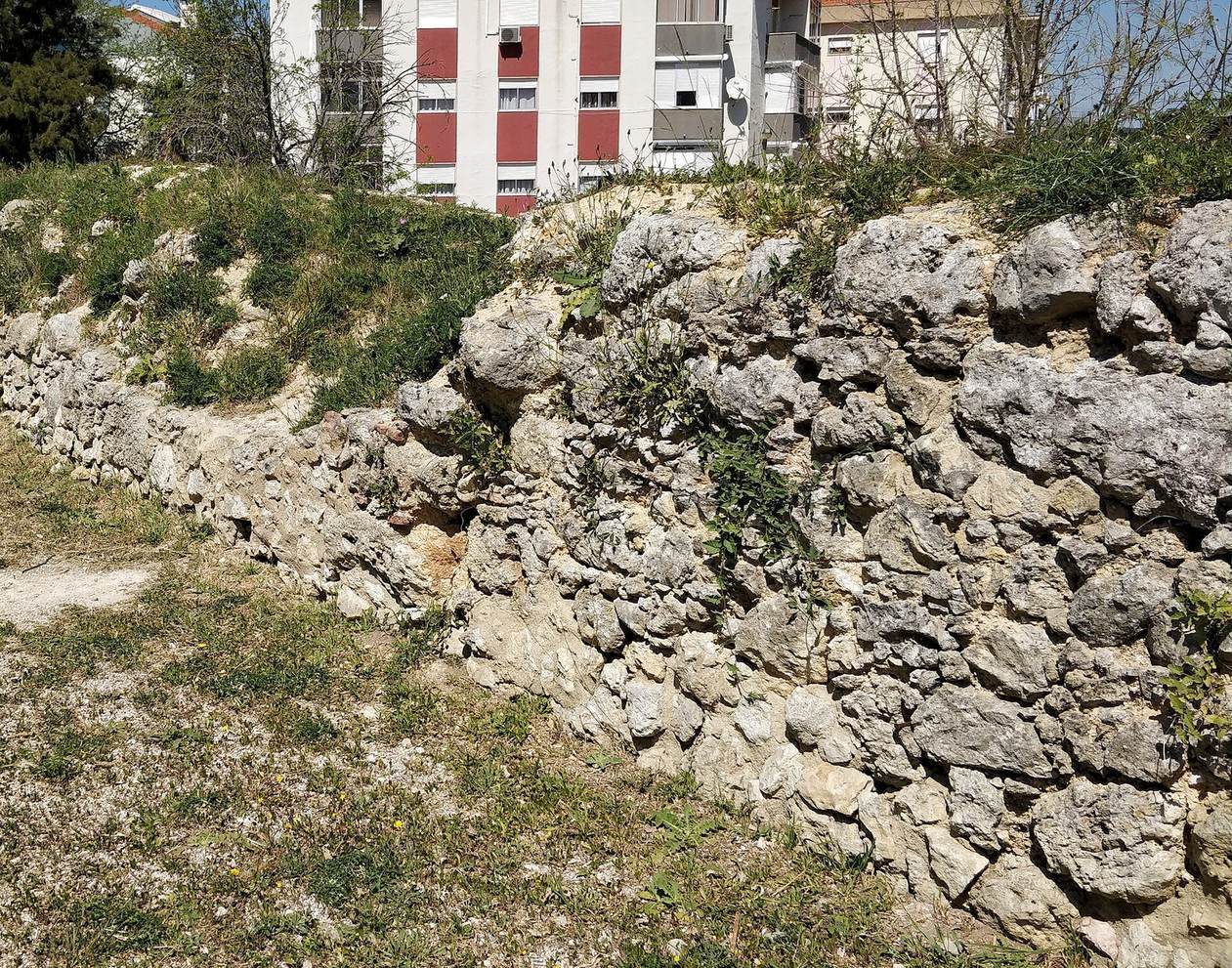
The fort stands at an elevation of 41 metres near the Tagus River. Its plan is star-shaped, and it had a dry defensive ditch and an ammunition store.
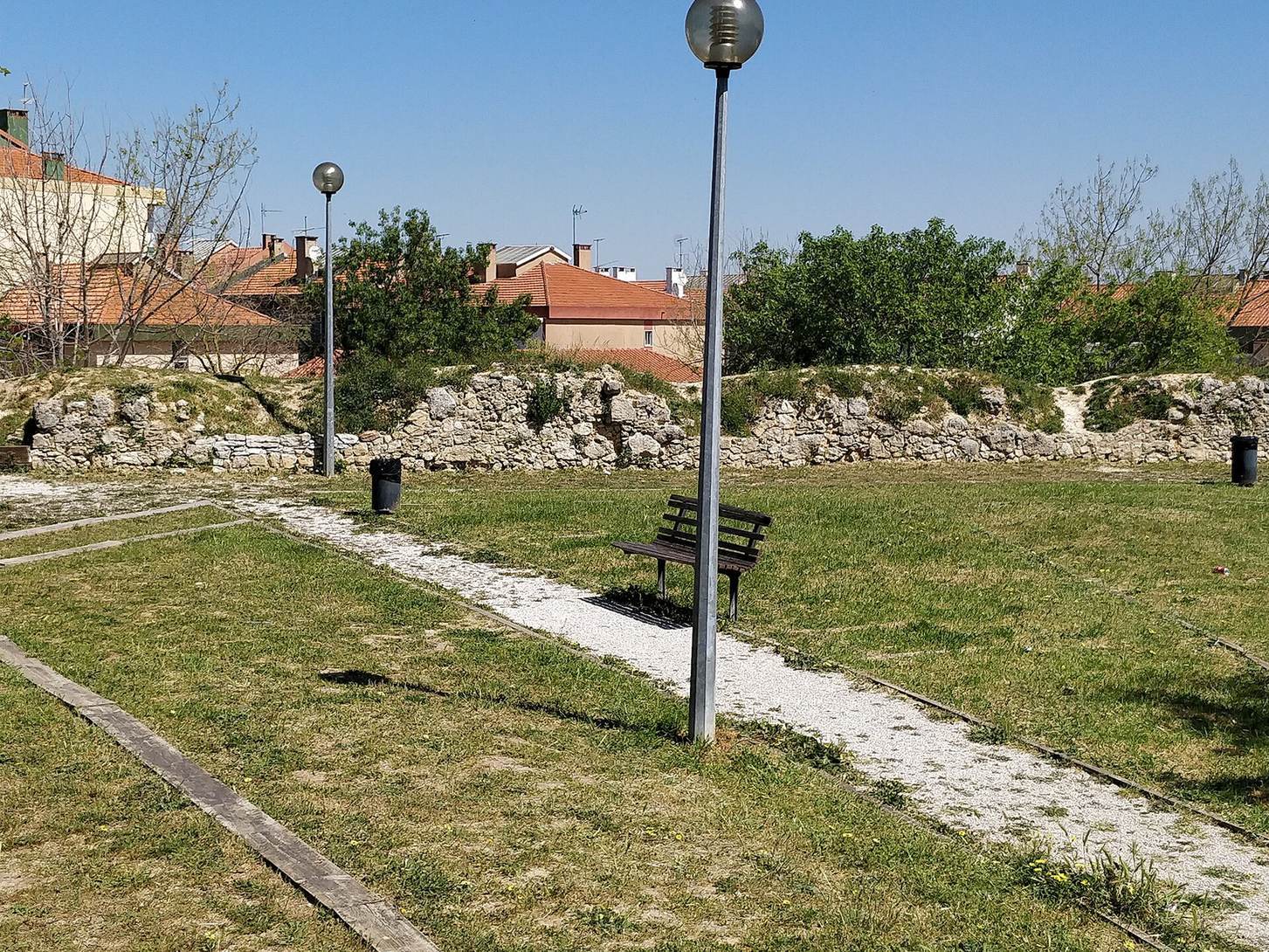
The surviving ruins are incorporated into a small urban park. The fort is preserved and restored.