Mitra Palace: A Summer Residence for Lisbon’s Archbishops and Patriarchs
Site at a Glance
- Popularity
- Medium
- Country
- Portugal
- Primary era
- Early Modern
- Eras represented
- Early Modern
- Civilizations
- Portuguese
- Site type
- Religious
- Remains
- Palace
On this page8 sections
History
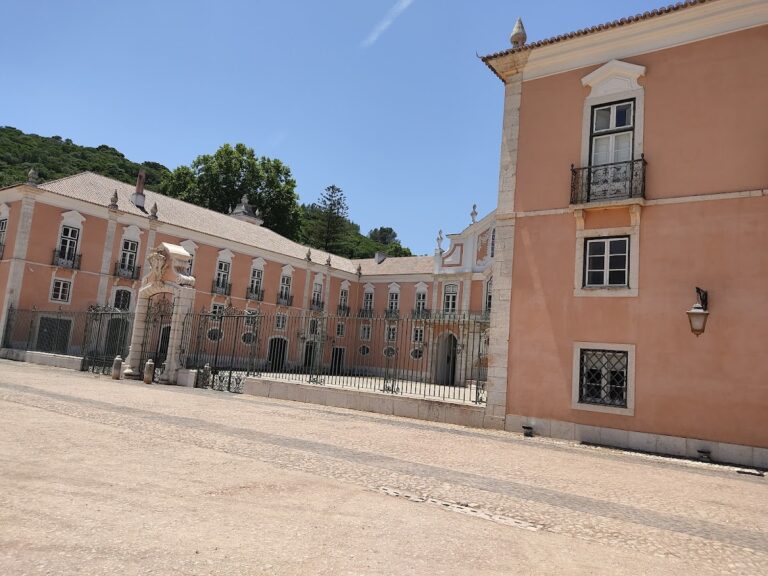
Mitra Palace, also known as the Palace of the Archbishops, is a palace in Portugal that served as a summer residence for the archbishops and, later, the patriarchs of Lisbon. Its first palace was built around 1554, and it was rebuilt in the 18th century in the Baroque style, an ornate European architectural style that flourished in the 17th and 18th centuries.
Estate and 16th-century palace
Before the palace was built, the property was an agricultural estate called Santo Antão do Tojal. Pedro Viegas sold it to Domingos Anes Jardo, Bishop of Lisbon. An earlier house on the estate dated to the 13th century. Around 1554, Archbishop Fernando de Vasconcelos ordered a palace to replace it.
18th-century rebuilding
Tomás de Almeida, the first Patriarch of Lisbon, had the palace rebuilt in the 18th century. The Italian architect Canevari worked on the project until 1732.
Restoration and protection
Several restoration campaigns took place during the 20th century, financed by Portugal’s Directorate-General for National Buildings and Monuments, a public body responsible for national buildings and monuments. The protected complex includes the palace, aqueduct, dovecotes, fountains, chapel, and monumental entrance gates. Decrees dated 26 September 1940 and 18 August 1943 established its protection as Portuguese cultural heritage.
Remains
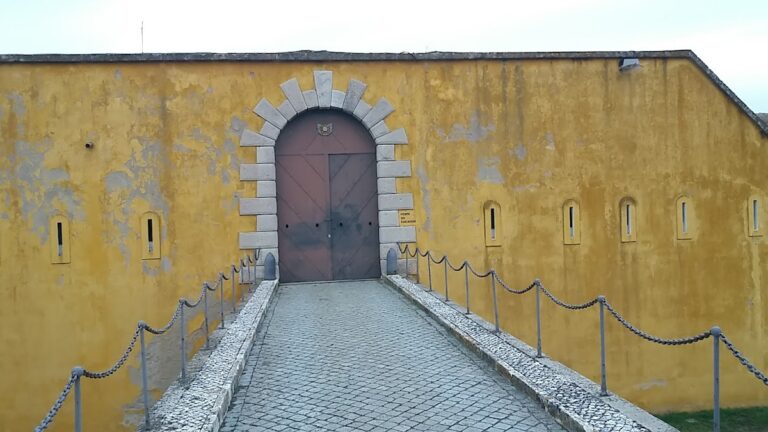
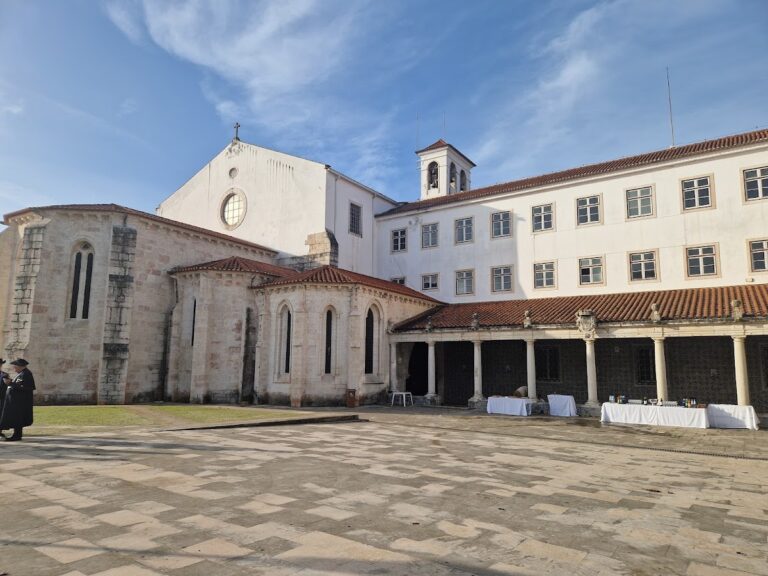
The complex centers on a palace with a U-shaped plan and includes associated grounds with waterworks, a chapel, dovecotes, and monumental entrance gates.
Palace and interior decoration
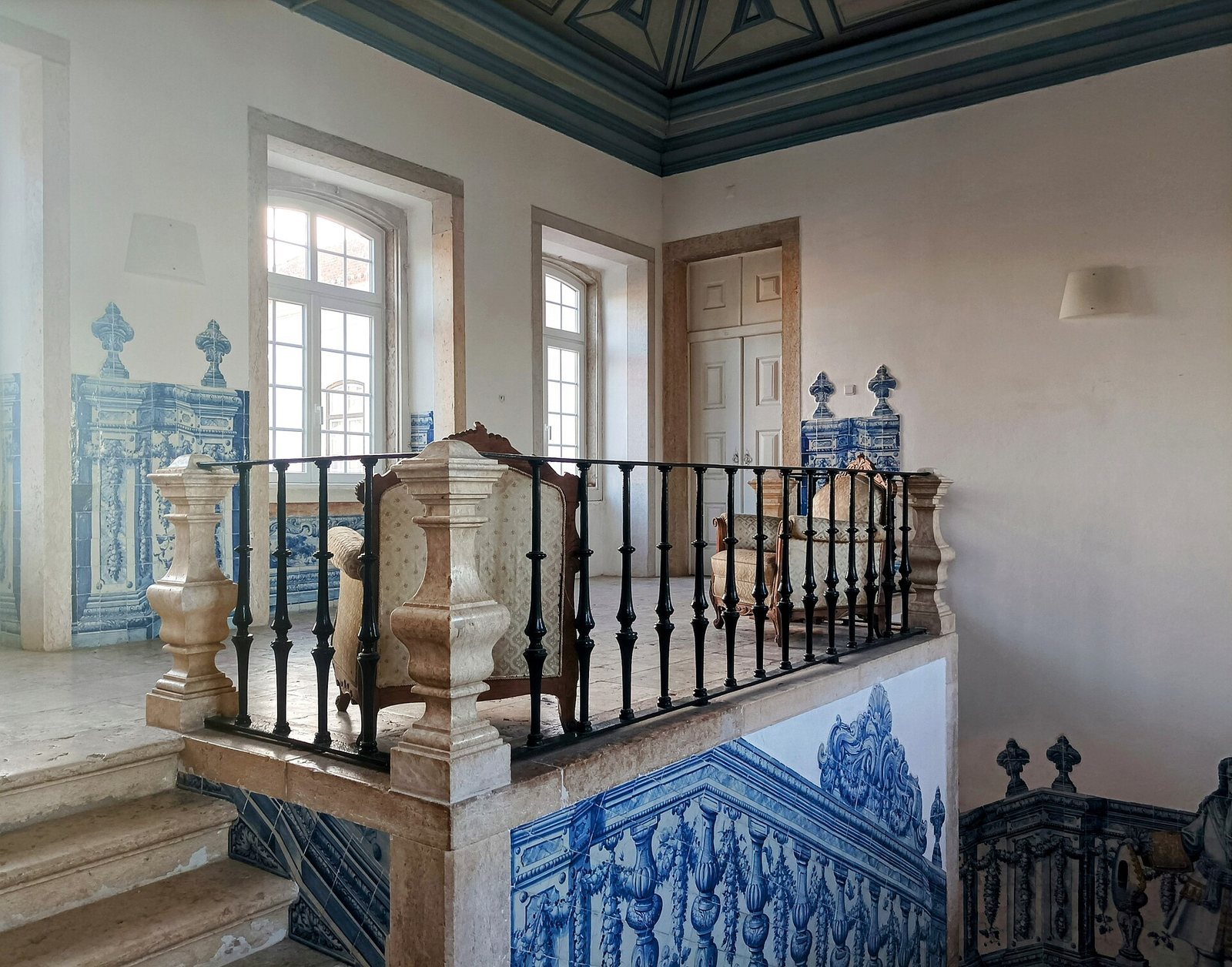
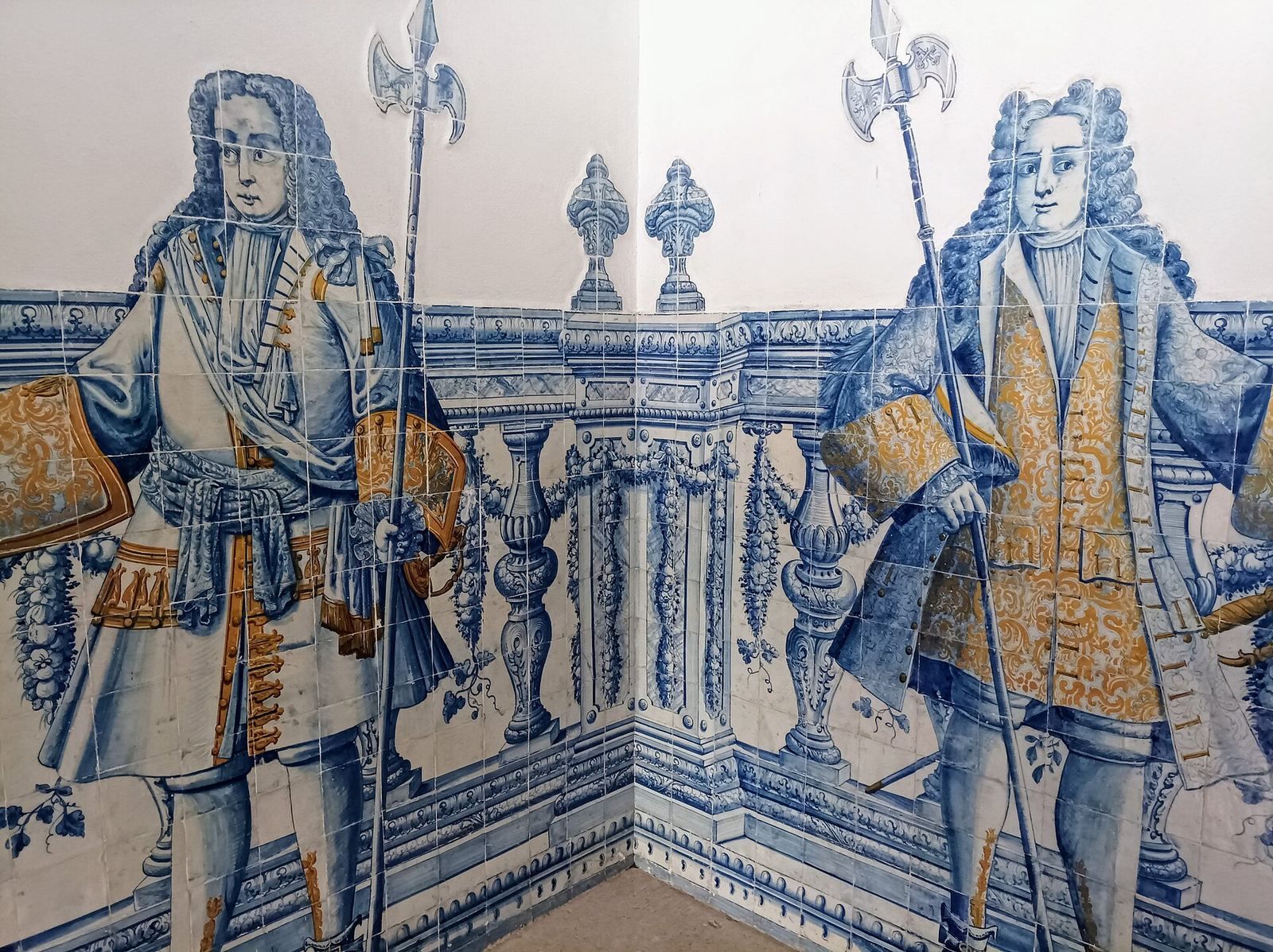
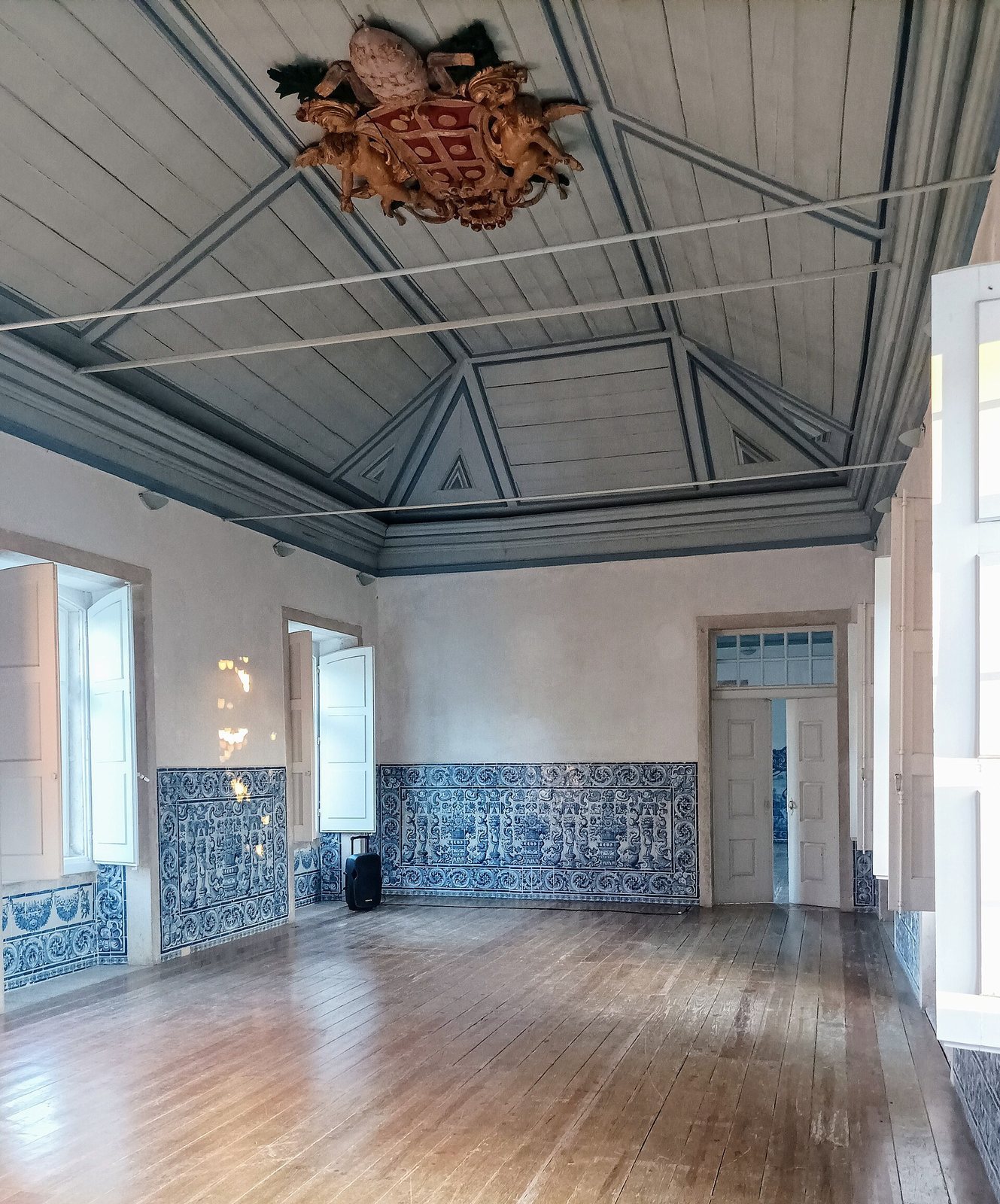
The palace has an Italian-style façade bearing three Carrara-marble statues: Saint Bruno of Cologne, a medieval monk; Queen Isabel of Portugal, later venerated as Saint Elizabeth; and the Immaculate Conception, the Catholic teaching that Mary was preserved from original sin from the first moment of her conception. Inside, 18th-century Portuguese blue-and-white tiles depict the seasons, rural life, hunting, fishing, and mythological figures. Kitchen tiles feature culinary subjects. Some tiles from the palace were later transferred to the Patriarchal Palace at São Vicente de Fora and are now displayed at the National Museum of Ancient Art.
Grounds and waterworks
The grounds contain two dovecotes, an aqueduct, and two fountains, all dating to the 18th century. The aqueduct extends for 2 kilometres and supplied the fountains. A chapel and monumental entrance gates are also part of the complex.
Associated church
The Church of Santo Antão do Tojal is also associated with the palace in Loures.