Fort of Ribas: A Redoubt of the Lines of Torres Vedras


Site at a Glance
- Rating
- 4.3
- Popularity
- Very Low
- Country
- Portugal
- Primary era
- Early Modern
- External website
- Open
- Eras represented
- Early Modern
- Civilizations
- British, Portuguese
- Site type
- Military
- Remains
- Fort
On this page5 sections
History
The Fort of Ribas is a Portuguese redoubt near Bucelas, Portugal, built by Portuguese and British forces in 1809–1810 during the Peninsular War. It formed part of the second defensive line of the Lines of Torres Vedras, a network of forts, redoubts, and other works arranged across the approaches to Lisbon, and was assigned identification number 51.
The French Invasions and the Defensive Lines
The fortifications were prompted by France’s invasion of Portugal after the Treaty of Fontainebleau in October 1807. General Junot led the French advance, while a later expedition commanded by Marshal Soult moved toward Porto in March 1809. British and Portuguese forces defeated the French at Roliça and Vimeiro in 1808 and subsequently repelled Soult’s advance.
In October 1809, the Duke of Wellington ordered the construction of the Lines of Torres Vedras. Work began immediately and continued until October 1810. The system was intended to protect Lisbon and to secure Wellington’s possible retreat and evacuation from Fort São Julião da Barra, a stronghold at the mouth of the Tagus River, if French forces broke through the outer defences.
Construction and Military Role
Portuguese labourers and farmers built the Fort of Ribas under the supervision of British and Portuguese engineers. It was planned to house 300 soldiers and to carry three or four cannon. The first defensive line was intended to delay the French and allow a withdrawal toward the second line, but it proved adequate to repel the advancing troops. The Fort of Ribas therefore never saw action.
The fort was restored during commemorations of the bicentenary of the Peninsular War and remains preserved, although it is unoccupied. In March 2012, the Municipality of Loures inaugurated a Centre of Interpretation of the Lines of Torres at Bucelas, presenting the history of the fortifications built during the French invasions.
Remains
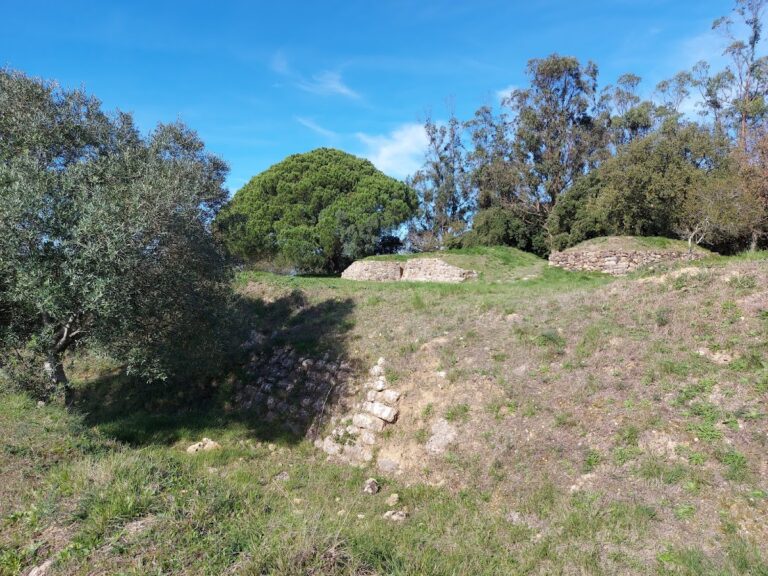
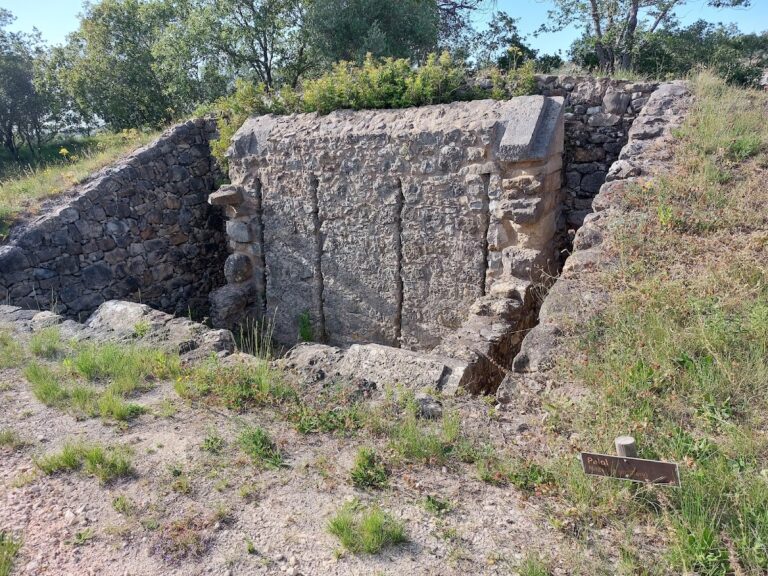
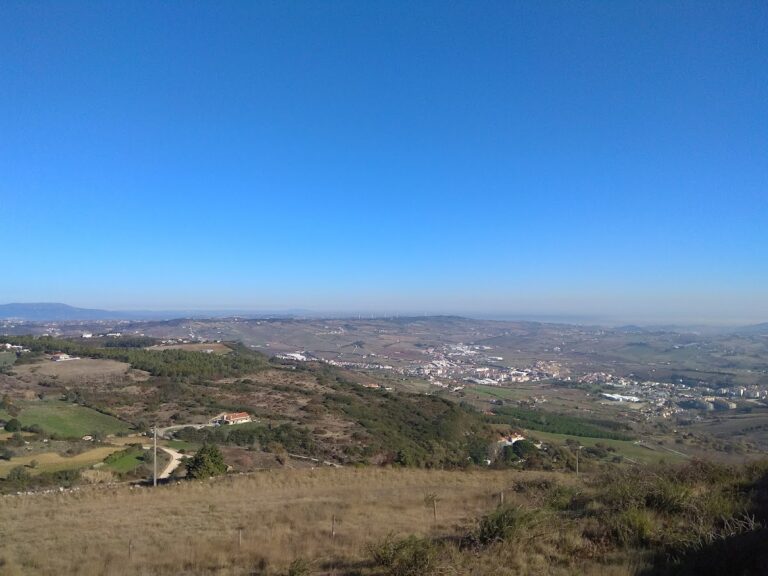
The Fort of Ribas occupies a limestone hill near Bucelas in Portugal’s Lisbon District, at an altitude of 305 metres. Its irregular five-sided plan follows the defensive requirements of the site and was designed to command the Freixial gorge. Connections with several other forts and redoubts allowed military signals to be exchanged across the defensive network.
Defensive Works
The redoubt, a small enclosed defensive work, was protected by a man-made escarpment, meaning a steep artificial slope, faced with limestone walls. A dry moat and palisades formed additional obstacles around the position. The surviving fort reflects its planned role as a compact post for 300 soldiers and three or four cannon within the second line of the Lines of Torres Vedras. Restoration has preserved the structure in its present form.
Nearby sites