Palazzo Lopez: An Eighteenth-Century Palace in San Giovanni in Fiore
Site at a Glance
- Popularity
- Very Low
- Country
- Italy
- Primary era
- Early Modern
- Eras represented
- Early Modern, Modern
- Civilizations
- Italian, Kingdom of Naples
- Site type
- Domestic
- Remains
- Elite Residence
On this page7 sections
History
Construction
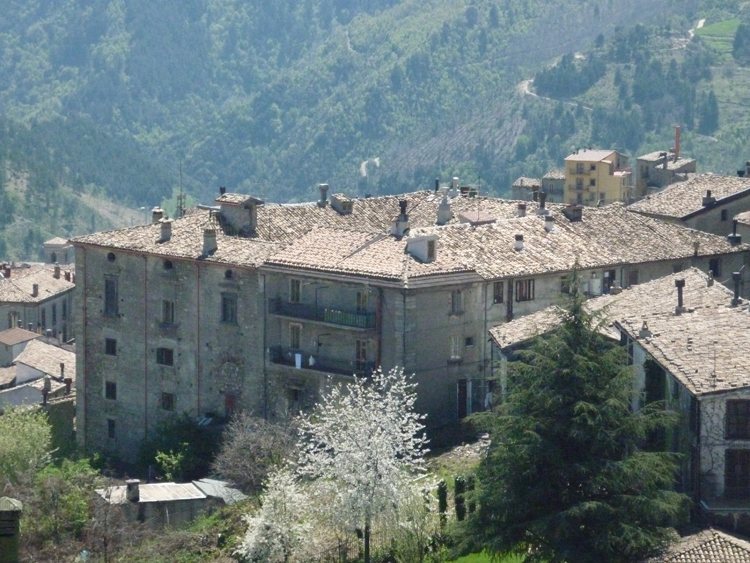
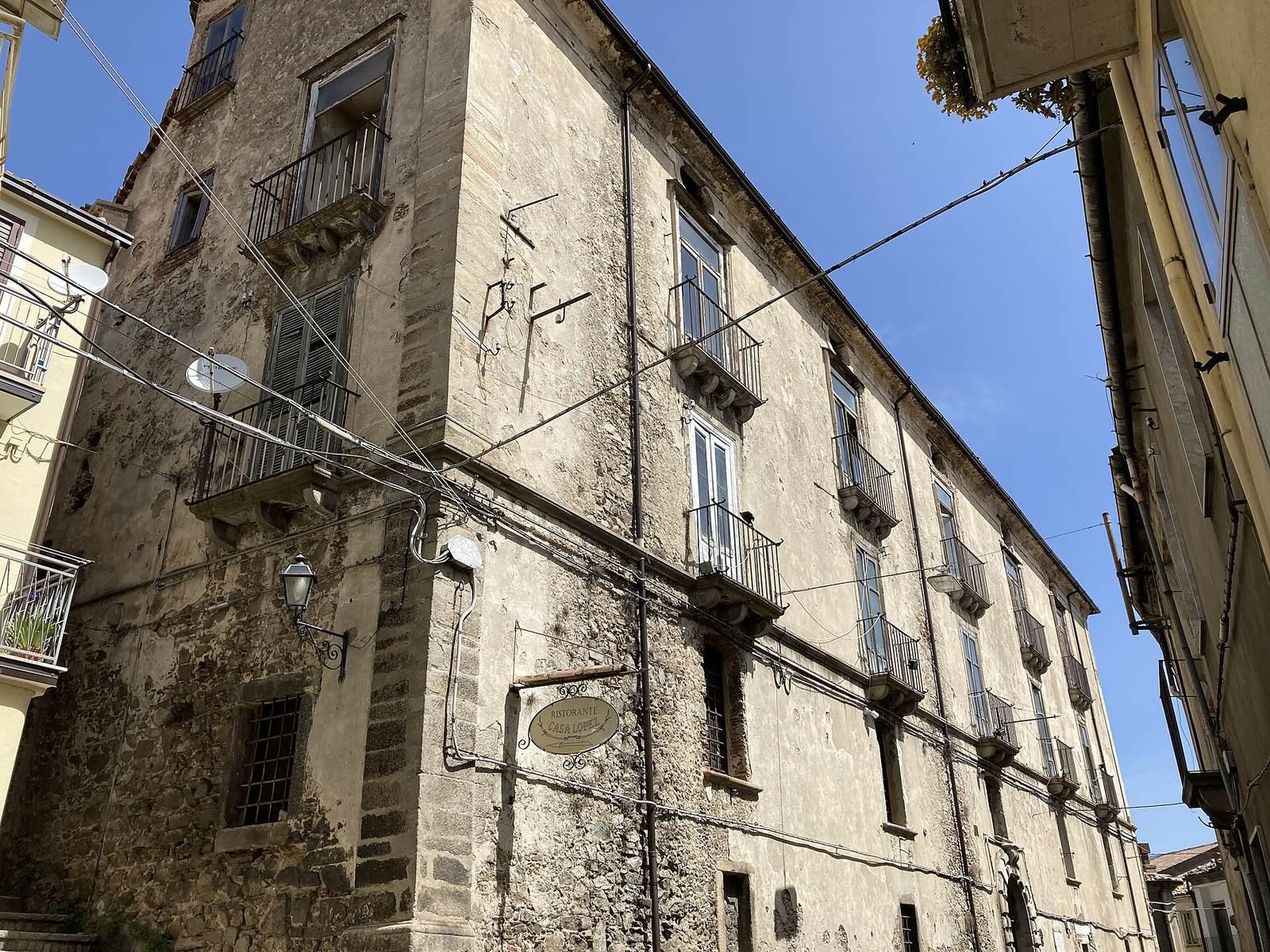
Palazzo Lopez is an early eighteenth-century palace in the historic center of San Giovanni in Fiore, Calabria, Italy. The Lopez family commissioned its construction.
The revolutionary movement of 1844
The palace is chiefly remembered for its connection with the mid-nineteenth-century Risorgimento, the movement for Italian unification, and the fate of the Bandiera brothers. In 1844, a gendarmerie, a police force organized along military lines, captured the brothers. Emilio Bandiera and fellow revolutionary Domenico Moro were brought to the palace and held there for several days.
Palazzo Lopez also served as a meeting place for liberal patriots who shared the republican nationalist ideas of Giuseppe Mazzini, an advocate for Italian unification. Women described as beautiful often accompanied the patriots. The events surrounding the Bandiera brothers brought San Giovanni in Fiore and the palace to national attention. The building became associated with revolutionary uprisings in the Sila, a mountainous plateau in Calabria.
Remains
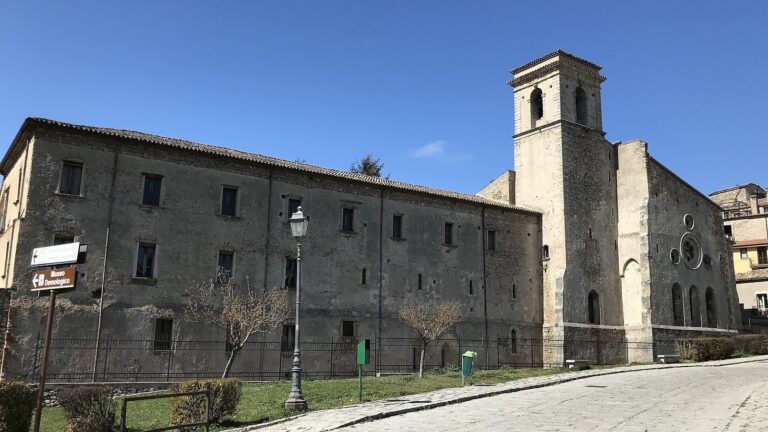
The palace has an asymmetrical plan shaped by additions from different periods. Some parts date to its early eighteenth-century construction, while others were added later. It stands on a gentle slope, with the east and west sides at different levels, a difference that probably influenced the street-facing facade.
Courtyards and circulation
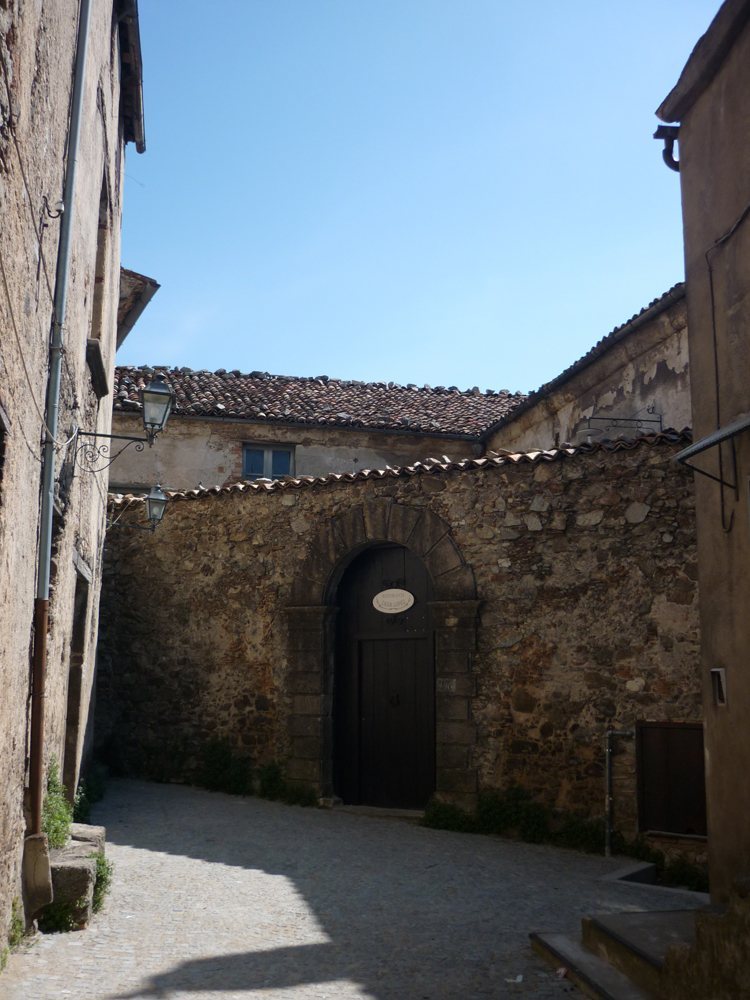
A walled side courtyard with a wooden gate lies beside the entrance to the third floor and encloses residential rooms. Stables and former kitchens occupy buildings outside a trapezoidal courtyard. Passages connect the building’s different levels and additions, and another passage links courtyard outbuildings with an upper alley.
Facade and entrance
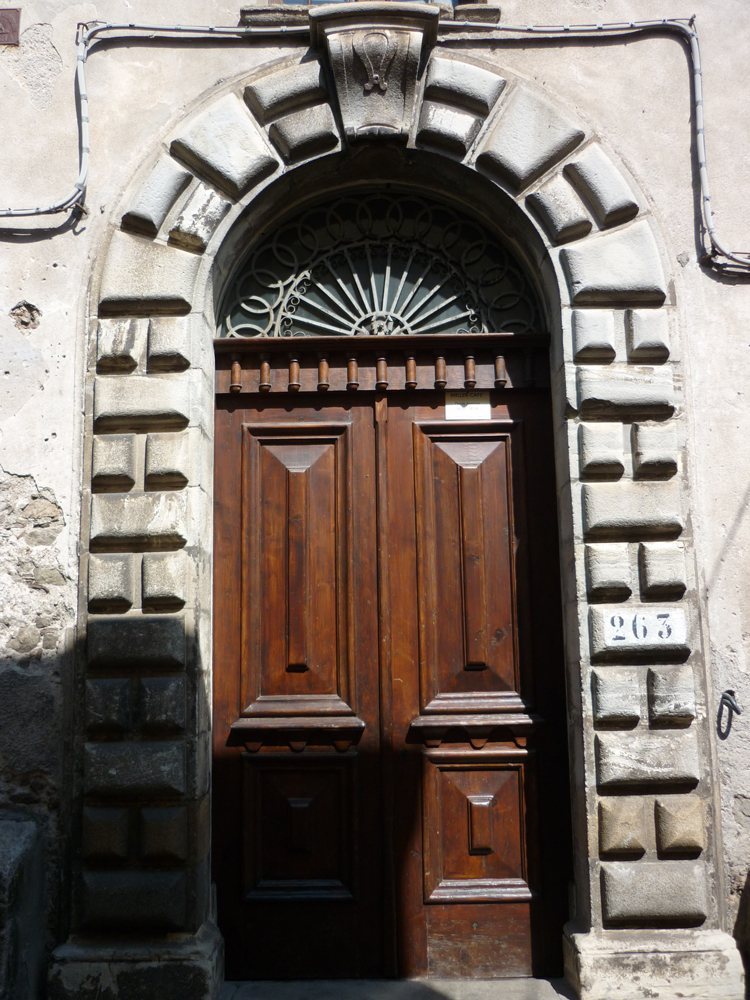
The imposing facade faces a narrow street. Its tall, round-arched portal has a central wedge-shaped stone bearing the Lopez family coat of arms. Beside the main entrance, a stone plaque made in the 1950s refers to the tragic events involving the Bandiera brothers.
Interior
Broad staircases lead to the second floor. The third floor is reached from an entrance on the west side, surrounded by a small triangular courtyard. Wooden beams support the roof, and the interiors include vaults formed by intersecting ceilings. The rooms are large and undecorated; those on the top floor connect with one another.