Preallo Monastery: A Medieval Abbey in Liguria
Site at a Glance
- Popularity
- Very Low
- Country
- Italy
- Primary era
- Medieval
- Eras represented
- Medieval
- Civilizations
- Unclassified
- Site type
- Religious
- Remains
- Monastery
On this page8 sections
History
Preallo Monastery was a medieval abbey on Monte Porale, in present-day Ronco Scrivia, Liguria, Italy. It probably began in 1153 as a house of Augustinian hermits, who followed a religious rule attributed to Augustine of Hippo. Cistercians, a monastic order developed within the Benedictine tradition, took over in 1237. The monastery was intended to serve local residents and assist travelers on the Via Postumia, an ancient Roman road.
Foundation and papal privileges
On 13 June 1208, Obizzo, also known as Opizzone, bishop of Tortona, approved a request from the abbot of Rivalta to build a church and abbey. The planned community would provide religious services, hospitality and help to travelers, while discouraging banditry along the road. In 1212, Pope Innocent III exempted the abbey from the authority of the bishop of Tortona. Pope Honorius III confirmed its holdings in several villages in 1217.
The name Preallo may derive from the surrounding mountain massif or the nearby Perogallo fountain. A change in pronunciation is said to have produced the form Porale.
Cistercian community and finances
After the Cistercian takeover, Rivalta served as the monastery’s mother abbey, the house from which it derived its institutional lineage. That lineage was headed by the primary abbey of La Ferté. The monks cleared land for cultivation and grazing, and maintained vineyards and chestnut groves. The community gained a strong reputation in the first half of the thirteenth century, attracting donations and new religious vocations.
Its finances nevertheless came under pressure. In 1239, Abbot Giovanni borrowed ten lire from the chapter of Genoa’s Cathedral of San Lorenzo to buy woolen habits for the monks. The abbey was exempt from a tax owed to the Holy See in 1330, paid it in 1349, and refused payment again in 1390. The payment in 1349 may indicate improved finances. The later refusal appears not to have stemmed from poverty and led to the abbot’s excommunication. Dante Alighieri may have stayed at the monastery during one or more of his journeys.
Suppression and later use
During the fourteenth century, the abbey entered the commendam system, an arrangement in which a cleric was entrusted with a religious institution’s administration or revenues. By 1401 its abbot was Manfredo. Pope Sixtus IV suppressed the abbey in a decree dated 27 October 1481. Its buildings passed to the Priory of San Teodoro in Genoa, a religious house governed by a prior. The priory was first associated with the Canons Regular of the Holy Cross of Mortara, clergy who lived communally under a religious rule, and later with the Lateran Canons. The abbot’s title also passed to San Teodoro.
On 14 April 1642, the remaining monastic buildings were sold to Napoleone Spinola, Count of Ronco Scrivia, for 15,000 lire. The church was excluded from the sale and became a parish church. Spinola was responsible for its upkeep until 1760, after which local residents arranged repairs. The other abbey buildings were eventually demolished, although the date is unknown.
Remains
Chapel and archaeological traces
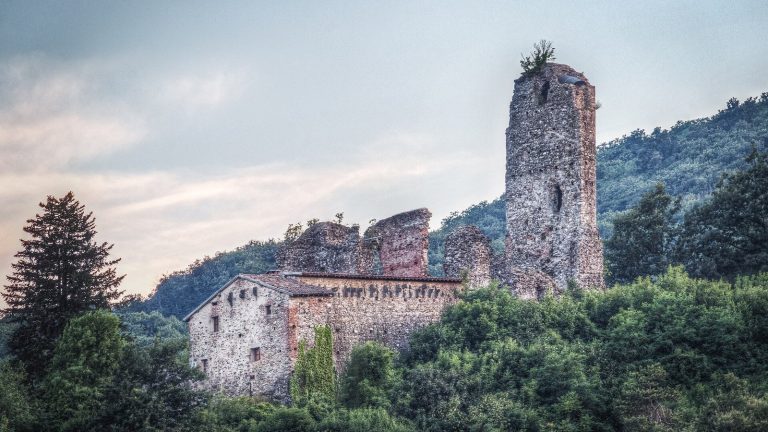
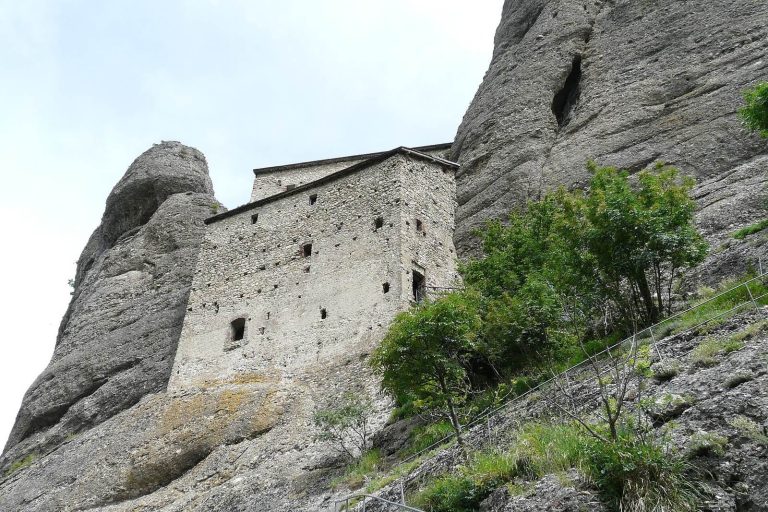
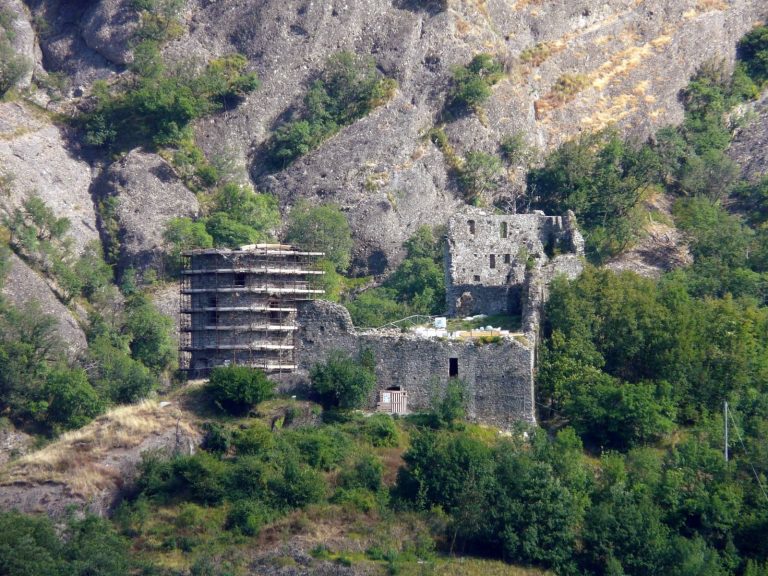
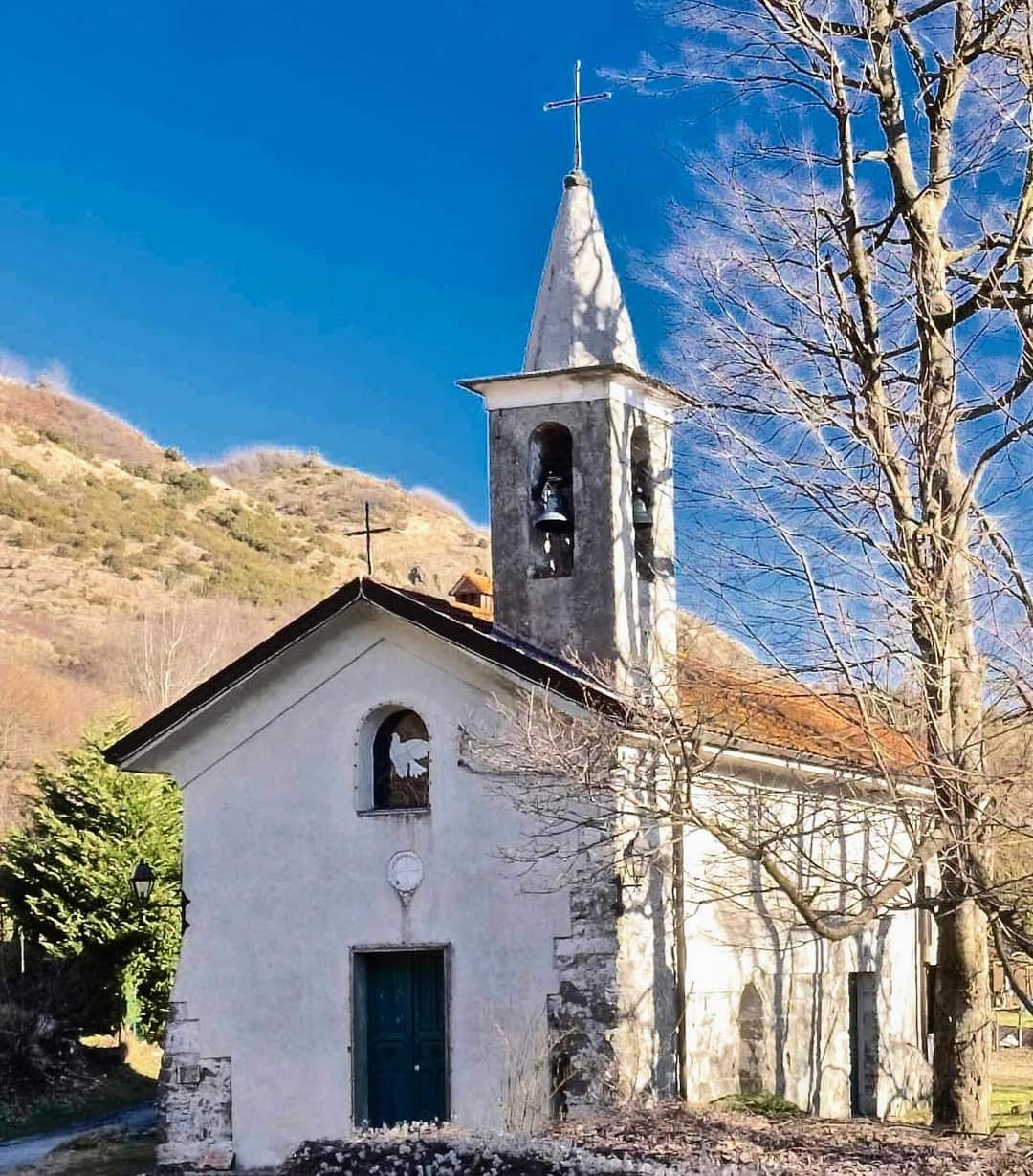
A chapel on Monte Porale preserves traces of the former monastery within its present structure. The site lies in mountainous terrain at about 835 metres above sea level, between the Scrivia and Lemme rivers and near the border with Piedmont. It is associated with the hamlet of Porale.
Chapel and altar fresco
Above the chapel’s main altar is a fresco dated 1446, showing the Madonna between Saint James and Saint Philip. It may have been repainted during the eighteenth century.
Excavated traces
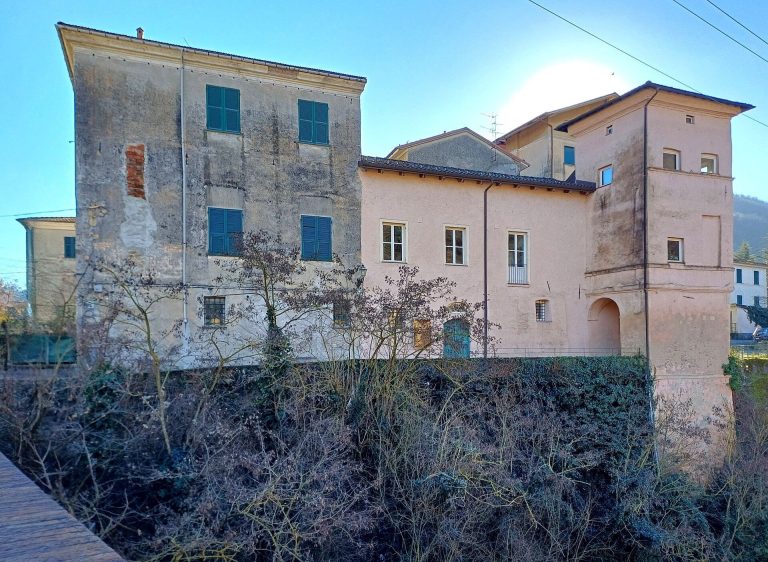
Excavations beneath the Tana d’Orso road uncovered old drains from the monastery’s former cistern, along with human skeletons. These finds support the possibility that the medieval abbey stood in the area now occupied by houses in the hamlet of Porale.