Palazzo Tassoni Mirogli: A Fifteenth-Century Palace in Ferrara
Site at a Glance
- Popularity
- Very Low
- Country
- Italy
- Primary era
- Medieval
- Eras represented
- Medieval, Early Modern
- Civilizations
- Papal States
- Site type
- Domestic
- Remains
- Elite Residence
On this page7 sections
History
Palazzo Tassoni Mirogli is a fifteenth-century palace in Ferrara, Italy, built after Brandalisio Boccamaggiori acquired its site in 1434 with the indirect intervention of Niccolò III d’Este, an early fifteenth-century ruler of Ferrara. At the time, the property lay on the edge of the city’s developing urban area and was known as Prato delle Bestie, or “Meadow of the Beasts.” The Boccamaggiori family was its first owner.
Fifteenth-century origins and ownership
Ownership passed to the Arduini family in 1444 and later to the Labolico family. One member of the Arduini family served as ambassador to the Venetian Republic for Borso d’Este, a mid-fifteenth-century ruler of Ferrara. Some decades later, the Sacrati marquises acquired the palace. The Tassoni family owned it from 1590, followed by the Nigrisioli family; the Mirogli family had acquired it by 1651.
At different times, visitors or temporary residents included the Habsburg rulers Ferdinand III and Charles VI, the Austrian archduke Sigismund Francis, the Saxon princess Maria Anna Carolina, and Luca Torregiani, archbishop of Ravenna.
Changing uses
The palace housed a small theater in 1561. In 1688, part of the property was sold and leased to the family of Virginia Strozzi and that of her husband, Francesco Avogli. In later centuries, the building changed owners and functions, serving charitable purposes, as a secondary boarding school, and as a care institution. From the mid-nineteenth century until the 1920s, theatrical performances and other events took place in its courtyard.
During Italy’s Fascist period, when the authoritarian Fascist movement governed the country, the palace became the headquarters of the Fascist Party’s youth organization. It also hosted cultural exhibitions, including displays of work by Ferrara artists such as Enzo Baglioni.
University use and earthquake damage
After the Second World War, the municipality of Ferrara acquired the palace and transferred it to the University of Ferrara. Local educational institutions had also used its rooms before the university adapted them for its own purposes from 1968. The palace became a library for the Faculty of Letters and Philosophy and housed university classrooms. It remains in university use. The 2012 earthquake in northern Italy caused severe damage to the building.
Remains
Courtyard plan and interior
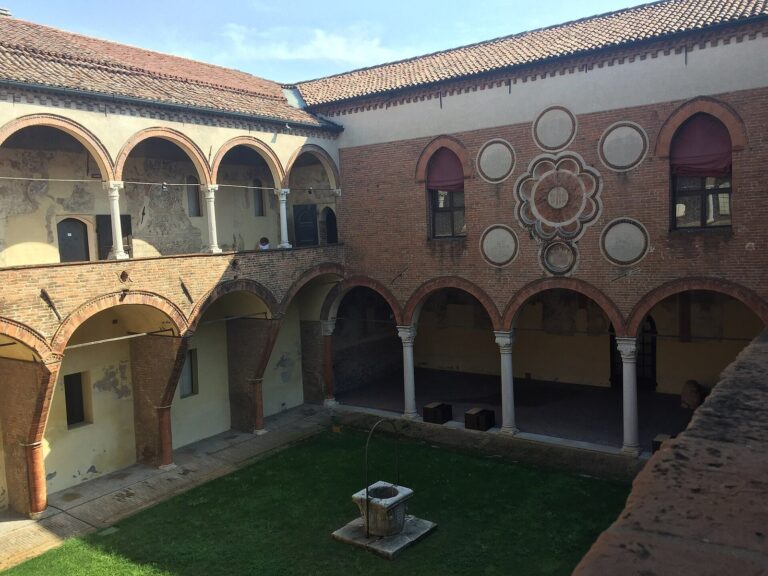
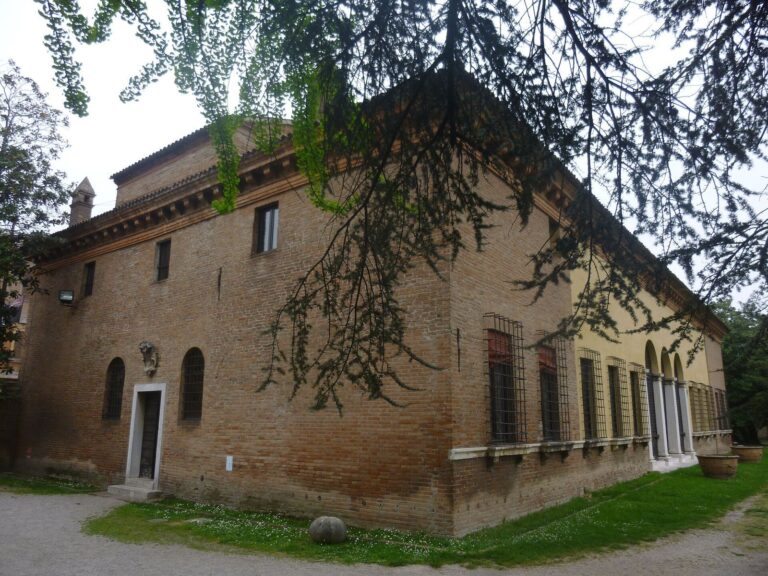
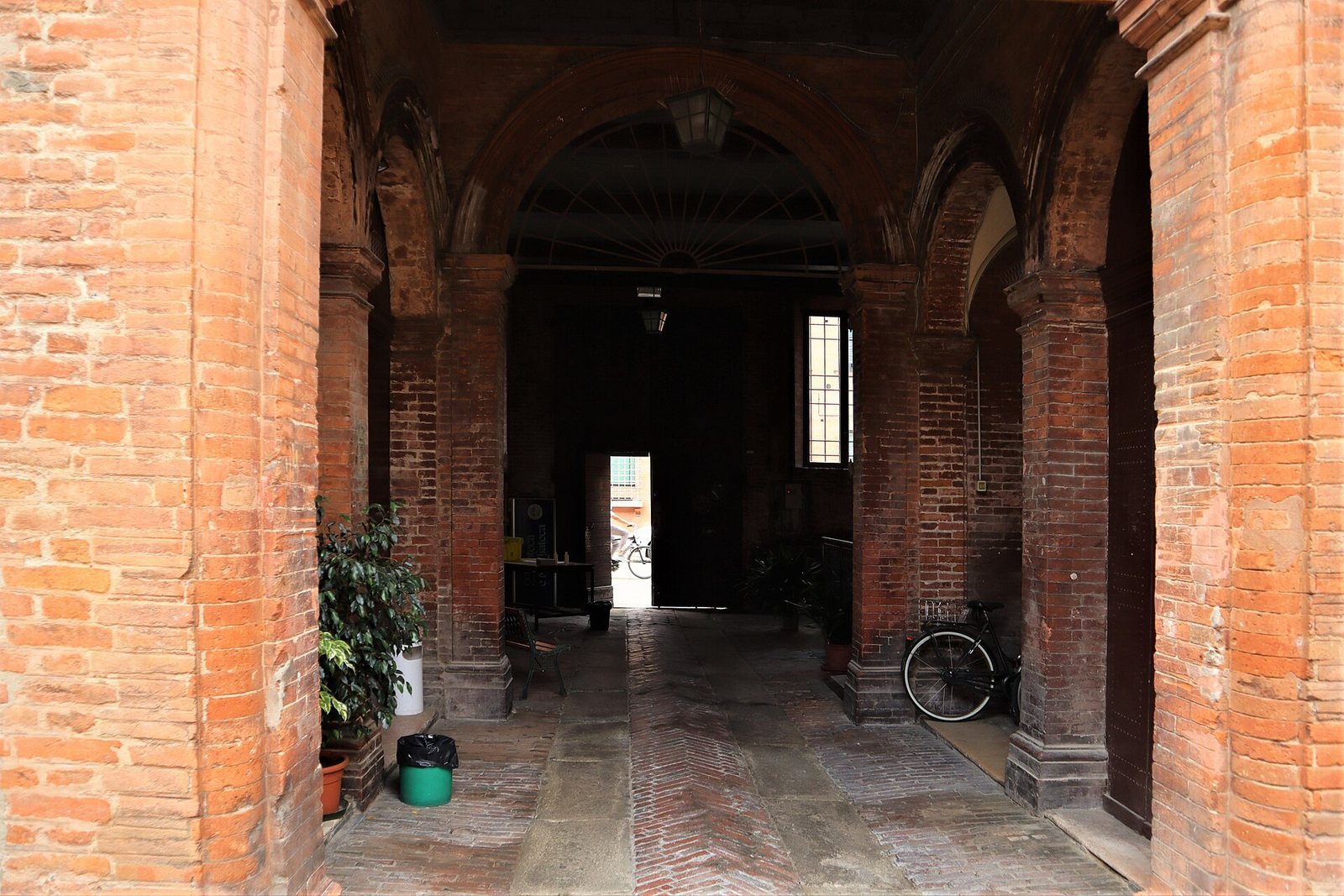
The palace was originally arranged around an internal courtyard, with roofed galleries open along their sides. The ground floor was intended for servants and service functions, while the more decorated principal floor, the palace’s main formal level, contained rooms and salons for the owners and their guests. The galleries have been lost, and the ground and first floors have undergone many alterations. Interior staircases remain imposing in appearance, though they are not monumental.
Main façade
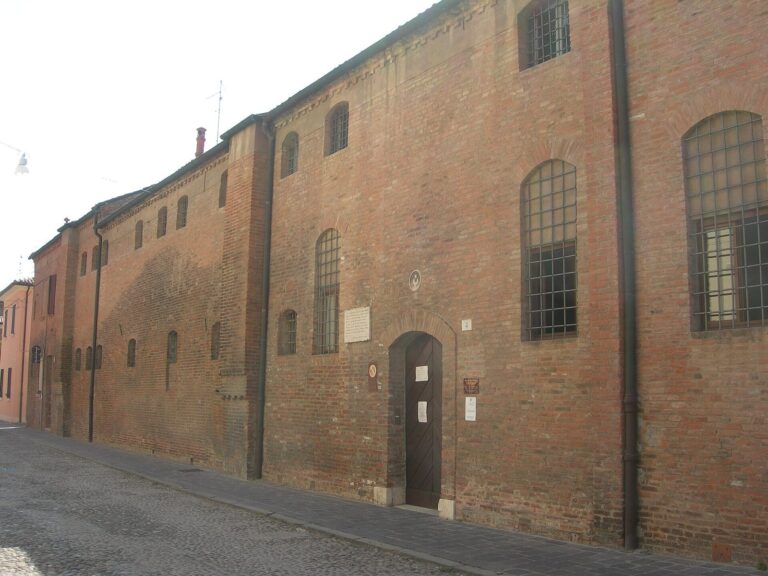
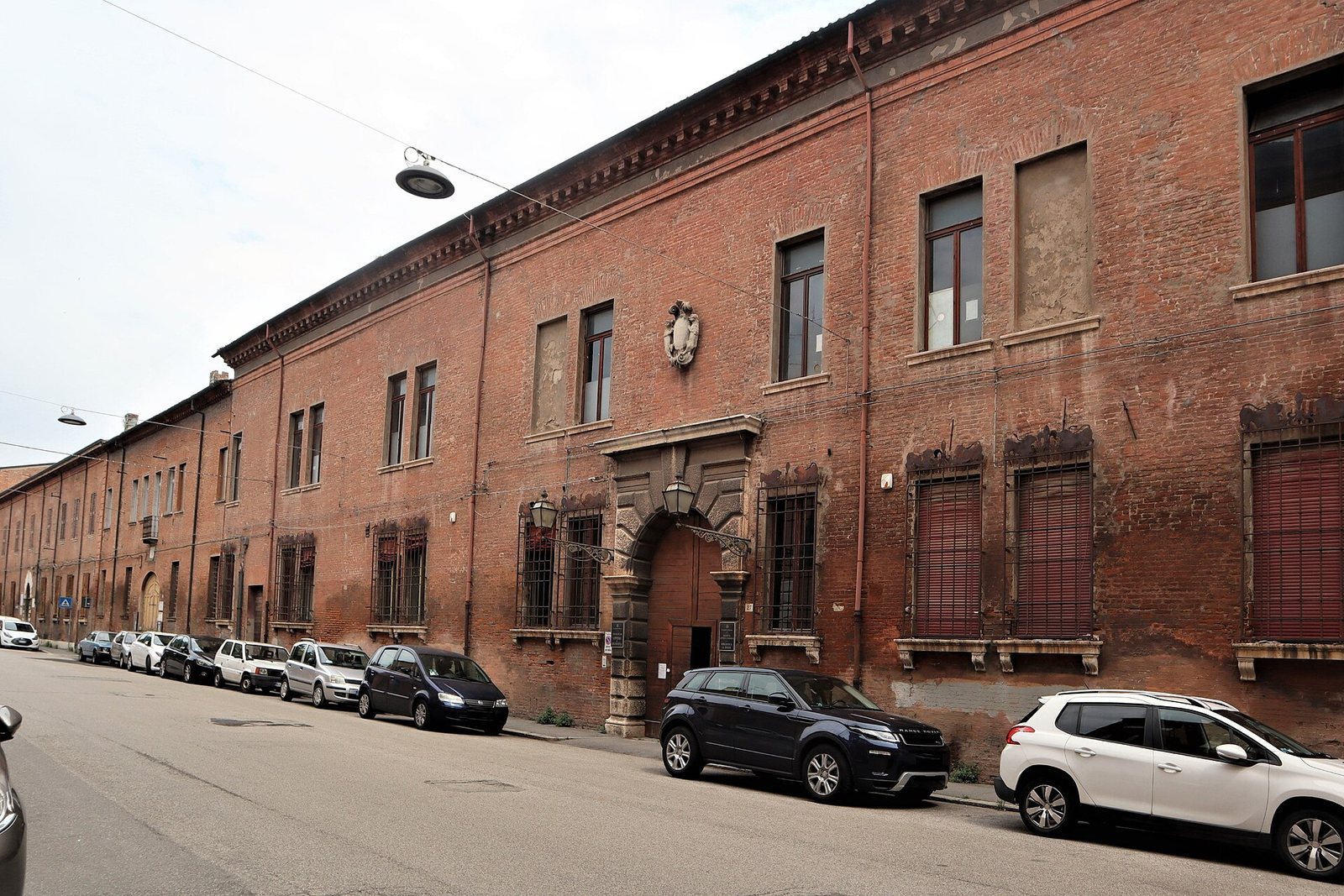
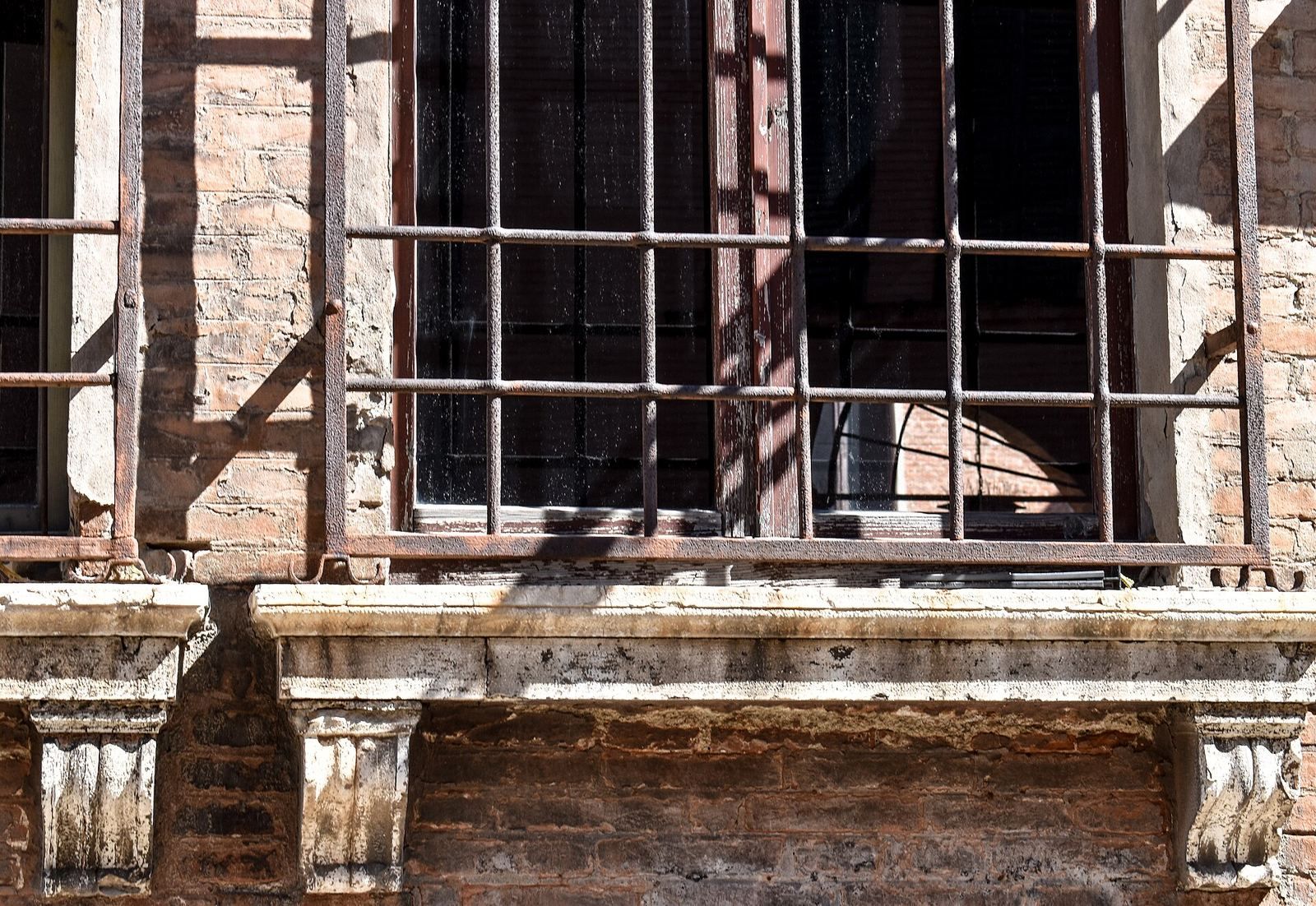
The façade facing Via Savonarola is built of Ferrarese terracotta. Its seventeenth-century entrance has a round arch and masonry with rough-faced blocks and emphasized joints. A family coat of arms appears above the portal, at the level of the principal floor.