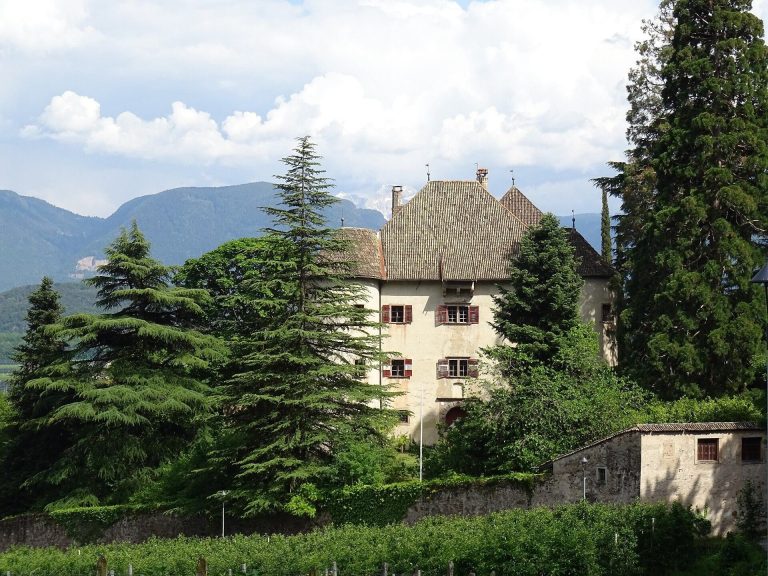
Church of Saint Anthony the Great and Saint Nicholas: Laives Parish Church
Site at a Glance
- Popularity
- Low
- Country
- Italy
- Primary era
- Modern
- Eras represented
- Medieval, Modern
- Civilizations
- Austrian Empire, Habsburg, Holy Roman Empire, Italian
- Site type
- Religious
- Remains
- Church
On this page8 sections
History
The Church of Saint Anthony the Great and Saint Nicholas is the Roman Catholic parish church of Laives, Italy. It is dedicated to Saint Anthony Abbot, an early Christian monk also known as Saint Anthony the Great, and Saint Nicholas, an early Christian bishop of Myra. The church follows the Roman rite, the principal liturgical tradition of the Latin Church, and belongs to the Laives deanery, a grouping of parishes, within the Diocese of Bolzano-Bressanone.
Medieval church
The bell tower had been built by 1250, and the church was mentioned in a document in 1286.
Eighteenth-century transfer
In 1787, parish priest Johann von Kolb moved the Pietà of Pietralba from its pilgrimage sanctuary to the church. A Pietà is a devotional image of Mary mourning Christ after the Crucifixion. The transfer was intended to protect the image amid difficulties associated with ecclesiastical regulations introduced by Joseph II, the Habsburg ruler.
Nineteenth-century rebuilding
In 1852–1853, the old church underwent extensive renovation. Rather than being entirely replaced, it was incorporated into a new building as its apse, the sanctuary end of a church.
Modern changes
Laives planted an American maple near the church in 1908 to mark the 60th anniversary of Emperor Francis Joseph I’s reign. From the 1970s, the community considered enlarging the church. Italian-speaking residents pressed for at least a rectory reserved for them, but Bishop Joseph Gargitter opposed that proposal, seeking to encourage coexistence between the communities. The decision was to enlarge the existing church as a whole. Work started in 2000 and continued for four years. In 2001, the maple was protected for its size, age, and historical importance; the enlarged church was inaugurated in 2004. The tree was felled in 2022 after becoming unstable and dangerous.
Remains
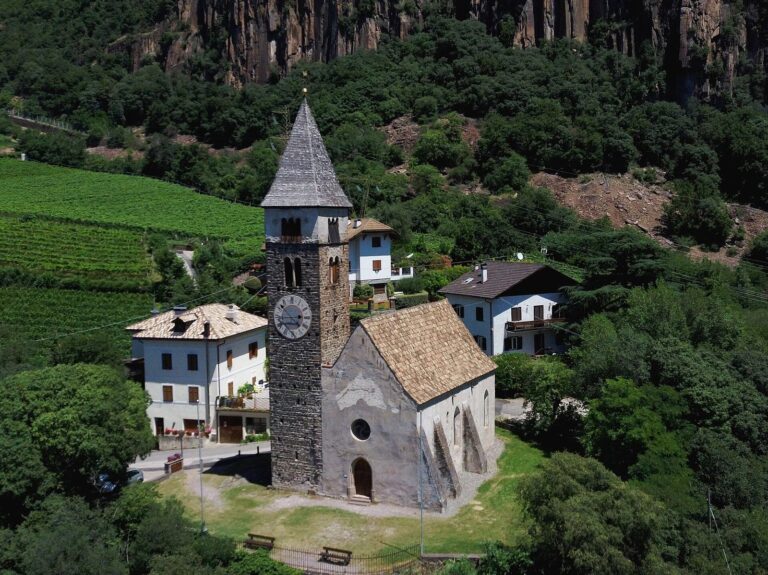
The present church combines a central body with an extension to its north. The older church forms the apse, the sanctuary end of the building, and the bell tower stands beside it.
Exterior
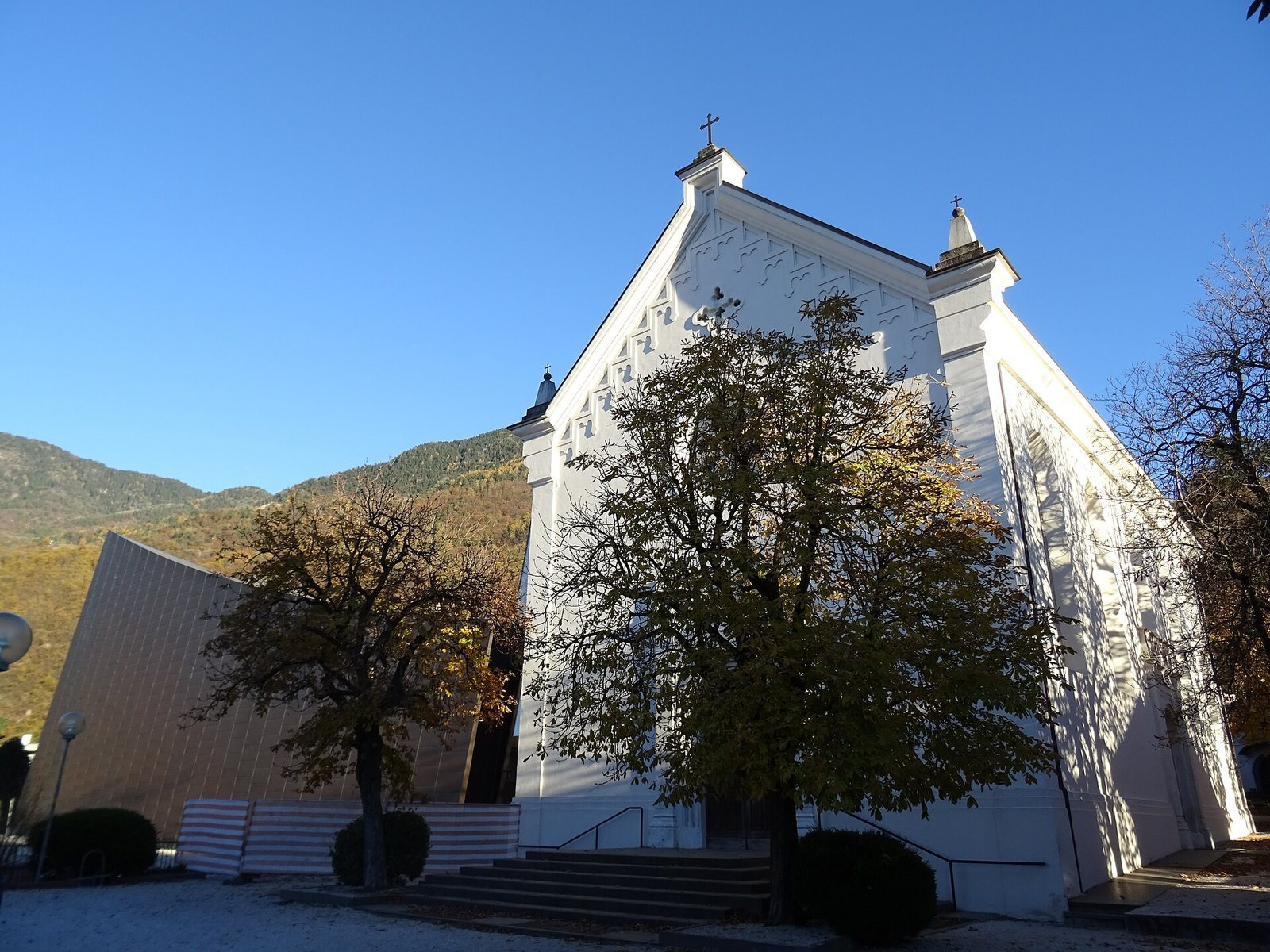
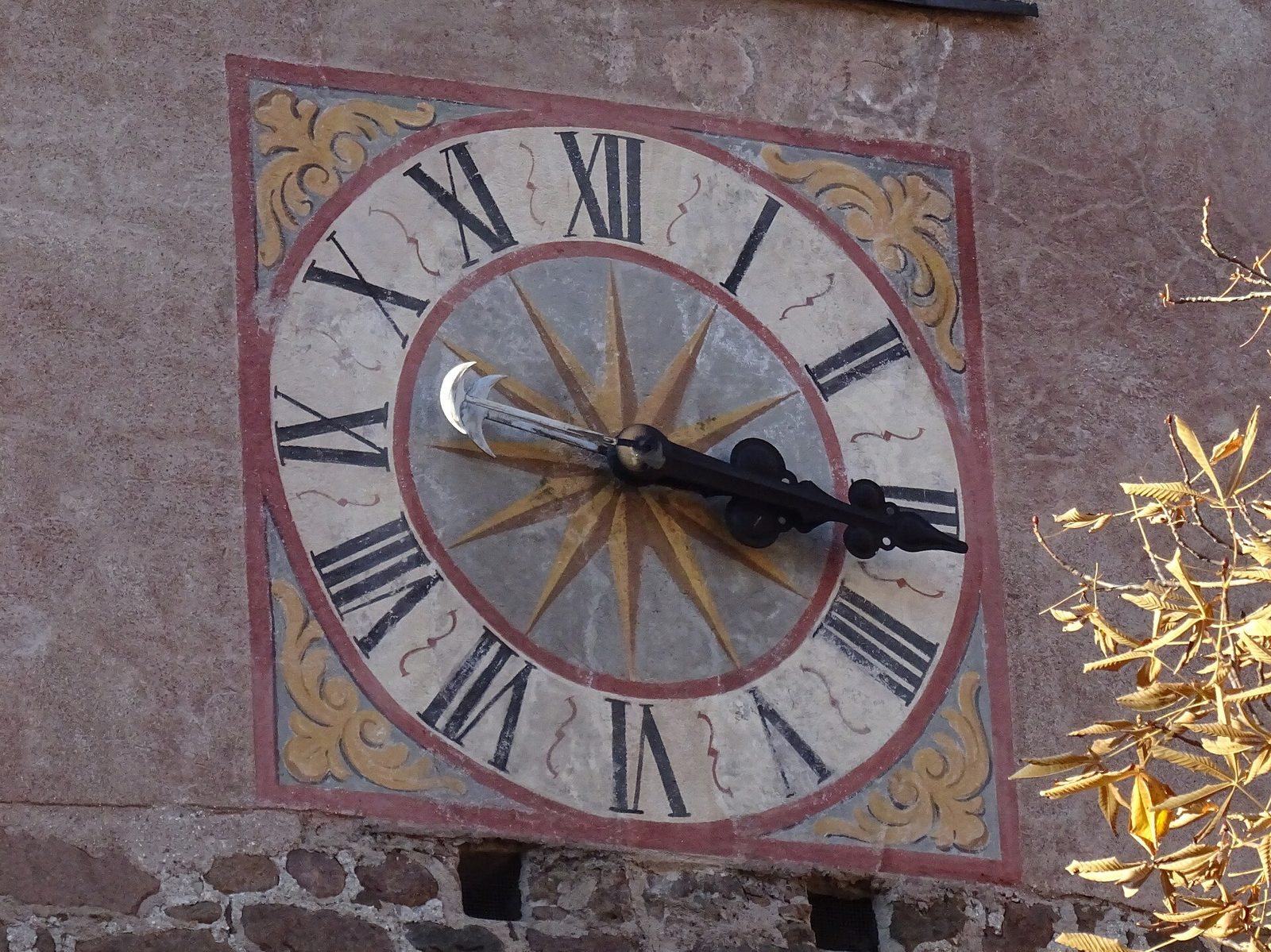
The simple façade has a large round-arched entrance within a classically framed arch, with a broad circular window above it filled with stone latticework. Beside the historic apse, the bell tower has paired and triple-arched windows in the Romanesque style, an early medieval architectural style. Part of its surface is exposed stone and part is plastered. A pyramidal roof tops the tower, with a large clock below the bell chamber.
Interior
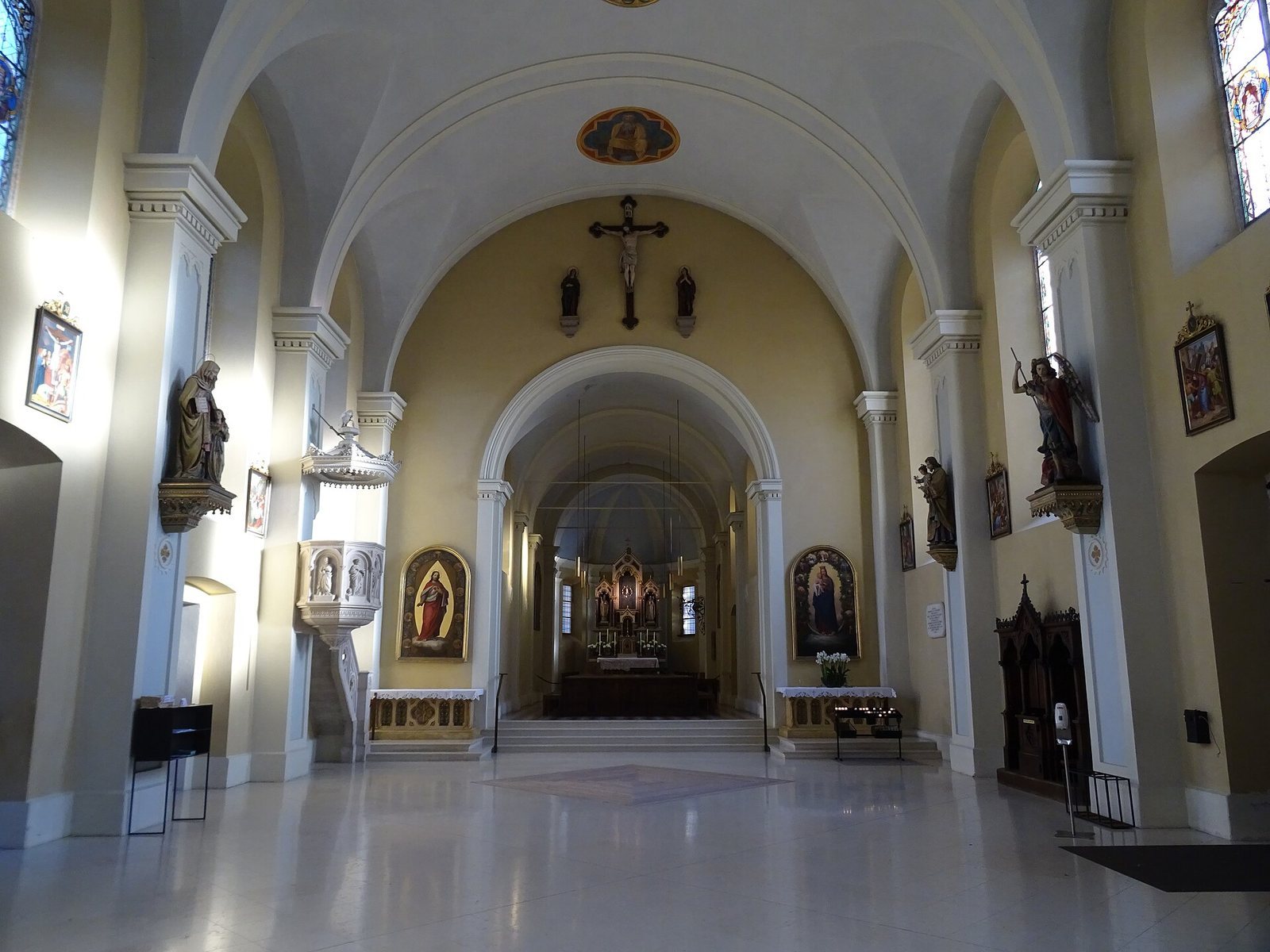
A large cross above the main altar represents the Resurrection of Christ. On an altar in the nave stands the Pietà of Pietralba, a small alabaster statue about 16 centimetres high depicting the Sorrowful Virgin Mary.