Haselburg: A Medieval Hilltop Castle above Bolzano

Site at a Glance
- Rating
- 4.7
- Popularity
- Medium
- Country
- Italy
- Primary era
- Early Modern
- External website
- Open
- Eras represented
- Medieval, Early Modern
- Civilizations
- Holy Roman Empire
- Site type
- Military
- Remains
- Castle
On this page8 sections
History
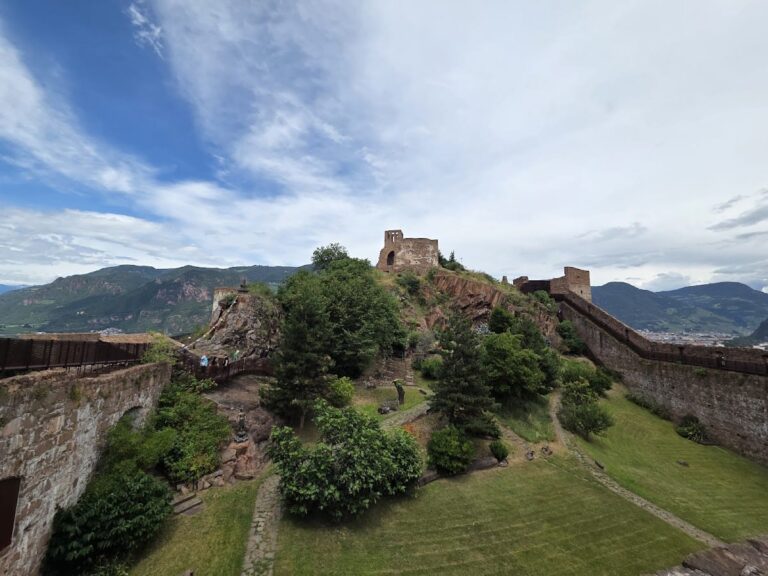
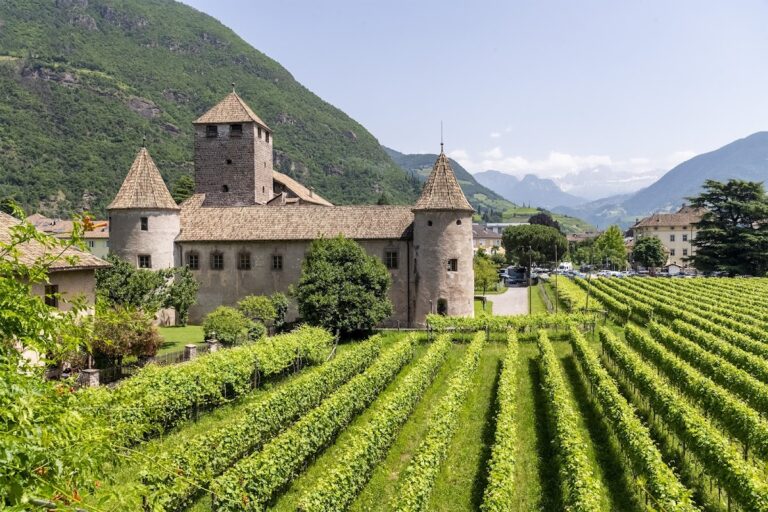
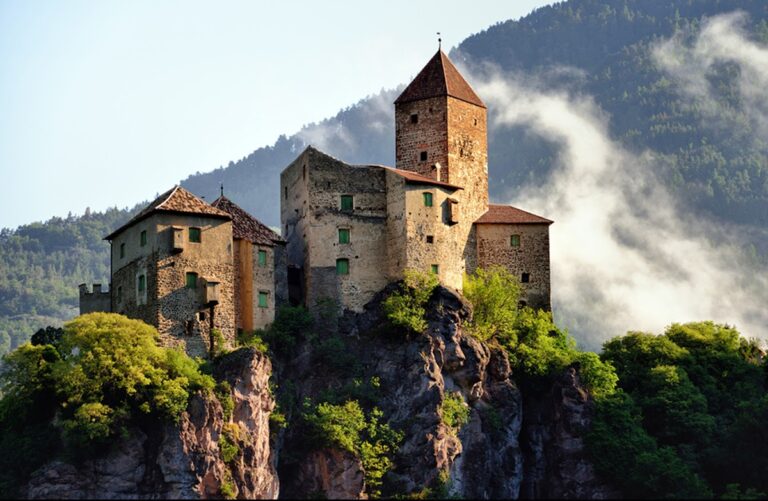
Haselburg, also known as Haselberg, Schloss Küepach, or Castel Flavon, is a medieval hilltop castle in Italy above the Haslach district of Bolzano. The Lords of Haselberg built it during the first decades of the thirteenth century, approximately between 1200 and 1250. Its elevated position reflected both the military concerns and social prestige associated with the relocation of elite residences away from settled areas during the high Middle Ages.
Origins and the Haselberg Lords
Haselburg may have been established on the remains of a pre-Roman Rhaetian hillfort, a fortified settlement or enclosure on elevated ground. The Haselberg family took its name from Haslach and served as ministerials of the Prince-Bishopric of Trent. As members of the medieval service nobility, they held office or land in return for service to an ecclesiastical lord. They also acted as episcopal gastalds, administrative officials exercising delegated authority, and possessed lordship and judicial rights in the Bolzano parish.
In 1259, the Haselbergs sold these rights to Count Meinhard II of Tyrol-Gorizia for a substantial sum. The castle was destroyed around 1300, after which parts of it were rebuilt.
Renaissance transformation and later owners
The Völs family later acquired the castle and substantially altered it between 1475 and 1541. These works established the basic form that survives today. An artificial pond uphill from the castle also belongs to this phase.
Christoph Küepacher, a councillor to Emperor Ferdinand I and secretary of the Imperial Court Chamber under Emperor Maximilian II, acquired Ried Castle near Bolzano in 1549. He was ennobled in 1552 as “von Khuepach.” His son Ferdinand von Khuepach, who later became deputy provincial governor, purchased Haselburg in 1590. The castle remained with the Küepach family until 1730.
Decline, political history, and preservation
After a fire, extensive parts of Haselburg became ruins during the eighteenth and nineteenth centuries. The Counts of Sarnthein later inherited the property, and ownership subsequently passed to the Swiss-Austrian Toggenburg family, which still owns the castle.
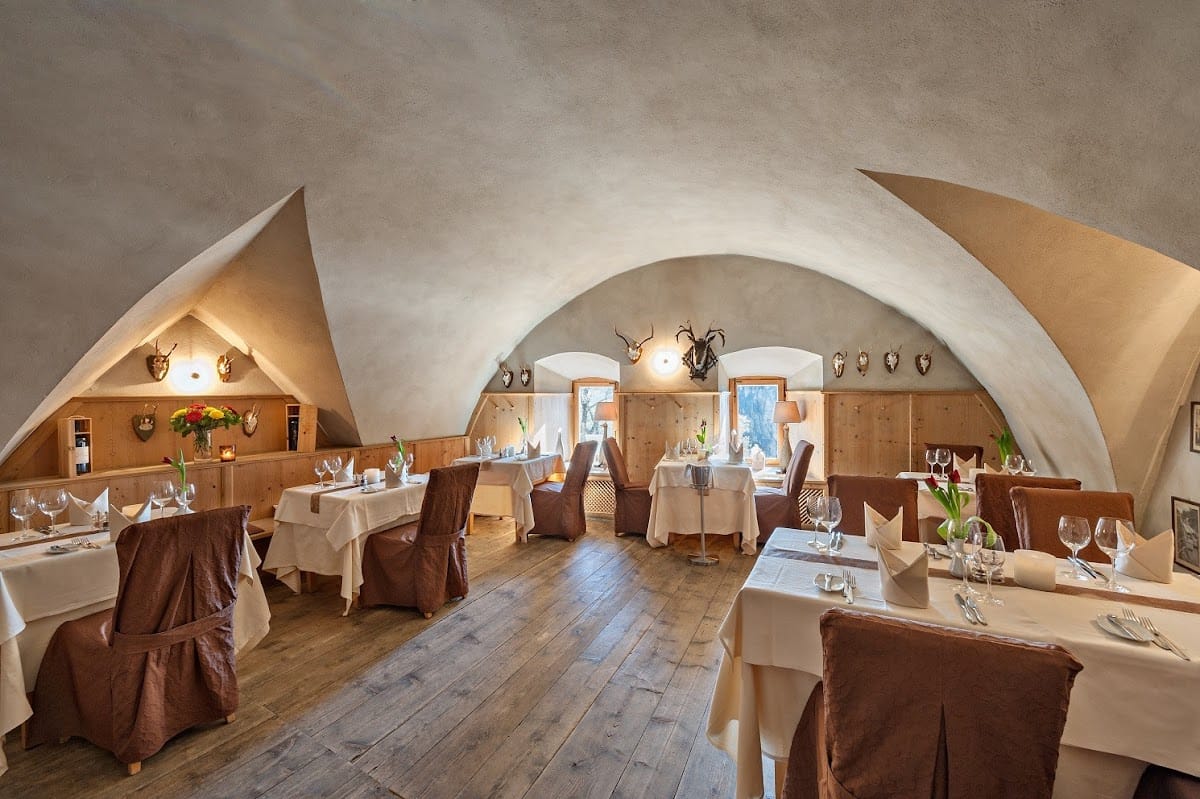
On 18 June 1933, youth groups founded the National Socialist South Tyrolean Home Front at Haselburg. From 1934, the organization was known as the South Tyrolean Völkisch Combat League. The castle is protected as a cultural heritage monument in South Tyrol and as Italian national heritage. It now contains a congress center with an associated restaurant.
Remains
Castle complex and surviving fabric
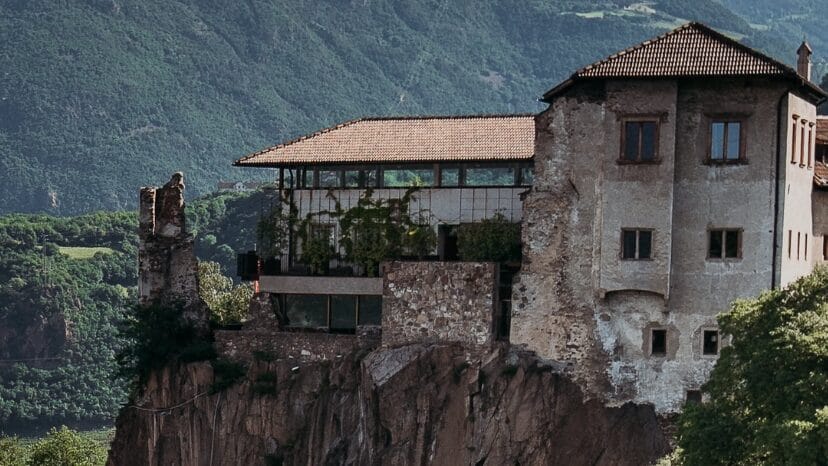
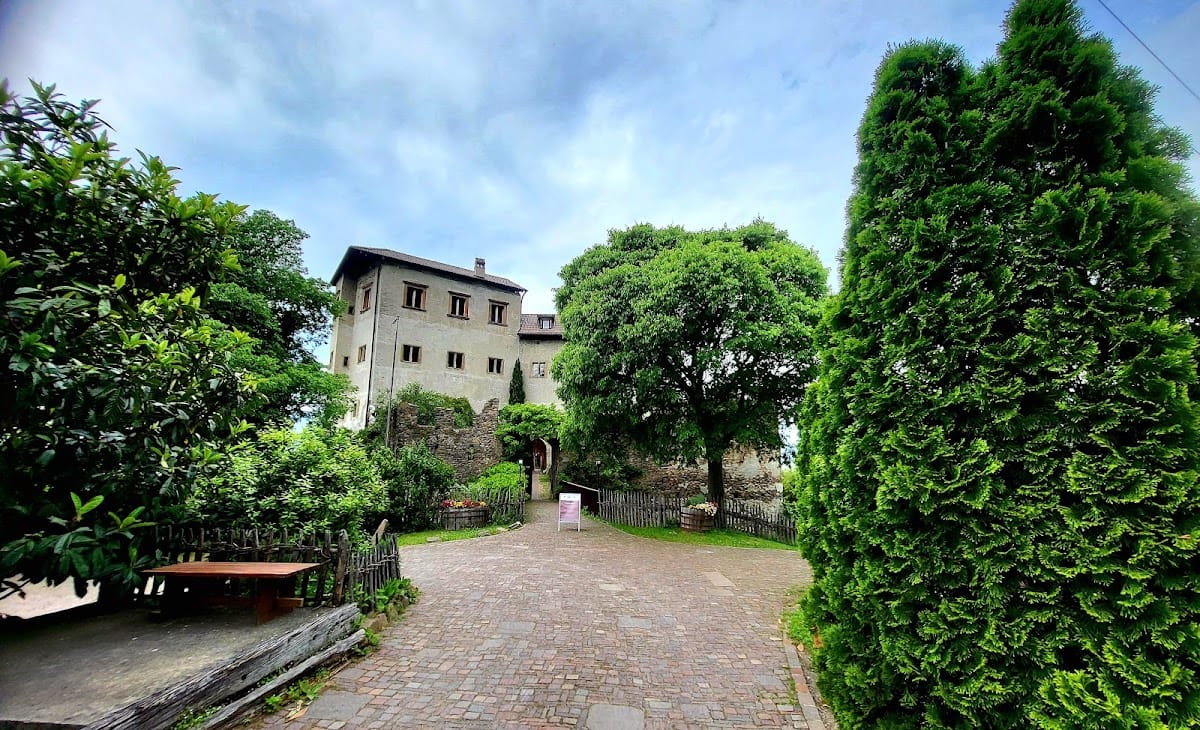
Haselburg is a partially ruined castle on elevated ground above Haslach, overlooking the Bolzano-Oberau municipal cemetery. The wooded Schelmwald extends below the complex and drains through the Schelmbach into the Eisack. The Völs alterations gave the castle its present three-wing arrangement, with the artificial pond positioned uphill from the buildings.
The north wing collapsed in 1880, taking some sixteenth-century frescoes with it. The east and west wings were restored, while the north wing was reinstated during renovation work in 2001 and 2002. These interventions left the castle with a combination of surviving historic fabric, reconstructed elements, and partially ruined areas.
Renaissance frescoes
Numerous Renaissance frescoes remain within the castle. These wall paintings were made on fresh plaster, allowing the pigments to become integrated with the surface. Their subjects include busts of ancient emperors and military commanders, scenes from their lives, and episodes from the myth of Apollo. Bartlmä Dill Riemenschneider, a Renaissance artist and son of the sculptor Tilman Riemenschneider, is among the artists associated with the paintings.
Underground hall and earlier construction
An underground hall revealed traces of the fourteenth-century construction during the 2001 and 2002 renovation. The evidence provides a physical connection between the castle’s rebuilding after its destruction around 1300 and the later forms created by the Völs alterations.