Perehinske Castle: A Fortified Residence in Ukraine
Site at a Glance
- Popularity
- Low
- Country
- Ukraine
- Primary era
- Early Modern
- Eras represented
- Early Modern
- Civilizations
- Polish–Lithuanian Commonwealth
- Site type
- Military
- Remains
- Castle
On this page8 sections
History
Perehinske Castle is a fortified residence in Perehinske, Ukraine, founded by the church leader and political figure Gedeon Balaban between the late sixteenth and early seventeenth centuries. Balaban built it shortly before his death. In the late sixteenth century, while serving as bishop of Halych, Lviv, and Kamianets-Podilskyi, he challenged the Polish government over ownership of estates in Perehinske.
The castle arose amid a broader pattern in which Polish nobles and knights received Ukrainian lands from the king and built estates more defensible than peasant homes. It served to protect the nobility from peasant uprisings and frequent raids by Tatar and Turkish forces.
Remains
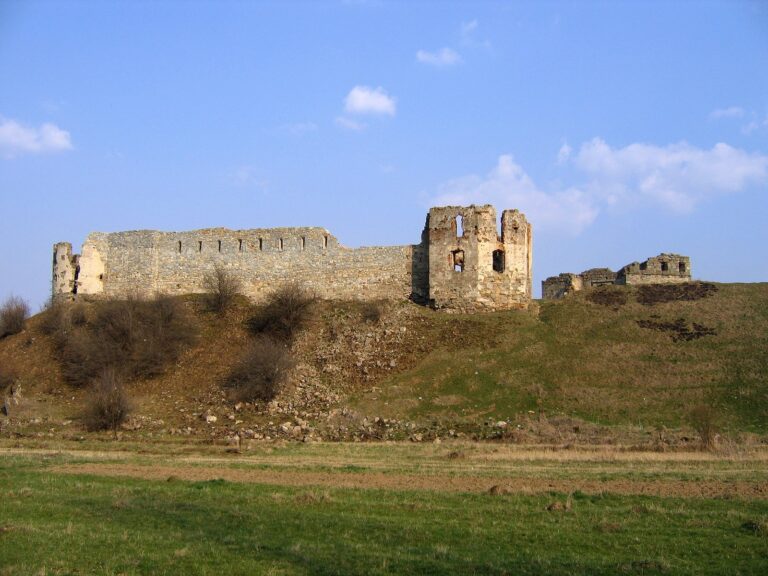
The castle complex was arranged around a central courtyard beside the Mlynivka River, with a fortified boundary, an entrance on the western side, and buildings inside the enclosure. The main castle stood at its center.
Enclosure and entrance
Courtyard and defenses
The courtyard measured 120 metres long and 90 metres wide and was set back from the road. A palisade, a defensive fence made of stakes, enclosed it. Beyond the palisade were a water-filled moat and an earth rampart, a raised defensive bank, with a 45-degree slope. The Mlynivka stream supplied the moat and approached the fortress at an acute angle, preventing the moat from overflowing.
Watchtowers and main gate
Three watchtowers stood along the western side of the fortress. The central tower held the main gate, which was continuously guarded and covered in sheet metal. The gate measured 5 metres wide and 7 metres high.
Buildings within the enclosure
Main castle
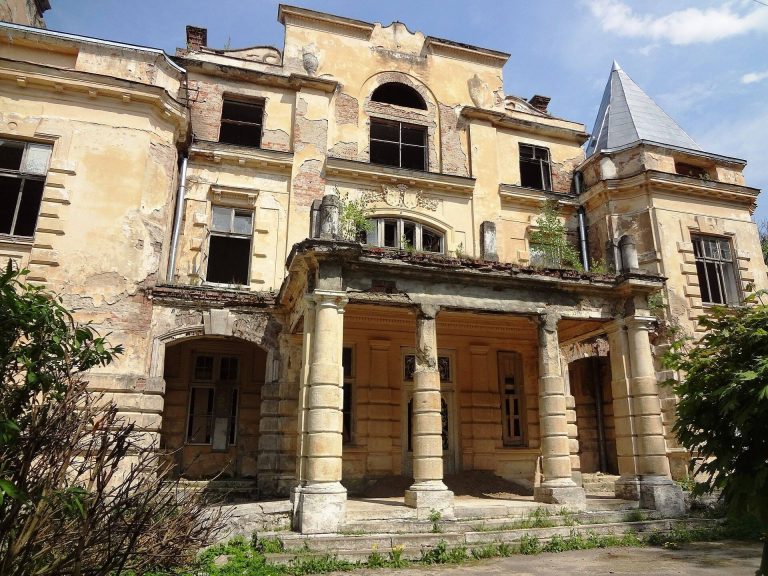
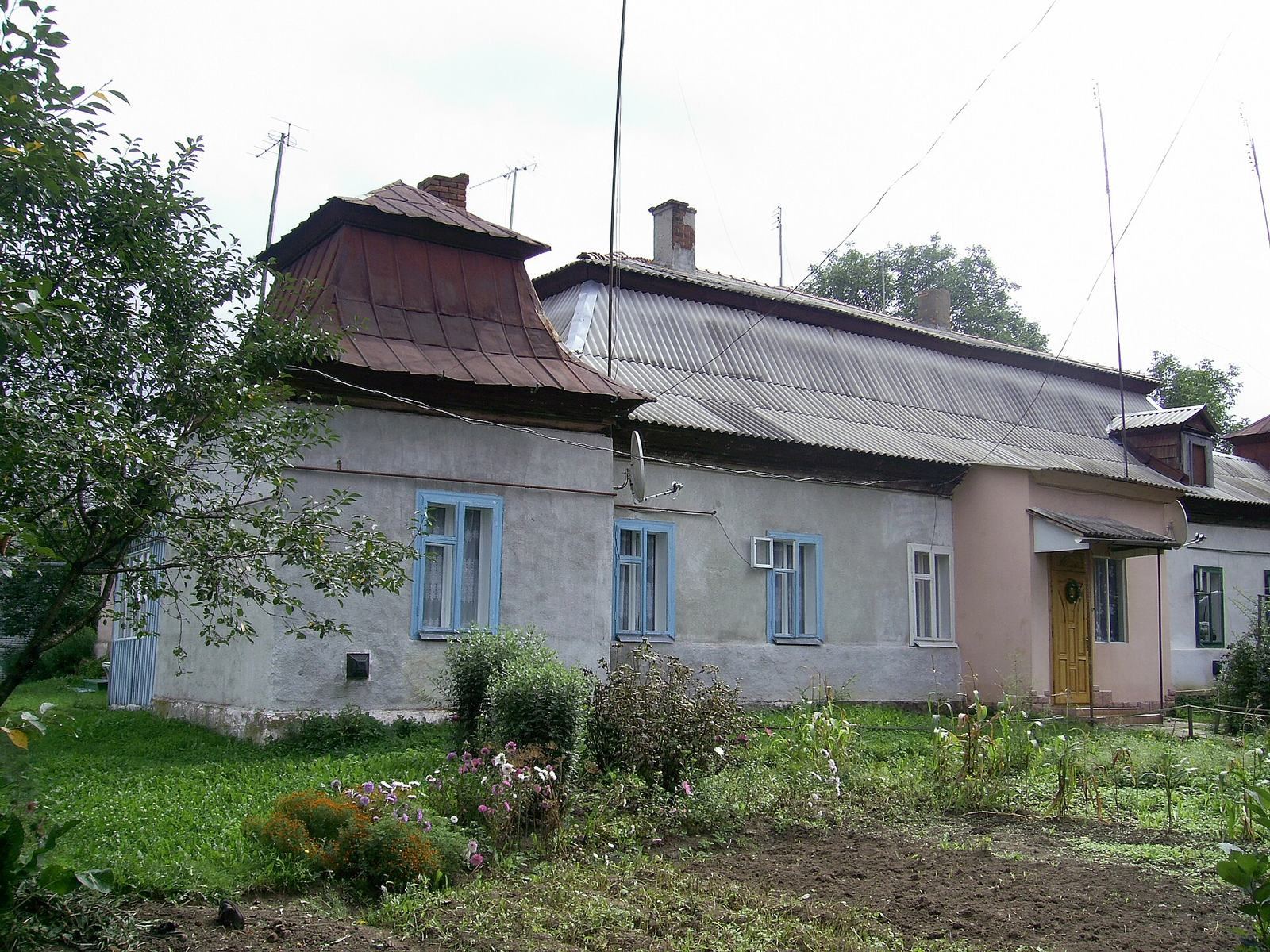
The main castle occupied the center of the enclosure and contained the lord’s chambers. It is the surviving part of the complex and now serves as a private residence for several families.
Service buildings
Two adjoining buildings housed servants and contained a bakery, a tavern, and other service rooms.