Punta Troia Castle: A Norman and Spanish Fortress on Marettimo


Site at a Glance
- Rating
- 4.8
- Popularity
- Low
- Country
- Italy
- Primary era
- Early Modern
- External website
- Open
- Eras represented
- Medieval, Early Modern
- Civilizations
- Kingdom of Sicily, Norman, Spanish
- Site type
- Military
- Remains
- Castle
On this page8 sections
History
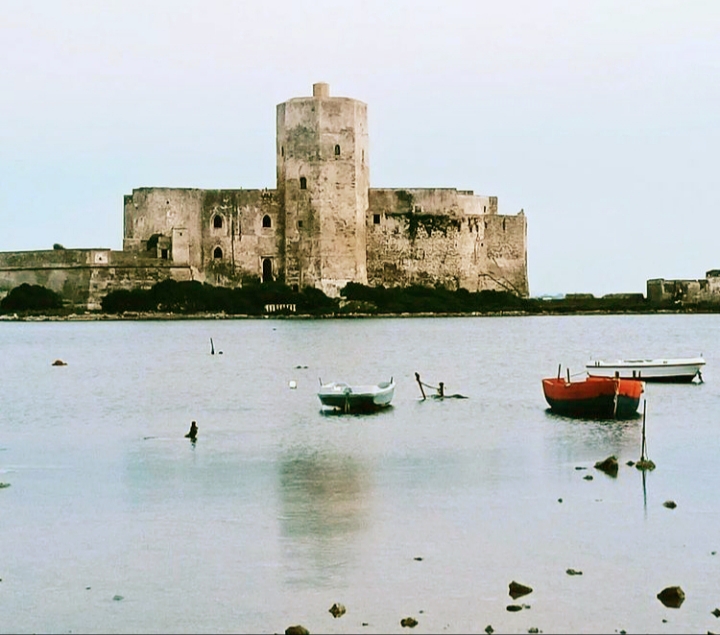
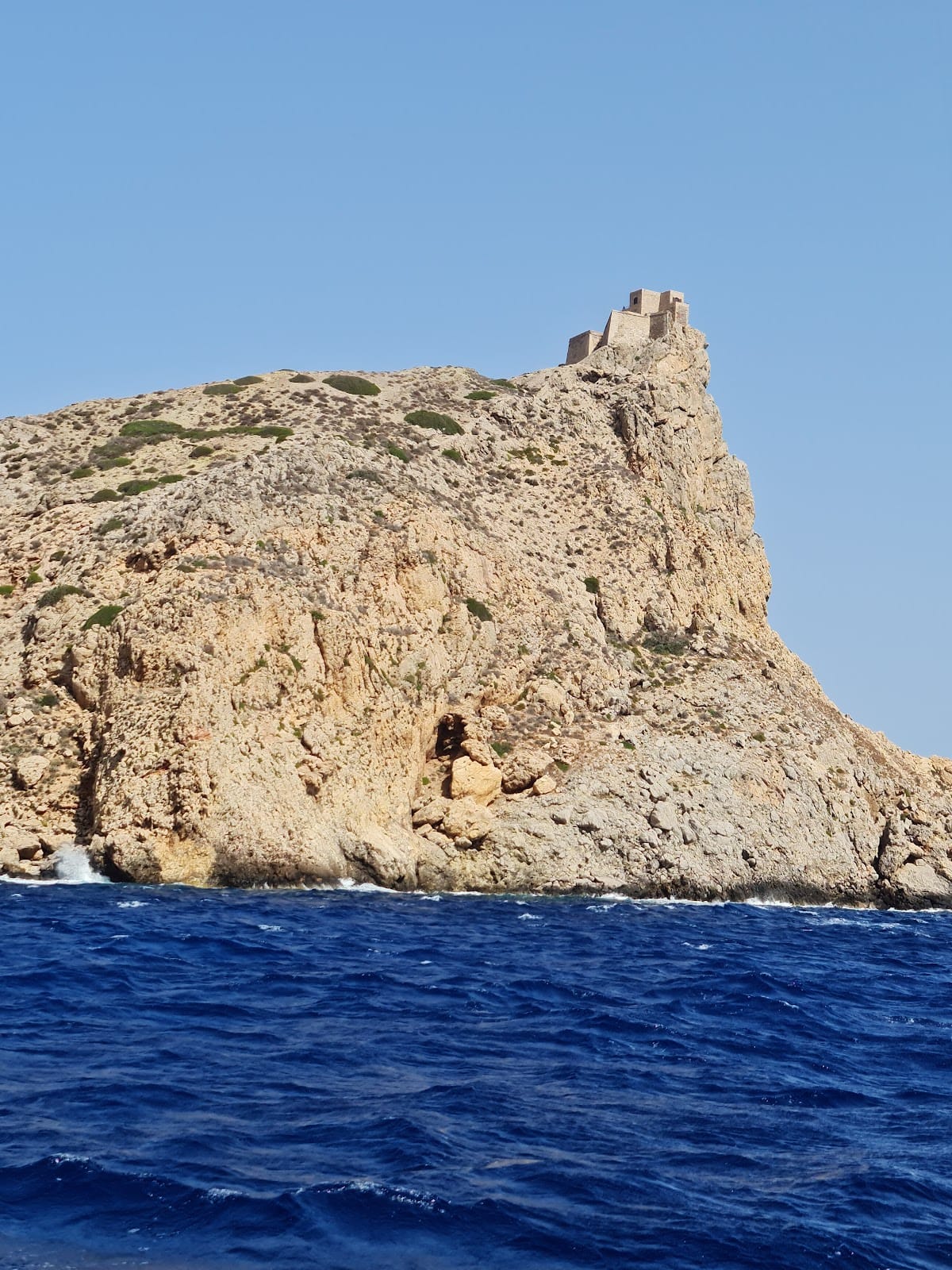
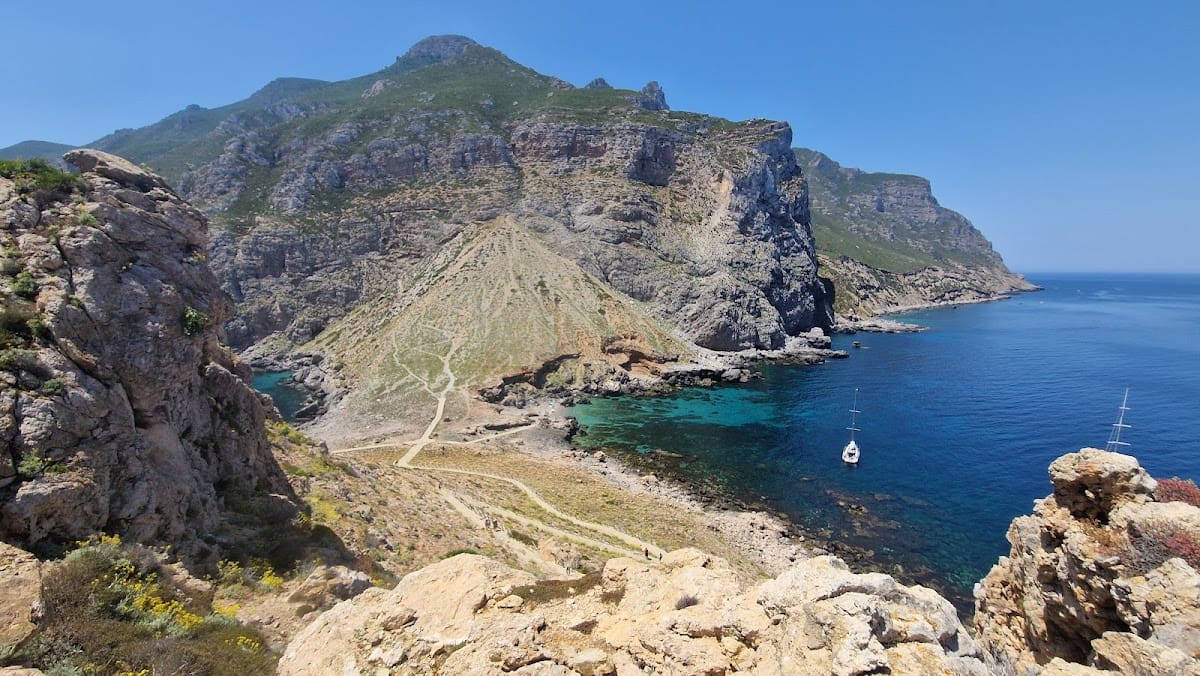
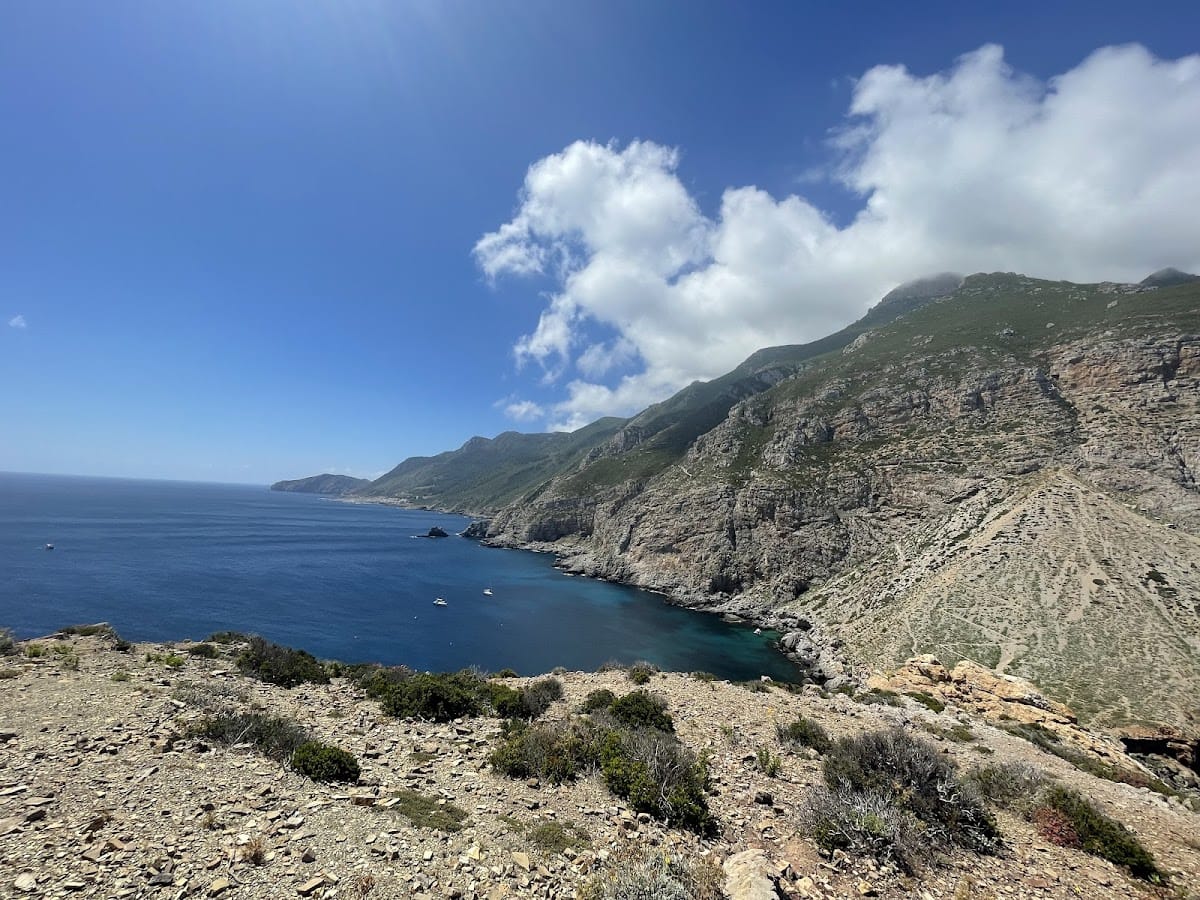
Punta Troia Castle is a Norman and Spanish fortress on Marettimo, Italy, built in stages from the twelfth century to defend the island and the western boundary of the Kingdom of Sicily. It stands on the north side of Marettimo, the westernmost of the Egadi Islands, an archipelago off Sicily’s western coast.
The Norman Tower
Around 1140, Roger II, the Norman ruler who became the first king of Sicily, ordered a tower keep, or fortified tower used as a castle’s principal stronghold, to be built at Punta Troia. The structure served as a strategic garrison and watchtower, protecting Marettimo’s position at the western edge of his kingdom.
The Spanish Castle
During the sixteenth century, Francesco Ferdinando d’Avalos, the Spanish viceroy of Sicily, ordered a new castle on the site of the Norman tower. A viceroy governed territory on behalf of a monarch, and d’Avalos’s project formed part of a wider reorganization of the defenses of the Egadi Islands. The new fortification included a water cistern and a small church. The church remained Marettimo’s principal place of worship until the nineteenth century.
The cistern was later converted by the Spanish into an isolation prison for serious offenses. This penal use gave the castle the nickname “the Pit.” The prison continued operating through the eighteenth century, as the castle’s military importance gradually declined, and its use was renewed during the French Revolution, a period of political upheaval that began in France in 1789. In 1793, the Pit held 52 political prisoners.
Among those confined there was Guglielmo Pepe, a patriot of the Parthenopean Republic, the short-lived republic established in Naples in 1799. After his imprisonment, Pepe described the cistern’s cramped spaces in his memoirs.
Closure, Reuse, and Restoration
In 1844, Ferdinand II of the Two Sicilies inspected Marettimo’s fortifications and ordered Punta Troia Castle to close. The Kingdom of the Two Sicilies was a Bourbon-ruled state in southern Italy that existed from 1816 to 1861. The castle’s detention functions ended after the closure, and the building subsequently fell into neglect.
During the two world wars, the structure was reused as a military observation post and local telegraph station, although it was never directly involved in military operations. After prolonged neglect left it at risk of collapse, the castle was restored between 2009 and 2011 and reopened to the public in 2011. It now houses a small Prison Museum and the “Foca Monaca” marine observatory, which monitors Marettimo’s Protected Marine Area, a designated sea zone managed for conservation. Punta Troia Castle is recognized as Italian national heritage.
Remains
Punta Troia Castle occupies a narrow strip of land connecting Punta Troia with the rest of Marettimo, approximately 116 metres above sea level. Its irregular plan reflects successive phases of construction and alteration. Improvements probably made during the seventeenth century gave the complex much of the form visible today. The restored building extends across two floors, with a lower level formed by a single room and a staircase leading upward. The upper floor is reached through an entrance hall and a small passage, followed by another short staircase that leads to a terrace and several rooms.
Fortress Interior and Religious Space
The Pit
The sixteenth-century castle incorporated a cistern approximately seven metres deep. After its conversion into an isolation prison, this confined underground space became known as the Pit. Its later historical importance comes from its penal function and from Guglielmo Pepe’s memoir description of the cramped conditions. The former cistern remains part of the castle’s physical story as a prison space within the wider fortification.
The Castle Church
A small church formed part of the sixteenth-century construction. It served as the principal place of worship for the island until the nineteenth century, linking the defensive complex to the religious life of Marettimo. The church belongs to the castle’s Spanish phase and was one of the principal functions incorporated into the rebuilt fortress.