Desmond Castle: A Fortified Customs House in Kinsale, Ireland


Site at a Glance
- Rating
- 4.1
- Popularity
- Low
- Country
- Ireland
- Primary era
- Early Modern
- External website
- Open
- Eras represented
- Early Modern
- Civilizations
- English
- Site type
- Military
- Remains
- Castle
History
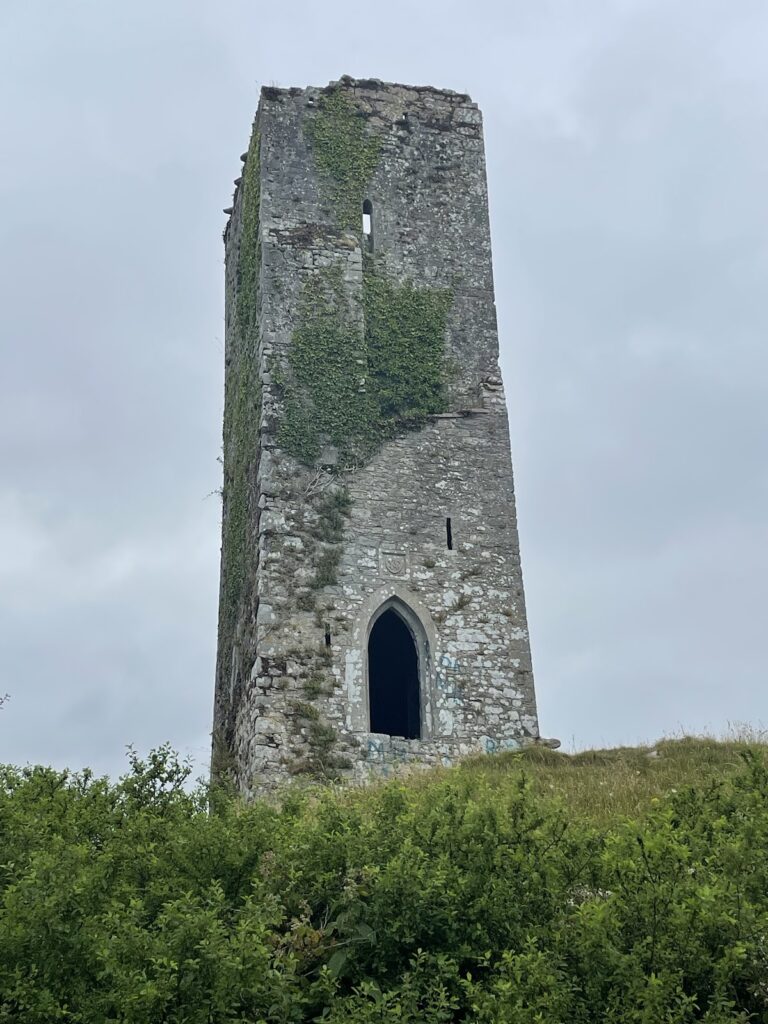
Desmond Castle is a fortified tower house in Kinsale, Ireland, built around 1500 by Maurice FitzGerald, 9th Earl of Desmond. The late-medieval building probably replaced an earlier structure and was constructed as Kinsale’s Customs House after King Henry VII granted the customs of Kinsale port to the Earls of Desmond in 1497.
The castle continued as a Customs House until 1641, when a new one was built. It was then converted into a naval prison, holding mainly French and Spanish prisoners. This use gave the building its local name, the “French Prison.” Desmond Castle is also associated with the Siege of Kinsale of 1601–1602, a conflict during the Nine Years’ War in Ireland.
A fire in January 1747 killed 54 prisoners. In 1791, James Kearney, a Member of Parliament, donated the castle to the town of Kinsale. It served as the town gaol until 1846 and was later used as a workhouse during the Great Famine, the catastrophic Irish famine of the 1840s caused principally by repeated potato-crop failures.
The castle passed into national government hands in 1938 and was later restored by the Office of Public Works, the Irish state body responsible for managing and conserving many government heritage properties. In 1997, the International Museum of Wine was added to the building. Operated by the Order of the Wine Geese, an association of Irish emigrants and their descendants linked with wine production and the international wine trade, the museum presents Ireland’s historical connections with that trade. Desmond Castle, also known as the French Prison, is a National Monument of Ireland.
Remains
Desmond Castle survives as a tower house, a fortified and vertically arranged stone residence characteristic of late-medieval Ireland. It was built as a fortified Customs House, and its stated materials include limestone, slate, red brick, wrought iron, timber, and glass. An earlier castle or structure is believed to have occupied the site, although its form and date are not specified. The surviving building’s later restoration and continuing use as the setting for the International Museum of Wine reflect its long transformation from a customs building into a prison, gaol, workhouse, and museum.