Castles in Lebanon: Explore Coastal Towers, Citadels and Cliffside Strongholds
Castles in Lebanon occupy coastal towns, river valleys and steep inland ridges. The collection includes large citadels as well as smaller forts whose rooms were fitted onto narrow rock outcrops. Tripoli, its coastal district of al-Mina, Mseilha and Beaufort provide examples of substantial defensive masonry, vaulted interiors and gateways altered by successive builders.
Primary Function: All
Type: All
Civilization: All
Popularity: All
Rating: All
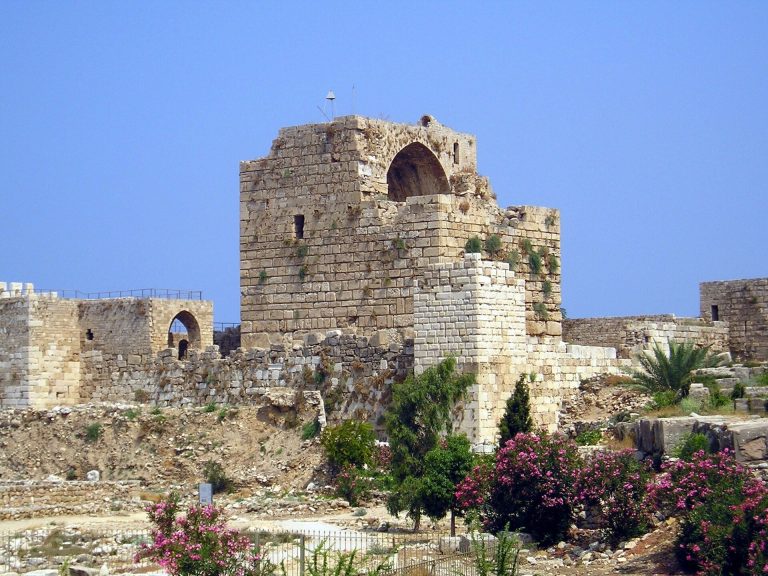
Byblos Castle is a medieval Crusader fortress built after the conquest of Byblos in 1103. Its layered defenses, Embriaco lordship, later conflicts,…
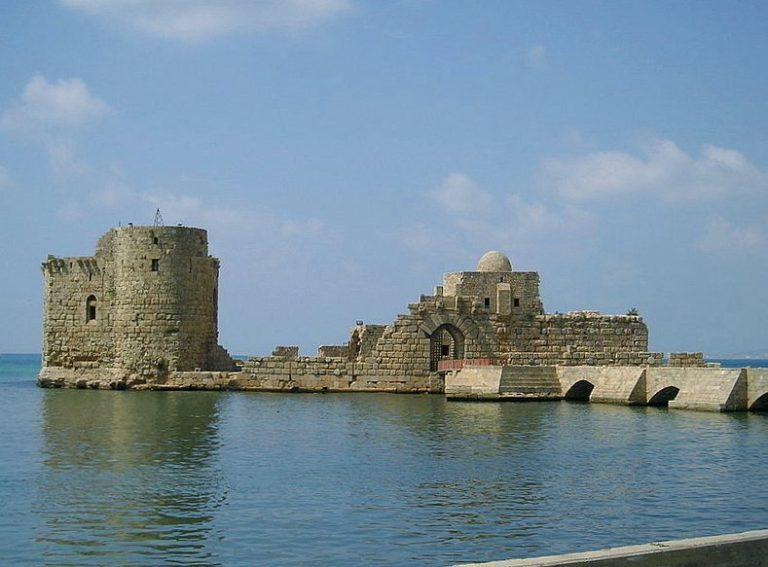
Sidon Sea Castle is a thirteenth-century Crusader fortress built on a small island to defend Sidon’s harbor, incorporating earlier Phoenician and…
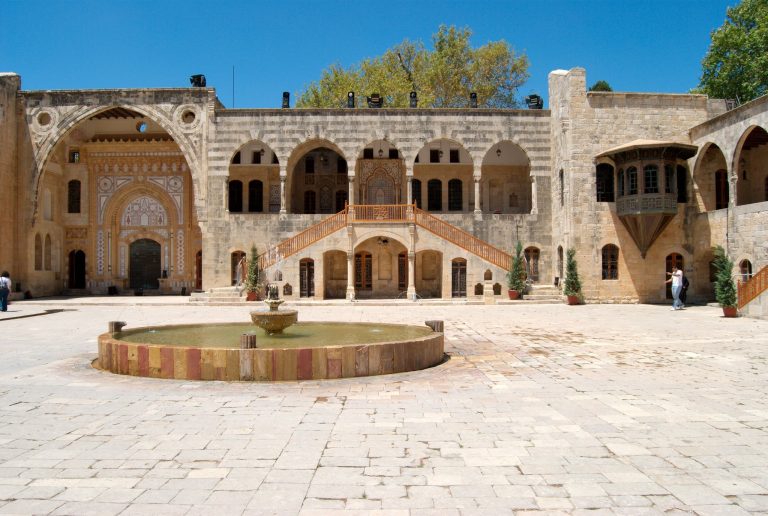
Beiteddine Palace in Lebanon was built by Emir Bashir II between 1788 and 1818 and became the governmental center of the Mount Lebanon Emirate. Its…
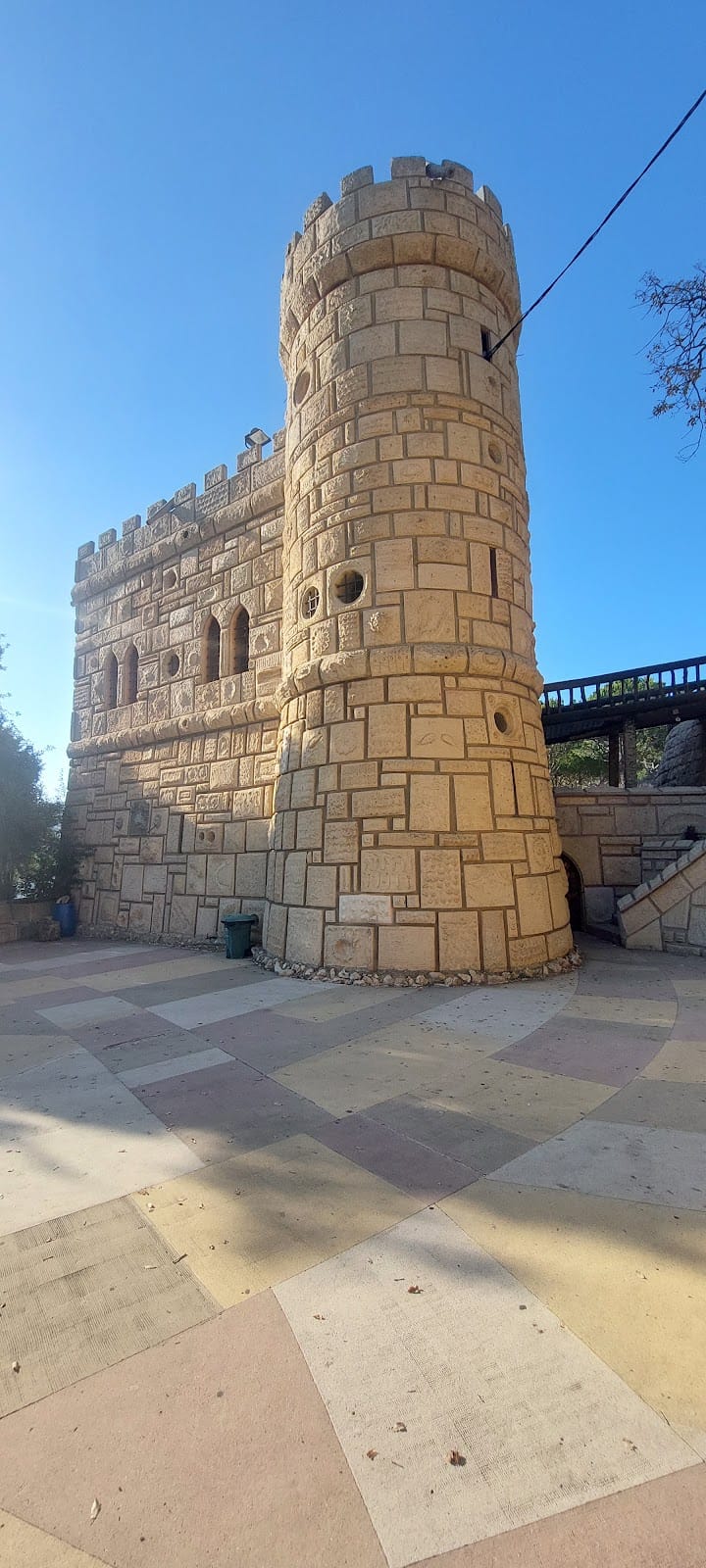
Moussa Castle is a twentieth-century pseudo-medieval castle between Deir el-Qamar and Beit ed-Dine, built over several decades by Moussa Abdel Karim…
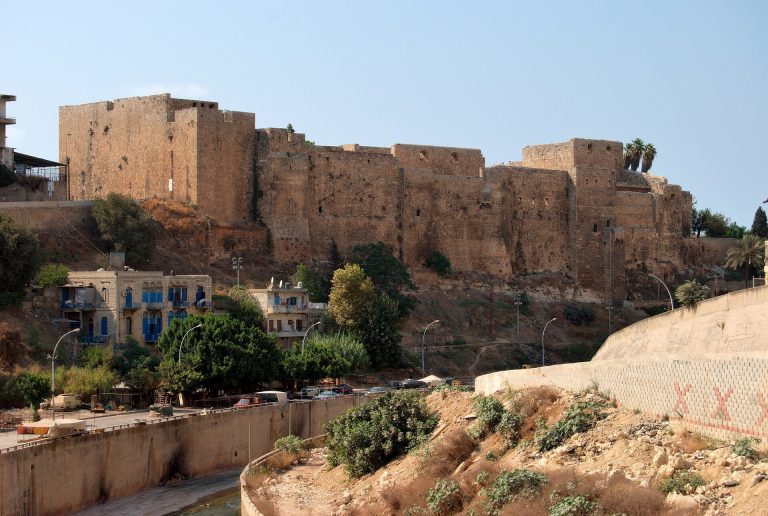
The Citadel of Tripoli reflects successive Persian, Islamic, Crusader, Mamluk, and Ottoman phases, with surviving defenses, water systems, earlier…
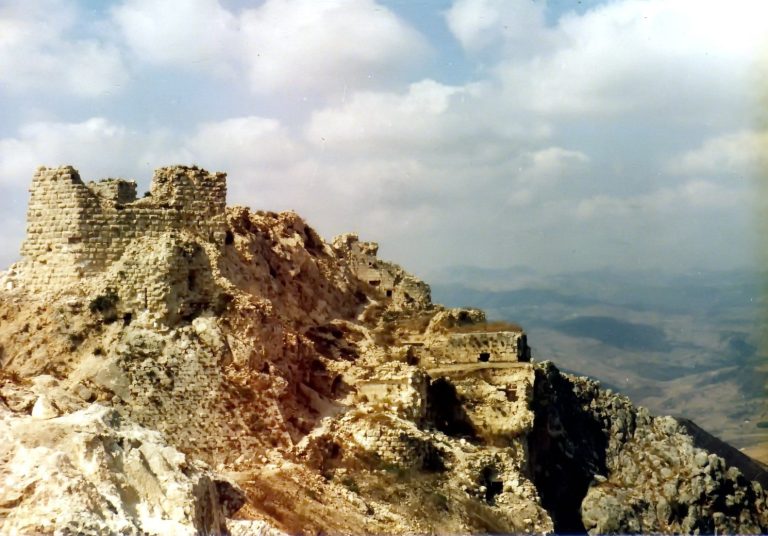
Beaufort Castle is a strategic medieval fortress in southern Lebanon whose history spans the Crusader, Ayyubid, Mamluk, Ottoman, and modern conflict…

Mseilha Fort commands the Nahr al-Jaouz valley near Hamat, reflecting the strategic importance of routes around Ras ash-Shaq'a and the building…
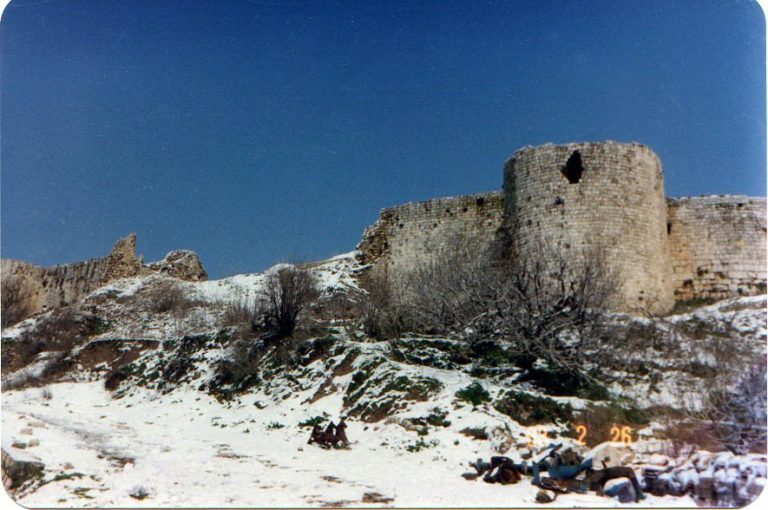
Toron in Tebnine was a major Crusader fortress built in 1106 on the route between Tyre and Damascus. It served as the center of the Lordship of Toron…
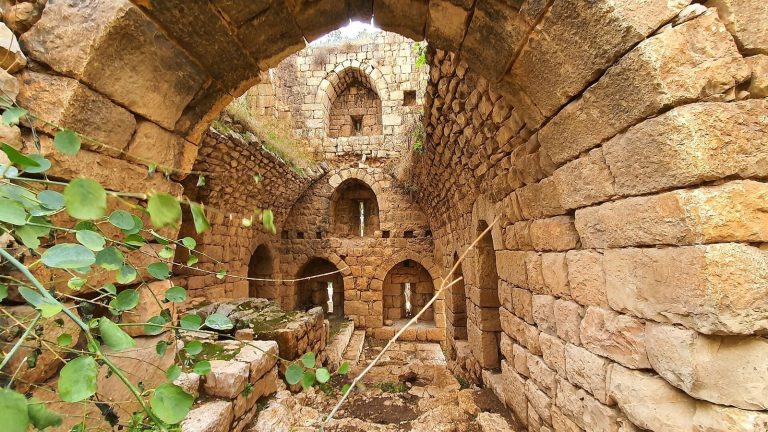
Doubay Castle is a multi-period fortress near Meiss El Jabal and Shaqra in southern Lebanon. Built or renewed during the Crusader period, it…
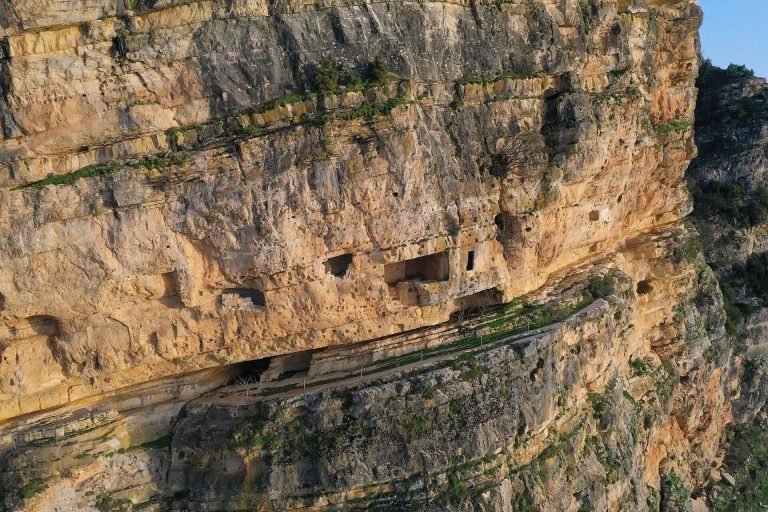
Fortress of Niha is a mountain cave fortress that controlled routes between Sidon, the Beqaa, and the Chouf. Expanded by Crusaders and later rebuilt…
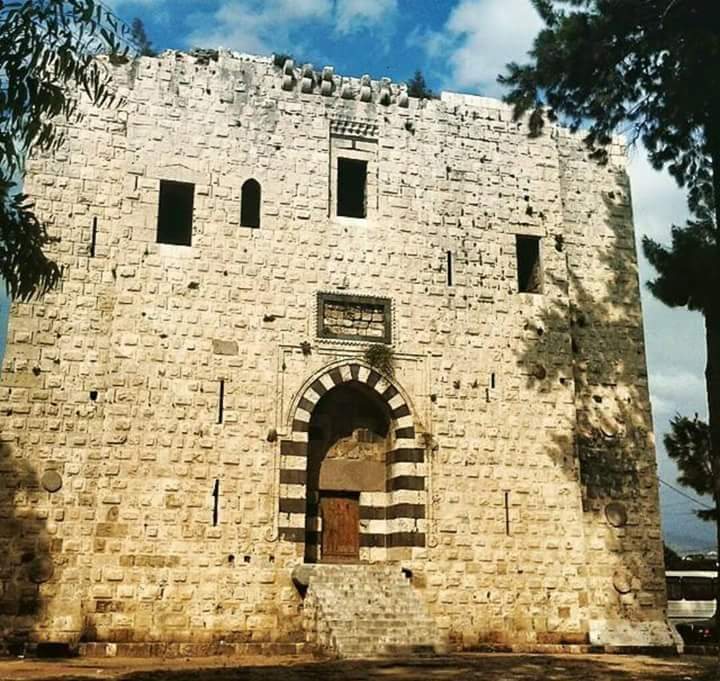
Lion Tower, also called Barsbay Tower, is a largely intact Mamluk fortress at the eastern end of Tripoli harbor in northern Lebanon. Its defensive…
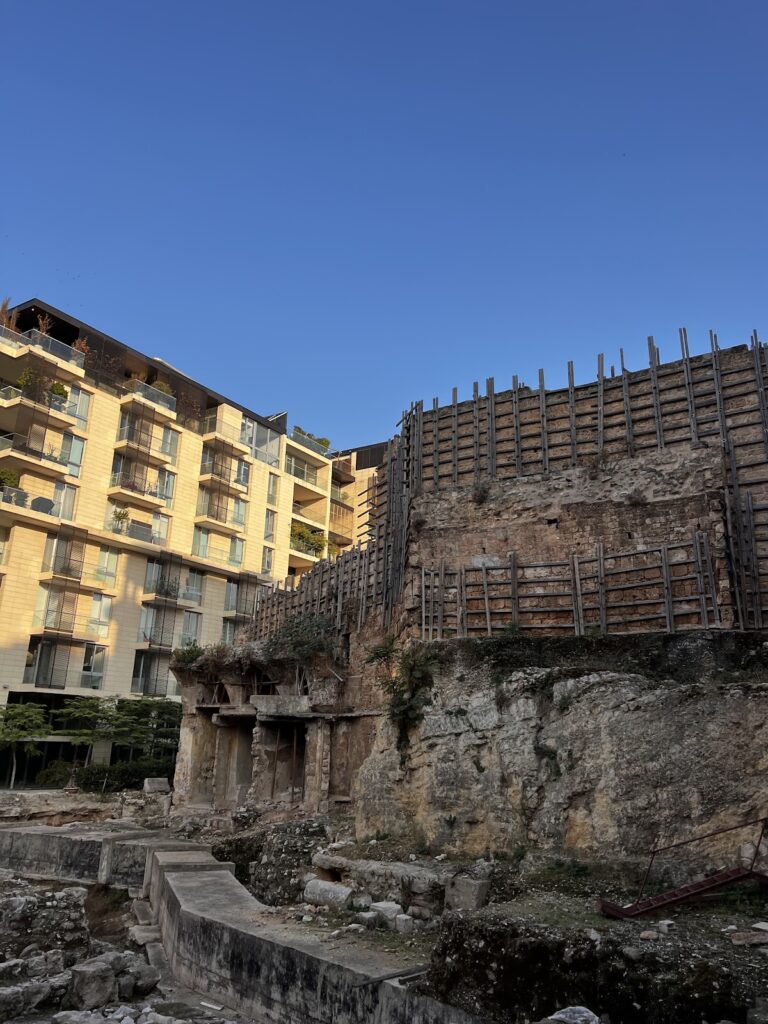
Beirut Castle was a medieval coastal fortress associated with the Crusader conquest of Beirut, later used by Mamluk and Ottoman authorities before…
For details on how to use the maps, which sites are included, how popularity and ratings are determined, and how sites are classified, see the help page.
On this page5 sections
Tripoli Citadel: gates, vaulted rooms and water storage
The Citadel of Tripoli occupies a hill above the city. Its irregular enclosure contains successive defensive lines, towers and an entrance protected by a bridge and rock-cut ditch. Crusader, Mamluk and Ottoman building phases contributed to the complex, rather than producing a single uniform circuit.
An inscription records work under the Ottoman sultan Suleiman in the sixteenth century. Within the walls, rooms served storage, stabling, bathing and worship, while cisterns helped supply the garrison. These spaces show how the citadel supported prolonged occupation. Its heavy outer masonry enclosed the equipment and daily activities needed to maintain a defended position above the city.
Lion Tower: a vaulted coastal strongpoint
At al-Mina, Lion Tower presents a more compact defensive building. Its rectangular mass is faced with dressed limestone, and the entrance uses alternating dark and light stone. Reused granite columns were laid horizontally through parts of the walls to reinforce the masonry.
Inside, the lower hall is divided by pillars and wall supports into six groin-vaulted compartments. Rainwater channels fed a cistern below the floor. The upper level includes a prayer niche and barrel-vaulted recesses, bringing accommodation and worship into a structure designed for coastal defence. This Mamluk tower formed part of a network protecting Tripoli’s harbour against attacks from the sea.
Mseilha Fort: rooms fitted to a narrow rock
Mseilha Fort stands on a long, narrow limestone outcrop beside the Nahr al-Jaouz. A steep stair cut against the rock reaches the northern entrance, where a low arch opens into a vaulted passage and a small triangular court. The restricted summit dictated an unusually elongated arrangement.
Sandstone walls enclose chambers set along the outcrop. An archery chamber faces west, while vaulted bays and storage spaces occupy the southern side. Higher rooms and a tower stand towards the east. A cistern supported occupation within the enclosure. These features explain the fort as a sequence of working spaces fitted to the rock, rather than as a symmetrical courtyard castle. Its later construction should also be distinguished from the Crusader origins of some other Lebanese strongholds.
Beaufort Castle: an upper keep and lower hall
Beaufort Castle rises above the Litani valley, with an upper enclosure to the west and a lower area on the eastern side. The southern entrance lies near the junction of the two. A square keep occupies the upper stronghold, while a large vaulted hall belongs to the lower complex.
The defensive walls and towers took advantage of the ridge, concentrating protection where access was possible. Successive medieval occupants altered the castle, and modern military use and damage were followed by restoration work. Its surviving and repaired masonry is therefore a record of several building periods. The distinction between the elevated keep and the lower hall remains a useful way to understand how defence and accommodation were arranged across the site.
Explore the collection
Explore sites on the map or in the grid. Map icons reflect each site’s primary function, helping you identify different kinds of places at a glance. Narrow this collection by primary function, by a site type within the castle and residence group, or by civilization and era. Additional filters cover popularity and rating. Select a map marker to view the site’s details and open its article, or open the article from its grid entry.