Kotsubo Kofun: An Ancient Burial Mound in Kobe, Japan
Site at a Glance
- Popularity
- Very Low
- Country
- Japan
- Primary era
- Classical
- Eras represented
- Classical
- Civilizations
- Yamato
- Site type
- Burial
- Remains
- Burial Mound
History
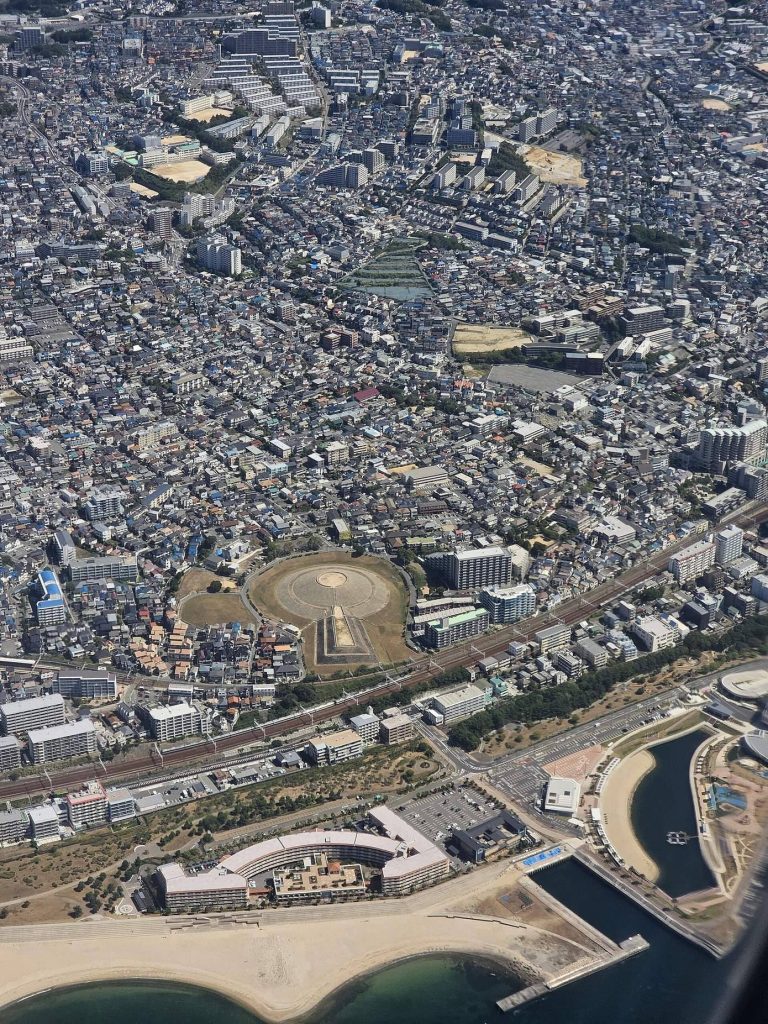
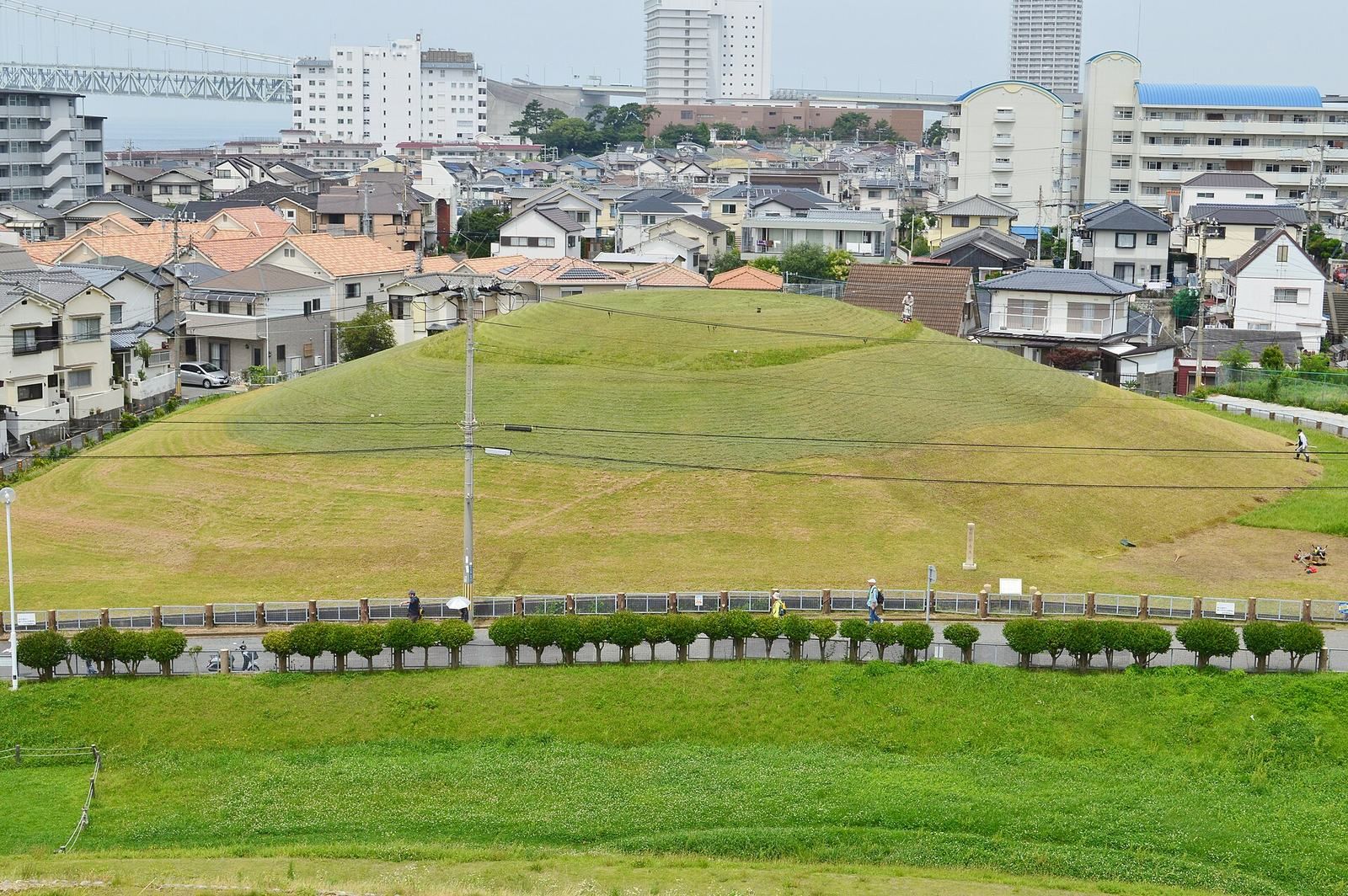
Kotsubo Kofun is an ancient Japanese burial mound in Kobe, Hyogo, Japan, dating to the late fourth or early fifth century. It belongs to the same broad period as nearby Goshikizuka Kofun, which lies to its east, though the order in which the two mounds were built is unknown. The name Kotsubo, meaning “Little Jar,” is understood as a contrast with Goshikizuka’s alternative name, Sentsubo, or “Thousand Jars.”
Kotsubo was included with Goshikizuka in a National Historic Site designation in 1921, and the protected area was enlarged in 1974, 1979, and 2006. Surveys conducted from 1982 to 1993 established the extent of the surrounding archaeological area. In 2010, a group of 328 finds from the two sites was designated tangible cultural property of Kobe City.
Remains
Mound and surrounding features
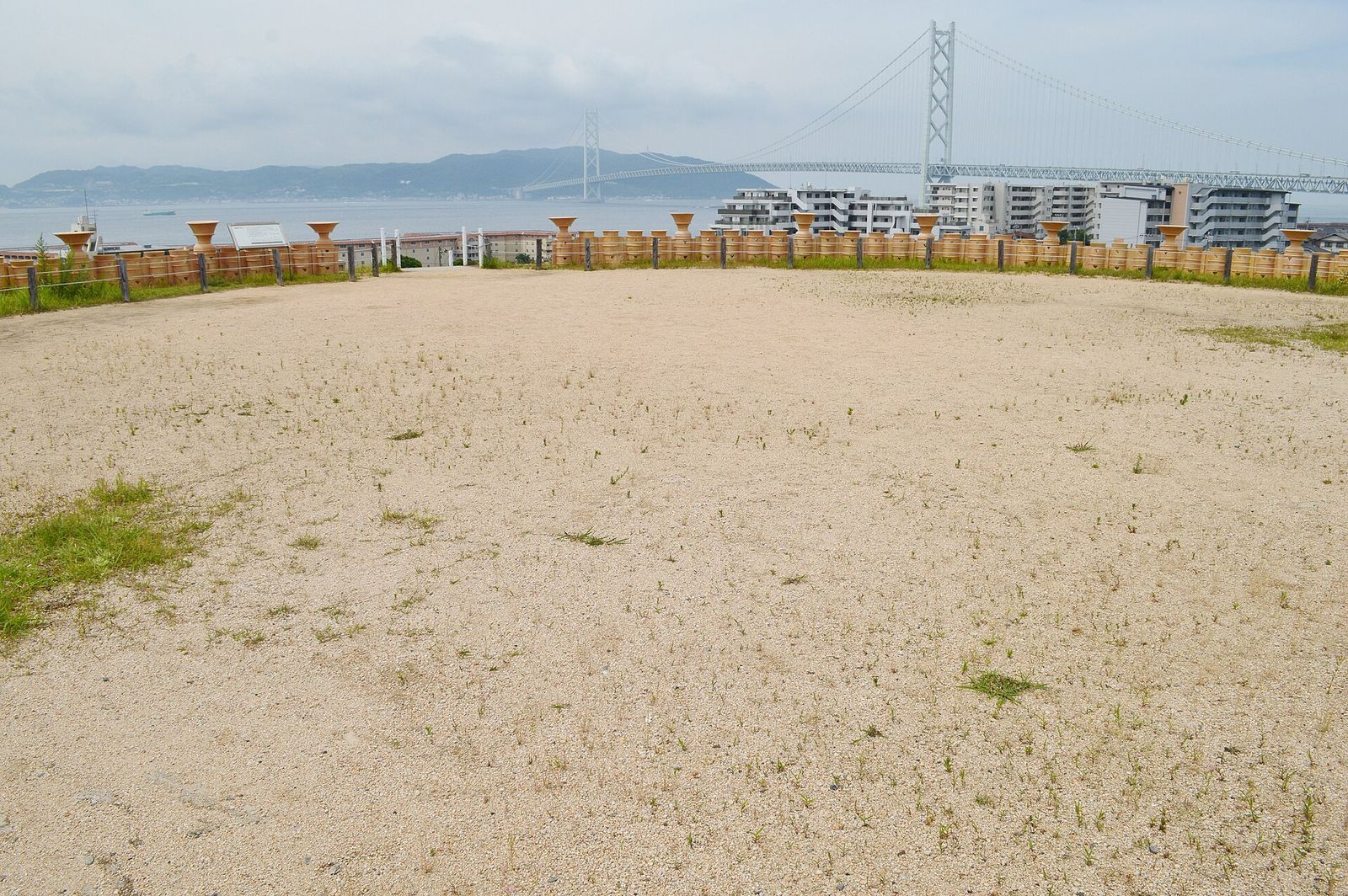
The circular mound is surrounded by a moat, crossed by a causeway-like passage on its north side. Its original form had two tiers, with a lower diameter of 70 metres, an upper diameter of 43 metres, and a height of about 8.5 metres. Because the mound extends beneath surrounding roads, its protected form is now a single tier shaped with added earth. Rows of haniwa, clay objects placed on or around burial mounds, are estimated to have numbered about 320. Finds from Kotsubo include cylindrical and morning-glory-shaped haniwa, as well as figures shaped like houses, quivers, and umbrellas. The combined group of finds from Kotsubo and Goshikizuka is held at the Kobe City Archaeological Center.