Leaning Tower, Rijeka: A 14th-Century Bell Tower
Site at a Glance
- Rating
- 4.5
- Popularity
- Medium
- Country
- Croatia
- Primary era
- Medieval
- Eras represented
- Classical, Medieval, Modern
- Civilizations
- Austria-Hungary, Habsburg, Holy Roman Empire, Hungarian, Roman
- Site type
- Religious
On this page5 sections
History
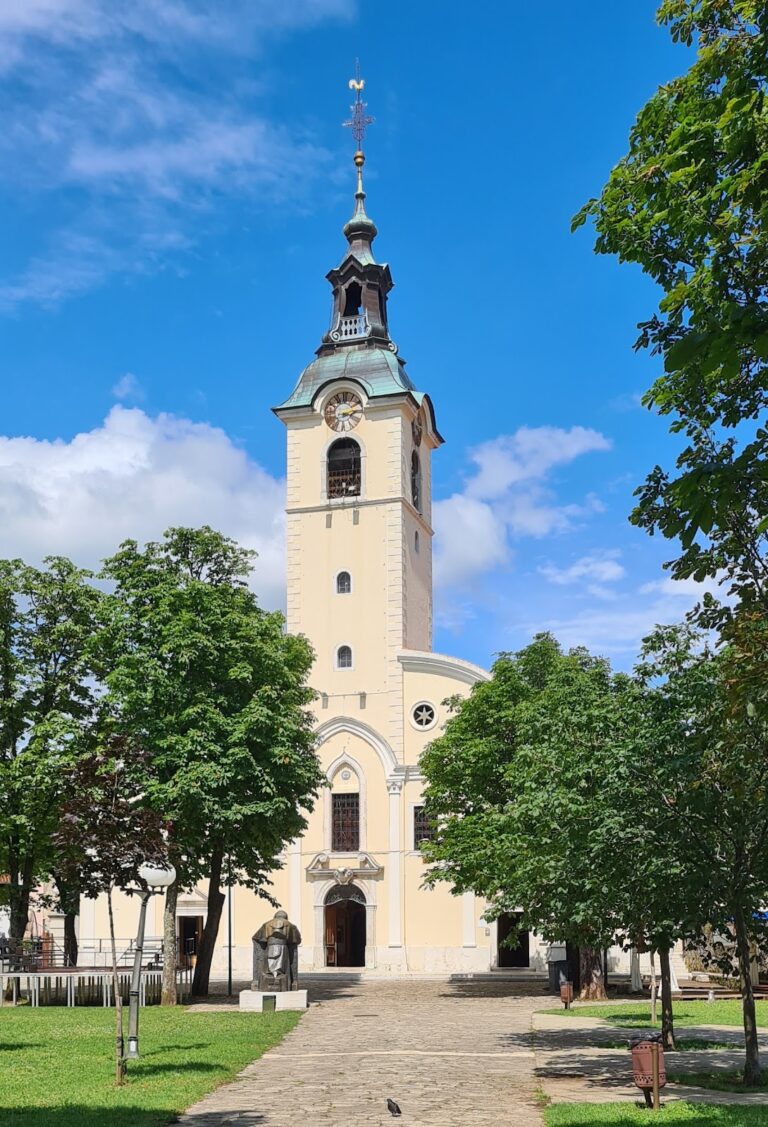
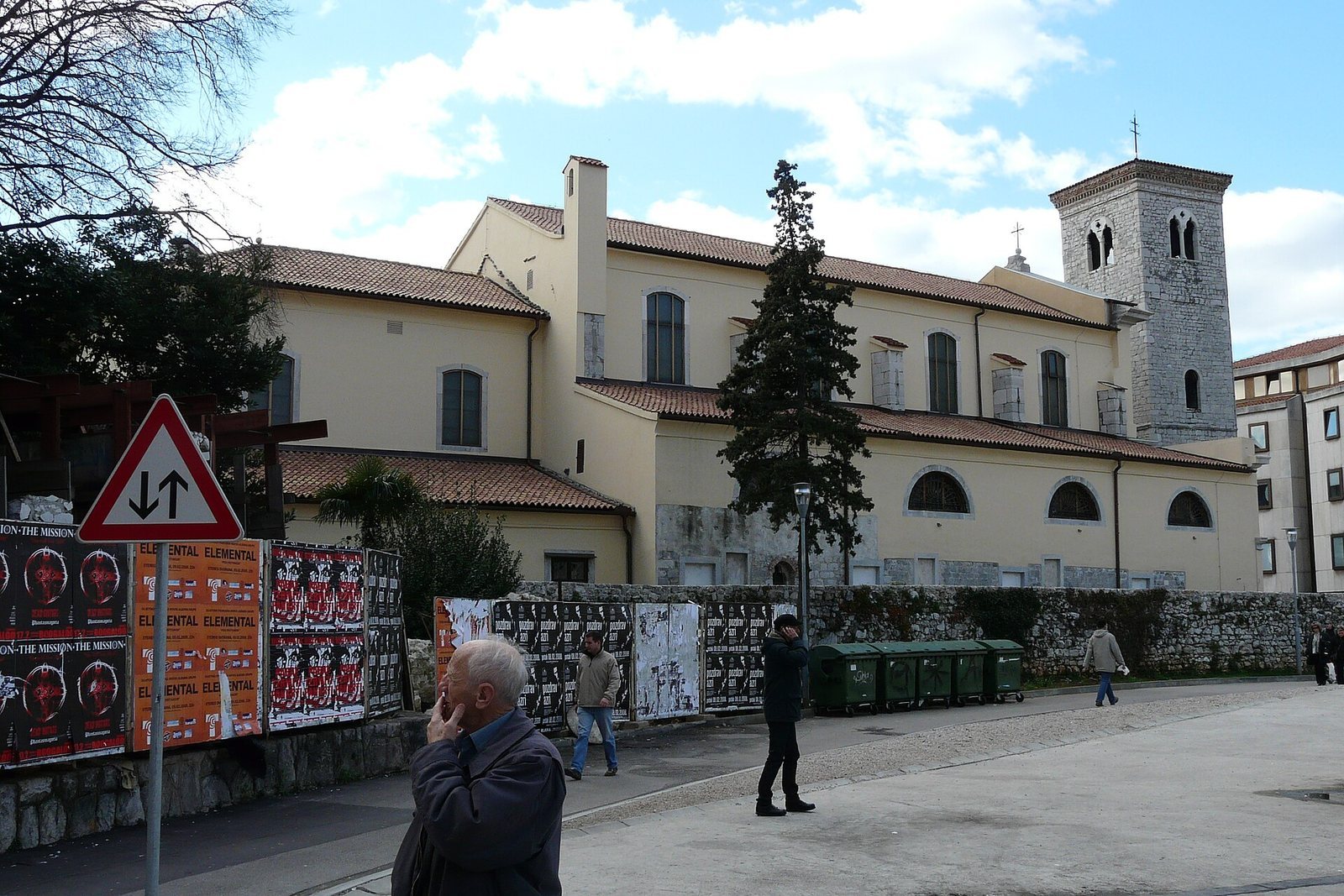
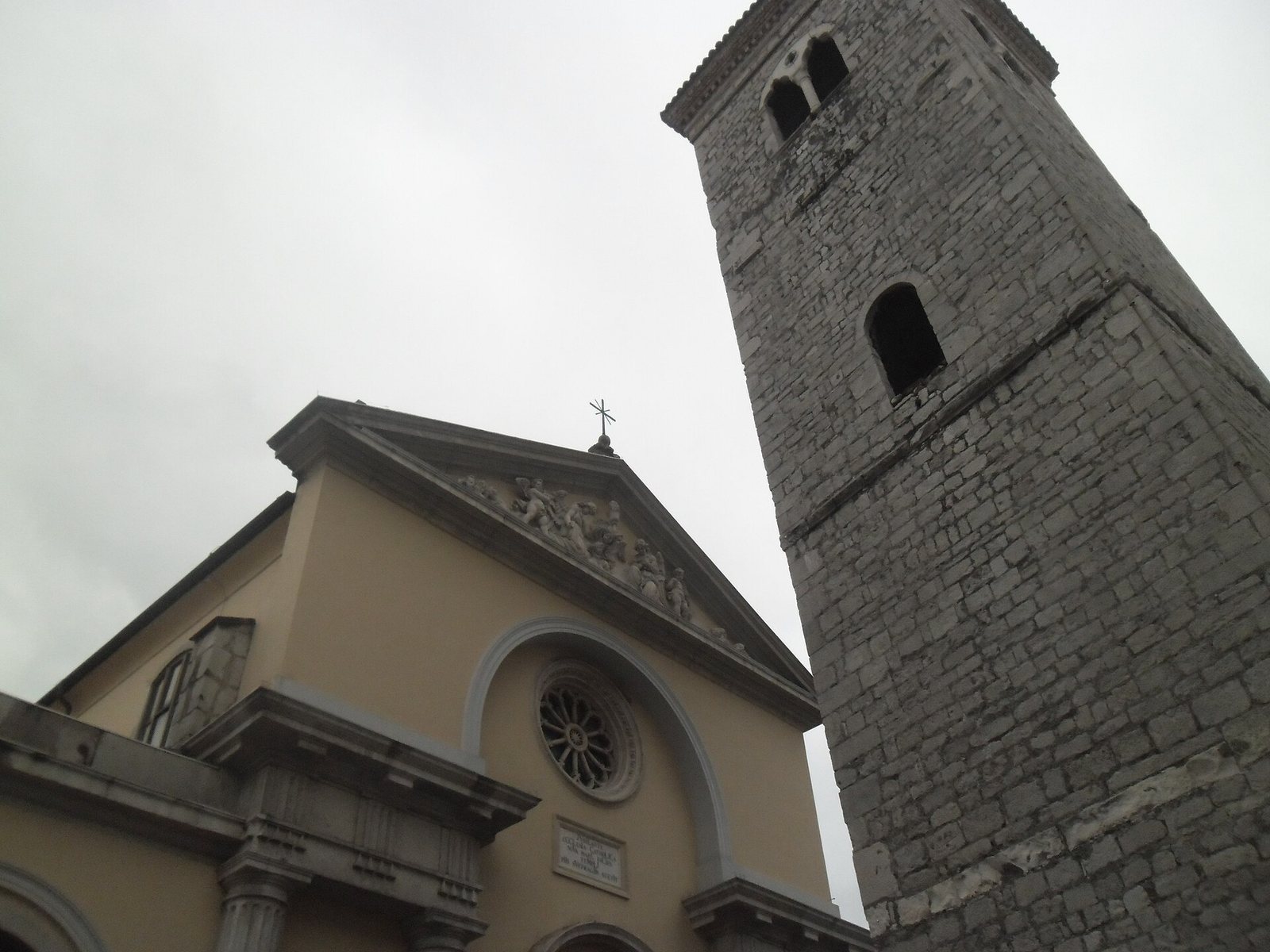
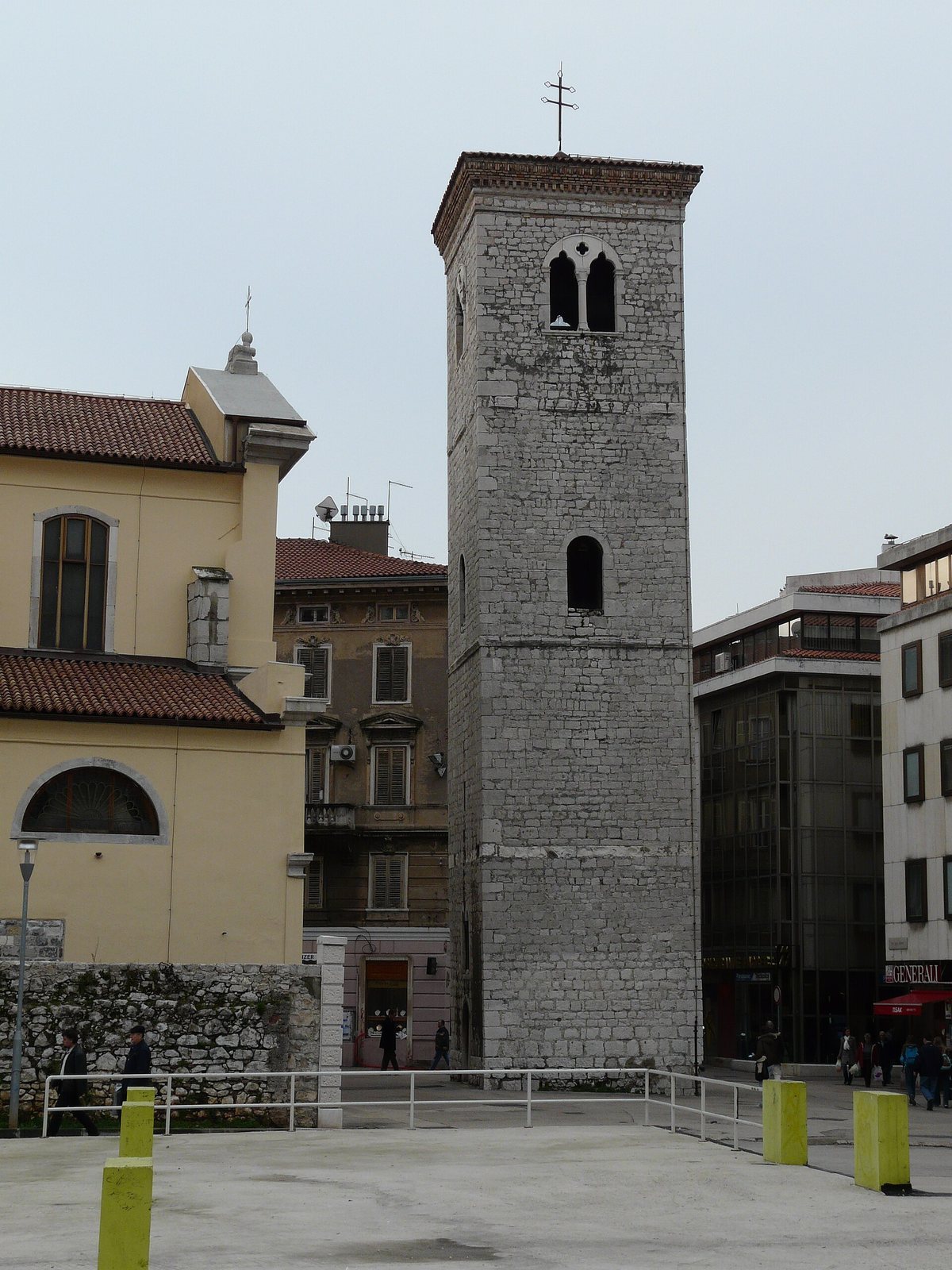
The Leaning Tower in Rijeka, Croatia, is a bell tower in Venetian style, an architectural tradition associated with Venice, dating to the 14th century. It serves the active Catholic Church of the Assumption of the Blessed Virgin Mary, within the Archdiocese of Rijeka, an ecclesiastical jurisdiction headed by an archbishop.
Roman and early Christian phases
The site lay within a Roman settlement. A public bath complex stood there in the 1st century AD, in association with a nearby river, and remained in use until the 4th century, when a new complex was built on the same site. During the 5th and 6th centuries, part of the baths was adapted for Christian worship.
The medieval bell tower
The tower is first recorded in 1377 as part of a Gothic church, a medieval architectural tradition. Its present role is as the bell tower of the active Church of the Assumption.
Repairs and alterations
In 1808, shortly before the French occupation, Rijeka’s municipality resolved to replace the old church towers with new ones. In 1826, the bell tower and church façade were restored. Nicole Agostina Lenca and local residents provided funding, and the merchant Andrij Ljudevit Adamić also supported the tower’s restoration.
The tower was plastered and decorated in a historicist style in 1876. Historicism draws on styles from earlier periods. In 1928, it was restored through the efforts of Riccardo Gigante, then director of the Rijeka City Museum. He later became Rijeka’s mayor and a senator.
Remains
The tower stands beside the church’s main entrance as a separate building, differing from the church in both style and date. Its slight inclination gave it the local name “Leaning Tower.” Although the church is Gothic, the tower is Venetian in style and later acquired a Romanesque appearance, a medieval style characterized by rounded arches and massive forms that it retains today.
A circular upper structure topped by a tall pointed dome was present during the first half of the 20th century. It was not restored, probably because of the tower’s inclination.