Savigny Abbey: A Benedictine Monastery in France
Site at a Glance
- Rating
- 4.8
- Popularity
- Very Low
- Country
- France
- Primary era
- Unclassified
- External website
- Open
- Eras represented
- Unclassified
- Civilizations
- Unclassified
- Site type
- Religious
- Remains
- Monastery
On this page5 sections
History
Savigny Abbey was a monastery of the Benedictine order, whose communities followed the Rule of Saint Benedict, in Savigny, France. Leidrad founded it in 816 after resigning as bishop of Lyon, and it was dedicated to Saint Martin, commonly identified as Martin of Tours, a fourth-century bishop.
Foundation and early status
A charter from 817 may refer to the abbey. In 819, it appeared in the Notitia de servitio monasteriorum, a Carolingian-era register of monasteries and the services they owed the emperor. The entry assigned Savigny prayers alone, rather than other forms of service.
In 976, Conrad the Peaceful, king of Burgundy, confirmed the abbey’s possessions and rights.
Expansion and medieval conflicts
By 1130, Savigny had greatly increased its landholdings. Its dependent properties extended west to Montrottier, and its abbots drew on local rivalries to strengthen their authority. An arbitration by Pope Innocent II sought to restore the monks to obedience.
Around 1139, Savigny disputed possessions in the Roannais, near Noailly, with La Bénisson-Dieu Abbey. Bernard of Clairvaux, a Cistercian abbot and influential religious leader, wrote to Falco, archbishop of Lyon, in support of La Bénisson-Dieu. Its abbot, Alberic, was one of Bernard’s disciples.
In 1196, Renaud of Forez, archbishop of Lyon, sought to bring Savigny under his authority by looting and destroying nearby villages, including L’Arbresle. Pope Innocent III later intervened, ruling that the destruction had gone too far. Savigny remained undisturbed thereafter.
Decline and dissolution
After the abbey was placed in commendam, with its administration or revenues entrusted to an appointed abbot rather than its regular monastic leadership, it declined as a spiritual center. In 1779, Louis XVI ordered its closure by letters patent. Pope Pius VI confirmed the dissolution in a bull dated 22 June 1780, and the buildings were sold in 1784.
The abbey’s archives are now held by the Departmental Archives of the Rhône.
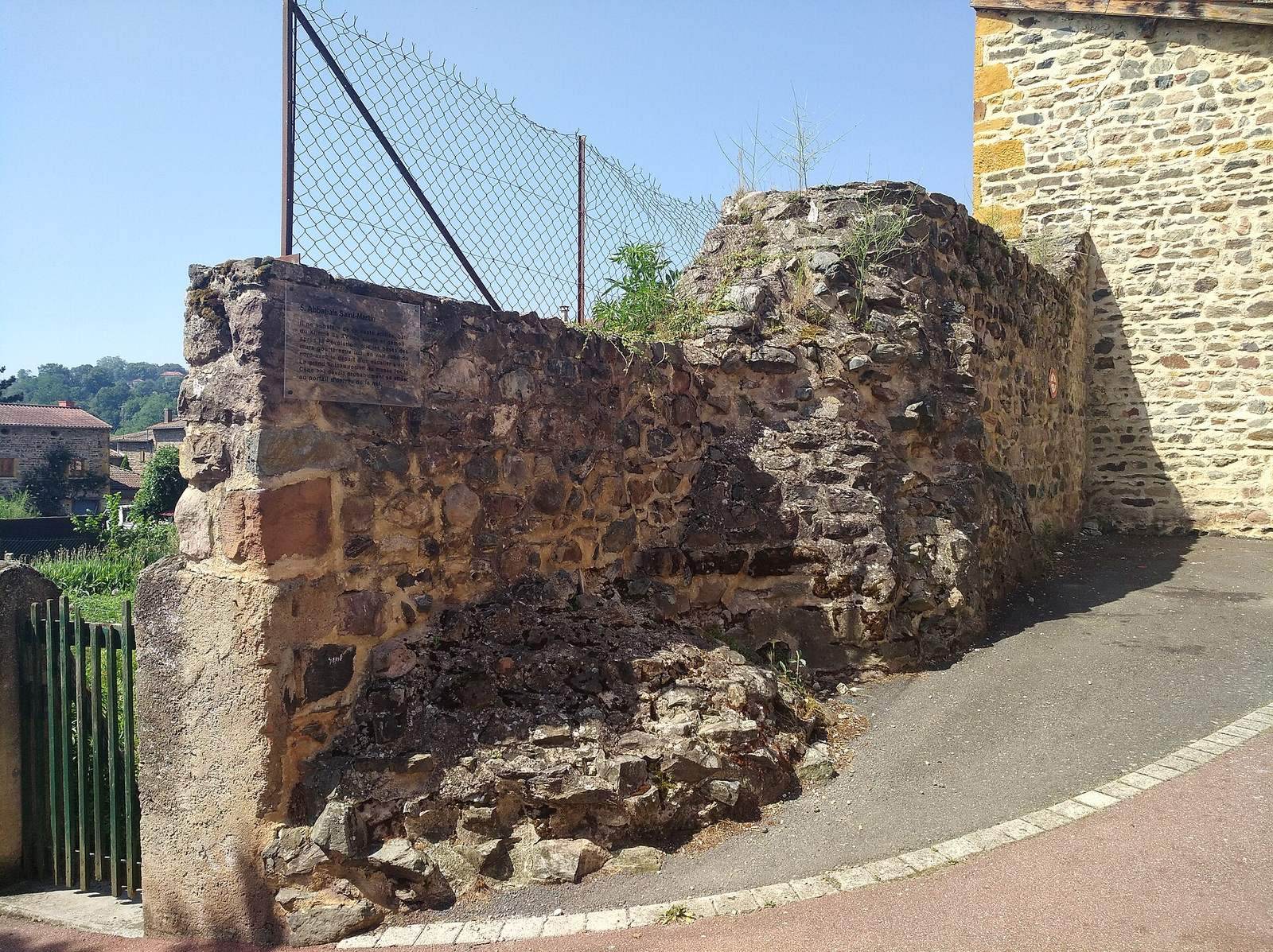
Remains
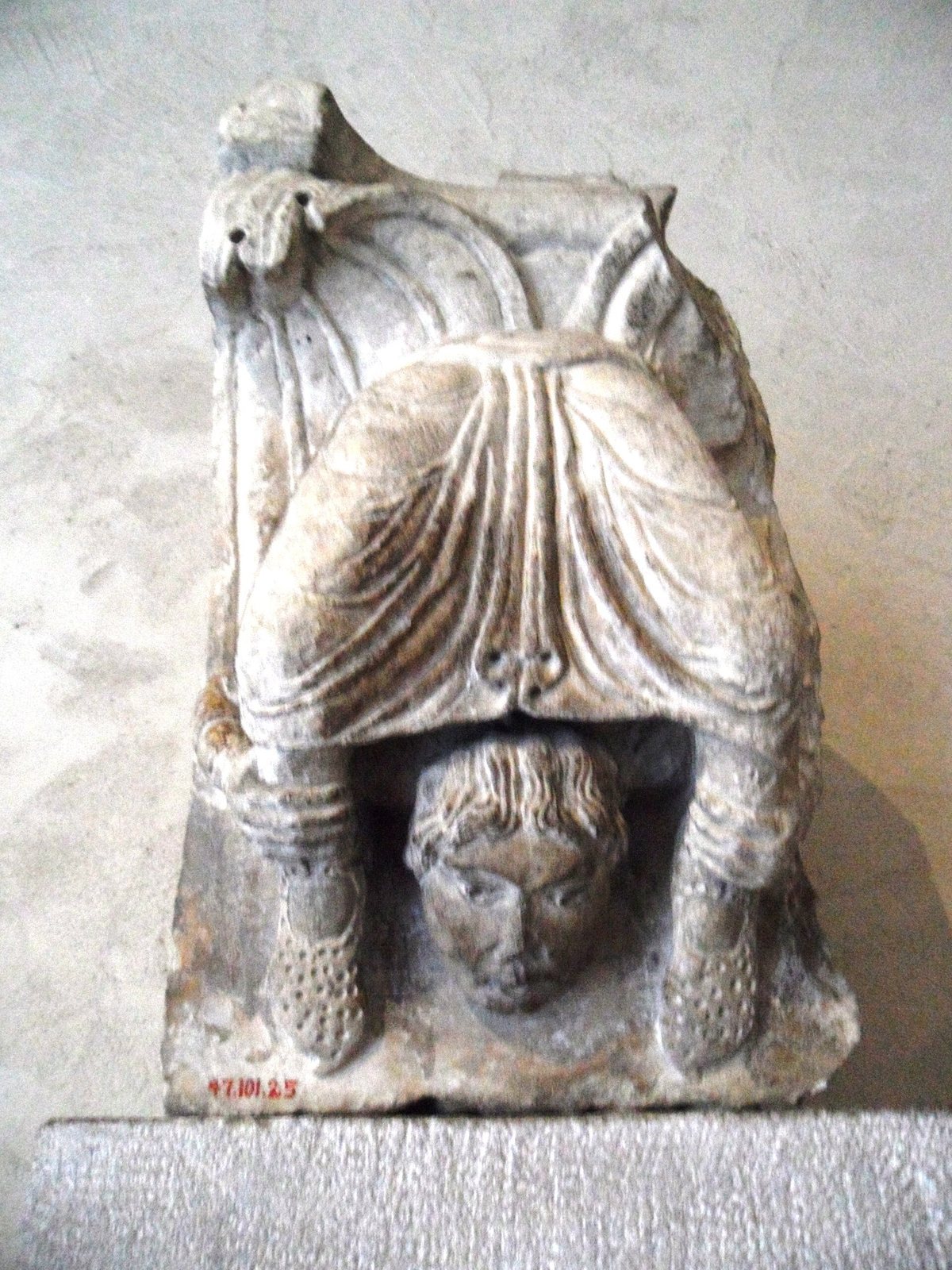
A few stones from Savigny Abbey are held in the Savigny Lapidary Museum.