Château de Creullet: A Historic Château and Allied Headquarters in 1944
Site at a Glance
- Rating
- 5
- Popularity
- Very Low
- Country
- France
- Primary era
- Medieval
- Eras represented
- Medieval, Early Modern
- Civilizations
- French
- Site type
- Domestic
- Remains
- Elite Residence
On this page6 sections
History
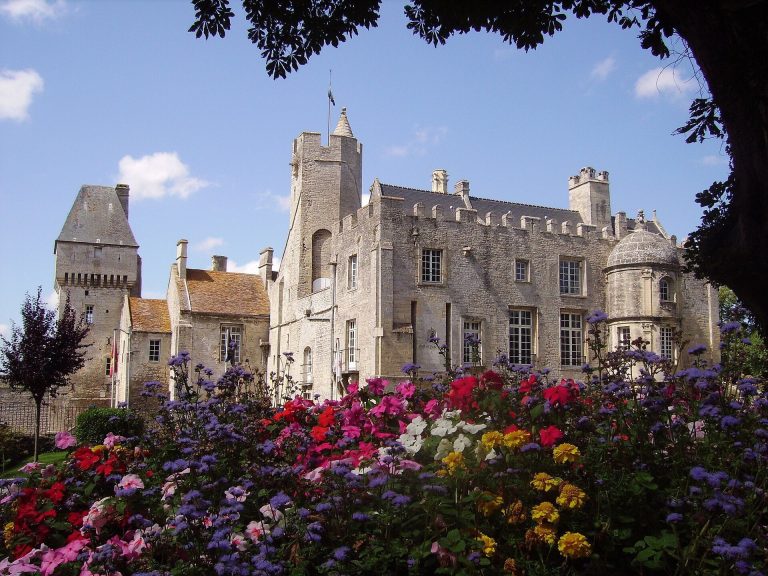
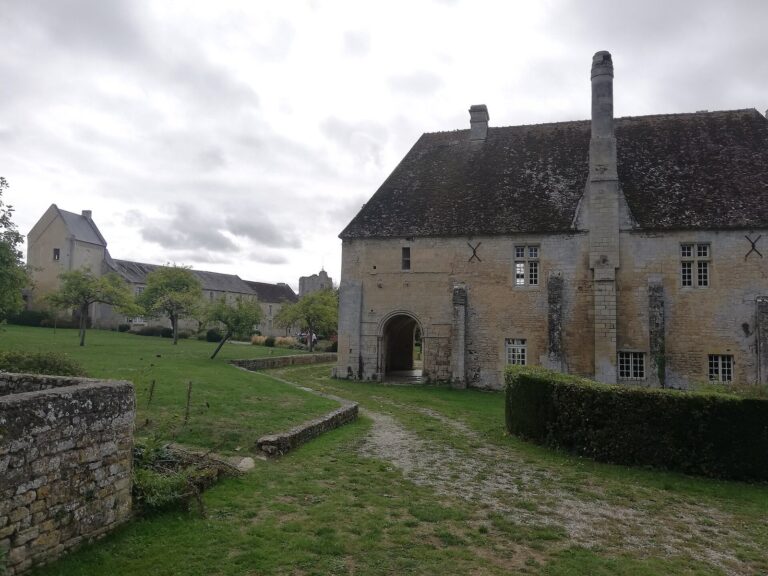
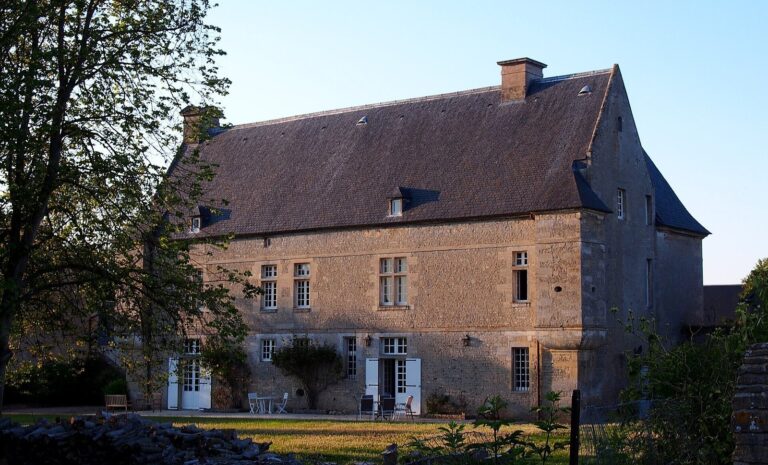
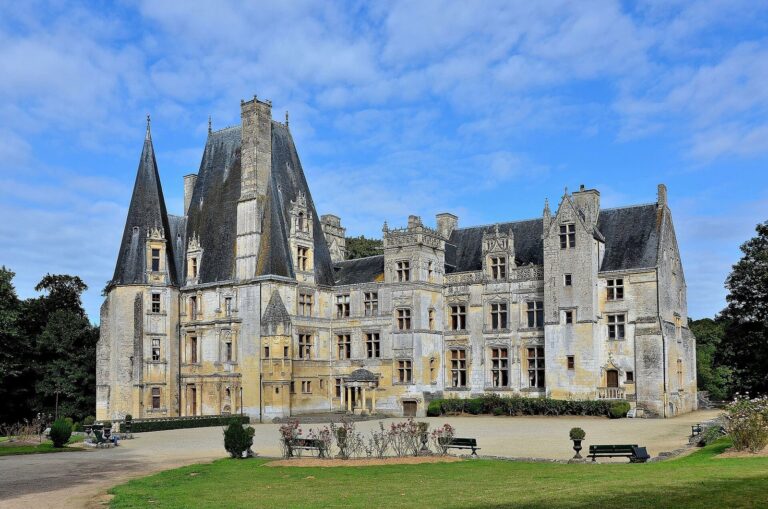
Château de Creullet stands in the hamlet of the same name, within the municipality of Creully in Calvados, France. A local lordship under Creully’s barons dates from the 11th century; the château itself dates to the 14th and 15th centuries.
Transformation of the estate
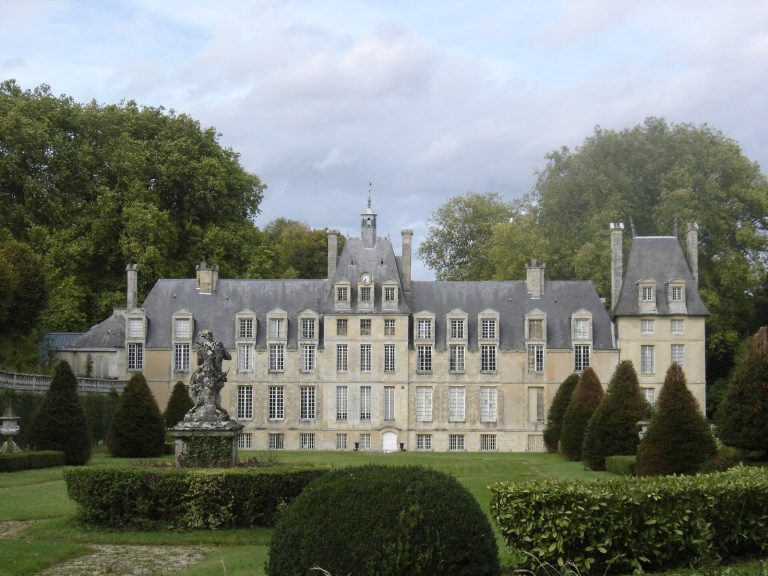
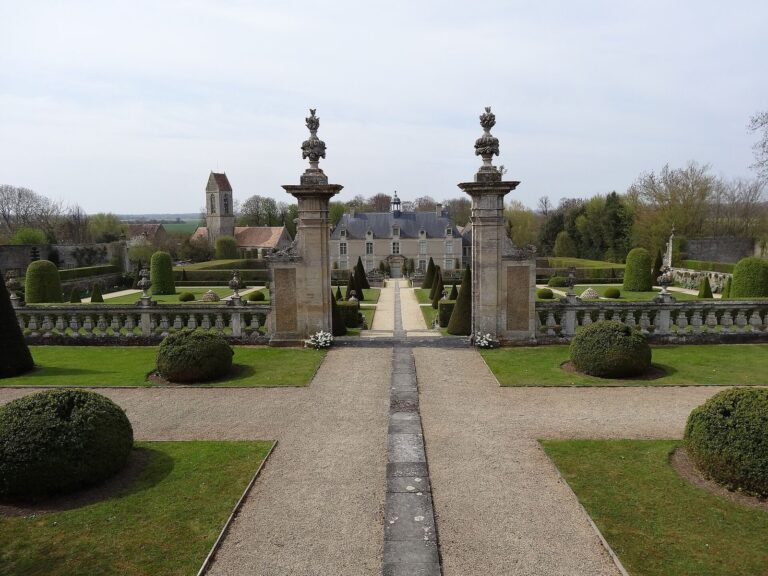
The château was altered in the 16th and 17th centuries. A major redesign took place in the second half of the 17th century, and the gardens were created during that century, inspired by André Le Nôtre, the French landscape architect known for formal garden design.
The estate acquired its present configuration in the 18th century through the work of Louis de Quincé, a French nobleman.
Allied headquarters in 1944
From 8 June 1944, British Field Marshal Bernard Montgomery used Creullet as the headquarters of the Allied invasion forces and coordinated operations for the Battle of Normandy there. His headquarters occupied three caravans on the rear lawn.
Winston Churchill lunched on the lawn on 12 June, after a six-day restriction on the British prime minister’s visit to the Allied beachhead had ended. On 14 June, French General Charles de Gaulle briefly visited Montgomery’s caravan and received a cold welcome. De Gaulle called for the bombing of French towns to stop, then continued to Bayeux, where he delivered his first speech.
American General Dwight D. Eisenhower visited on 15 June with his son John, who had recently graduated from the United States Military Academy at West Point. Eisenhower reproached Montgomery over the failure to capture Caen and the comparatively low British losses relative to American losses on the battlefields.
King George VI visited on 16 June and spoke with Montgomery. After a medal presentation on the lawn, the king lunched with him in the château’s dining room. Public attention to the royal visit alerted the Germans to the headquarters. As German bombs drew closer, it left the property on 22 June.
Part of the château was listed as a historic monument in 1984.
Remains
The château
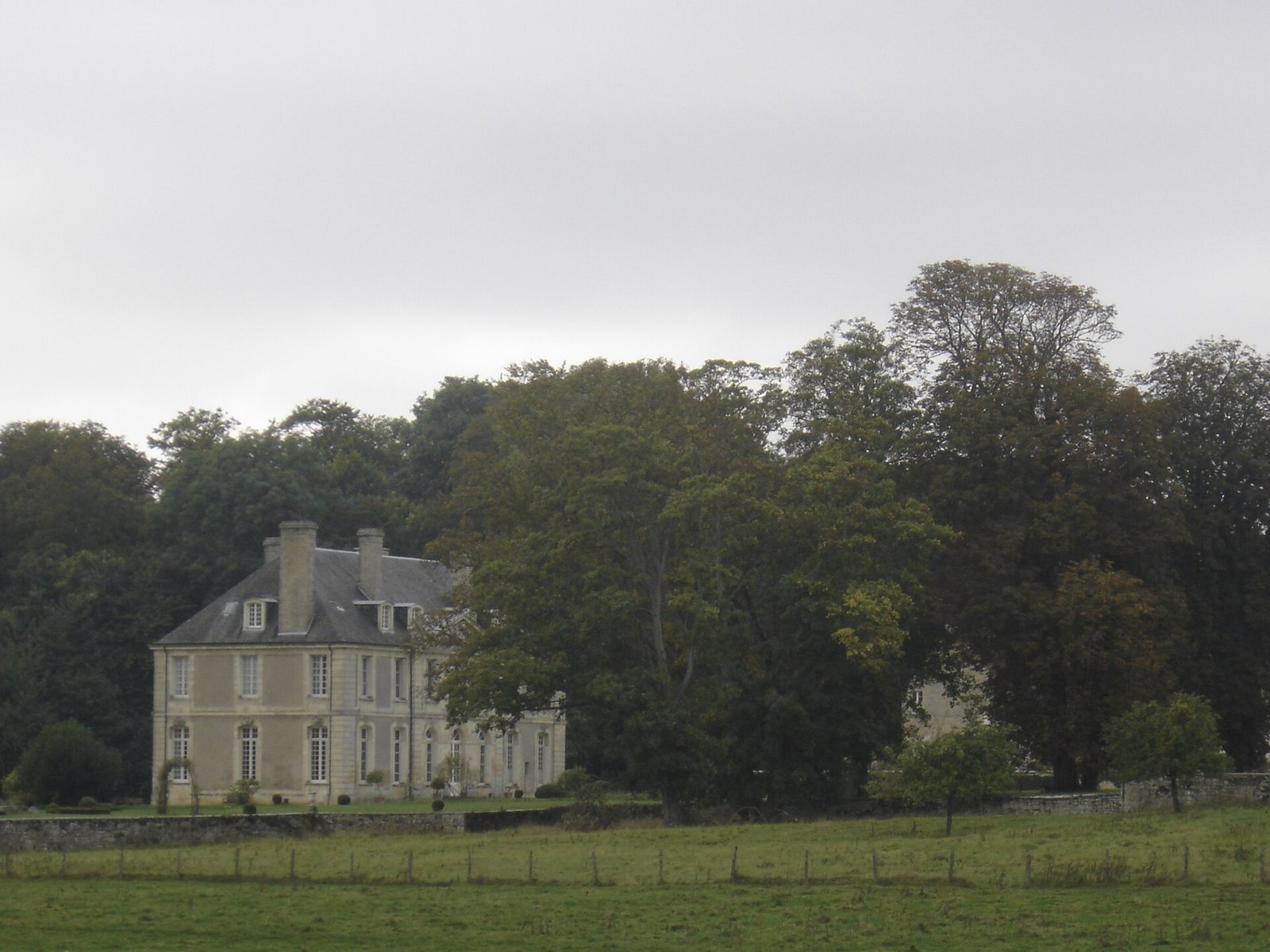
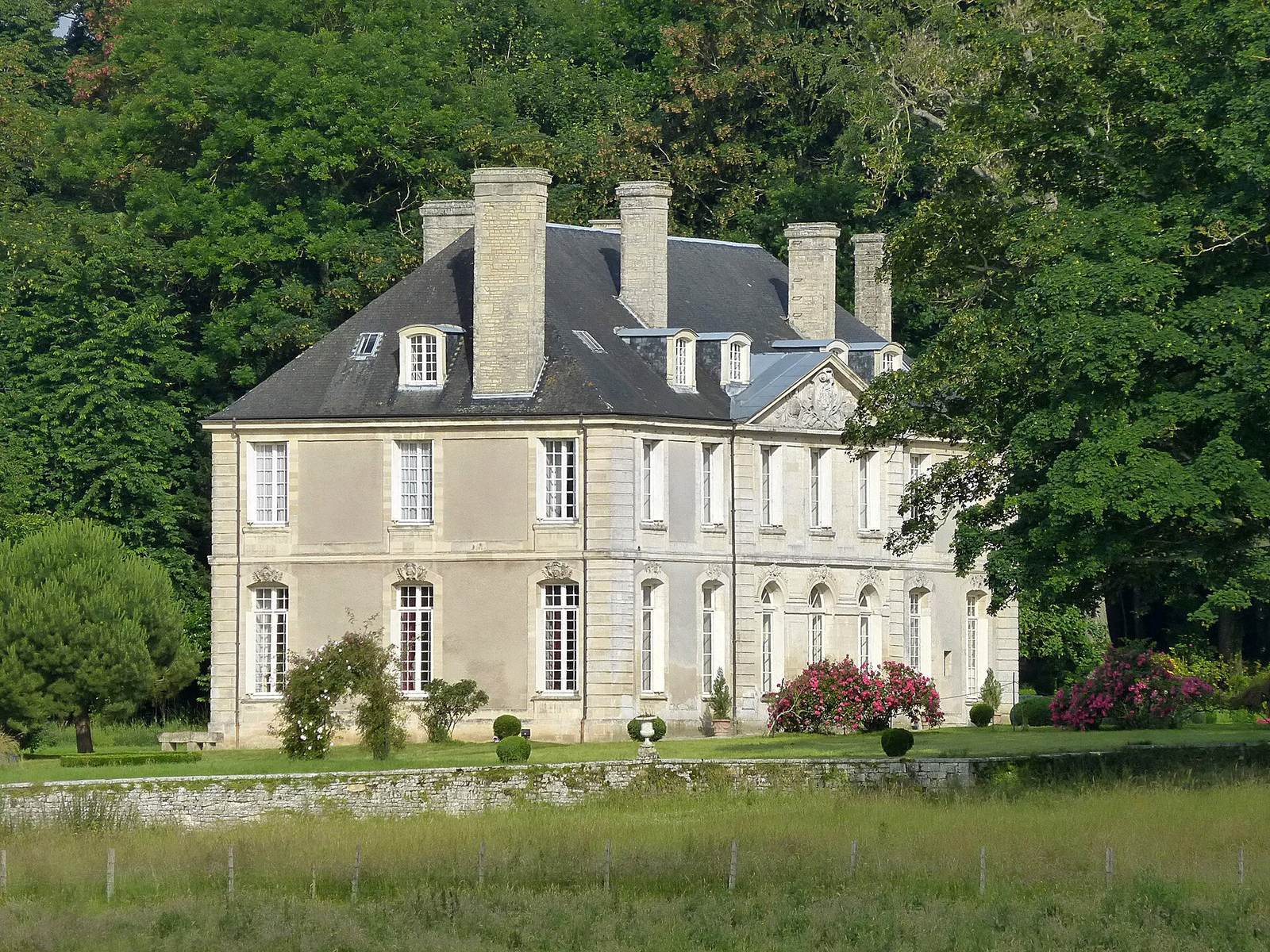
Built of Creully limestone, the château stands in the Seulles valley, opposite Creully and below its medieval fortress. Its exterior includes a 16th-century doorway and a courtyard façade with a triangular pediment decorated with heraldic arms and a balcony with ironwork. Inside are a vestibule with a fireplace, the red, small, and grand salons, and a dining room on the ground floor, all with decorative features.
Gardens and grounds
The grounds include a French formal garden, formal vistas, balustrades, and moats arranged around a reflecting pool. A water feature extends for 200 metres, and the park also contains architectural elements and sculpted decoration.