Palacio de Artieda: A Late Gothic Fortified Noble Residence
Site at a Glance
- Rating
- 4.5
- Popularity
- Very Low
- Country
- Spain
- Primary era
- Medieval
- Eras represented
- Medieval
- Civilizations
- Kingdom of Navarre
- Site type
- Domestic
- Remains
- Castle
On this page4 sections
History
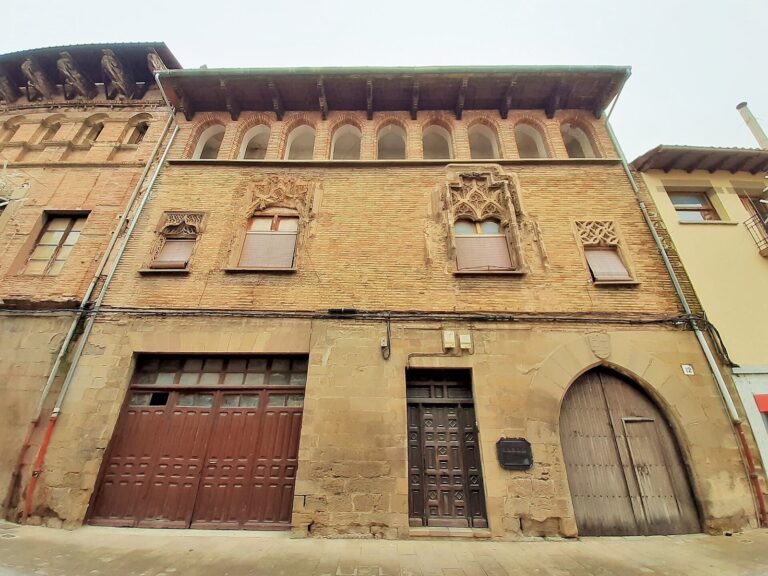
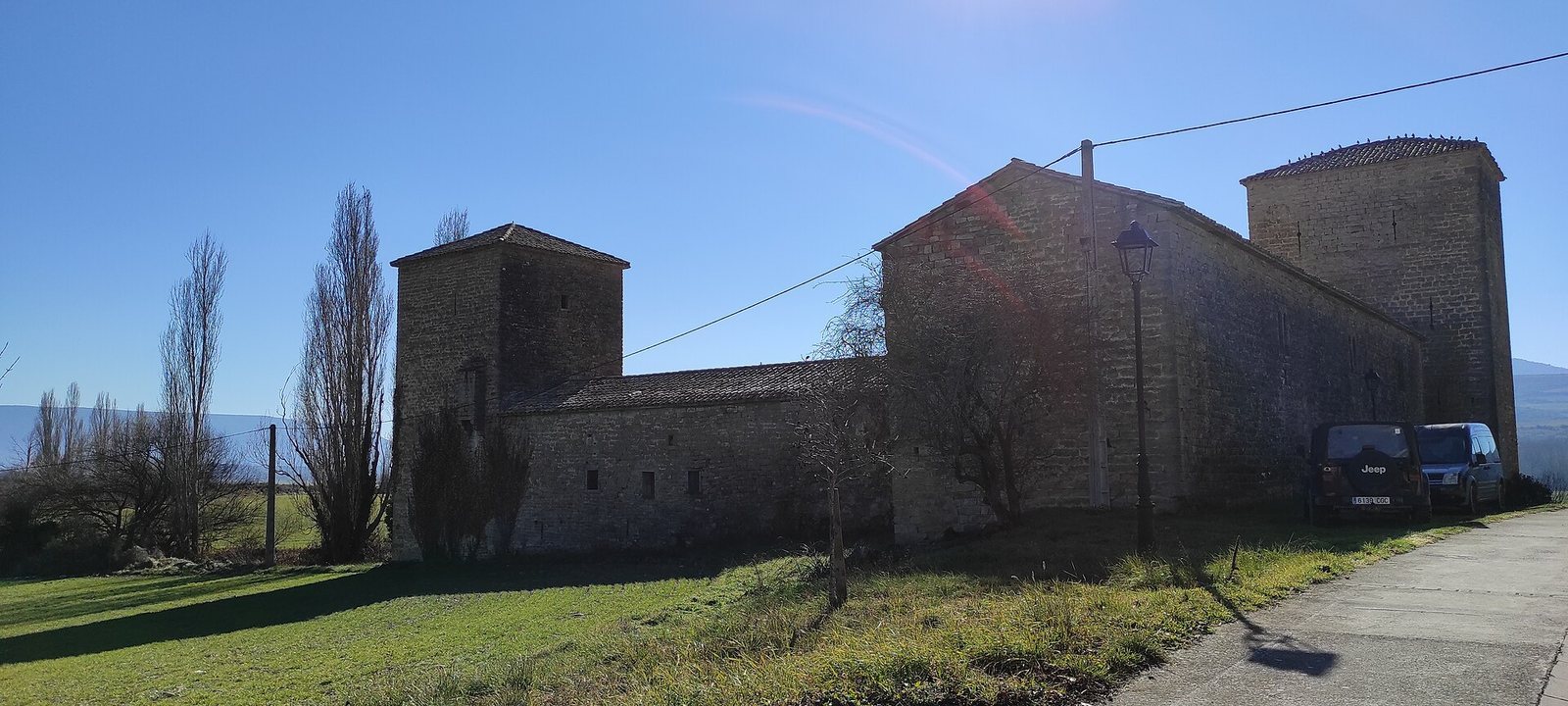
Palacio de Artieda is a fifteenth-century fortified noble residence in Artieda, Navarra, Spain, built in the late Gothic style, the final phase of Gothic architecture in the later Middle Ages. It is a characteristic example of Navarre’s fortified Gothic residences.
The residence and the Artieda arms
A slightly varied version of the Artieda arms was borne in 1375 by Ochoa Pérez de Artieda, governor of Guerga Castle. A sixteenth-century Navarrese armorial depicts the arms as five blue burins, engraving tools shown as heraldic figures, on a gold background. Other armorials describe a silver background with red burins.
In 1513, the palace was listed among noble properties exempt from a royal levy. Its owner, Captain Lope de Esparza y Artieda, received 50,000 maravedís, a historical Spanish monetary unit, in 1537 for services to the Spanish king in Italy, Flanders, and Portugal. In 1550, eight tapestries arrived from Flanders to furnish the palace rooms.
Later ownership and recognition
In 1726, the palace belonged to the Marquis of Vesolla. The title had been created in 1702 by José Elío Ayanz, and the marquis also requested authority to manage his other properties. Spain designated the palace an Asset of Cultural Interest, a formal heritage category, on 24 May 1993.
Remains
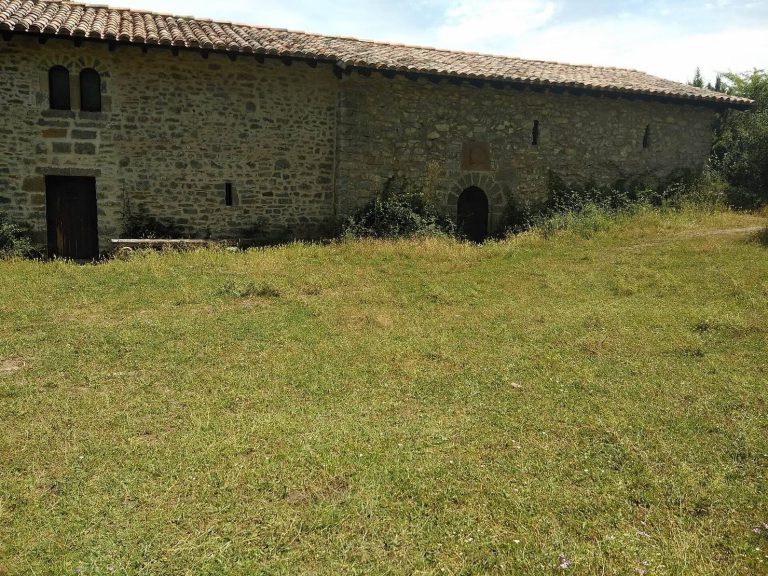
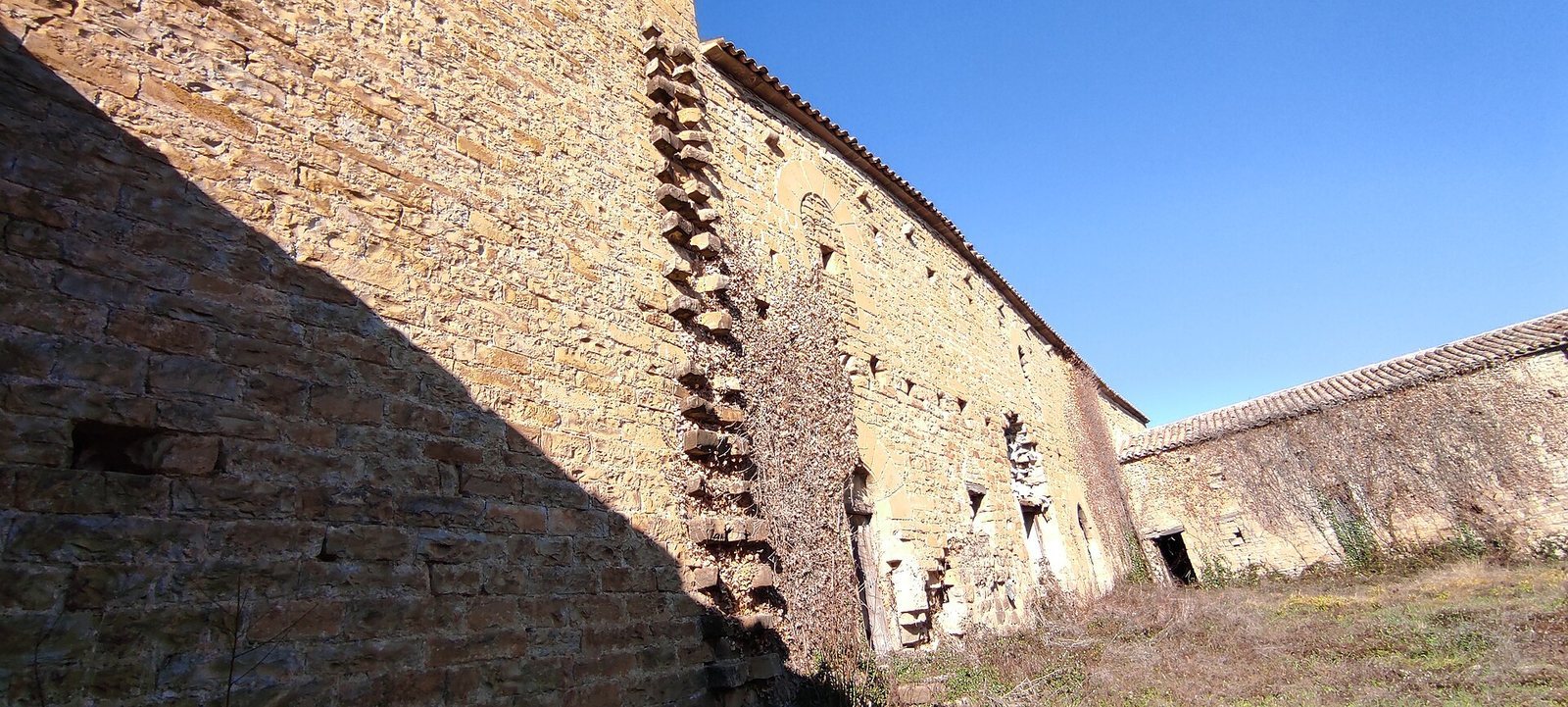
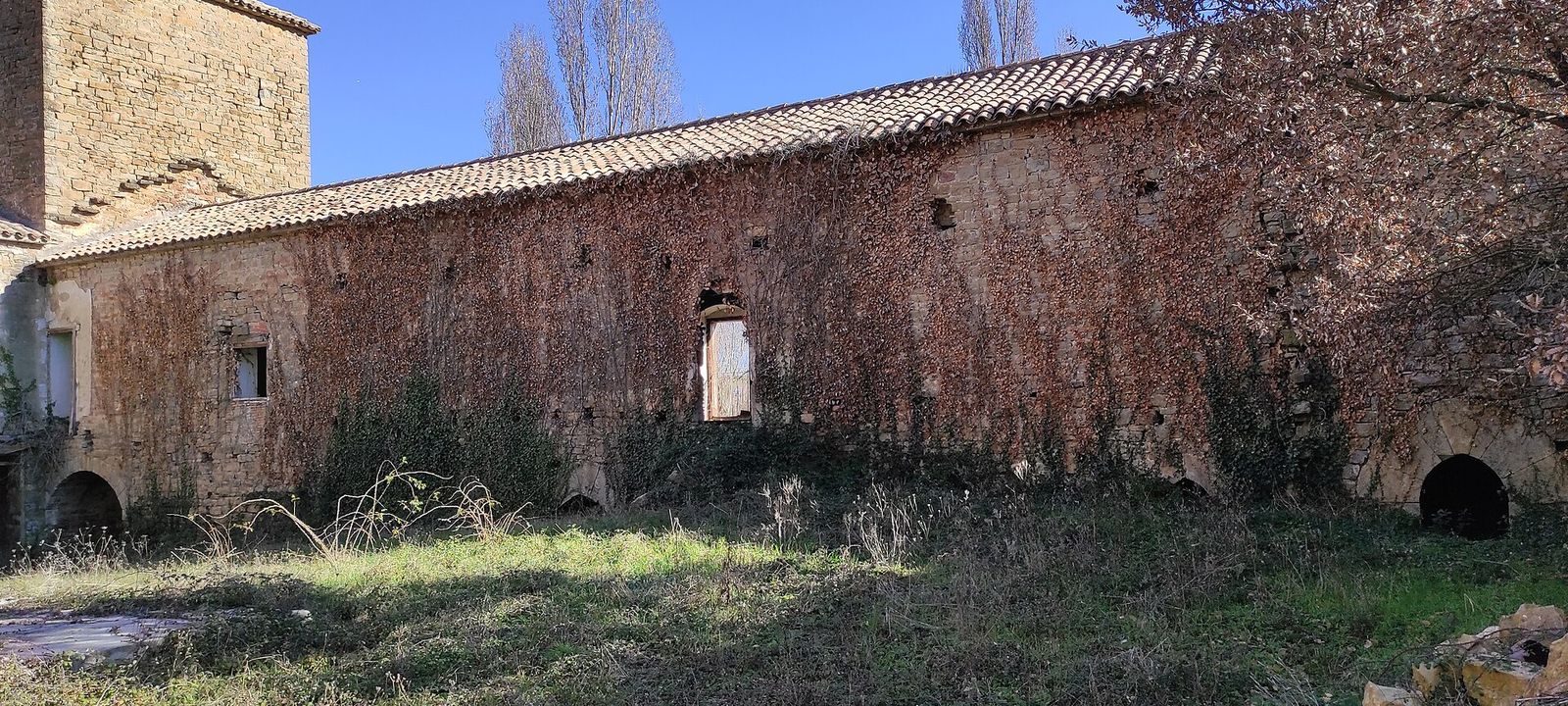
The late Gothic palace stands at one end of Artieda, in the Urraúl Bajo valley, within the historic administrative district of Sangüesa. Its rooms open onto a large central courtyard, comparable to a parade ground. The building’s structure and appearance closely resemble those of the Palace of Arazuri.
Towers at two opposite corners retain a martial appearance. Two further towers may originally have stood at the other corners. Two sections of the palace walls have been reduced from their original height.