Greencastle: A Royal Castle on Carlingford Lough
Site at a Glance
- Popularity
- Medium
- Country
- United Kingdom
- Primary era
- Medieval
- Eras represented
- Medieval
- Civilizations
- Norman
- Site type
- Military
- Remains
- Castle
On this page11 sections
History
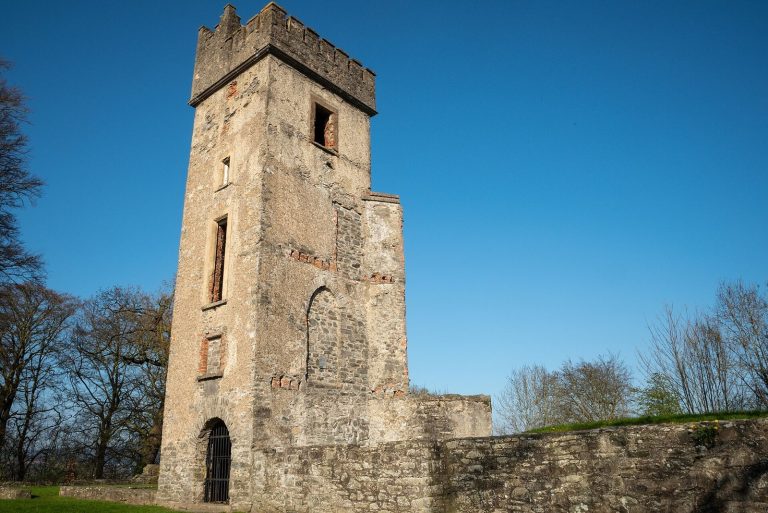
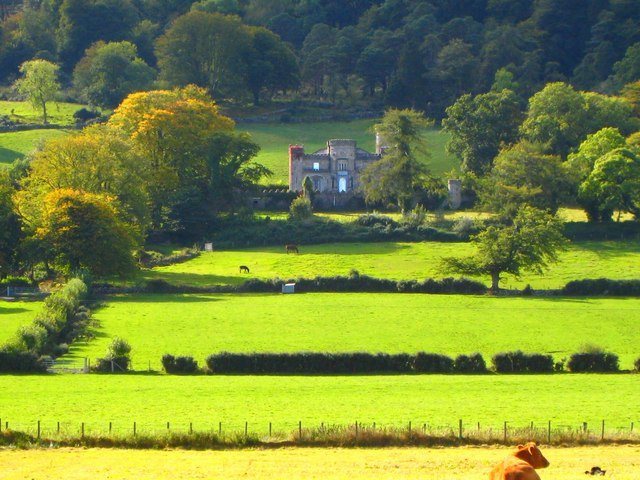
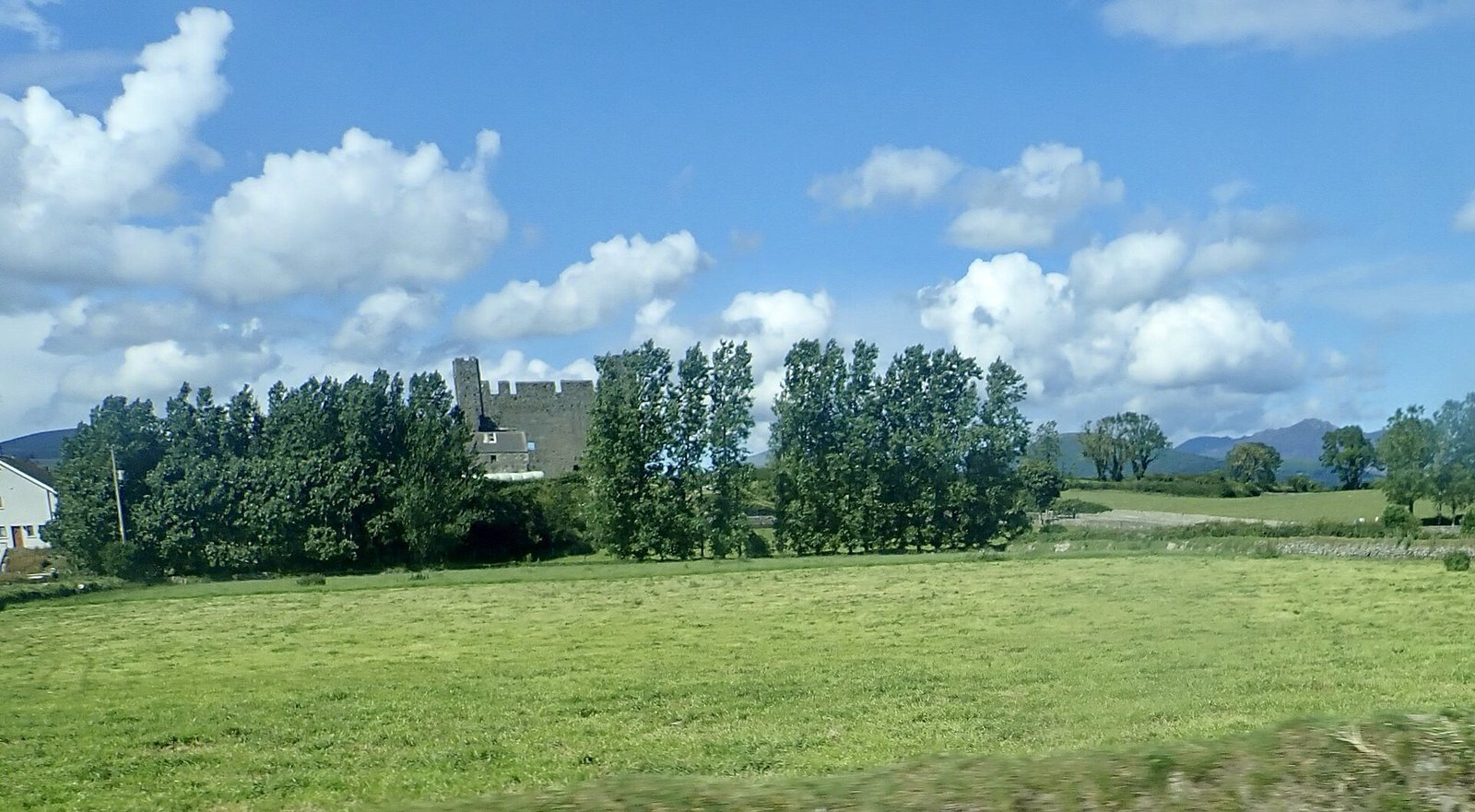
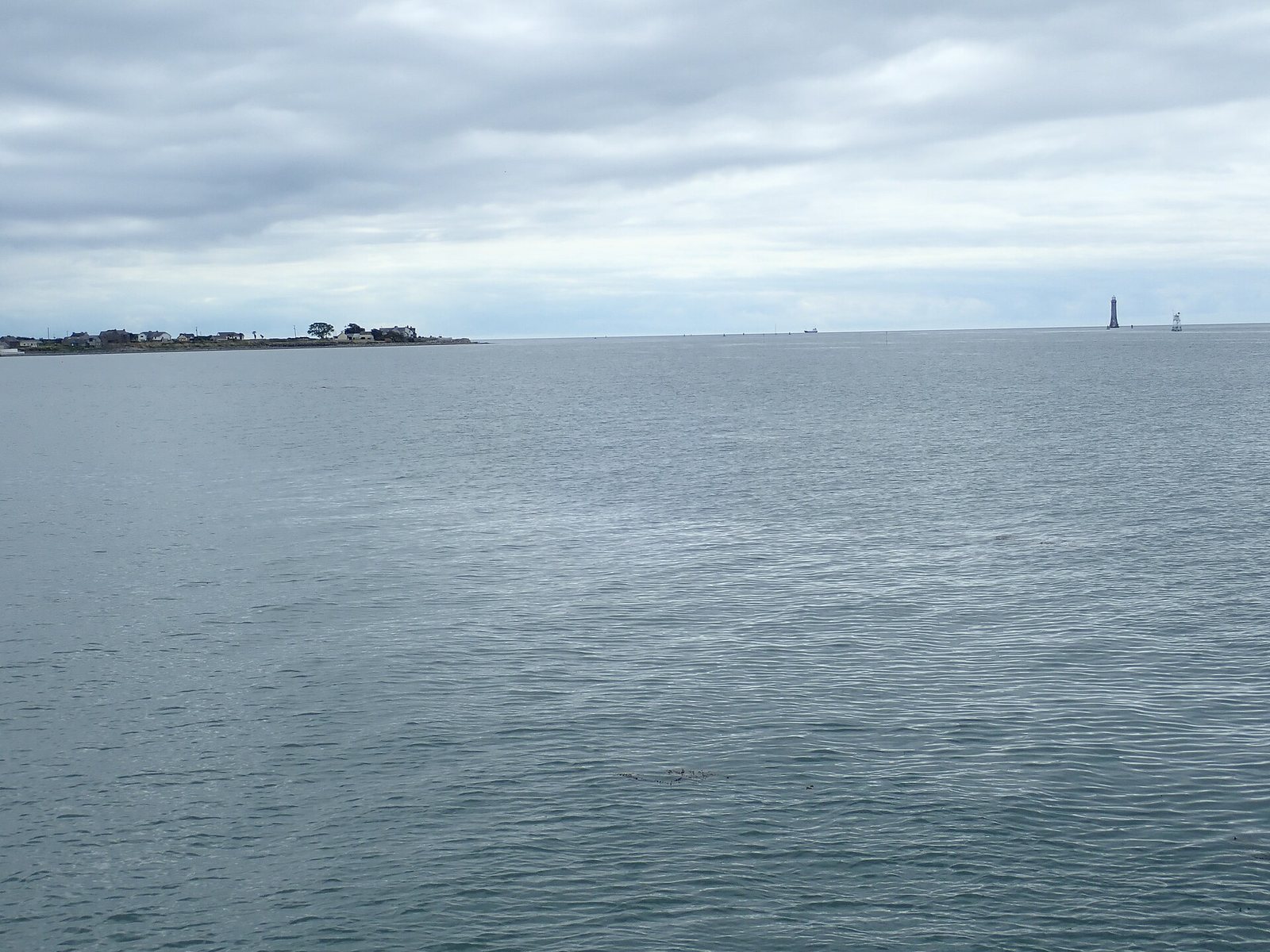
Greencastle is a royal castle on Carlingford Lough in the United Kingdom, with its principal stone construction dating to the thirteenth century. Hugh de Lacy, an Anglo-Norman lord from the Norman-origin elite that established power in Ireland after the late-twelfth-century invasion, is thought to have built it alongside Carlingford Castle, across the lough. Together, the castles guarded the lough’s narrow entrance and the ferry crossing between them.
Before the stone castle
A wooden motte-and-bailey fort, combining a raised mound with an enclosed courtyard, came before the stone castle. Norman lords may have built it after the conquest of Ireland in 1172, and John de Courcy, a Norman military leader, is one possible builder. A local legend links de Courcy’s marriage to Greencastle, although the wedding may instead have taken place at the earlier fort.
Crown control and conflict
From 1264 to 1333, Greencastle was held for the English Crown under Richard de Burgh, Earl of Ulster. Edward Bruce, brother of Robert the Bruce, captured it in 1316 during the Scottish invasion of Ireland. The castle returned to English control after the invasion failed in 1318. Richard de Burgh’s daughter was married to Robert the Bruce.
Irish forces attacked Greencastle at least twice in the later fourteenth century. It continued to serve as an English garrison into the 1590s, while substantial alterations took place during the fifteenth and sixteenth centuries.
Later control and disuse
In the sixteenth century, the castle passed first to the Earl of Kildare and then to Nicholas Bagenal of Newry. Later, Cromwellian forces, campaigning in Ireland under Oliver Cromwell, bombarded it to prevent rebel forces from using it. The castle subsequently fell into disuse.
Excavations between 1966 and 1970 revealed signs of occupation older than the stone castle. Greencastle is a state-care historic monument, a protected historic site maintained by the government.
Remains
The surviving site includes a large rectangular keep within the remains of a rectangular outer enclosure, with the mound of an earlier fortification on the seaward side. A late-medieval stone church and two burial pits lie close to the castle.
Castle structures
Keep and bridge
The keep, the castle’s principal fortified tower, stands on rock and contains three chambers with vaulted ceilings at ground level. Further chambers have been cut into the rock below it. A bridge crosses a ditch cut into the rock to reach the keep.
Outer walls and towers
Rectangular outer walls once enclosed the castle, with a tower at each corner. Ruins of some of these towers remain visible.
Earlier and nearby features
Motte
The mound of the earlier motte survives on the seaward side of the castle, closer to the point.
Church and burial pits
A late-medieval stone church and two burial pits are close to the castle. The pits were excavated in 2003. One contained the remains of a woman aged 25–35; the other held a child who died at about one and a half to three and a half years of age. The two individuals are presumed to have been related. The burials date to AD 1270–1380 and are considered likely to be contemporary with the castle’s mid-thirteenth-century construction.