Rushton Hall: An Ancestral Home and Historic Estate
Site at a Glance
- Popularity
- High
- Country
- United Kingdom
- Primary era
- Medieval
- Eras represented
- Medieval, Early Modern, Modern
- Civilizations
- British, English
- Site type
- Domestic
- Remains
- Manor House
On this page9 sections
History
Rushton Hall is a historic house in an unspecified location in the United Kingdom, where it became the ancestral home of the Catholic Tresham family after William Tresham acquired the estate in 1438. William, a royal official who served King Henry V, was also Chancellor of the Duchy of Lancaster and Speaker of the House of Commons. He was murdered in 1450.
The Tresham Family
In 1592, William’s descendant Thomas Tresham built the Triangular Lodge on the estate. Thomas’s son Francis became a principal conspirator in the Gunpowder Plot, a failed 1605 plan to destroy the English Parliament and kill King James I. Francis died in the Tower of London on 23 December 1605, and the estate then passed to his brother Lewis.
Later Owners
Rushton Hall was sold to Sir William Cockayne in 1619. Cockayne, a London civic official who had served as Lord Mayor, died in 1626; his eldest son Charles inherited the Hall and later became Viscount Cullen, a peerage rank below an earl.
William Hope bought the Hall in 1828. After Hope’s death in 1854, the estate was sold to Clara Thornhill, later known as Clarke-Thornhill. Her friend Charles Dickens visited Rushton several times, and Haversham Hall in Great Expectations may have been based on Rushton Hall. The Clarke-Thornhill family retained the Hall until 1934.
Tenants and Modern Uses
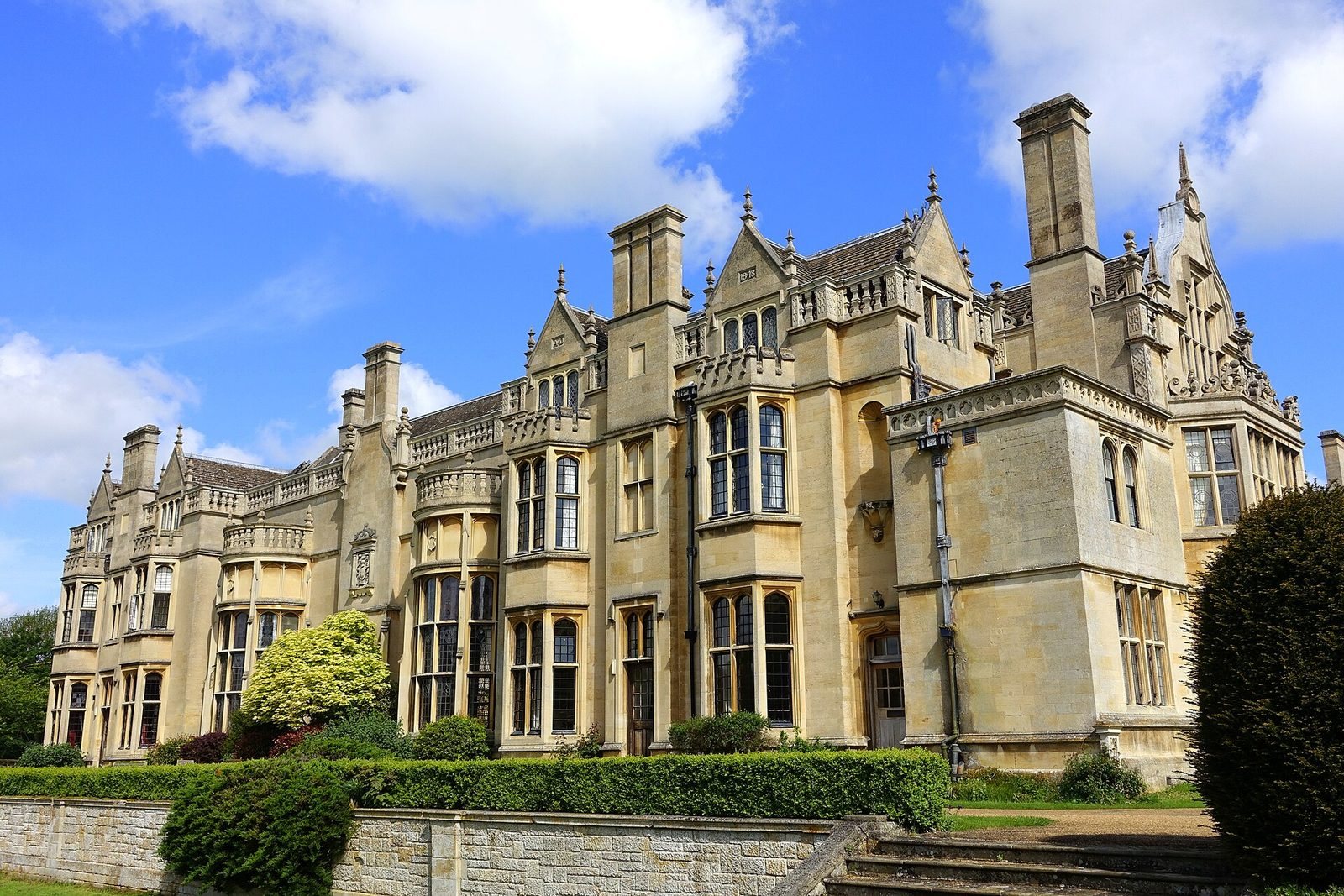
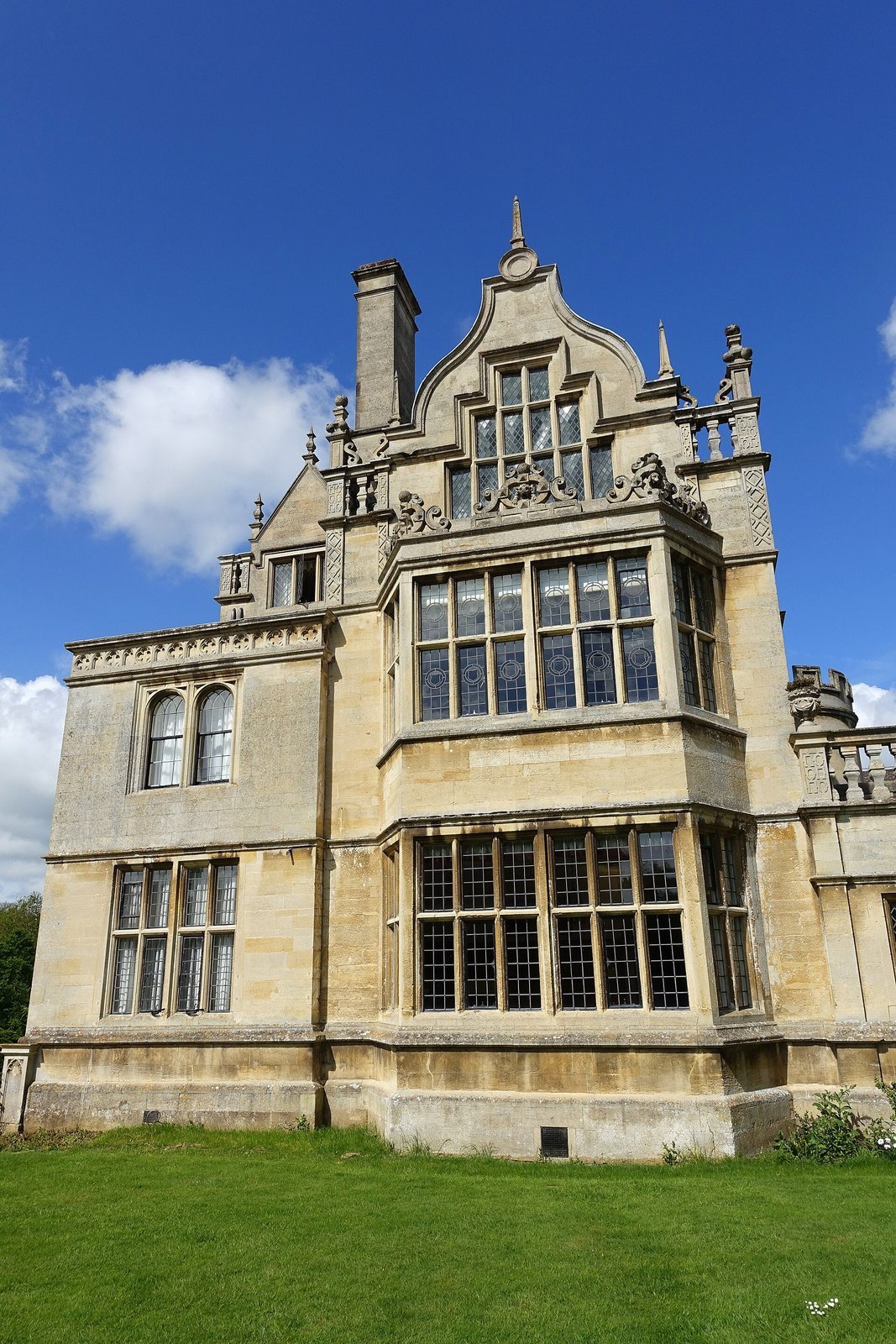
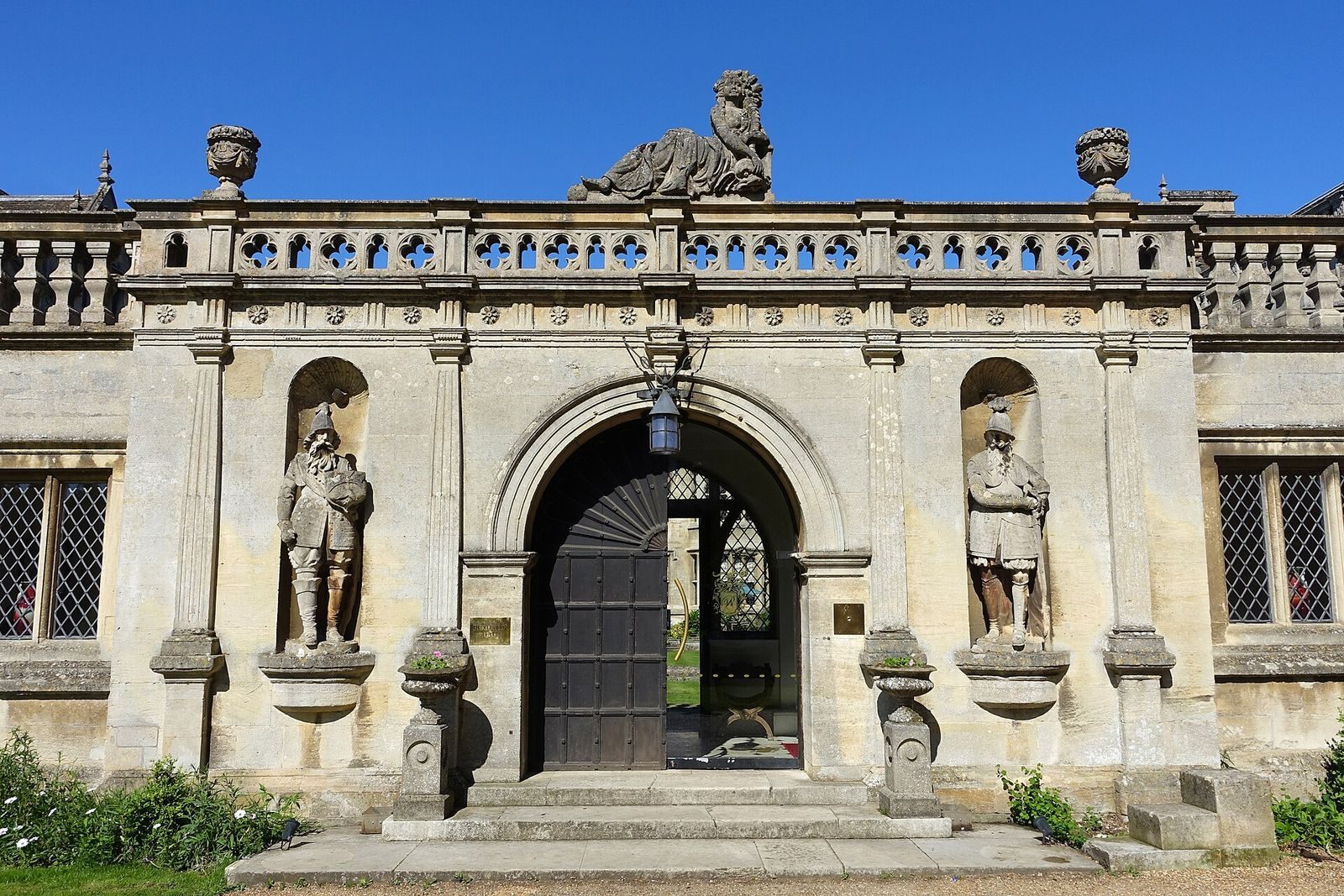
Louis (Ludwig) Breitmeyer, a founding director of De Beers, leased the Hall in 1925. After William Clarke-Thornhill’s death, the property was rented to several tenants, including American socialite James J. Van Alen. During Van Alen’s tenancy, many Tudor details, associated with the Tudor dynasty, and Jacobean details, associated with the reign of James I, were reinstated.
The Hall received Grade I listed status in 1951, the highest listed-building grade in England, reserved for buildings of exceptional architectural or historic interest. In 1957 it became a school for blind children run by the Royal National Institute of Blind People. Princess Margaret, the younger sister of Queen Elizabeth II, opened the school, which moved to Coventry in 2002. The Hazelton family bought the Hall in August 2003. H I Limited owns it, and it was restored for use as a hotel and spa.
Remains
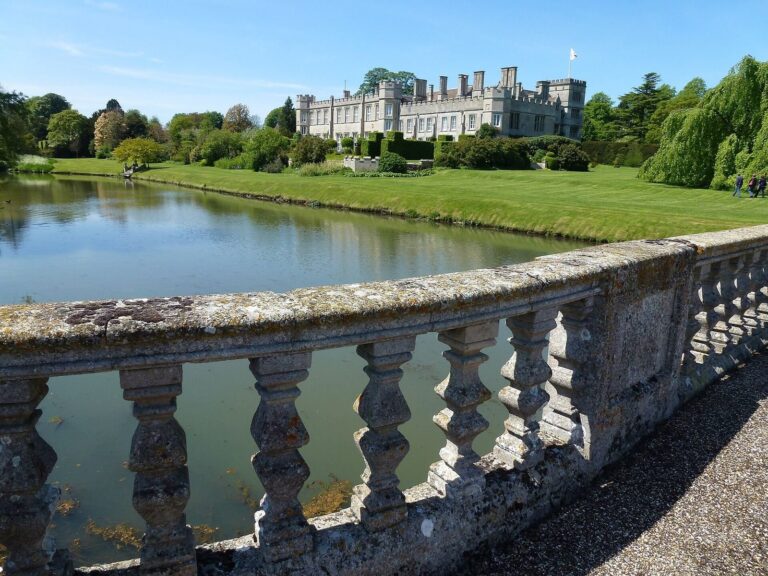
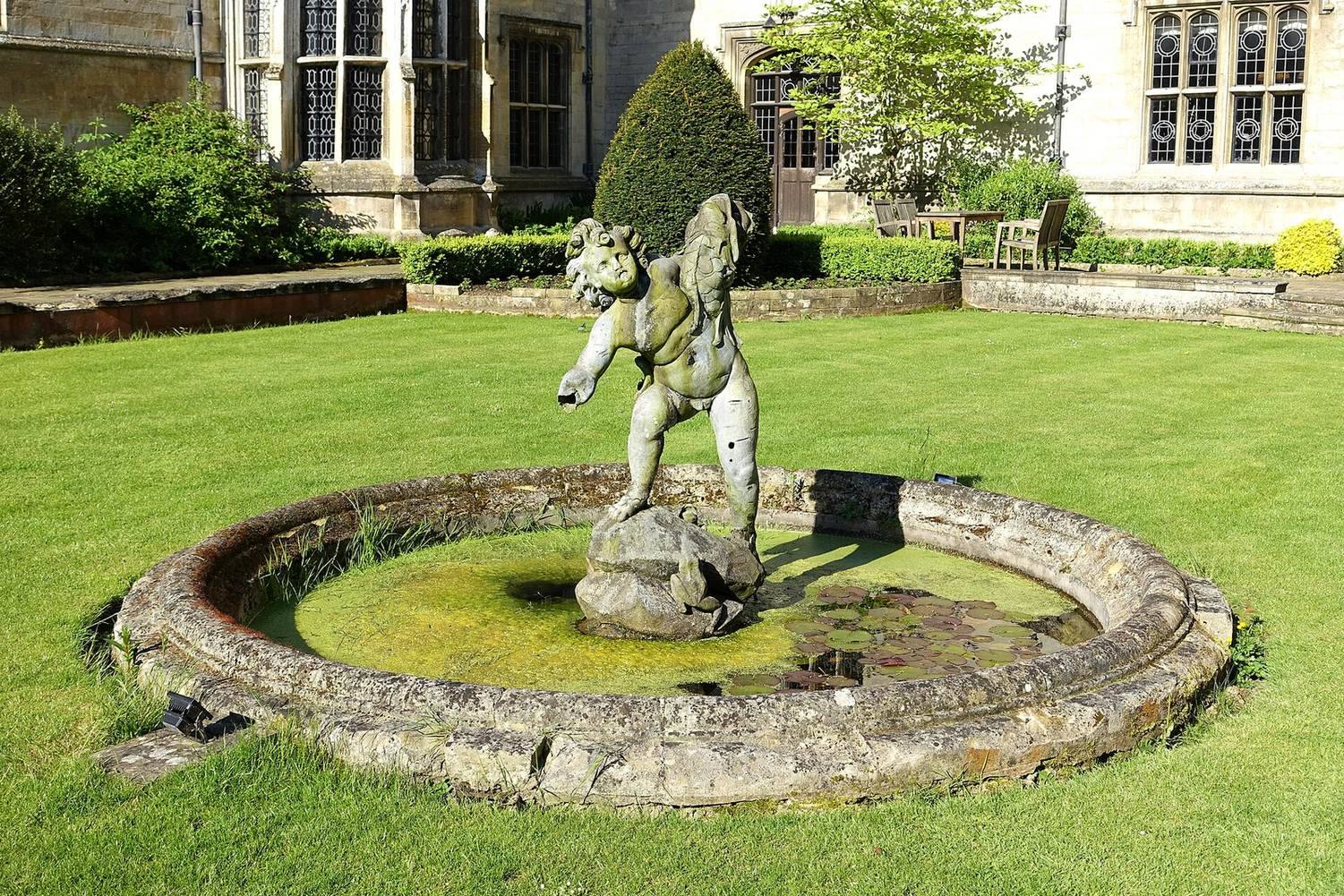
The estate covers about 227 acres (92 hectares), including 30 acres (12 hectares) of formal gardens. The River Ise runs west to east south of the Hall. The site also includes the Triangular Lodge in former parkland; the estate beyond the hotel has separate ownership.
The Hall and Grounds
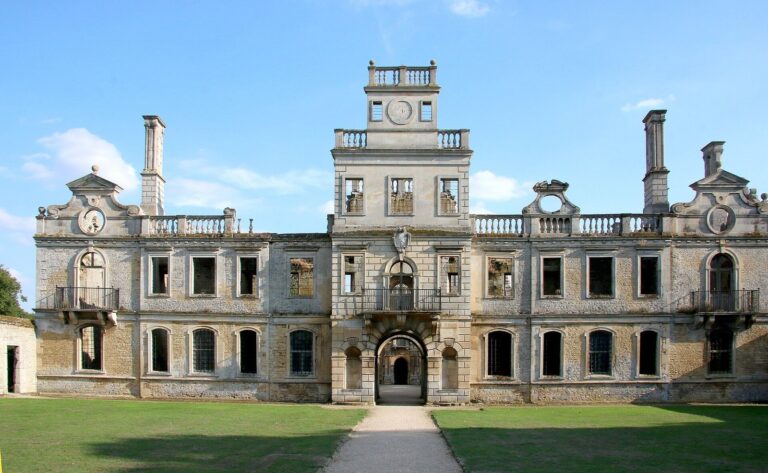
Rushton Hall
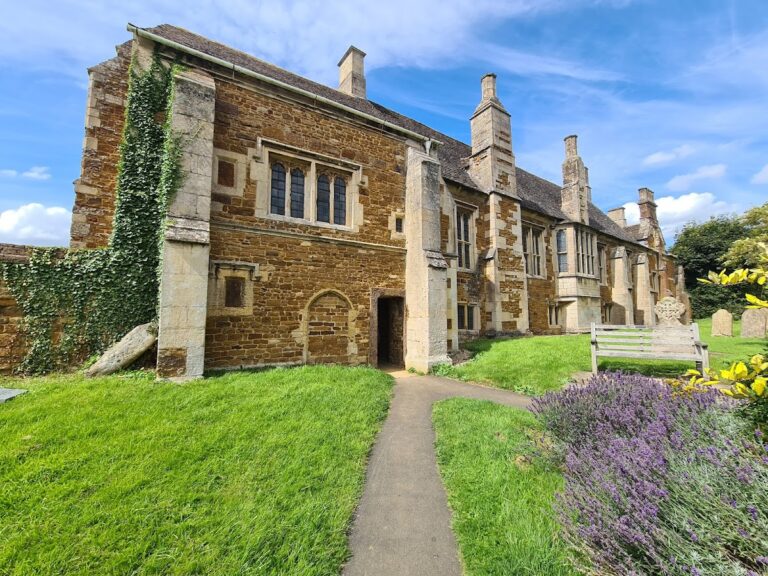
The Hall was complete before or during 1438, and parts of the building date to the 15th and 16th centuries. Its Tudor and Jacobean architectural details were substantially reinstated during James J. Van Alen’s tenancy.
Formal Gardens
Thomas Mawson, a British landscape architect and garden designer, laid out the formal terraced gardens between 1905 and 1909. They form part of the estate’s 30 acres of formal gardens.
Triangular Lodge
Built by Thomas Tresham in 1592, the Triangular Lodge is a 16th-century structure set in the estate’s former parkland. It belongs to English Heritage, while the wider estate beyond the hotel is separately owned.