Lyddington Bede House: A Medieval Bishop’s Palace and Almshouse



Site at a Glance
- Rating
- 4.6
- Popularity
- Low
- Country
- United Kingdom
- Primary era
- Medieval
- External website
- Open
- Eras represented
- Medieval
- Civilizations
- English
- Site type
- Religious
- Remains
- Palace
On this page8 sections
History
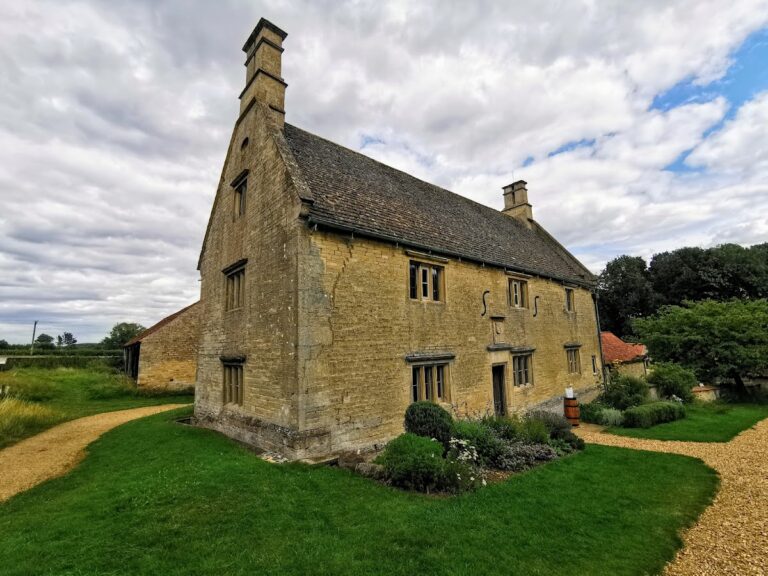
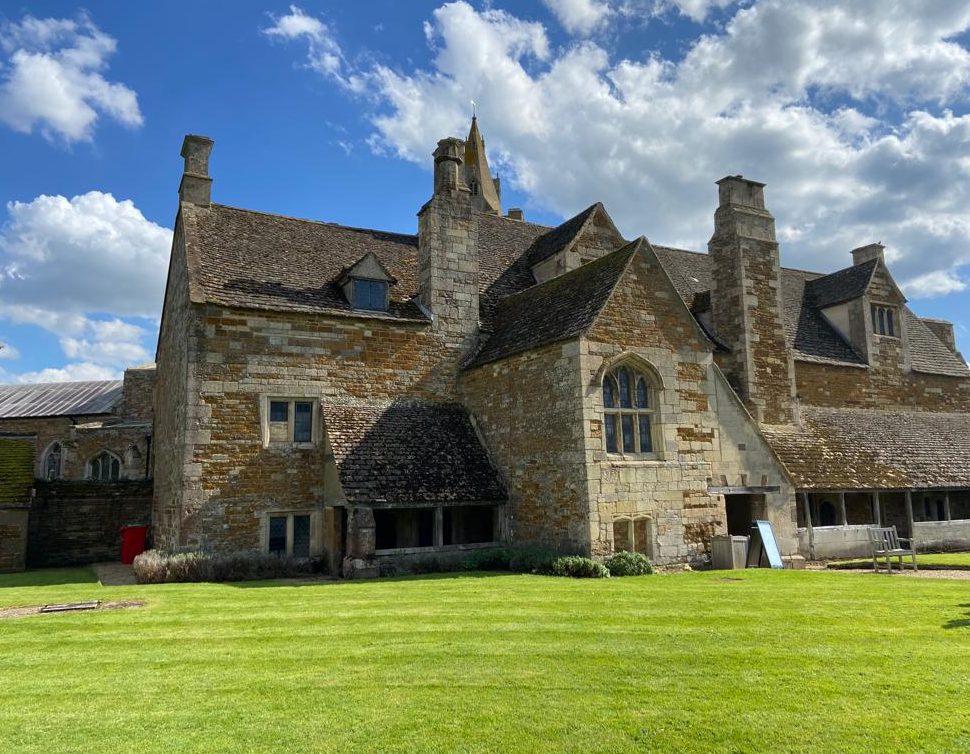
Lyddington Bede House is a medieval building in the United Kingdom, at Lyddington in Leicestershire, which originated in the 12th century as part of a palace belonging to the Bishops of Lincoln. The palace stood beside a north–south road and offered the bishop’s travelling entourage a convenient place to stop while moving through the diocese. Medieval Lincoln was the largest ecclesiastical jurisdiction in England, extending from the River Thames to the Humber Estuary.
From palace to private house
Only one wing of the former palace survives. The rest of the complex was demolished after 1547, during the period that followed the Reformation, the sixteenth-century religious and institutional change that ended England’s allegiance to the Roman Catholic Church and redistributed church property. Ownership then passed to the Cecil family, who adapted the remaining palace buildings as a private residence.
The almshouse period
By 1600, the property belonged to Thomas Cecil, 1st Earl of Exeter. He converted the surviving building into an almshouse for twelve poor bedesmen. An almshouse was a charitable residence offering housing and support to people in need; bedesmen traditionally received this assistance in return for prayers. The building continued in this role until 1930.
Lyddington Bede House is now owned and opened to the public by English Heritage, which manages many historic buildings and monuments in England. The building has Grade I listed status, identifying exceptional architectural or historic interest, while the wider site is a scheduled monument protected under national heritage law. The associated Watchtower has its own Grade I listing, and the boundary walls are listed at Grade II.
Remains
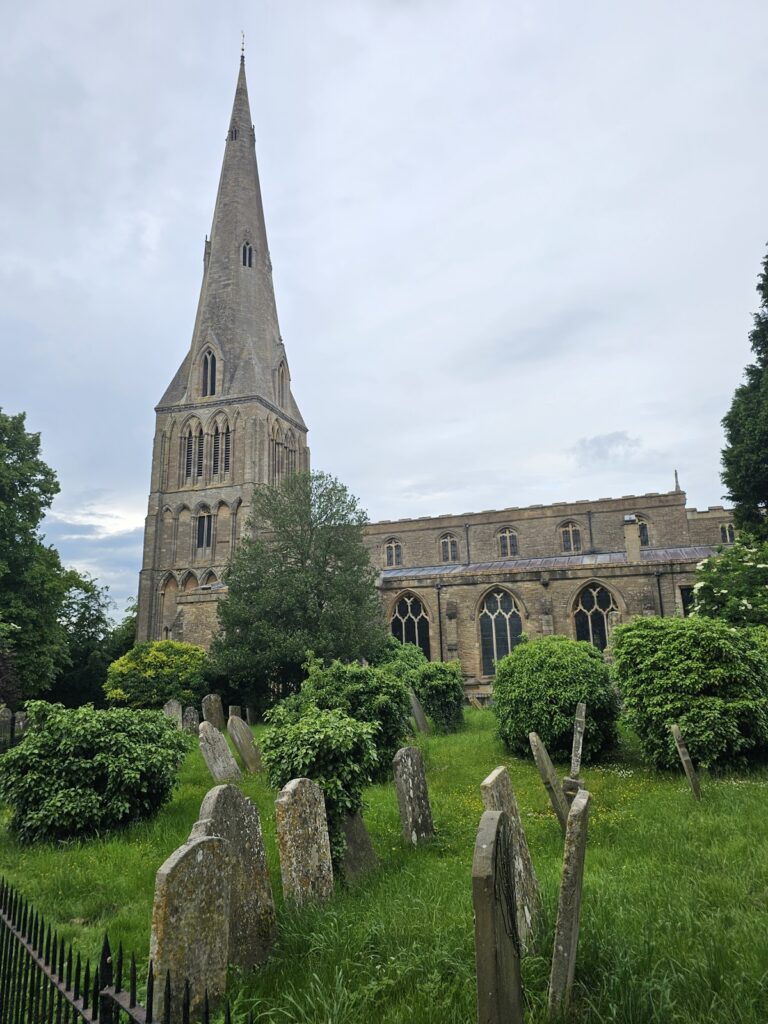
The surviving Bede House forms part of the former bishop’s palace beside St Andrew’s Church in Lyddington. Its medieval fabric includes later alterations, while the wider archaeological site preserves the palace’s moat, gardens, fishponds, and cultivation features. Together, these remains extend beyond the standing wing to show the former palace and almshouse within a broader managed landscape.
Surviving palace interiors and garden structures
The Great Chamber
The former bishop’s Great Chamber survives as an important interior space. A Great Chamber was a principal or ceremonial room in a medieval or early-modern residence. Here, the room retains a carved ceiling cornice, linking the surviving interior to the building’s earlier use as part of the bishops’ palace.
The Watchtower
The Watchtower, also known as the “Bishop’s Eye,” is a two-storey structure built into the palace garden wall. Its purpose remains uncertain. Although its name implies a defensive role, it is more likely to have been intended for leisure and has been described as a summerhouse or gazebo. A gazebo or summerhouse is a small garden building designed mainly for shelter and relaxation rather than defense.
Moat, gardens, and fishponds
The palace garden wall incorporates the Watchtower, and fishpond remains lie nearby. The scheduled archaeological area also includes the moat, gardens, and cultivation features associated with the former palace and its later use as an almshouse. These elements preserve the wider physical setting of the surviving building.