Forte de Santo António: A Vauban-Type Fort in Évora
Site at a Glance
- Popularity
- Very Low
- Country
- Portugal
- Primary era
- Early Modern
- Eras represented
- Early Modern
- Civilizations
- Portuguese
- Site type
- Military
- Remains
- Fort
On this page5 sections
History
Construction and the War of Restoration
Forte de Santo António is a Vauban-type fort in Évora, Portugal, begun in 1640 and completed around 1680 to strengthen the city’s defenses during the Portuguese War of Restoration, when Portugal broke from Habsburg rule and restored its independent monarchy. The Vauban-type design uses projecting corner defenses associated with French military engineer Sébastien Le Prestre de Vauban. King John IV ordered the fort built over the walls of the former Santo António da Piedade monastery. Its design is probably attributable to French military engineer Nicolau de Langres.
In May 1663, construction remained well behind schedule, and the fort had no regular garrison when Spanish forces occupied it. The attackers damaged the monastery with artillery fire. In June, a combined Anglo-Portuguese force besieged and assaulted the fort, recapturing it. Langres had defected to the Spanish side and was instructed to continue the construction work.
Reuse and modern occupation
After Portugal dissolved its religious orders in 1834, the monastery, its walls, and the fort served for several years as a public cemetery. The government then sold the complex at auction to private owners, who adapted and altered the former Franciscan monastery as a residence. The Franciscans are a Catholic religious order founded by Francis of Assisi.
In the twentieth century, the complex passed to the Major Seminary of Évora. The monastery buildings housed Externato de Santo António, a school, for decades and later served archdiocesan residential purposes. The complex now functions as the Archdiocesan Missionary Seminary of Évora Redemptoris Mater, a Catholic institution that prepares candidates for the priesthood. Its Latin name means “Mother of the Redeemer,” a Catholic title for Mary. The fort has been classified as a building of public interest since 1957, and conservation work on its walls was initiated by the General Directorate of Buildings and Monuments of the South.
Remains
Fortifications
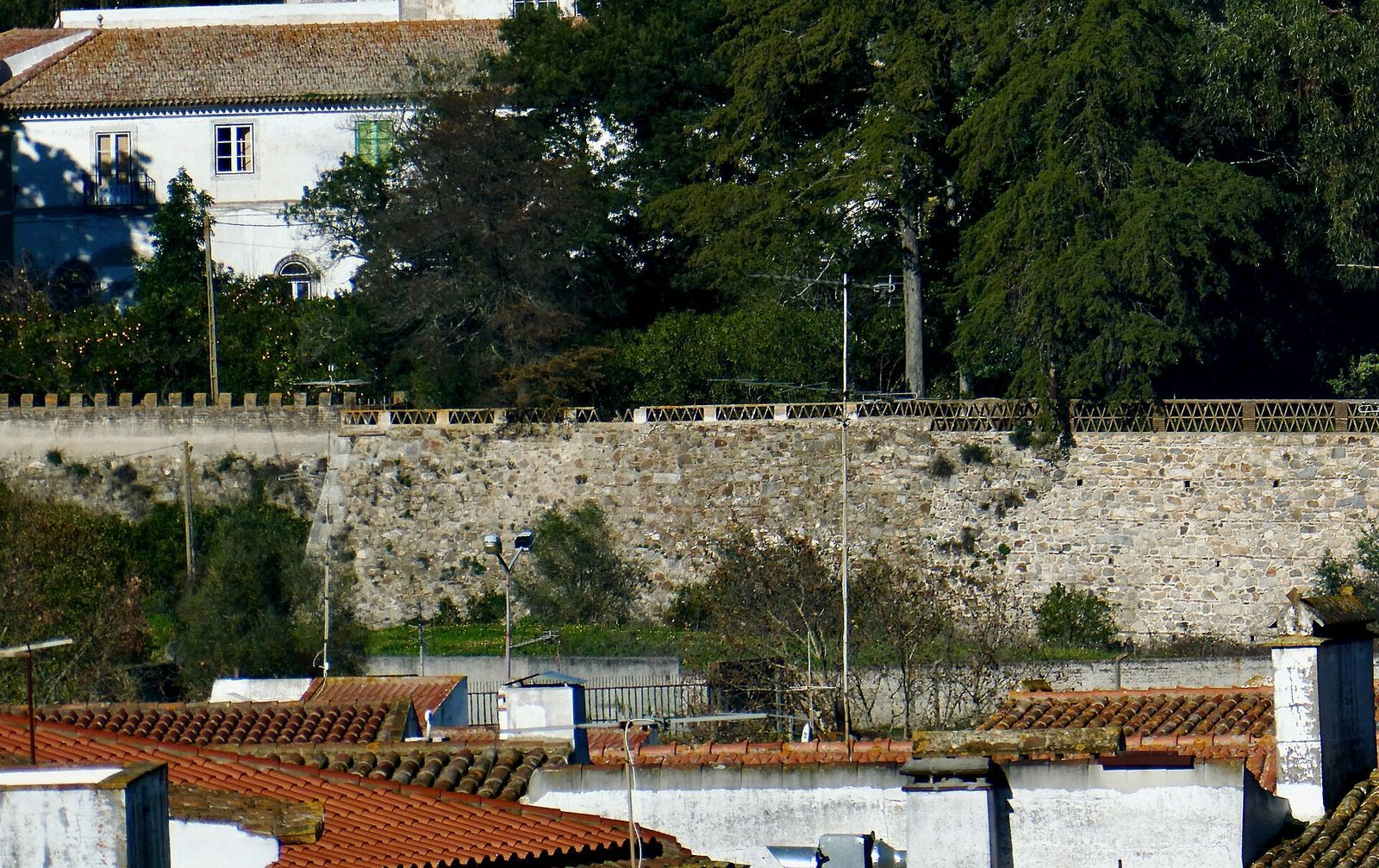
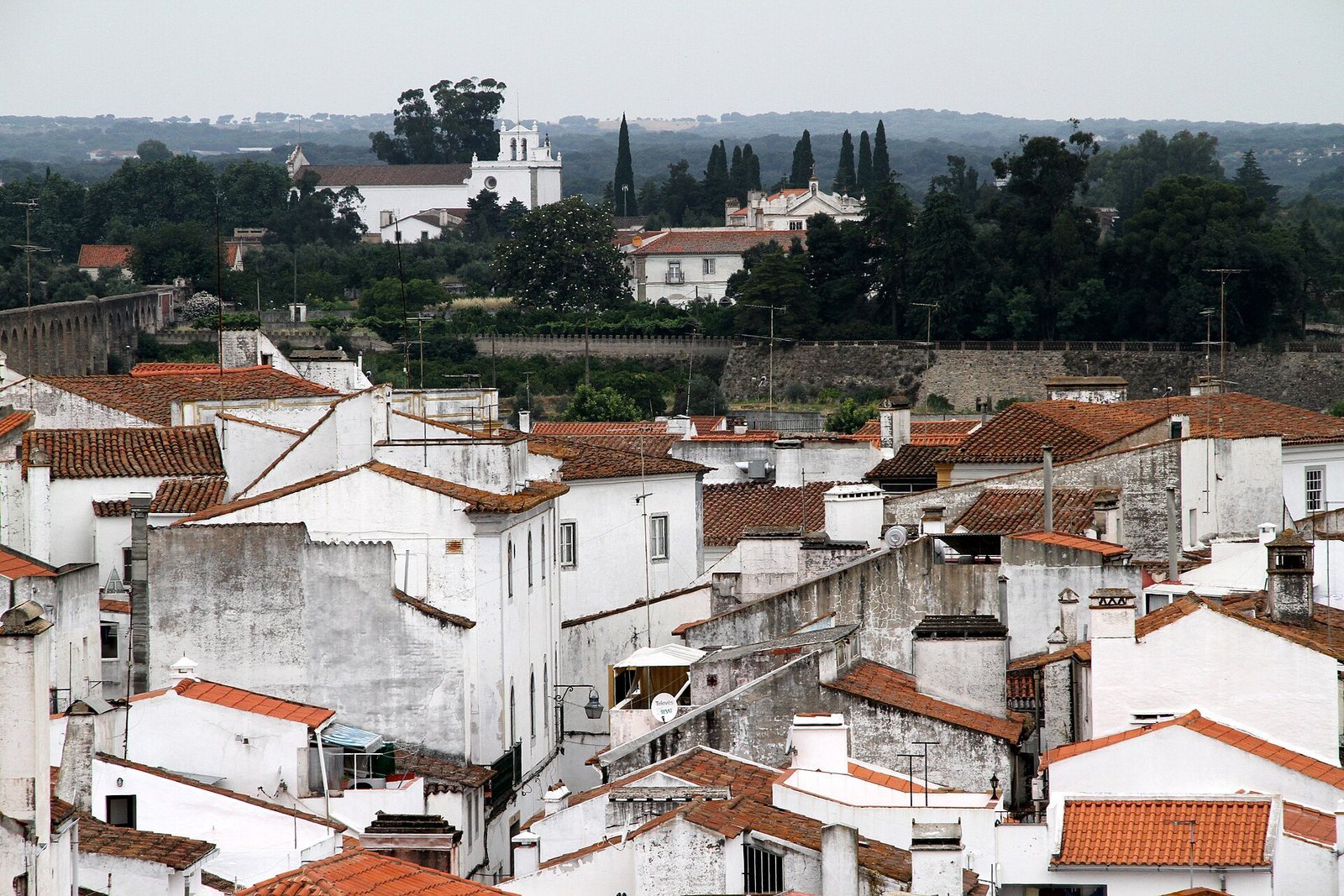
The fort has a square plan, with projecting defensive bastions at its corners and sentry turrets. An entrance gate leads into the fort, which was surrounded by a moat. Built over the walls of the former monastery, it stands about 250 metres north-northwest of Évora’s city walls, at an elevation of about 290 metres above sea level. The fort is described as being in good condition.