Palace of the Duke of Pastrana: A Renaissance Palace in Spain
Site at a Glance
- Popularity
- High
- Country
- Spain
- Primary era
- Early Modern
- Eras represented
- Early Modern, Modern
- Civilizations
- Crown of Castile, Spanish
- Site type
- Domestic
- Remains
- Elite Residence
On this page6 sections
History
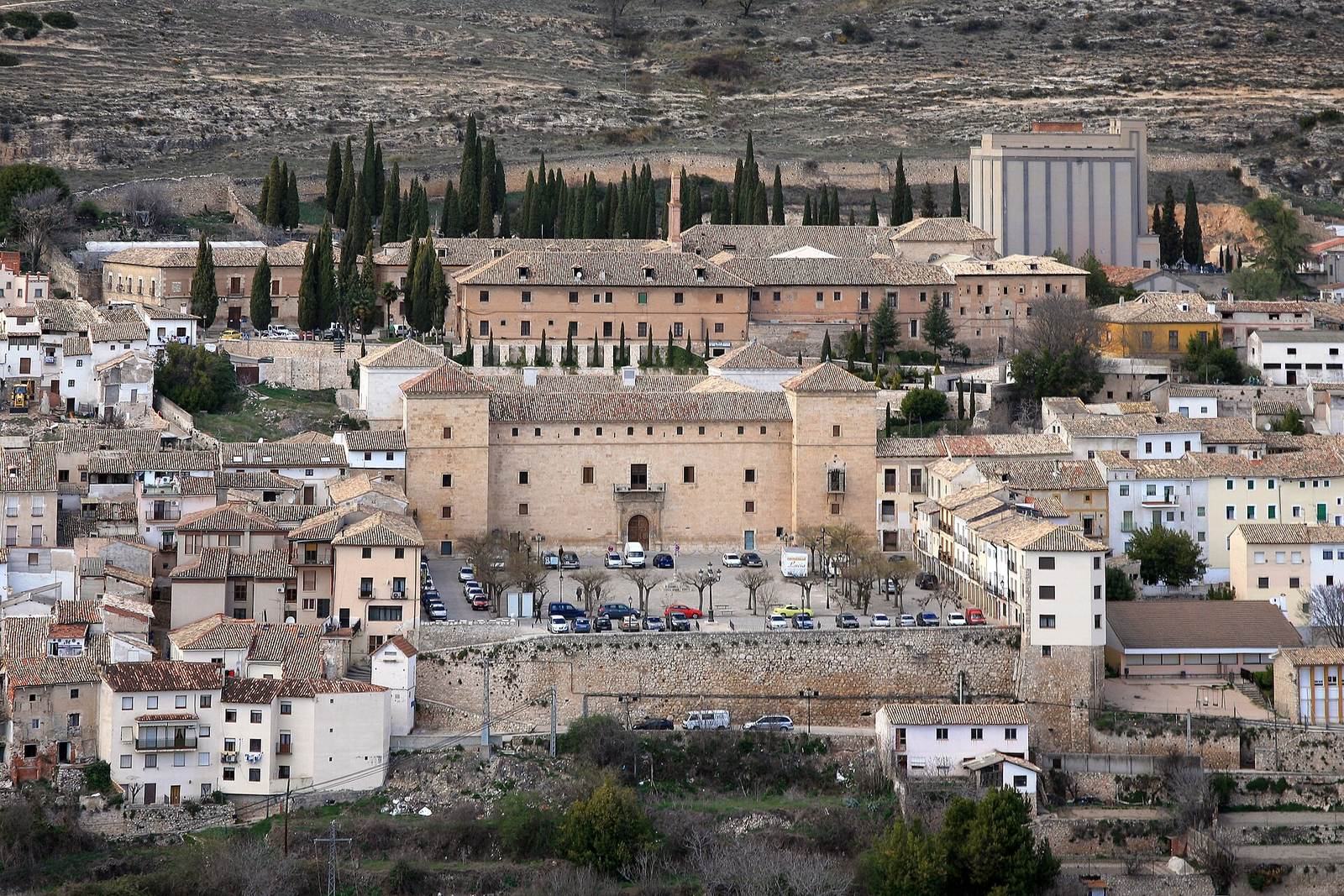
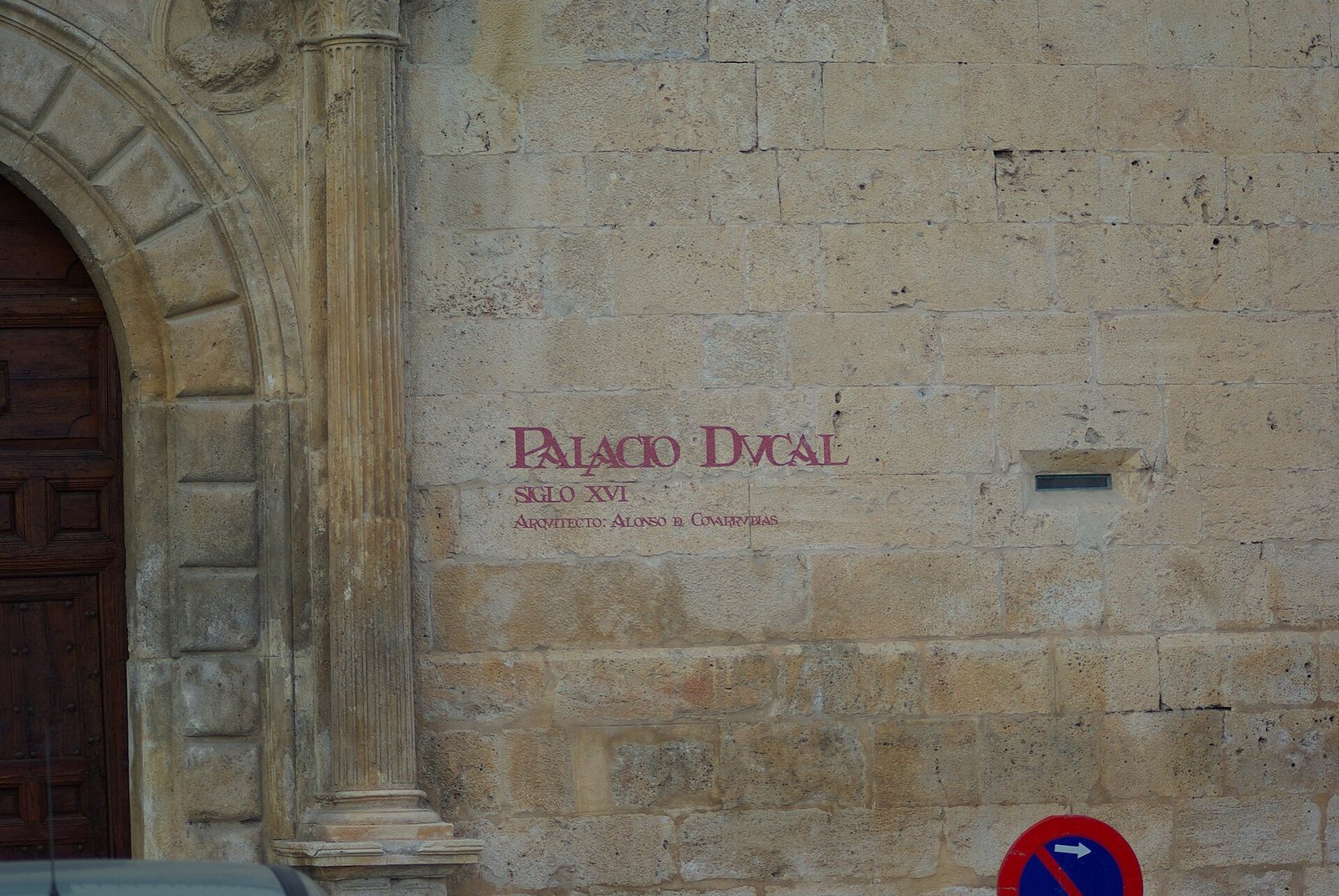
The Palace of the Duke of Pastrana is a sixteenth-century Renaissance palace in Spain, designed during a European movement that revived classical forms and ideas. Its project began in 1541, when Ana de la Cerda y Castro bought Pastrana. Alonso de Covarrubias designed the palace, but legal obstacles prevented its completion.
Sixteenth-century origins and court history
In 1581, Ana de Mendoza, Princess of Éboli, was imprisoned in the palace. She died there in 1592, attended by her younger daughter, Ana de Silva, and three maids. Ana de Silva later became a nun.
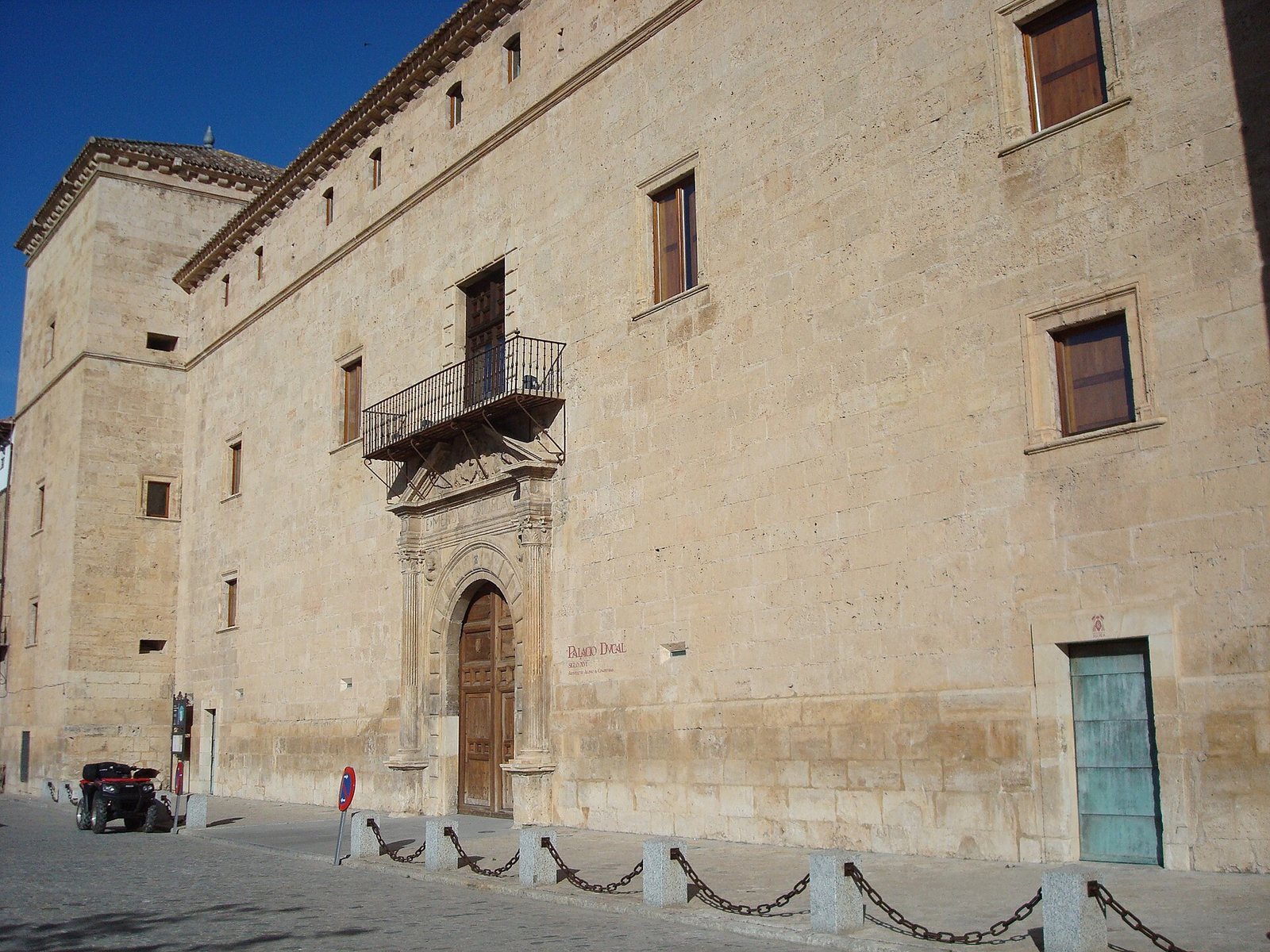
The princess was allowed to spend one hour each day on a balcony overlooking the Plaza de la Hora, whose name refers to this daily allowance. In 1590, after Antonio Pérez, secretary to Philip II, fled to the Kingdom of Aragon, the king ordered bars fitted to the palace’s doors and windows. Philip II ruled Spain from 1556 to 1598.
María Ana of Austria was born in the palace. She was the daughter of María de Mendoza and Don Juan of Austria, a son of Emperor Charles V and a Habsburg military commander.
Preservation and completion
The palace became a national monument in 1941 and received Historic-Artistic Ensemble status in 1966. The University of Alcalá acquired it in 1997 and restored and completed the building.
Remains
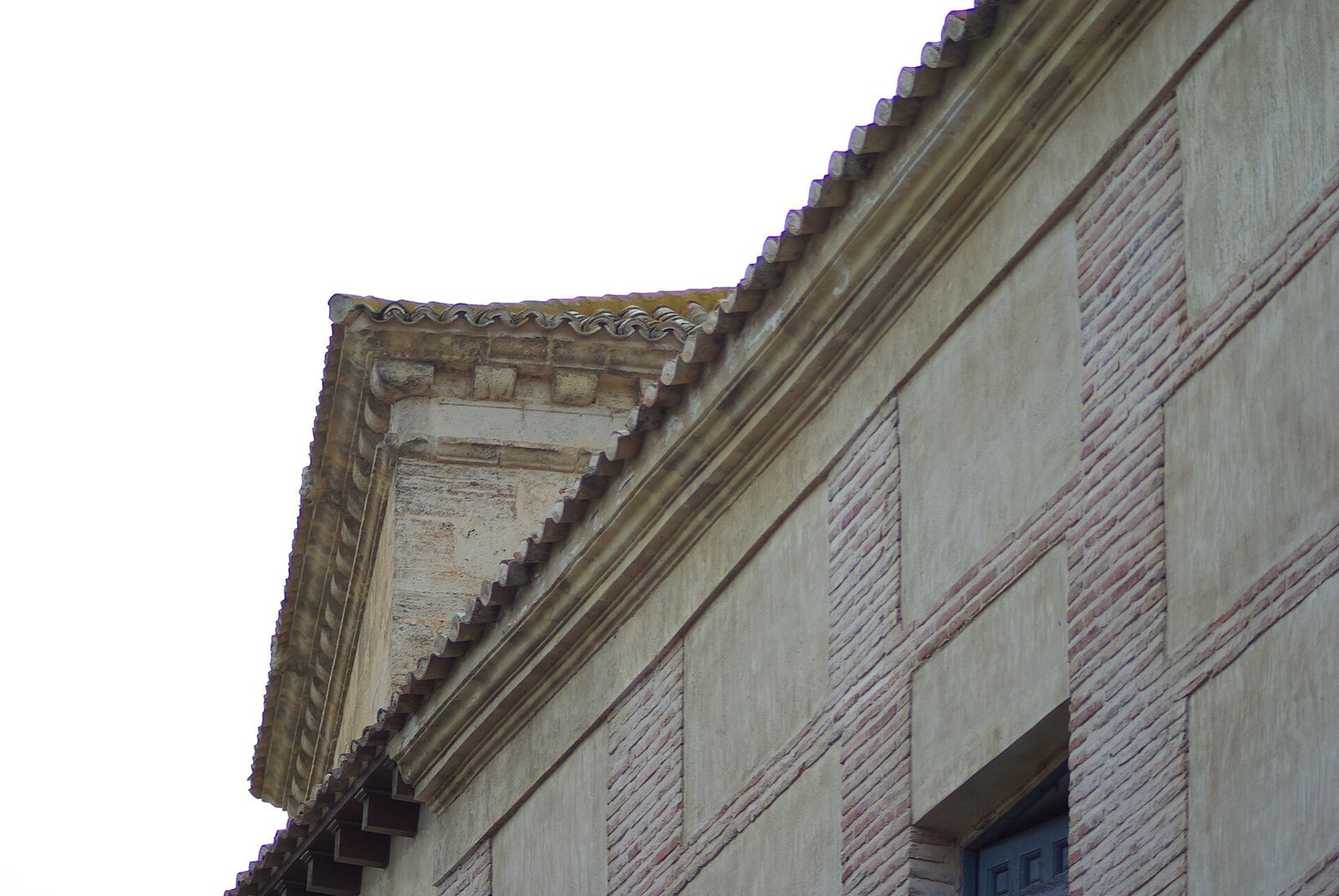
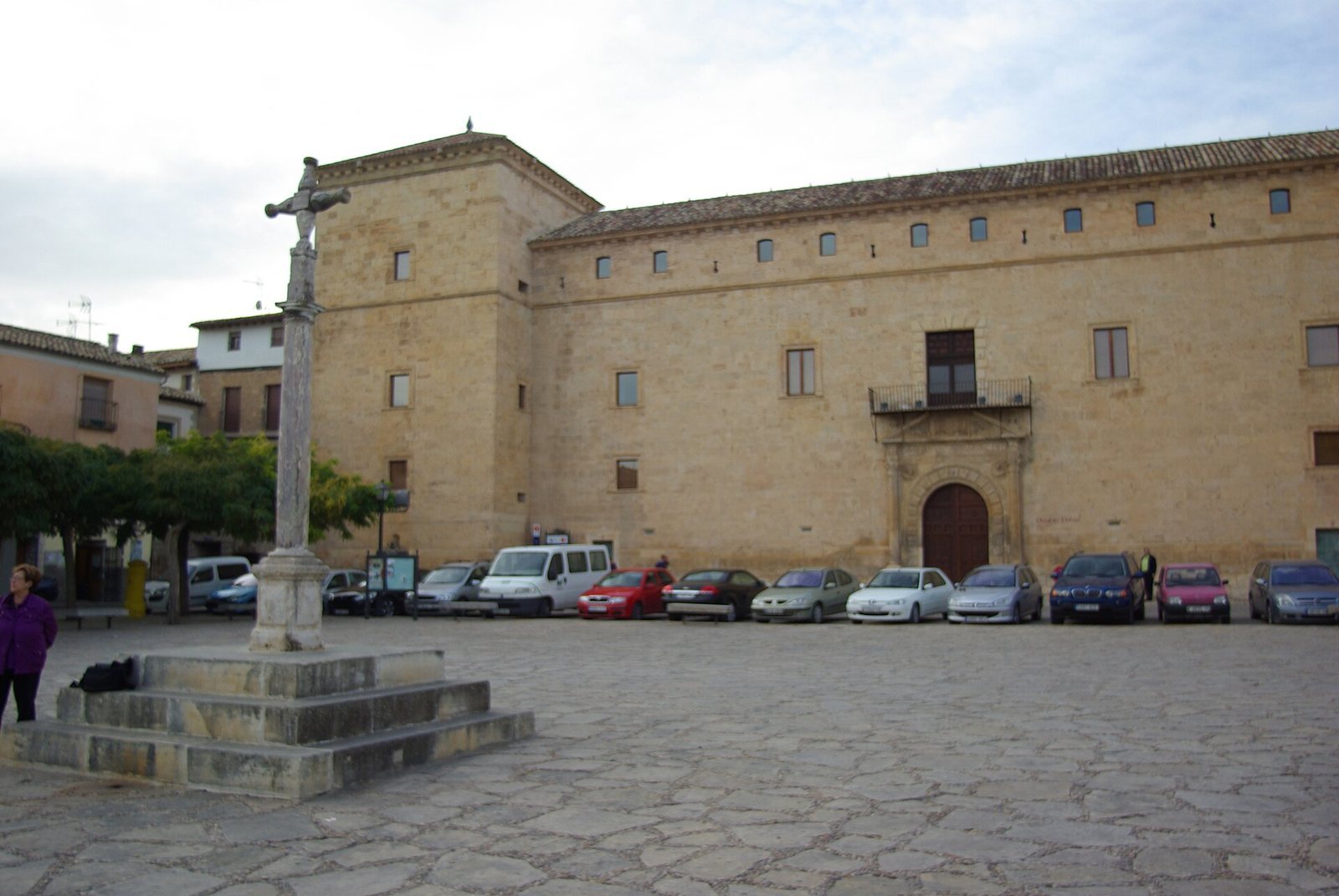
The palace has a square plan with towers at the corners and a central courtyard designed by Antonio Fernández Alba. A terraced garden lies behind the building. Dressed stone and restrained ornament characterize its exterior.
Exterior
The central Renaissance façade has an Italianate character and bears the inscription “De Mendoza y de La Cerda,” meaning “of Mendoza and La Cerda.” A balcony fitted with a grille forms part of the exterior.
Interior
Coffered ceilings, formed from recessed panels, are attributed to Alonso de Covarrubias and follow the Plateresque style, an ornate form of Spanish Renaissance design. Toledo tiles line the lower walls in the Mudéjar style, a Christian Iberian tradition that incorporated forms and techniques derived from Islamic art. Nineteenth-century Chinese furniture and tapestries by Luis Cienfuegos also decorate the interior.