Clarendon Building: Oxford University Press’s Former Home
Site at a Glance
- Popularity
- High
- Country
- United Kingdom
- Primary era
- Early Modern
- Eras represented
- Early Modern
- Civilizations
- British
- Site type
- Economic
- Remains
- Production Complex
On this page4 sections
History
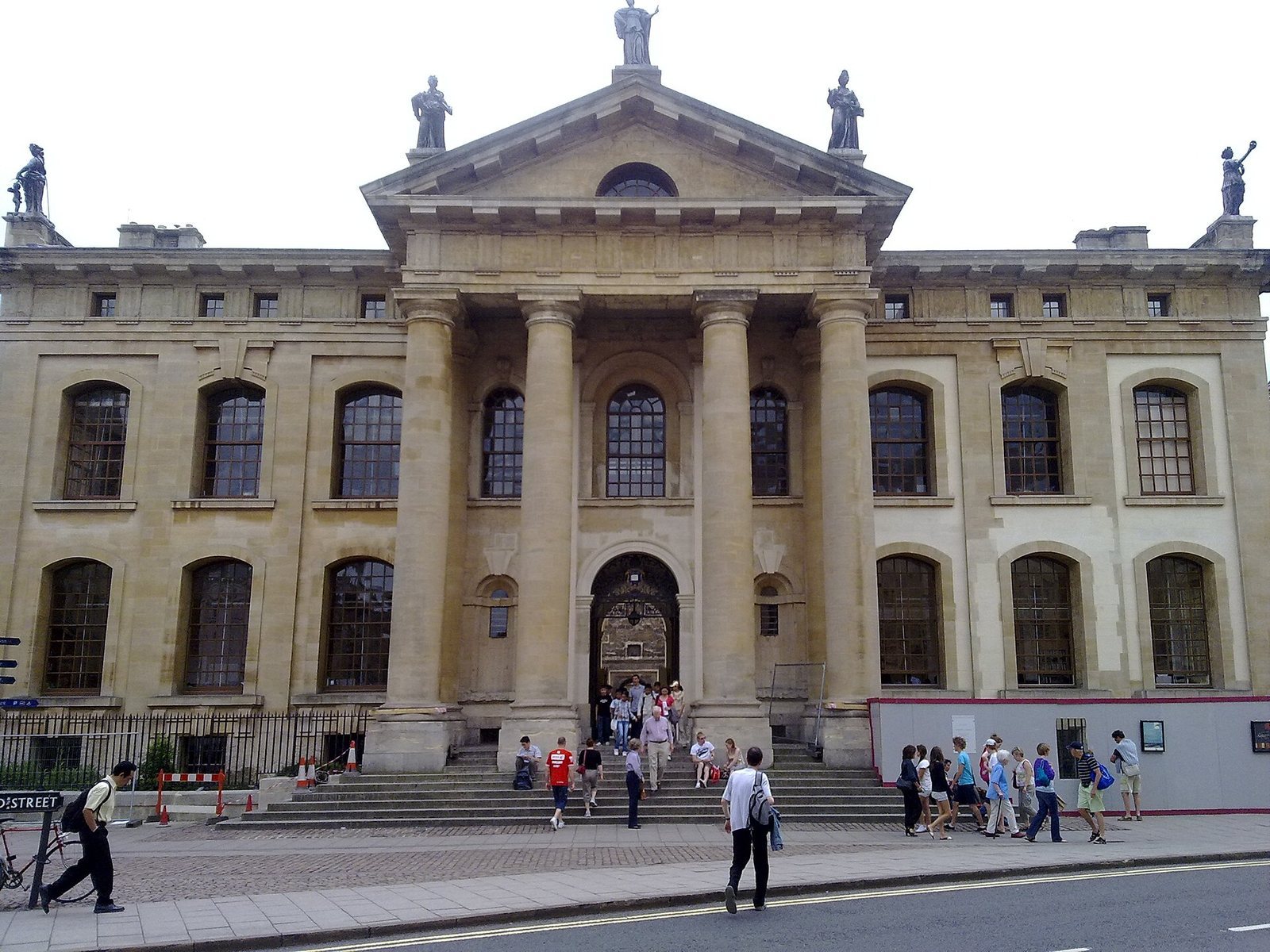
The Clarendon Building is a Neoclassical structure in Oxford, United Kingdom, commissioned for the Oxford University Press (OUP), the University of Oxford’s publishing institution. Built between 1711 and 1715, it provided the Press with premises separate from the Sheldonian Theatre, a University building used for ceremonies.
A separate home for the Press
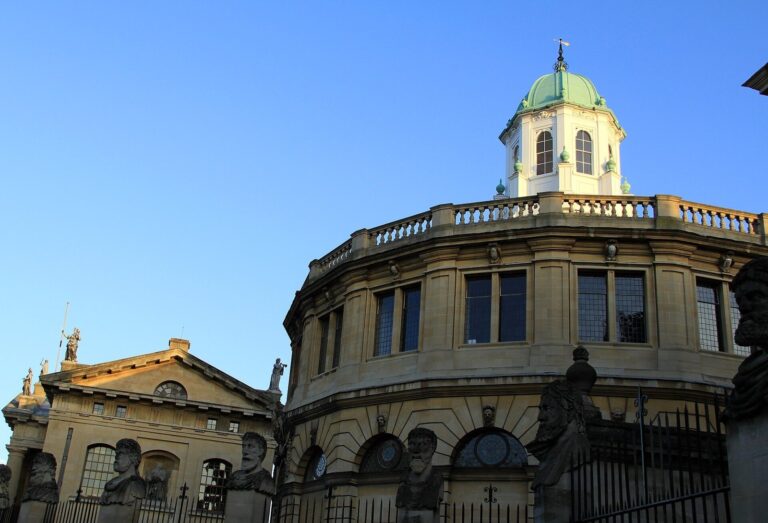
Until the early eighteenth century, the Press’s printing presses operated in the Sheldonian Theatre’s basement. Compositors could not work there during ceremonies, while demand for printed works was increasing. The University therefore commissioned a separate building for the Press.
English architect Nicholas Hawksmoor designed the building. William Townesend of Oxford carried out its construction and sculptural work. Much of the funding came from profits on History of the Great Rebellion, written by Edward Hyde, the 1st Earl of Clarendon. Hyde’s son had granted the University the copyright. The building’s name reflects this financial connection, and the Earl’s legacy later also helped fund the Clarendon Laboratory.
University and Bodleian Library use
In the 1820s, the OUP moved to new premises on Walton Street, and the University took over the Clarendon Building for administrative use. In 1975, the building passed to the Bodleian Library, the University’s principal library, which uses it for offices and senior staff meetings. It is Grade I listed, the highest category of listed-building protection in England, reserved for buildings of exceptional interest.
Remains
The Clarendon Building stands on Broad Street near its junction with Catte Street. It is beside the Bodleian Library and the Sheldonian Theatre.