Donville Manor: A Country Residence and 1944 Battle Site in France
Site at a Glance
- Popularity
- Low
- Country
- France
- Primary era
- Early Modern
- Eras represented
- Medieval, Early Modern
- Civilizations
- French, Norman
- Site type
- Domestic
- Remains
- Manor House
On this page11 sections
History
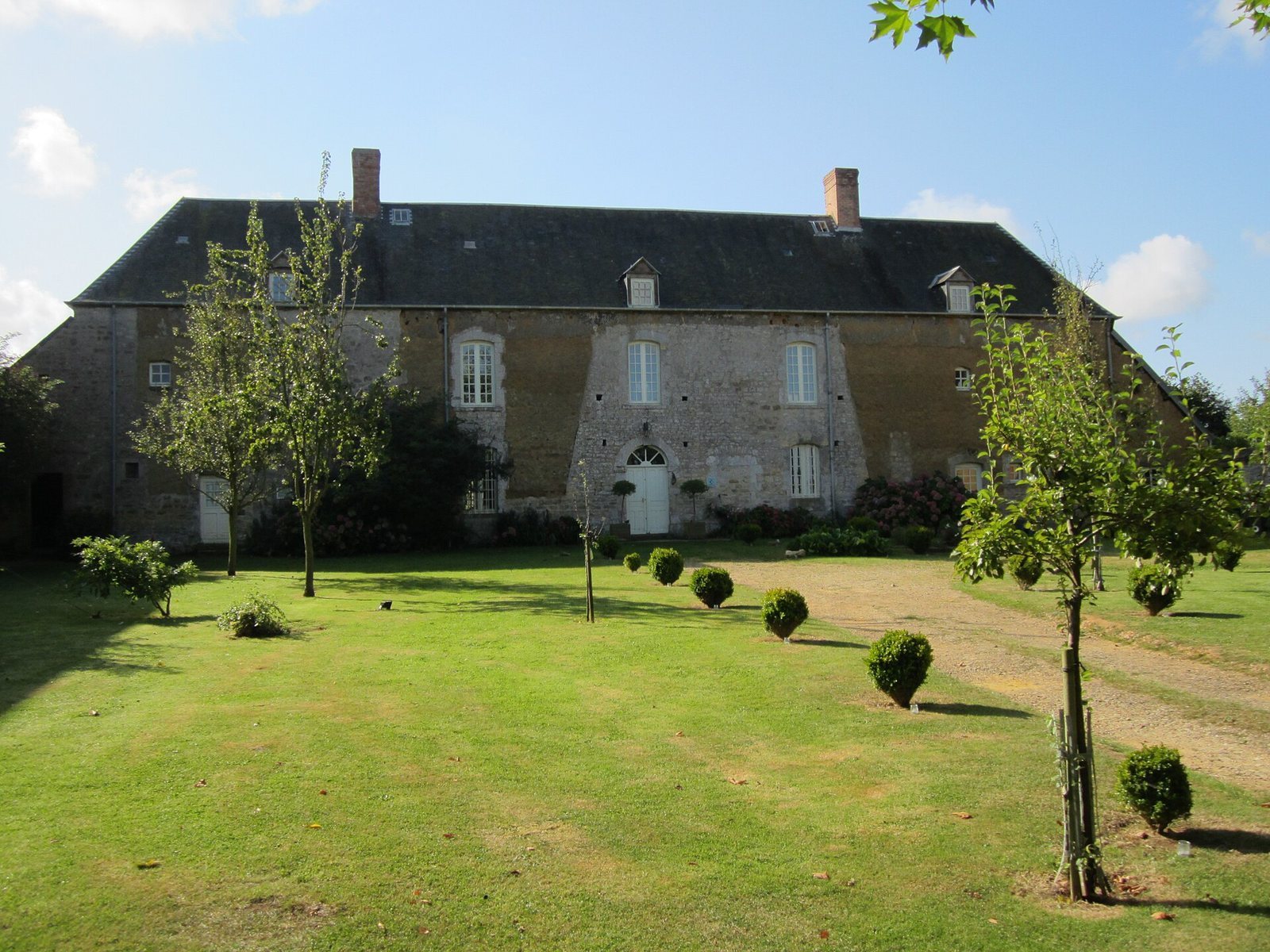
Donville Manor is a historic country residence in France. Traces of the manor and its chapel date to 1079, while the manor house itself dates to the late seventeenth century.
Aristocratic estate and country residence
The property belonged to several powerful aristocratic families of northern Cotentin, including the de Méautis, Osbert, and Gigault de Bellefonds families. Its first non-noble owner was Louis Gislot, a wealthy farmer from nearby Sainteny, who bought it in 1770 from the family then in possession.
In 1778, Gislot enlarged and rebuilt the manor, converting it into a country residence for pleasure. This rebuilding established a new phase in the estate’s history.
Fighting in 1944
From 12 to 17 June 1944, the manor served as a temporary headquarters for German paratroopers and the 17th SS Division Götz von Berlichingen. The division belonged to the Waffen-SS, the armed combat branch of the SS, a major Nazi organization.
After American paratroopers of the 101st Division captured Carentan on 12 June, German SS troops and paratroopers counterattacked and fought American paratroopers at Donville. The four days of fighting became known as Bloody Gulch, or “Bloody Ravine.” Afterward, bodies lay scattered along the ravine leading to the manor. Twelve tonnes of ammunition were found around the property after the war.
Restoration and protection
Franck Feuardent and his wife acquired the manor in 1999 and began restoring it after decades of neglect had left it close to ruin. Extensive records, including many post-mortem inventories, guided work intended to remain as faithful as possible to the manor’s earlier form. Parts of the property were registered as historic monuments on 23 February 2011.
Remains
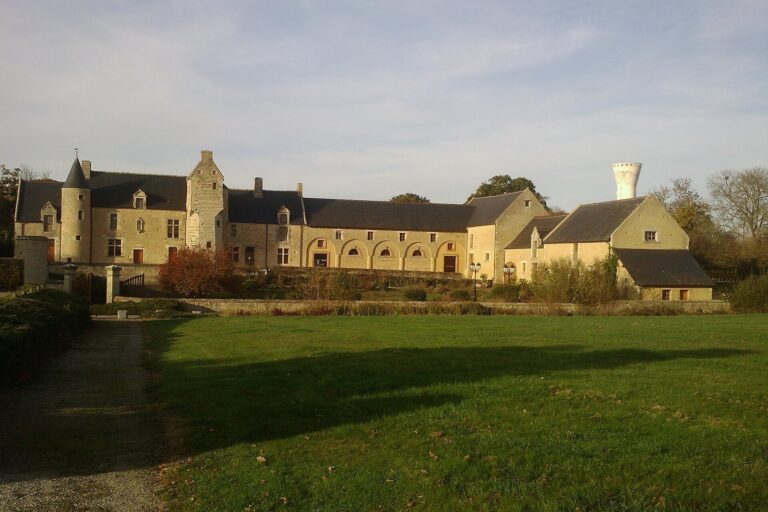
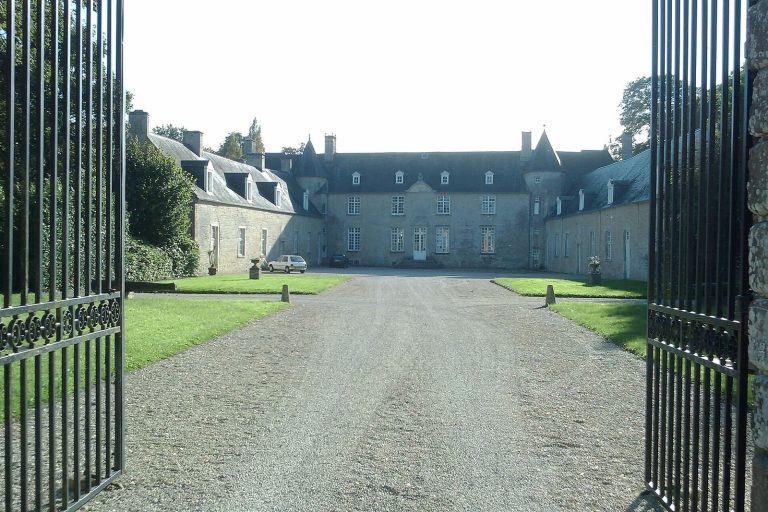
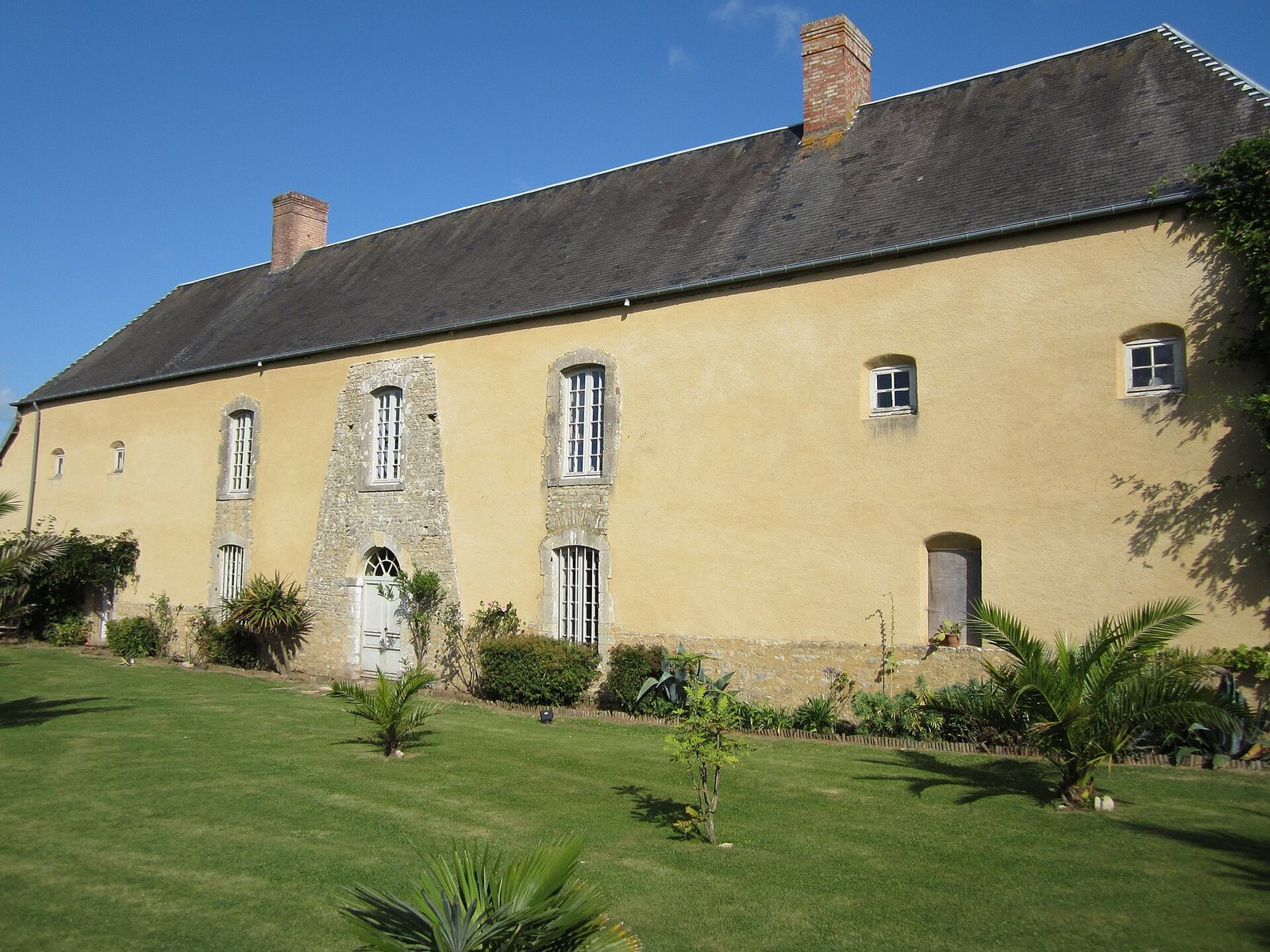
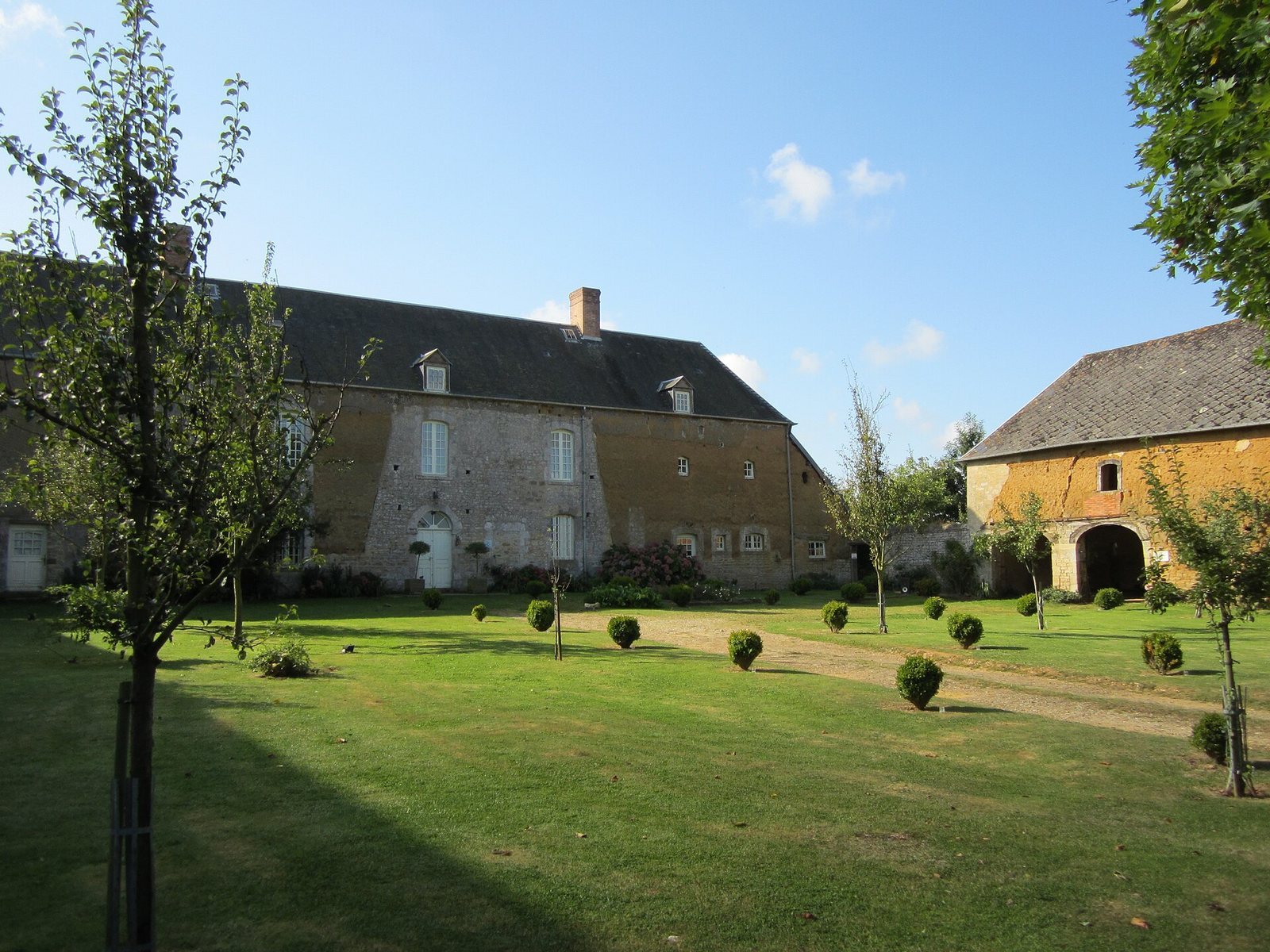
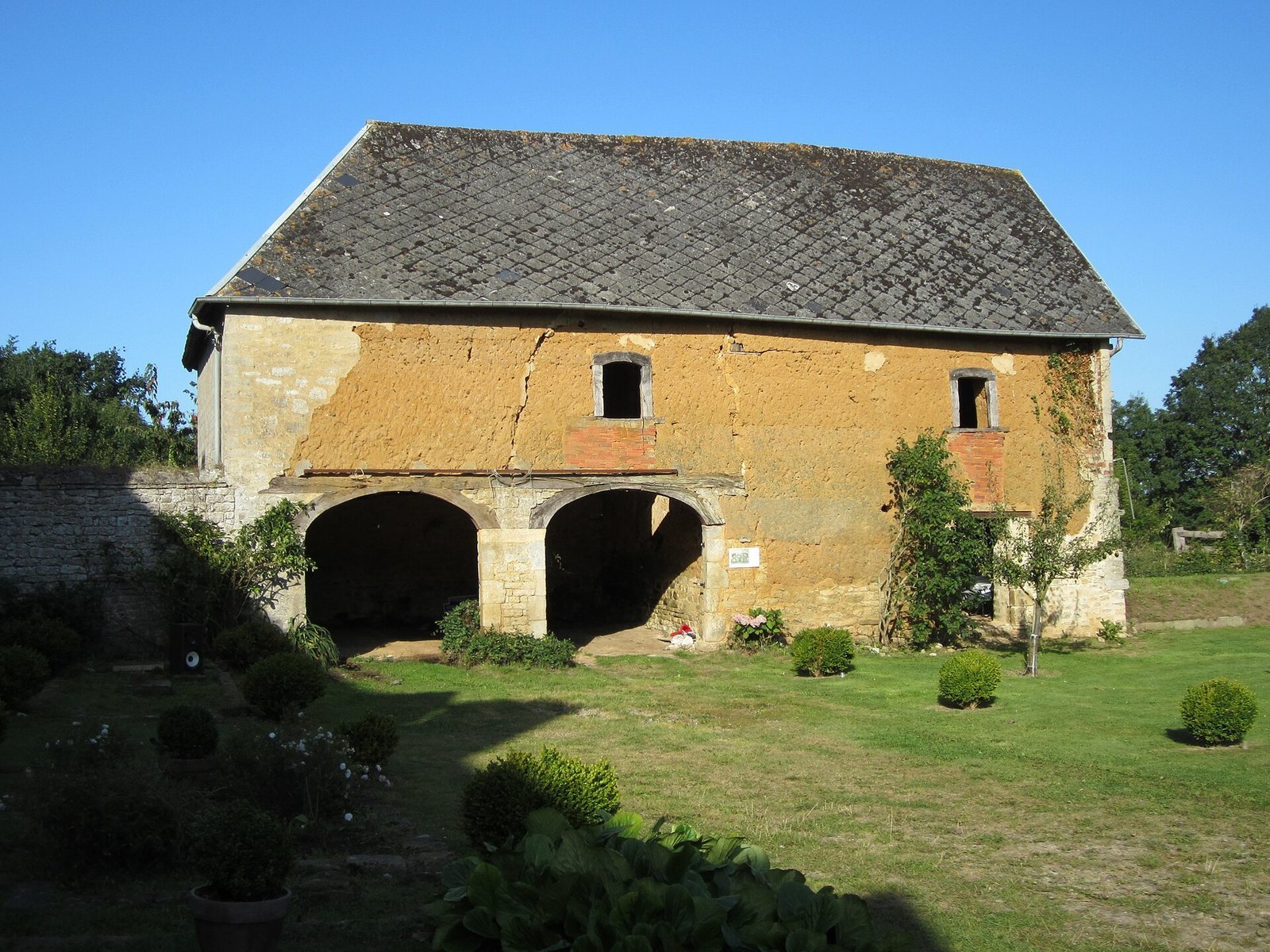
The manor stands in marshland west of Carentan, 2.4 km north-northeast of the Church of Saint-Hilaire in Méautis. The grounds include a main courtyard, terraced gardens, and a chapel cemetery opposite the house. The manor’s walls are made of cob, a mixture of clay-rich soil, water, straw, lime, and stones, laid over a stone framework.
The manor and grounds
Main residence
The roof frame dates to 1778 and is made from a single piece of elm, shaped like an inverted hull. The artisan Michel Lafontaine crafted it. Inside, the manor has private sitting rooms and small reception rooms, while decorative wood panelling remains in the entrance vestibule.
Courtyard outbuildings and gardens
A cart shed and a barn stand on opposite sides of the main courtyard. Terraced gardens form part of the grounds.
Cemetery and battle traces
Chapel cemetery
The cemetery holds the graves of three civilians shot by German forces, including Hubert Descamps.
Battle damage
Bullets remain lodged in the manor’s rammed-earth walls, physical traces of the fighting at Donville.