Palazzo Skanderbeg: A Fifteenth-Century Palace in Rome
Site at a Glance
- Popularity
- Medium
- Country
- Italy
- Primary era
- Medieval
- Eras represented
- Medieval
- Civilizations
- Papal States
- Site type
- Domestic
- Remains
- Elite Residence
On this page4 sections
History
Skanderbeg and the palace
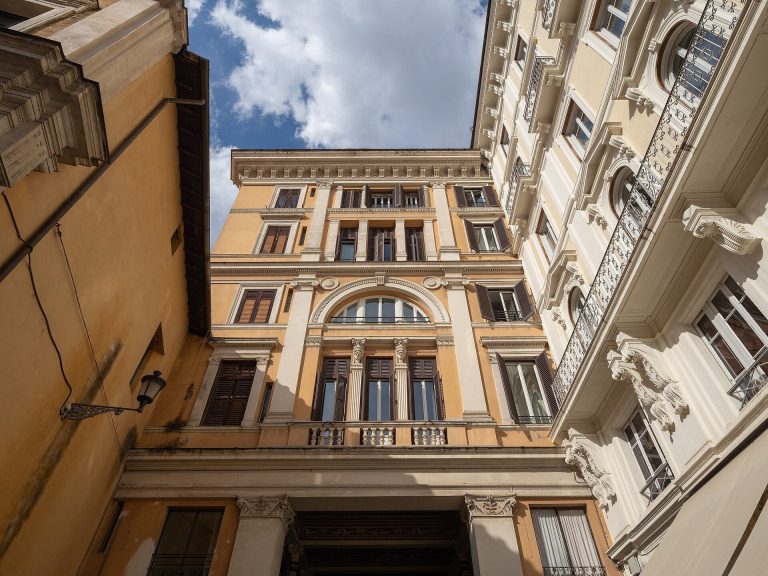
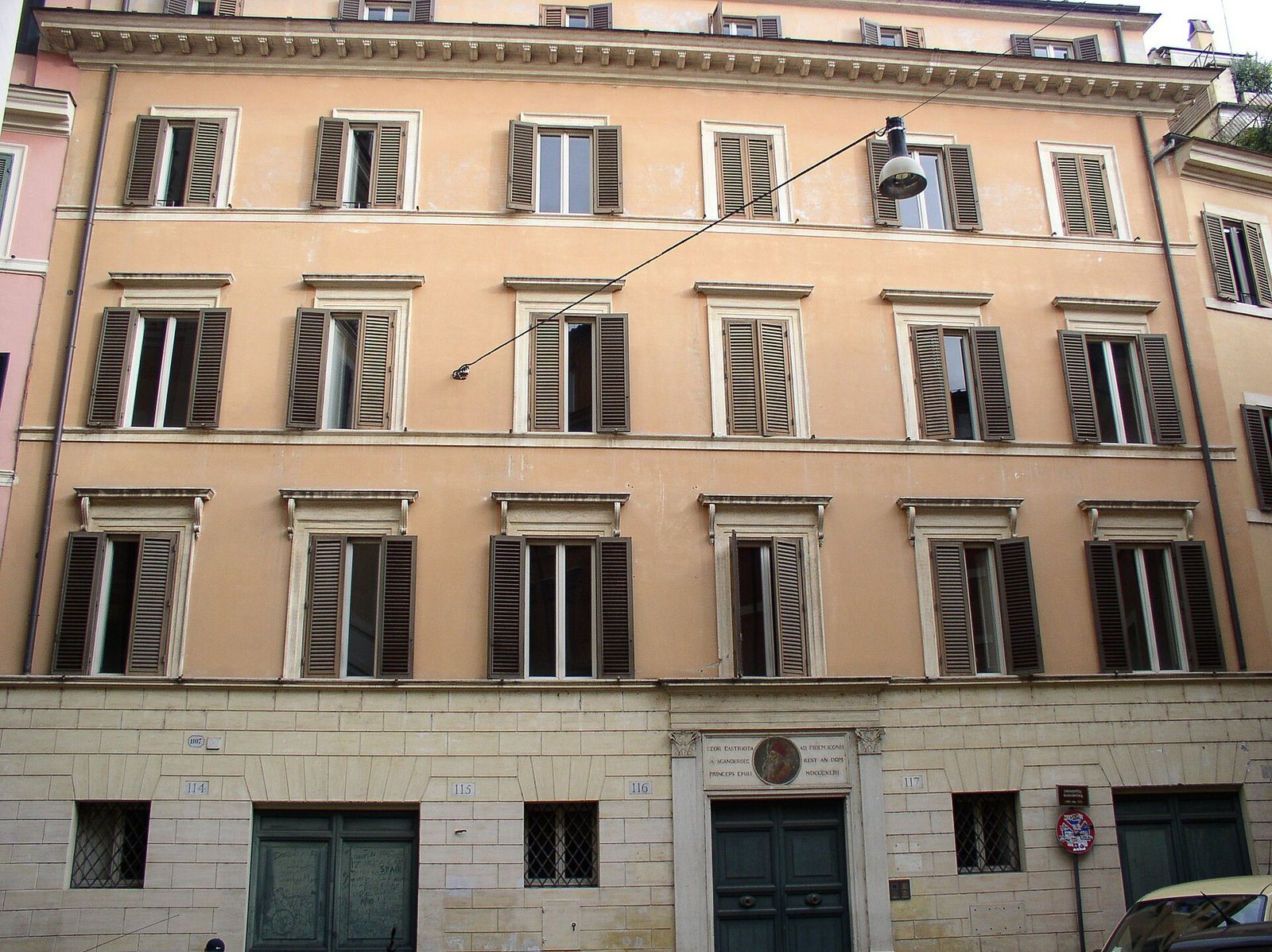
Palazzo Skanderbeg is a fifteenth-century palace in Rome, Italy, built during that century and acquired by Gjergj Kastriot Skanderbeg, an Albanian nobleman and military commander remembered as Albania’s national hero for resisting Ottoman expansion. In 1466, Skanderbeg stayed at the palace during a visit to Rome to seek Pope Paul II’s help in the war between the Christian Albanian state and the Ottomans, whose empire was expanding into the Balkans.
The palace’s name and later use
Rome’s residents found Skanderbeg’s name difficult to pronounce, and it became Scannabecchi, a form used for several centuries before the palace’s name returned to Skanderbeg. The altered name also became associated with the square and lane named after the palace.
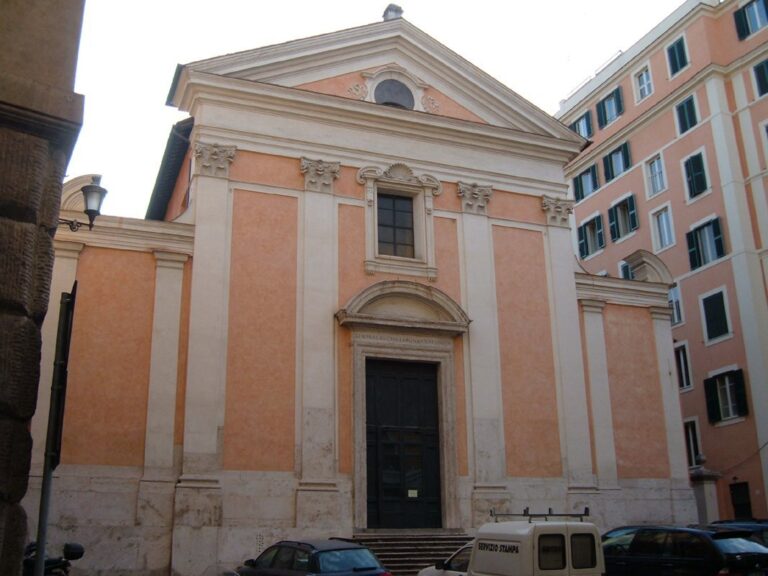
A restoration in 1843 gave the palace its present appearance. In the twentieth century, the building housed the National Museum of Pasta Foods, which later moved to Via Flaminia. A further restoration in 2016 preceded the palace’s conversion to accommodation. It now houses the Palazzo Skanderbeg Townhouse and Palazzo Skanderbeg Suites.
Remains
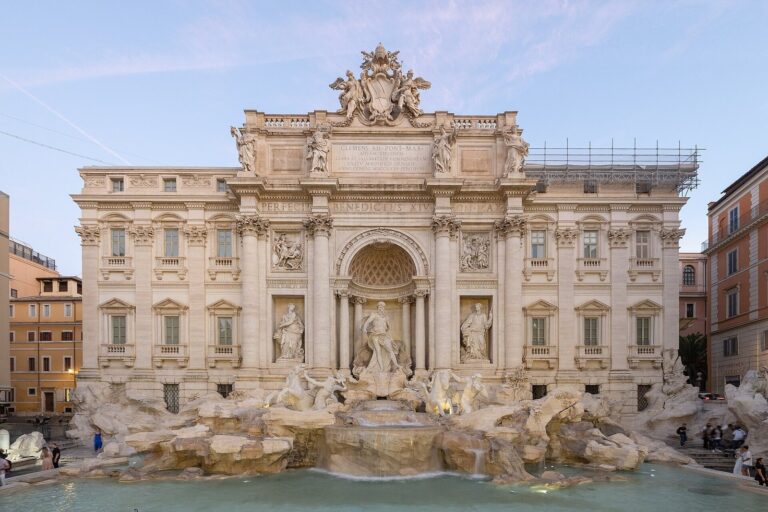
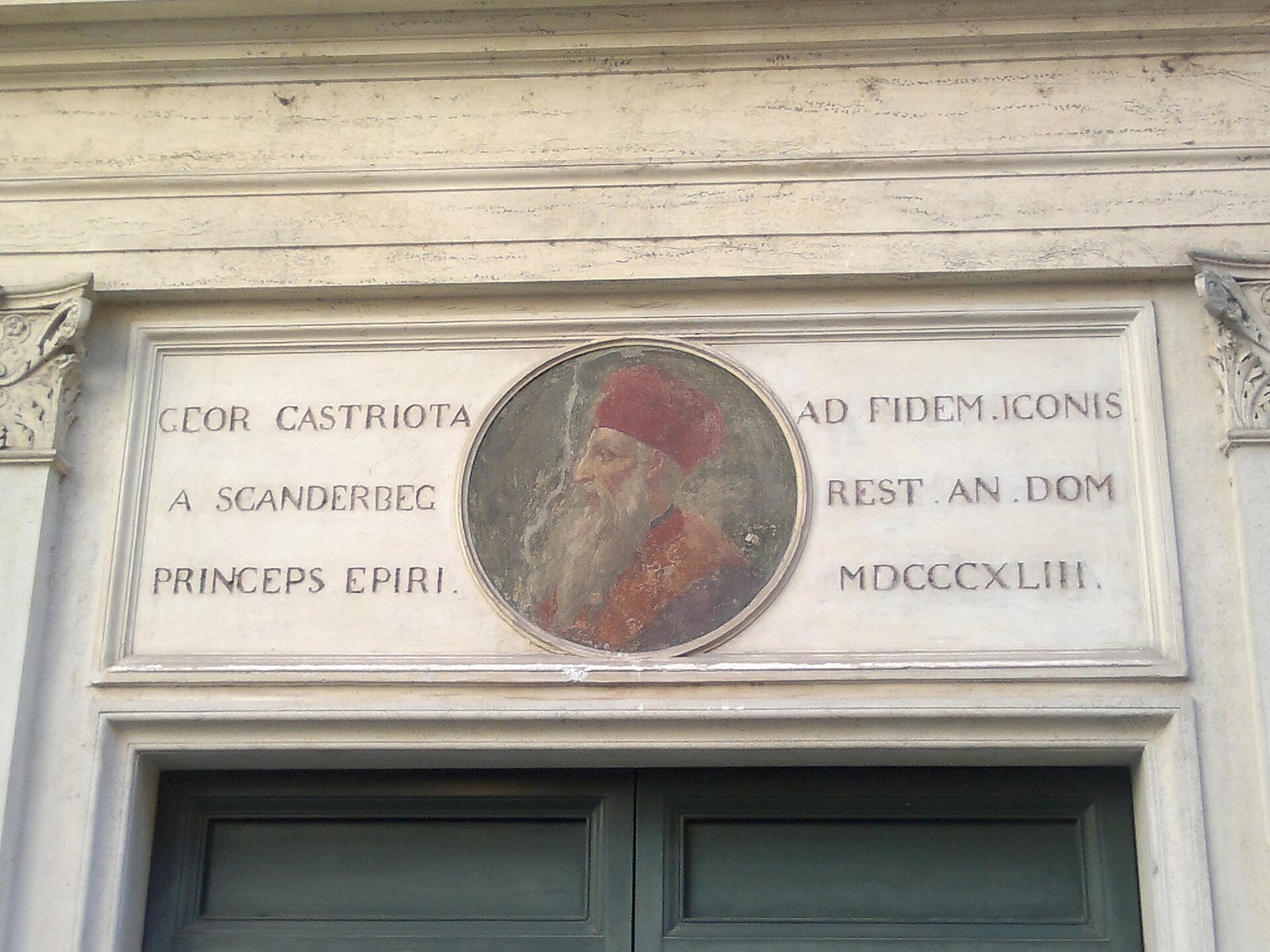
Palazzo Skanderbeg stands at number 117 Piazza Skanderbeg in Rome’s Trevi district, near the Trevi Fountain. Above its entrance portal, a roundel holds a portrait of Skanderbeg that has remained unchanged over time. He is said to have requested that the portrait be restored if necessary. Latin inscriptions on either side of the roundel commemorate the palace’s restoration in 1843.