Sonnenhof: A Baroque Residence and Medical Institution in Trogen
Site at a Glance
- Popularity
- Very Low
- Country
- Switzerland
- Primary era
- Early Modern
- Eras represented
- Early Modern
- Civilizations
- Swiss
- Site type
- Domestic
- Remains
- House
On this page6 sections
History
Construction and medical use
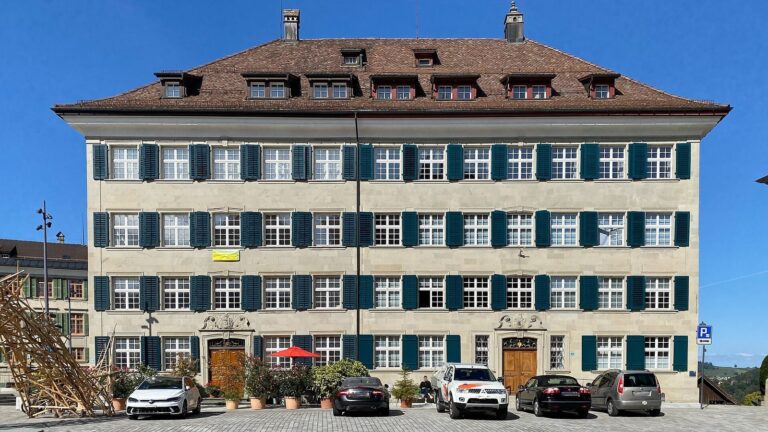
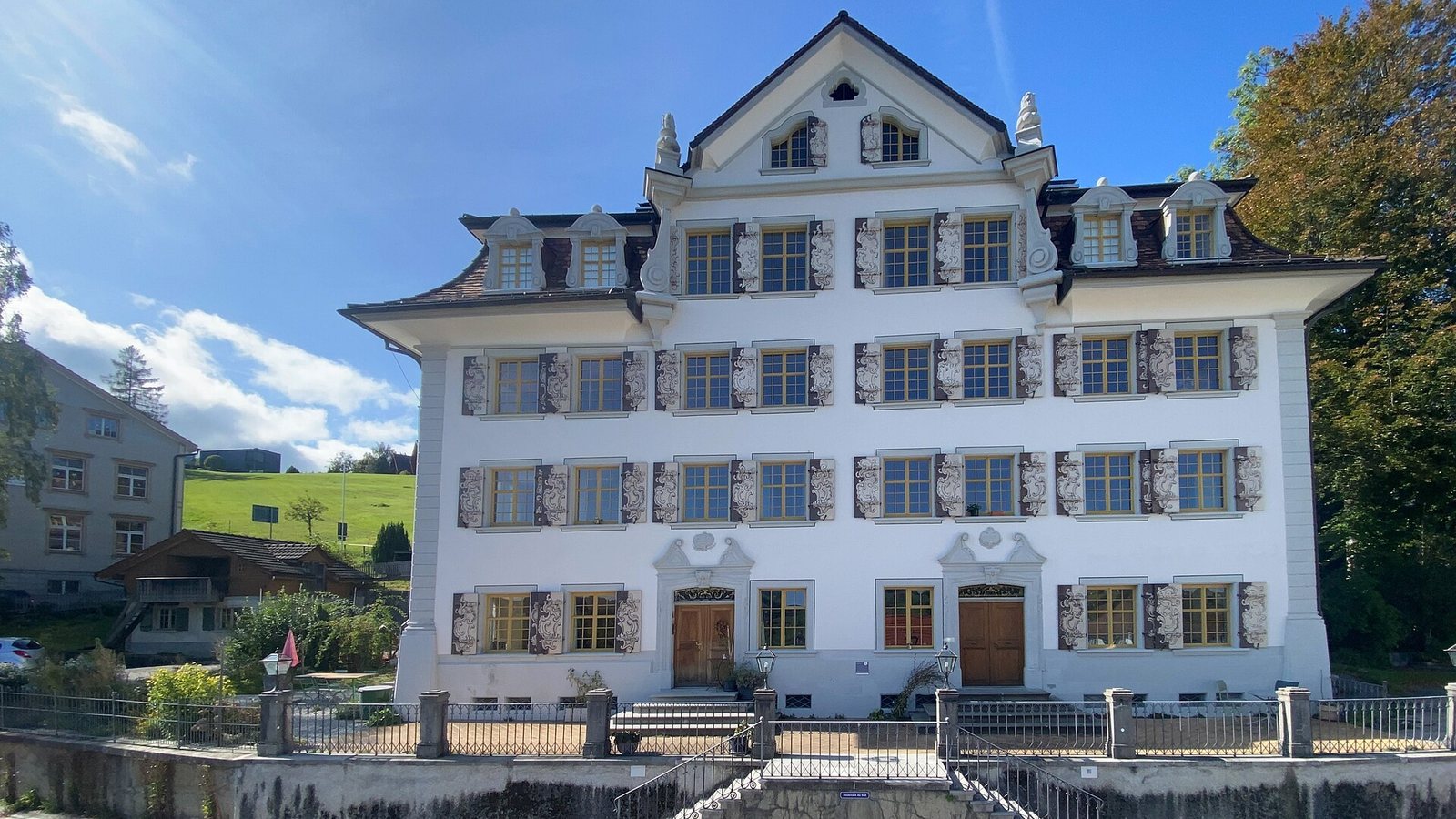
Sonnenhof is a stone double house in Trogen, Switzerland, built in 1761 by Swiss master builder Hans Ulrich Grubenmann for Bartholome Honnerlag-Zellweger, then a 21-year-old medical student. Its design combines late Baroque and Rococo, related European styles with Rococo known for lighter ornament. Honnerlag-Zellweger’s father, physician Barthol Honnerlag-Walser, probably commissioned the building. In 1764, Honnerlag-Zellweger opened a medical practice and a private clinic for people with mental illness there.
Family ownership and care institution
In 1838, Honnerlag-Zellweger’s son, physician Conrad Honnerlag-Tobler, sold the property to physician and Landammann Jacob Zellweger-Hünerwadel. A Landammann was the chief magistrate of a Swiss canton. Conrad was the last male descendant in a family of physicians spanning five generations. Zellweger-Hünerwadel’s son, physician Otto Hans Zellweger-Krüsi, operated a care institution for children from affluent families at Sonnenhof until 1908. It followed the model of children’s holiday colonies, organized stays away from home, associated with Hermann Walter Bion, a former priest in Trogen.
Later uses and preservation
The property passed to another family in 1921. From 1949 until 2020–21, it housed the Ruckstuhl bakery and pastry shop. In 2021, the building was renovated for use as a multigenerational residence. The Swiss government classifies Sonnenhof as a cultural property of national importance.
Remains
House and shutters
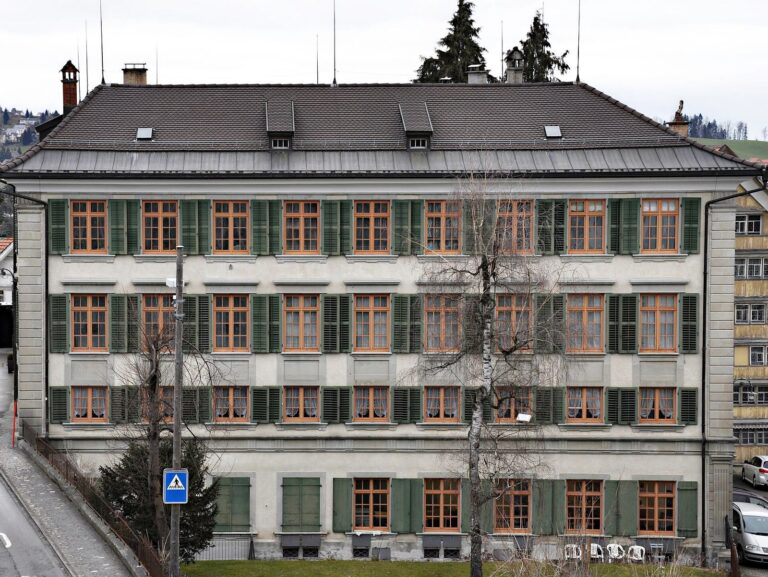
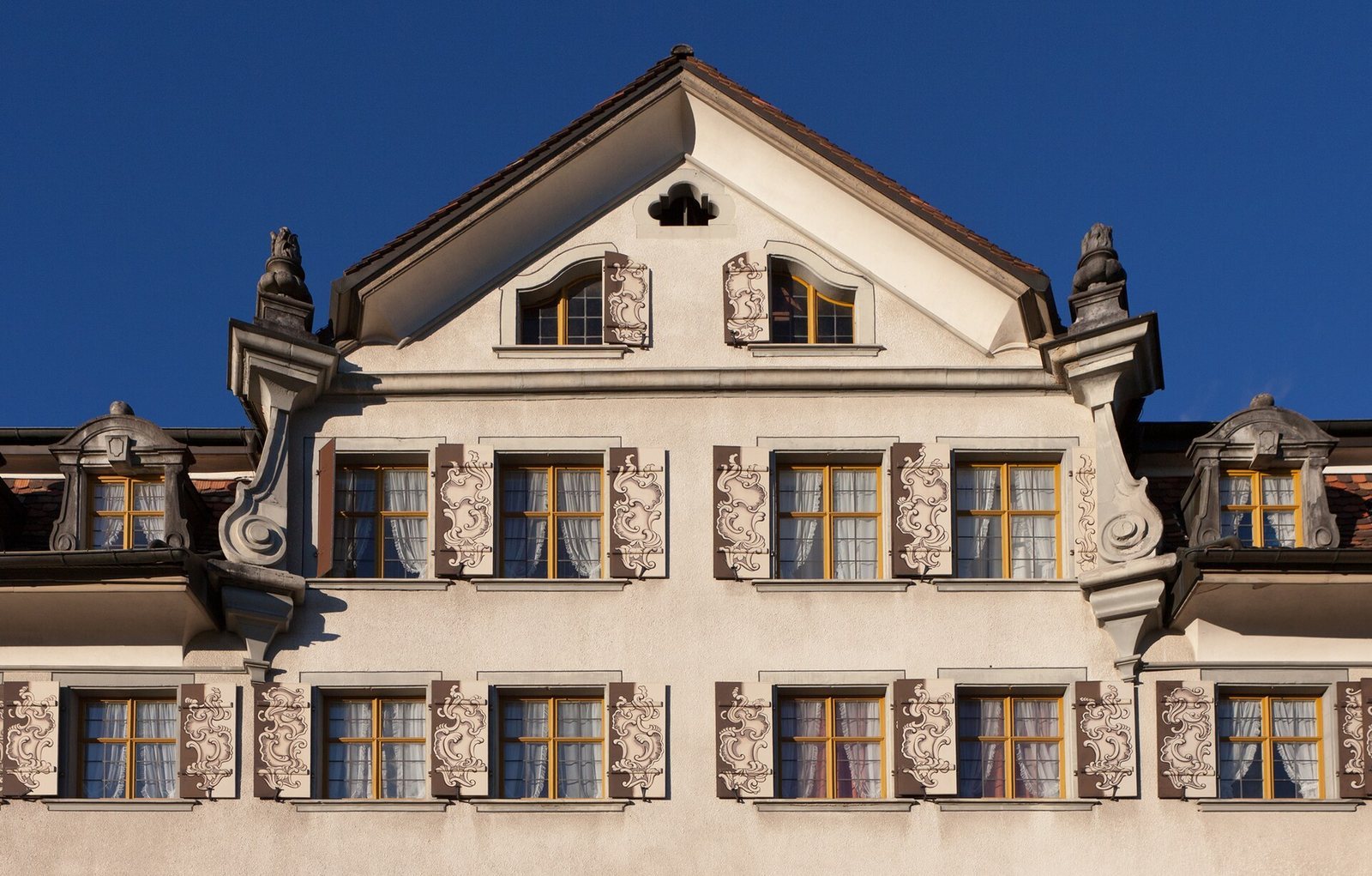
Sonnenhof was conceived as a stone double house with a mansard roof, which has a steep lower slope and a shallower upper slope on each side. Its late-Baroque and Rococo design includes paintings on the shutters. In 1975–76, architect Hans Ulrich Hohl directed restoration of the exterior and the Rococo shutter paintings, with assistance from the Federal Commission for Historic Monuments.