Duff House: William Adam’s Eighteenth-Century Country House near Banff
Site at a Glance
- Popularity
- High
- Country
- United Kingdom
- Primary era
- Early Modern
- Eras represented
- Early Modern
- Civilizations
- British
- Site type
- Domestic
- Remains
- Elite Residence
On this page12 sections
History
Commission and construction
Duff House is an eighteenth-century country house near Banff, Scotland, in the United Kingdom. William Duff, Lord Braco, commissioned the leading Scottish architect William Adam to design a new house, and construction began on 11 June 1735. The main building was substantially formed by about 1740, while work on its interiors and the wider estate continued into the 1760s. Duff became the 1st Earl of Fife in 1759.
Disagreements between Duff and Adam over the design and masonry work led to a legal case in 1743, delaying construction. Lord Braco appears not to have lived in the house and left it unfinished. It passed to his eldest son, Lord MacDuff, who occupied it until 1809; later Earls of Fife also made it their home.
New owners and changing uses
The sixth Earl of Fife, who held the title Duke of Fife through his marriage to Princess Louise, transferred the property to Banff Burgh, the town’s civic authority, in 1906. The Dukes had moved out in 1903. From 1911 to 1913 the house operated as a hotel, then as a sanatorium until 1923, and again as a hotel until it closed in 1928. It subsequently saw limited use. A later pavilion and corridor block designed by David Bryce Jr. was seriously damaged in the 1940 bombing and later demolished.
Wartime events
During the Second World War, Duff House first served as an internment camp and later as Prisoner of War Camp No. 5. On 22 July 1940, a German Heinkel He 111 bomber returning from an unsuccessful operation spotted the camp’s barbed wire and other security measures. Its pilot released the four bombs still aboard. At the time, the camp held almost exclusively crew members from the German submarine U-26, which had been sunk in the western approaches to the English Channel. Six German submariners and two British guards died, and the house suffered serious damage. This was the only military incident in Britain during the Second World War in which Germans killed Germans.
In 1942, the house served as a headquarters for the Free Norwegian forces and Polish forces in exile, which continued to fight alongside the Allies after their countries had been occupied.
State care and heritage status
The property passed into state care in 1956, and refurbishment across the estate began in stages after the war. Duff House became part of the National Galleries of Scotland in 1995 and is now cared for by Historic Environment Scotland. It received Category A listing in 1972, Scotland’s highest listed-building grade. Its designed landscape entered the Inventory of Gardens and Designed Landscapes, which identifies nationally important landscapes, in 1987.
Remains
Main house
Exterior and design
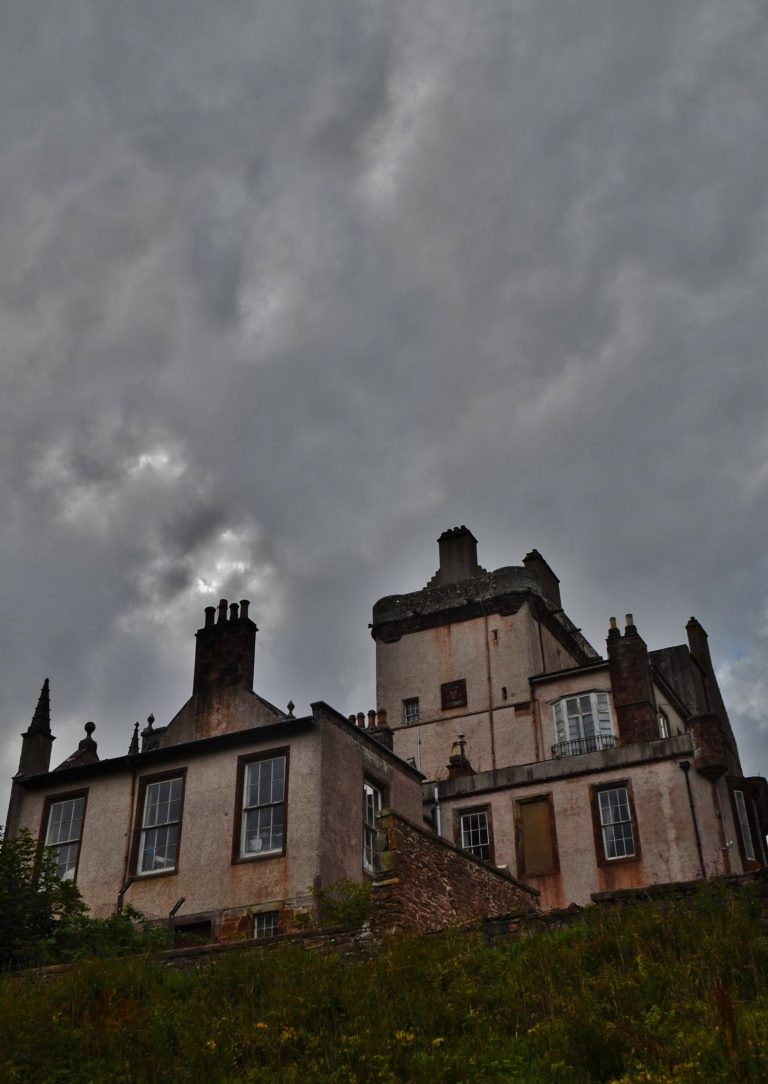
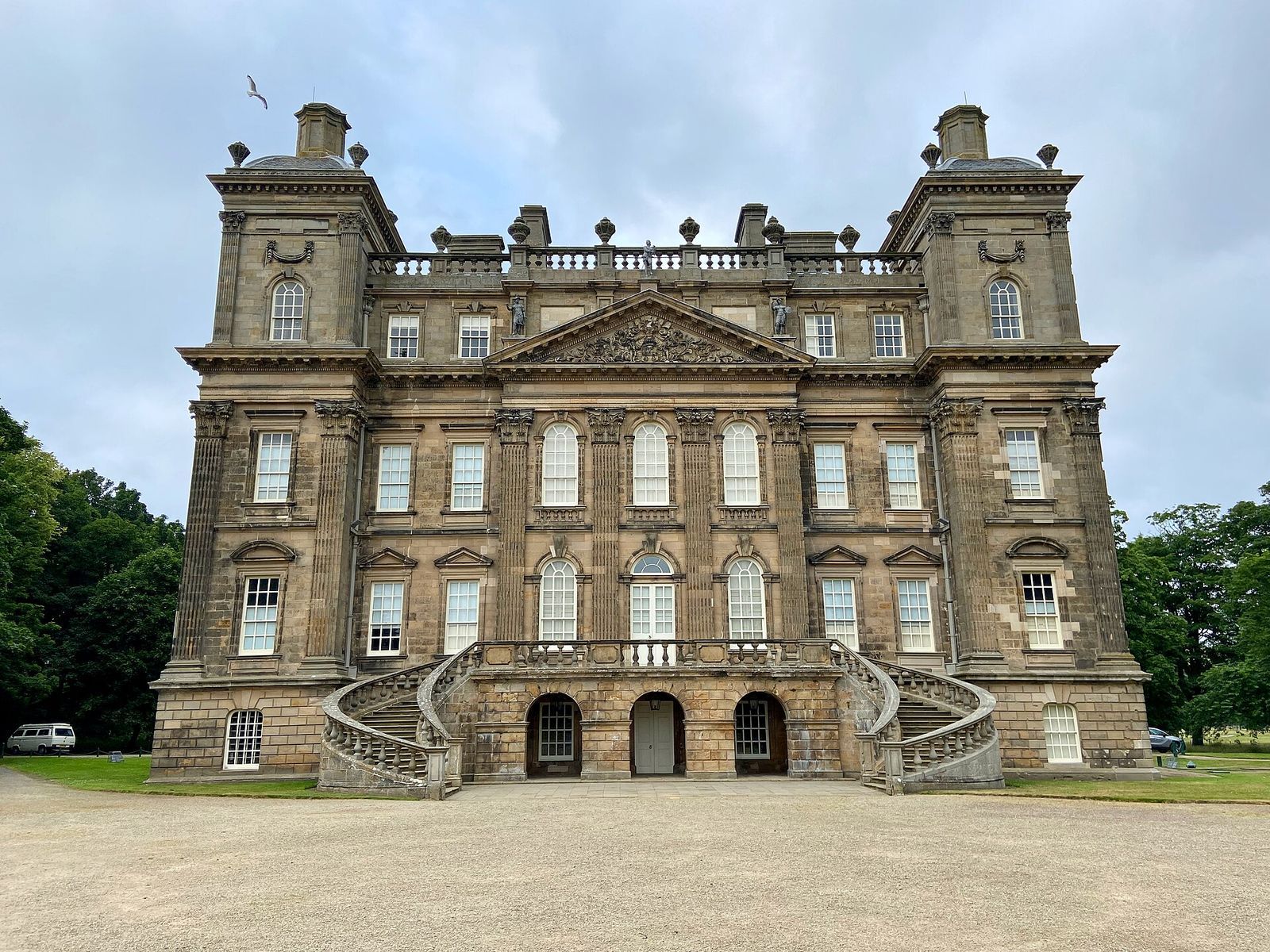
The house is a square, three-storey block above a raised basement, built of ashlar, carefully dressed stone laid in regular courses. Its plan measures nine bays by eight; bays are divisions across a facade, often marked by windows. Domed corner towers project from the block, while the elaborate classical fronts have groups of Corinthian columns, with ornate capitals, at the centres of both the north and south sides. An engraving in Vitruvius Scoticus, an illustrated collection of Scottish architectural designs associated with William Adam, shows a proposed four-storey block connected to symmetrical wings and pavilions by column-lined links. The arrangement resembles a design for Hopetoun House in West Lothian.
Interior
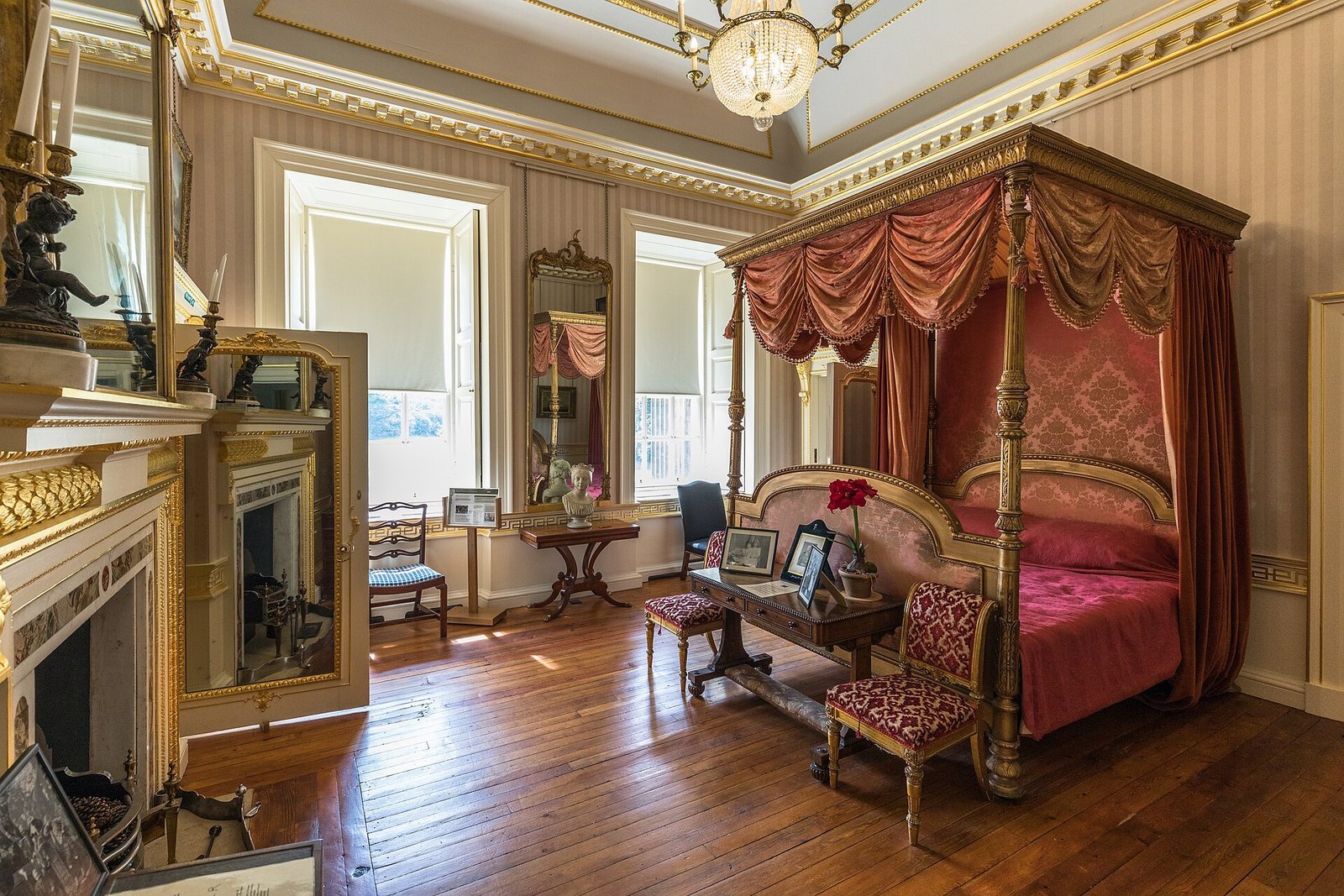
The interior follows the French Rococo style, an elaborate form of decoration. Carved paneling, pilasters, which are shallow projections shaped like columns, and stencil painting contribute to the decorative scheme. The ceilings include ornament made from papier-mâché, or molded paper pulp.
Estate landscape and collections
Landscape and associated buildings
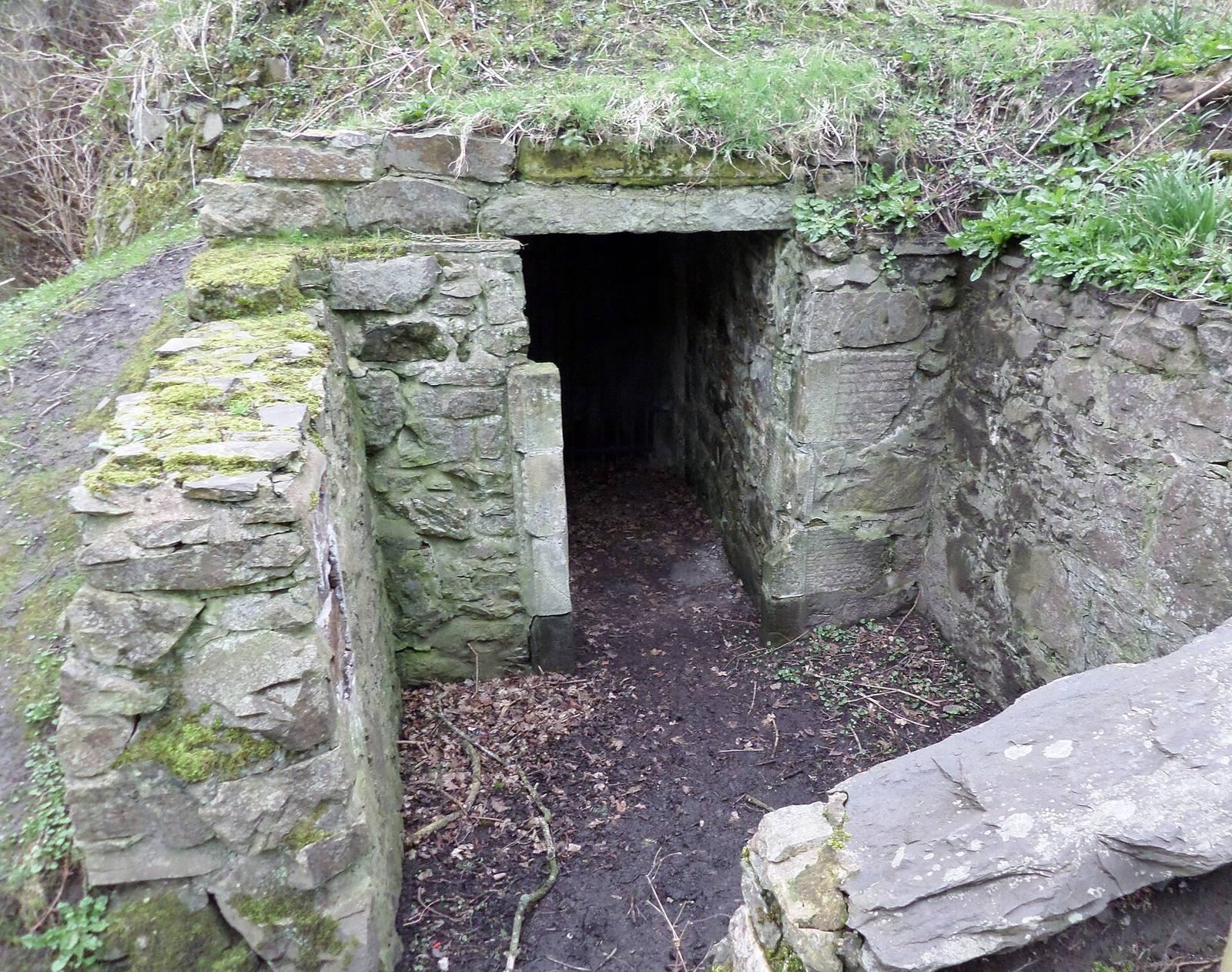
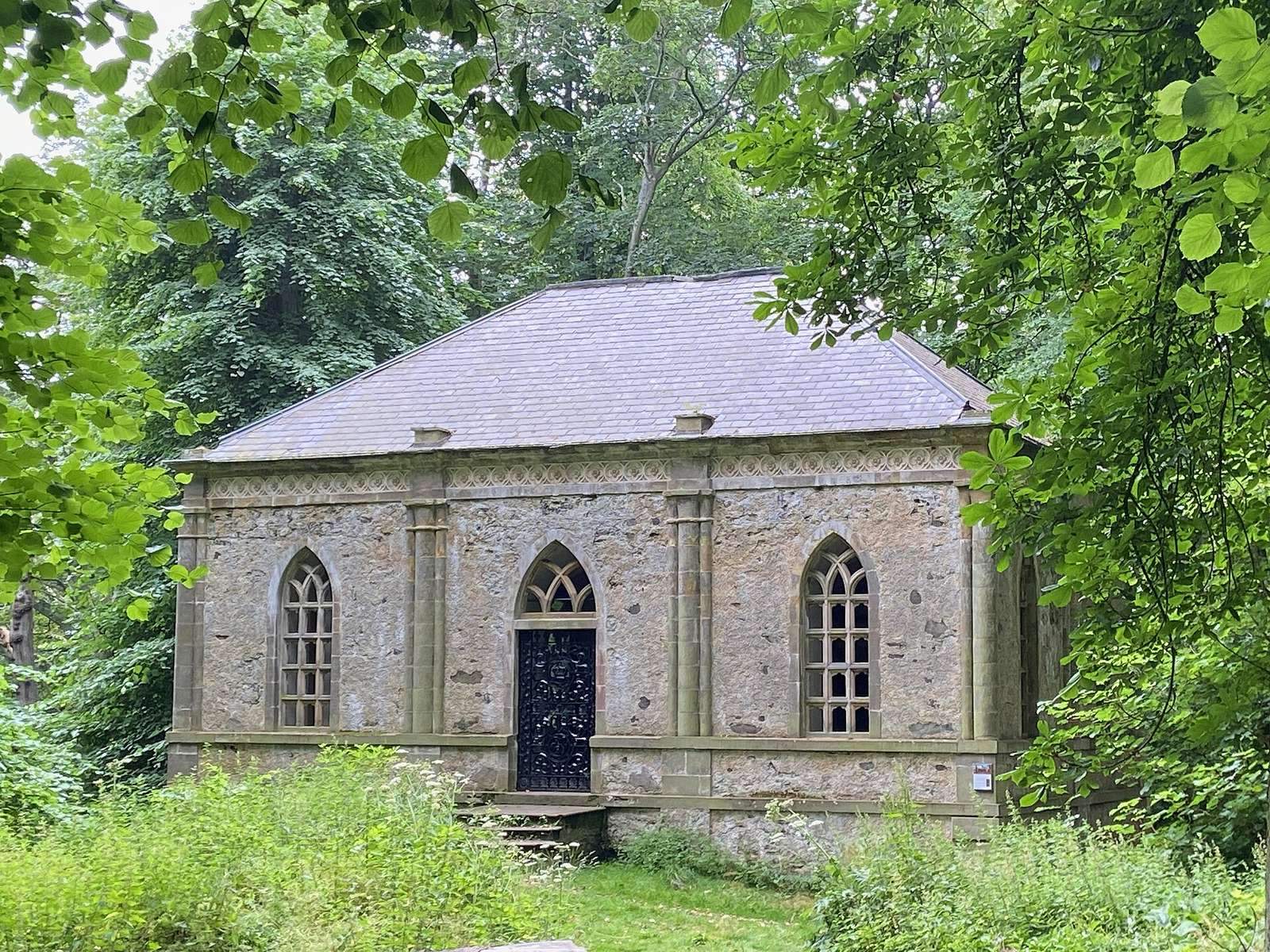
Much of the original designed landscape survives, alongside a later golf course. Associated estate features include the Fife Gates, walled garden, Collie Lodge, mausoleum, icehouse, Bridge Gates House, Eagles Gate Lodge and fishing temple. A memorial stone commemorating those killed in the 1940 bombing stands in the grounds; it was unveiled on 22 July 2018.
Art, furniture and books
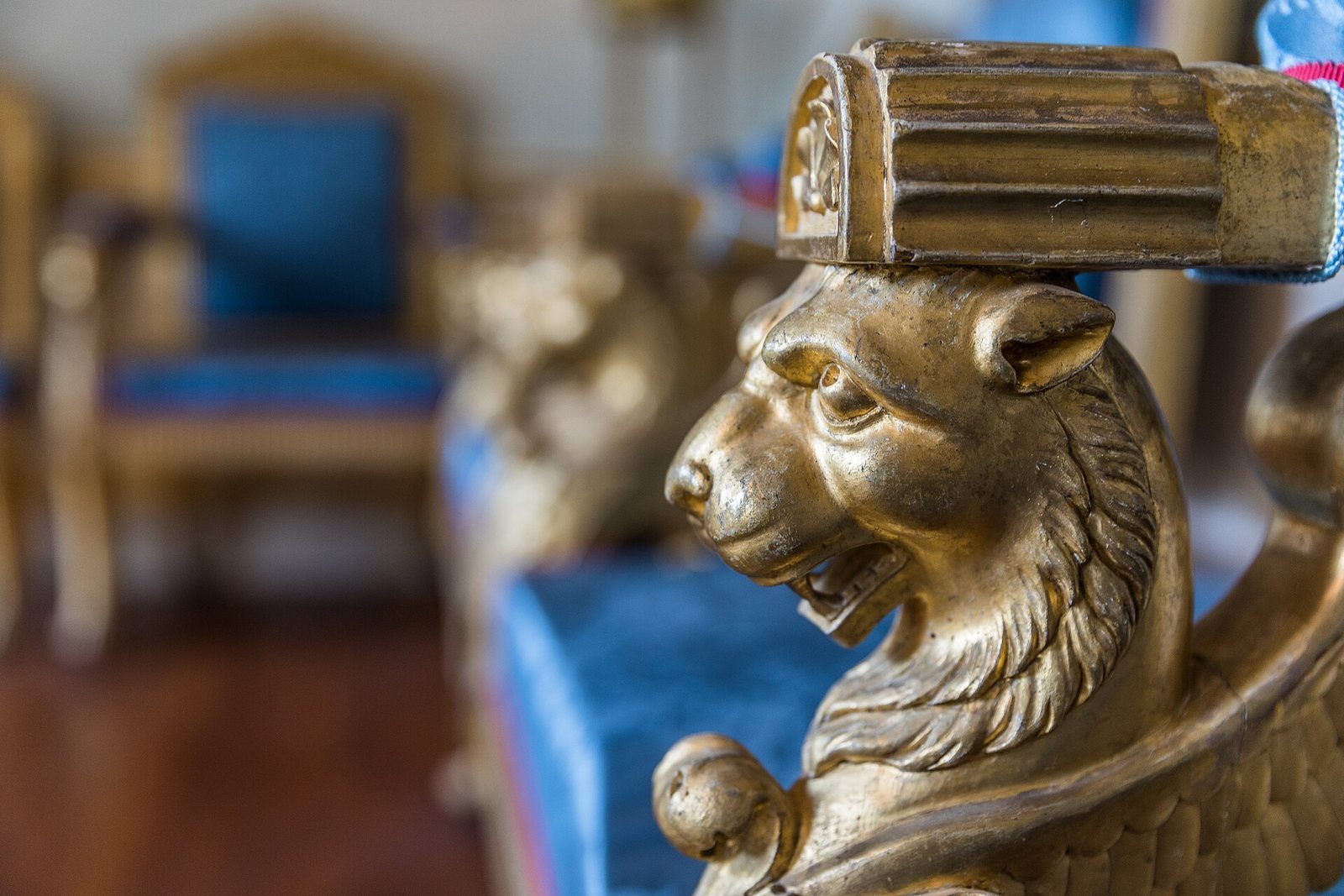
Works displayed at Duff House include paintings by El Greco, Thomas Gainsborough, Henry Raeburn, J. P. Cuyp, François Boucher and Allan Ramsay, including a portrait of Mrs Daniel Cunyngham. The collection also includes furniture by Thomas Chippendale. The house holds the Dunimarle Library, a collection of rare books.