Dorney Court: An Early Tudor Manor House in Buckinghamshire
Site at a Glance
- Popularity
- High
- Country
- United Kingdom
- Primary era
- Medieval
- Eras represented
- Medieval, Modern
- Civilizations
- British, English
- Site type
- Domestic
- Remains
- Manor House
On this page8 sections
History
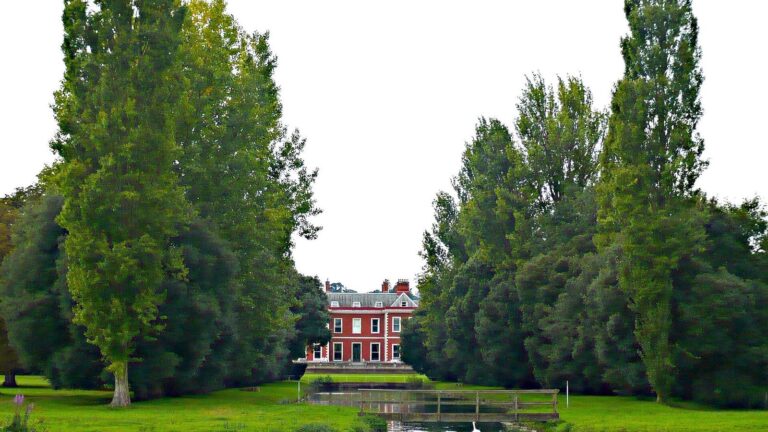
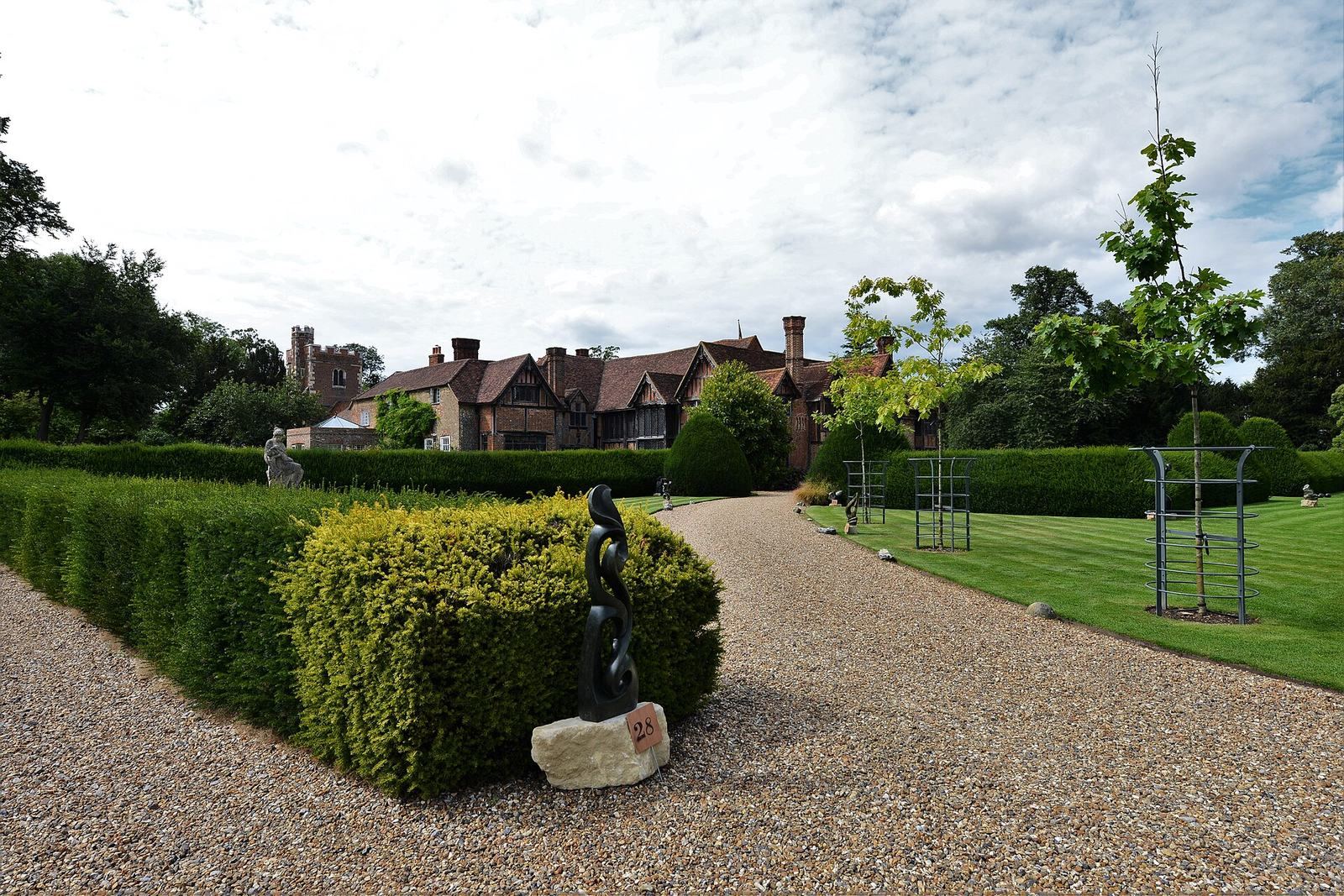
Dorney Court is an early Tudor manor house in the village of Dorney, Buckinghamshire, United Kingdom, built around 1440. It became the Palmer family’s home and remains in their ownership.
The manor and Garrard ownership
Dorney Manor, an estate organized under a lord’s authority, appears in the Domesday Book, the English survey of land and resources completed in 1086. Before the Norman Conquest of 1066, Aldred, a man of Earl Morcar, held the estate. By 1086 it belonged among the lands of Miles Crispin, with Ralf as tenant. In later generations, ownership passed through the Cave, Parker, Newnham, Paraunt, Carbonell, Scott, Restwold, Lytton, Bray, and Hill families.
In 1542, James Hill sold Dorney to Sir William Garrard, who served as Lord Mayor, the civic head of the City of London, in 1555. Garrard died in 1571. His elder son, also named Sir William, died in 1607, leaving Dorney to his wife, Elizabeth; their son and heir, Thomas, was to receive the estate after her death.
Thomas’s sister Martha had married James Palmer, later Sir James Palmer. Disagreements over the estate arose after Thomas married against his father’s wishes, drawing his wife and her family into the dispute. James acquired Dorney Court in 1624.
The Palmer inheritance
Sir James Palmer (1585–1658), the first Palmer to hold Dorney Court, was a younger son of Sir Thomas Palmer, a baronet of Wingham, Kent. A baronetcy is a hereditary title below the rank of baron. Dorney passed through the Palmer family in direct succession. Sir James’s younger son became Earl of Castlemaine, a hereditary noble title broadly comparable to that of a count, while his elder son, Sir Philip Palmer (1615–1683), inherited the estate. Sir Philip was succeeded by Charles Palmer of Dorney (1651–1714), his fourth son and eldest surviving son when his father died.
Charles’s son inherited the baronetcy of the senior Palmer branch at Wingham and became Sir Charles Palmer, 5th baronet of Dorney, in 1723. When his son Charles died before him, the estate passed to his grandson, Sir Charles Harcourt Palmer, the 6th and last baronet. Sir Charles died in 1838. As his marriage to a cousin could not be proved, their children were treated as illegitimate and the baronetcy ended. Dorney Court nevertheless continued through later Palmer generations. It received Grade I listed-building status in 1955, the highest category of protection for listed buildings in England.
Remains
Exterior and layout
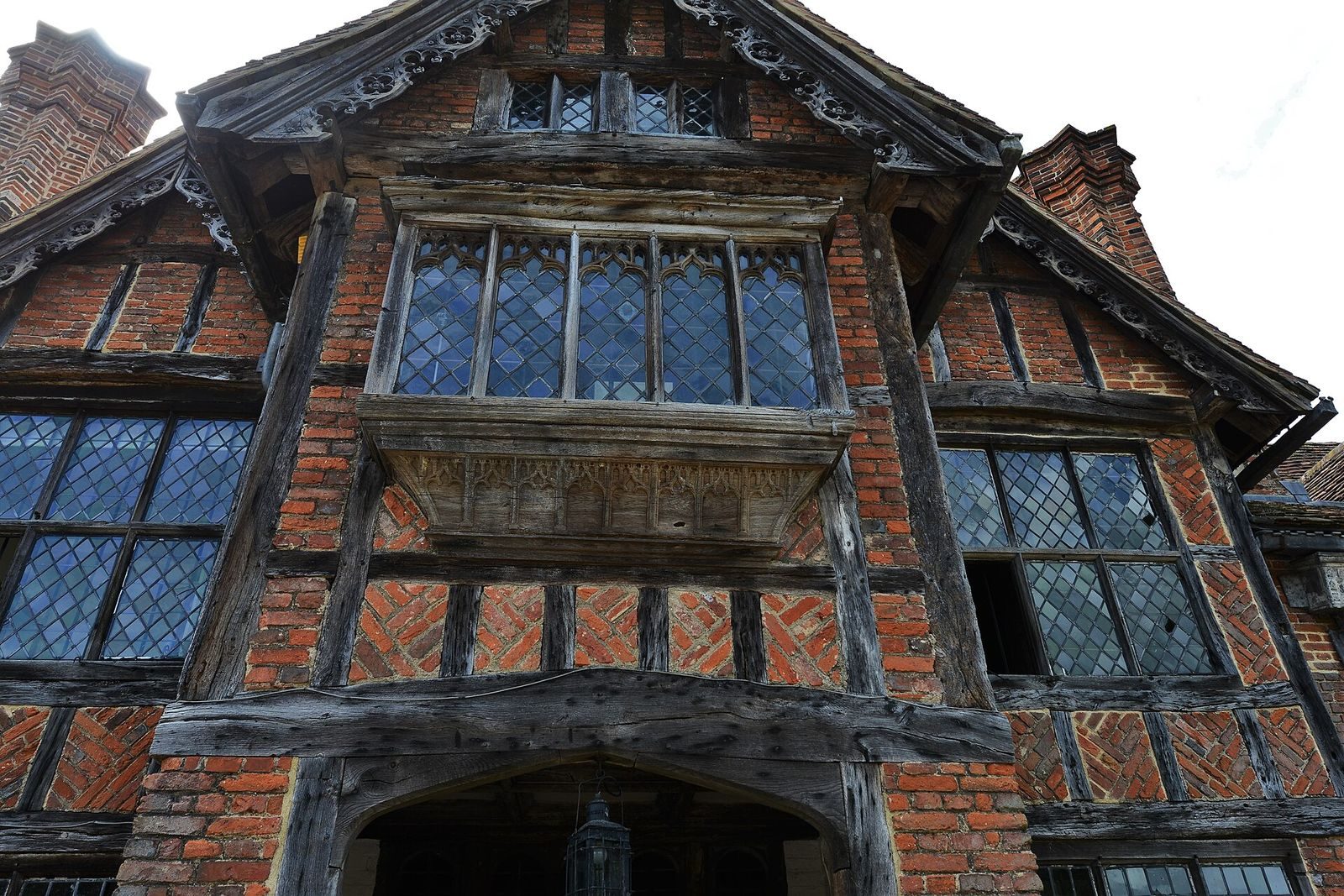
Dorney Court retains the appearance of a medieval house, although some of its exterior was rebuilt in Victorian style during late-nineteenth-century alterations. As part of that work, original bricks were restored to the front façade. The arrangement of the interior rooms has changed little since 1500.
Interior rooms
Panelled parlour
The oldest part of the house is a parlour with panelled walls. It contains antique furniture.
Great hall
The great hall holds numerous portraits of the Palmer family and linenfold panelling brought from Faversham Abbey, a medieval religious house in Kent. Linenfold is wood carving shaped to resemble folded cloth.