St Mary Magdalene’s Church: A Medieval Thameside Church in Boveney
Site at a Glance
- Rating
- 4.7
- Popularity
- Very Low
- Country
- United Kingdom
- Primary era
- Medieval
- External website
- Open
- Eras represented
- Medieval
- Civilizations
- English
- Site type
- Religious
- Remains
- Church
On this page10 sections
History
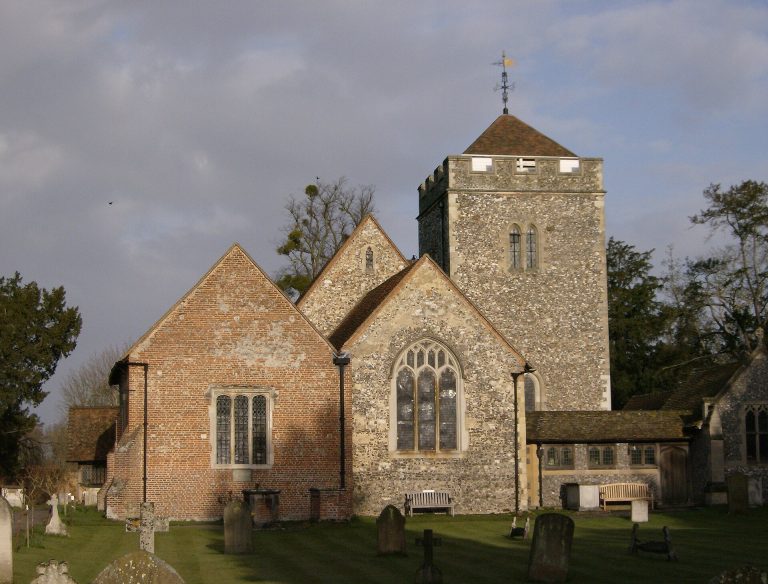
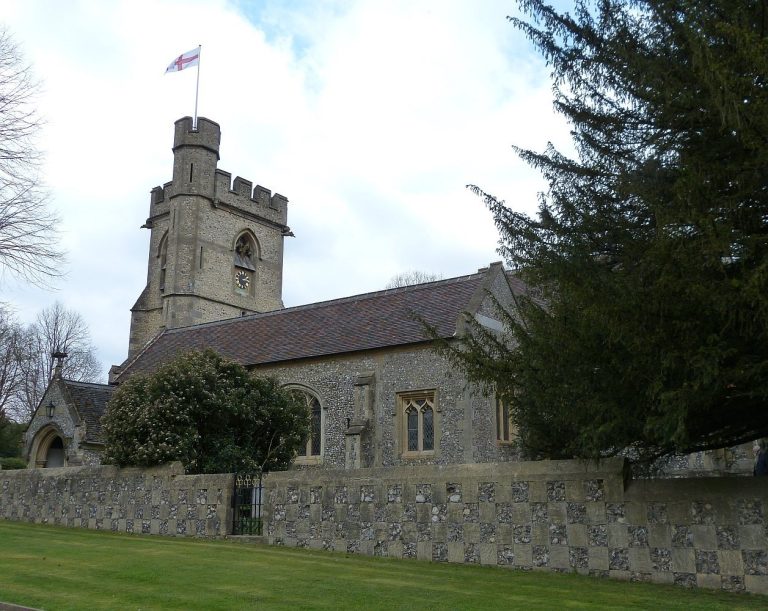
St Mary Magdalene’s Church is a medieval Anglican church in the United Kingdom, near Boveney on the north bank of the River Thames. A church stood on the site before the Norman Conquest, while the fabric of the present building dates from the twelfth century. Its windows and tower were added in the fifteenth century. The church is dedicated to Mary Magdalene, a New Testament figure traditionally associated with Jesus and honoured as a saint in Anglican Christianity.
A Thameside chapel
The church was built to serve bargemen working on the River Thames. A quay once stood beside it, although no part of the quay survives. St Mary Magdalene’s function was also reflected in its status as a chapel of ease to St Peter’s Church, Burnham. A chapel of ease served parishioners who lived some distance from the main parish church while remaining subordinate to it.
An attempt to make the church an independent parish failed in 1737 because a sufficient endowment could not be raised. It therefore continued within its established relationship with St Peter’s Church rather than becoming a separate parish church.
Repairs and changing use
Probably in the mid-nineteenth century, a brick dado was added to the outside of the building in an effort to keep damp from the walls. The window tracery, the stone framework dividing the upper parts of windows, was replaced in 1897.
The church was declared redundant in 1975, meaning that it was no longer required for regular worship, although it remained consecrated. Demolition or conversion for residential use was proposed, but a local campaign helped secure its future. In 1983 the building passed into the care of the Friends of Friendless Churches, which holds a 999-year lease beginning on 10 June 1983. Occasional services have continued since then.
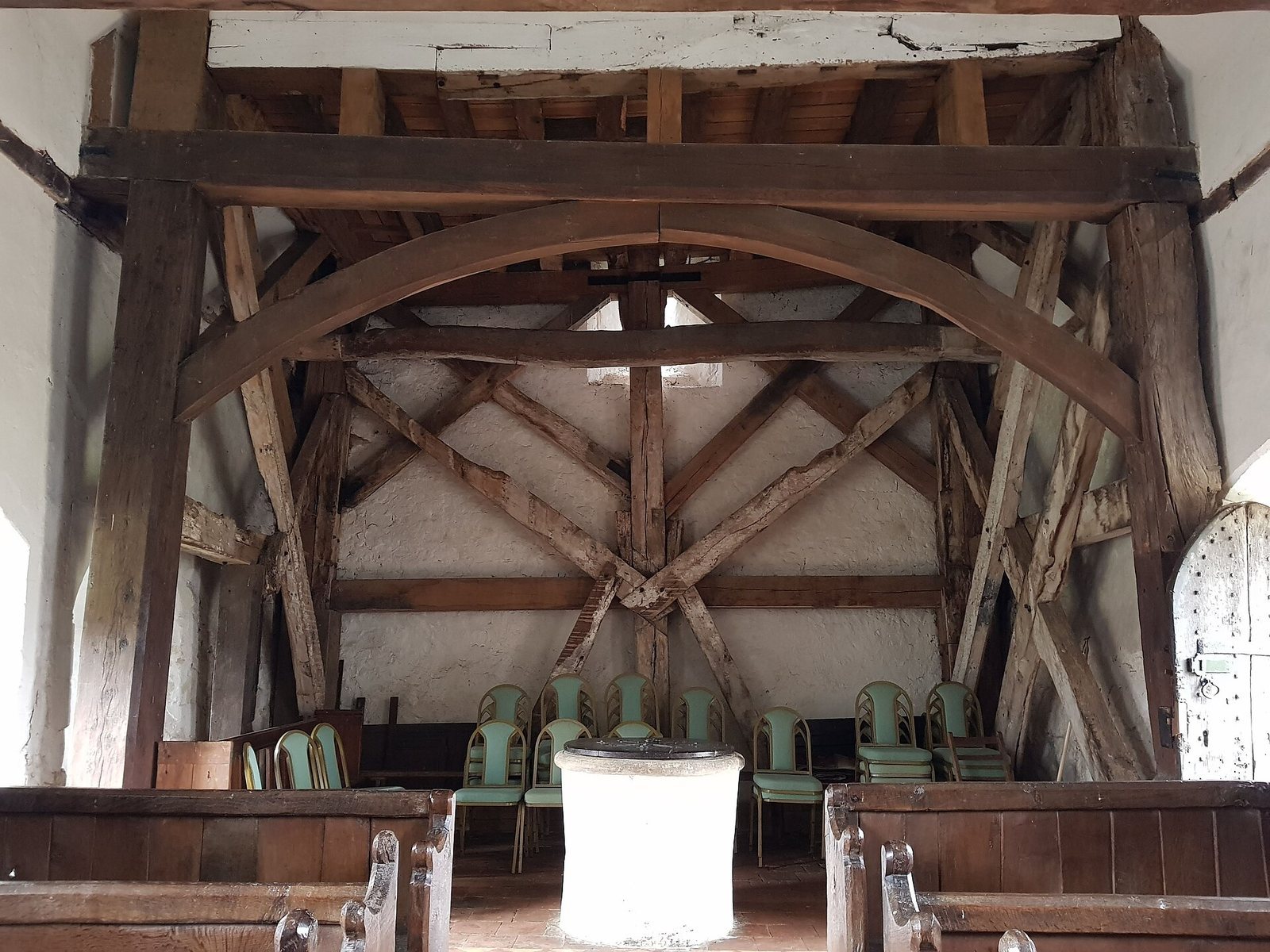
The building was later closed when the tower was found to be unstable. Removing nineteenth-century plaster from its footings revealed that the supporting timberwork was almost completely rotten. Tower repairs were completed, followed by further work, including repairs to the windows, during 2010–2011. The tower repair received the Royal Institute of British Architects South Conservation Award for Architects in 2005. St Mary Magdalene’s Church is a Grade I listed building, with its designation dated 23 September 1955, and remains under the care of the Friends of Friendless Churches.
Remains
Structure and setting
Church fabric
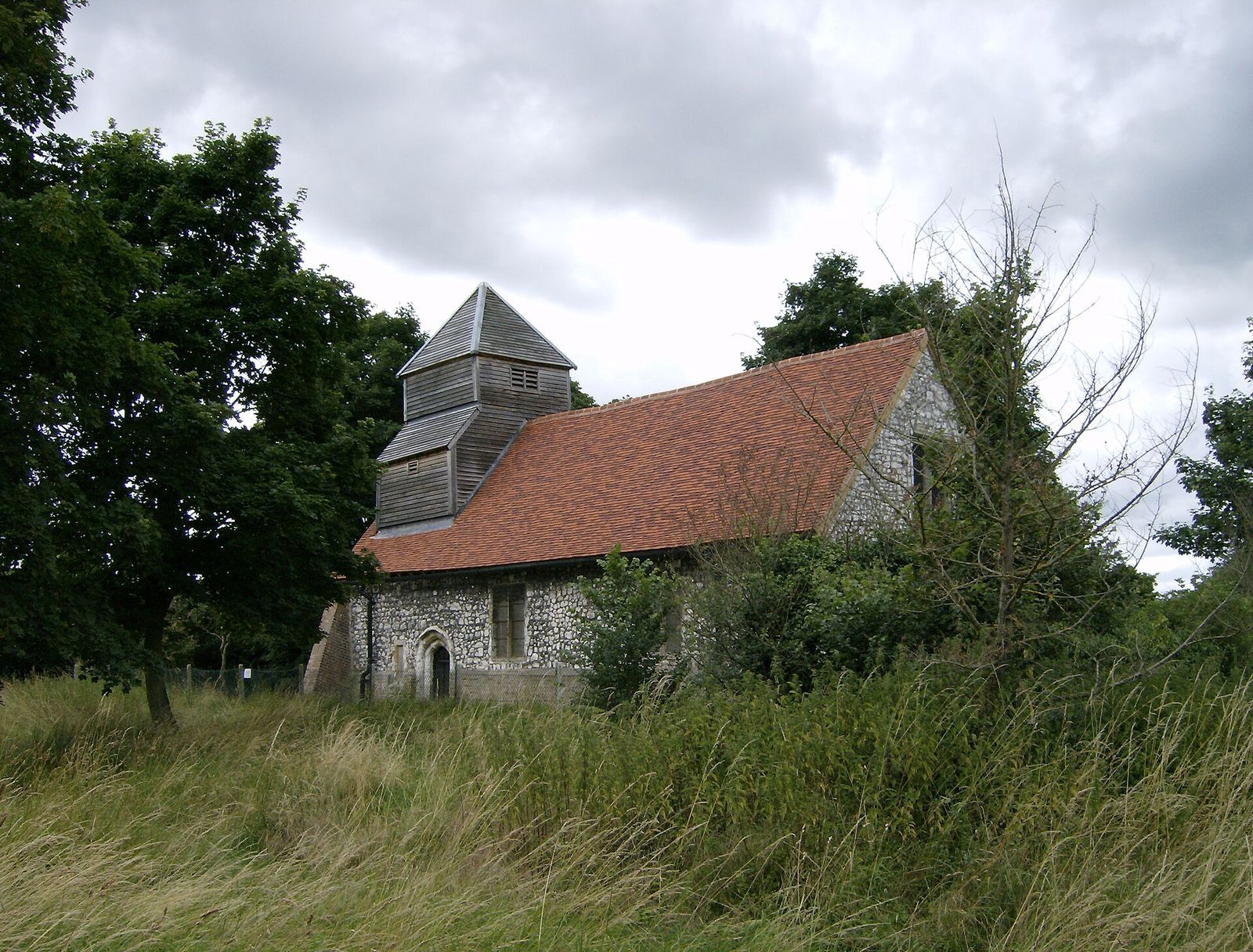
St Mary Magdalene’s Church stands close to the River Thames, approximately 3 kilometres west of Eton College. Its walls are built of flint and chalk rubble with ashlar dressings, which are carefully cut and finished stone elements used around openings and other details. Small flint fragments are pressed into the mortar joints in a technique known as galletting. This combines a practical strengthening function with surface decoration.
Timber tower
The tower is weatherboarded and rests on a timber framework placed directly on the ground. Its later repair followed the discovery of severe decay in the supporting timberwork at the tower footings. The entrance is set in the south wall, while a small, narrow lancet window high in the west wall probably belongs to the twelfth century.
Interior fittings and bells
Furniture and sculpture
Some of the church’s original fifteenth-century pews survive inside. Other fittings date from the eighteenth and nineteenth centuries. Fragments of painted and gilded alabaster sculpture are kept in a glass-fronted box on the north wall. Probably made in the fifteenth century, the fragments depict biblical themes.
Bells
The church has three bells. The largest was cast around 1536 at a foundry in Reading. The other two were cast in 1631 and 1636 by Ellis I. Knight.