Burgstall Gleichen: A Medieval Castle Site in Germany
Site at a Glance
- Rating
- 5
- Popularity
- Very Low
- Country
- Germany
- Primary era
- Medieval
- Eras represented
- Medieval
- Civilizations
- Holy Roman Empire
- Site type
- Military
- Remains
- Castle
On this page5 sections
History
Castle and lordship
Burgstall Gleichen is a former castle site near Pfedelbach, Germany, probably built between 1100 and 1200 as an imperial castle, a stronghold associated with royal authority, during reforms under the Hohenstaufen, a medieval ruling dynasty. Its elevated position and wide views suggest that the site held importance from its construction.
The castle was the seat of the lordship of Gleichen. Its first recorded mention, in 1294, names the Lords of Gleichen as de Gliche. They are thought to have built and owned the castle, although little is known about the family.
Changing ownership and decline
After the Lords of Gleichen died out or left the area, the Lords of Limpurg probably became the first subsequent owners. Between 1298 and 1308, during the reign of King Albrecht I, the castle passed to the Lords of Löwenstein. A charter issued by Emperor Ludwig IV mentions it again in 1332.
Ownership changed several times before the House of Hohenlohe-Bartenstein acquired the castle in 1416. The house retained it as it fell into disrepair, a decline that began around that time.
The Gleichen title and later use
The castle is sometimes confused with the origin of a later title. In 1861, Viktor zu Hohenlohe-Langenburg married Laura Wilhelmina Seymour in London in a morganatic marriage, one that did not give the spouse and children the higher-ranking partner’s full dynastic status. Duke Ernst II of Saxe-Coburg and Gotha elevated Laura and her future descendants to the ranks of counts and countesses of Gleichen. The title referred to the distinct County of Gleichen in Thuringia, held by the main Hohenlohe-Neuenstein line since 1631, rather than to this castle.
A drinking-water reservoir stood on the castle grounds until 1994. In Gleichen, the names Burgstraße and Am Burgrain recall the former castle.
Remains
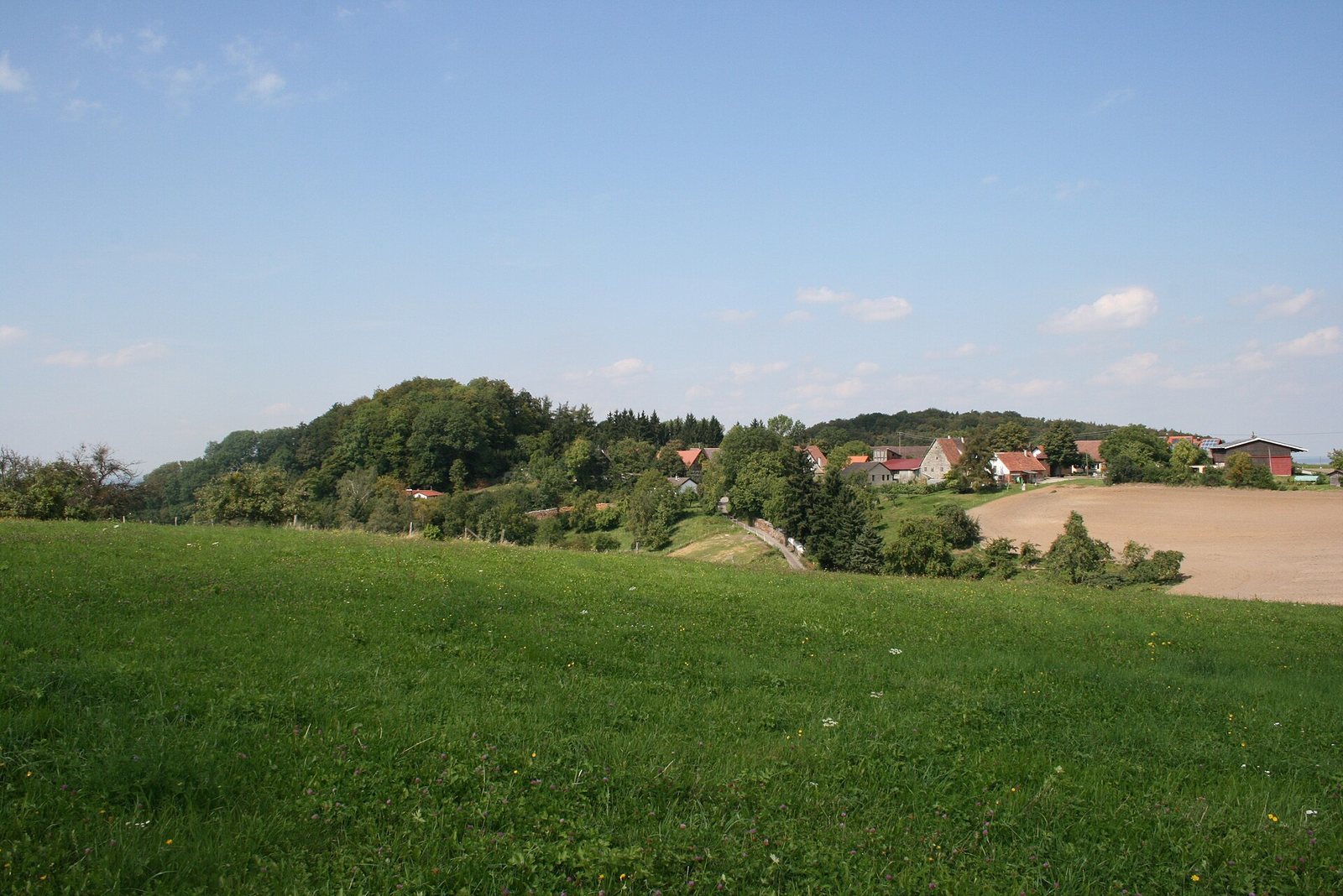
The site occupies a 467.2-metre-high, cone-shaped knoll at the tip of a western spur above the Brettach valley, which runs north-northwest here. The slope descends steeply west toward the valley, while Obergleichen and Untergleichen lie on the high plateau to the east and northeast, below the castle hill. The levelled castle plateau measures 34 by 35 metres and stands about 15 metres above Obergleichen. An artificial ring rampart and ditch enclose it on three sides; the rampart is clearly visible and reaches about two metres in places. Burg Maienfels stands about 1.8 kilometres away, upstream on the valley’s left side.
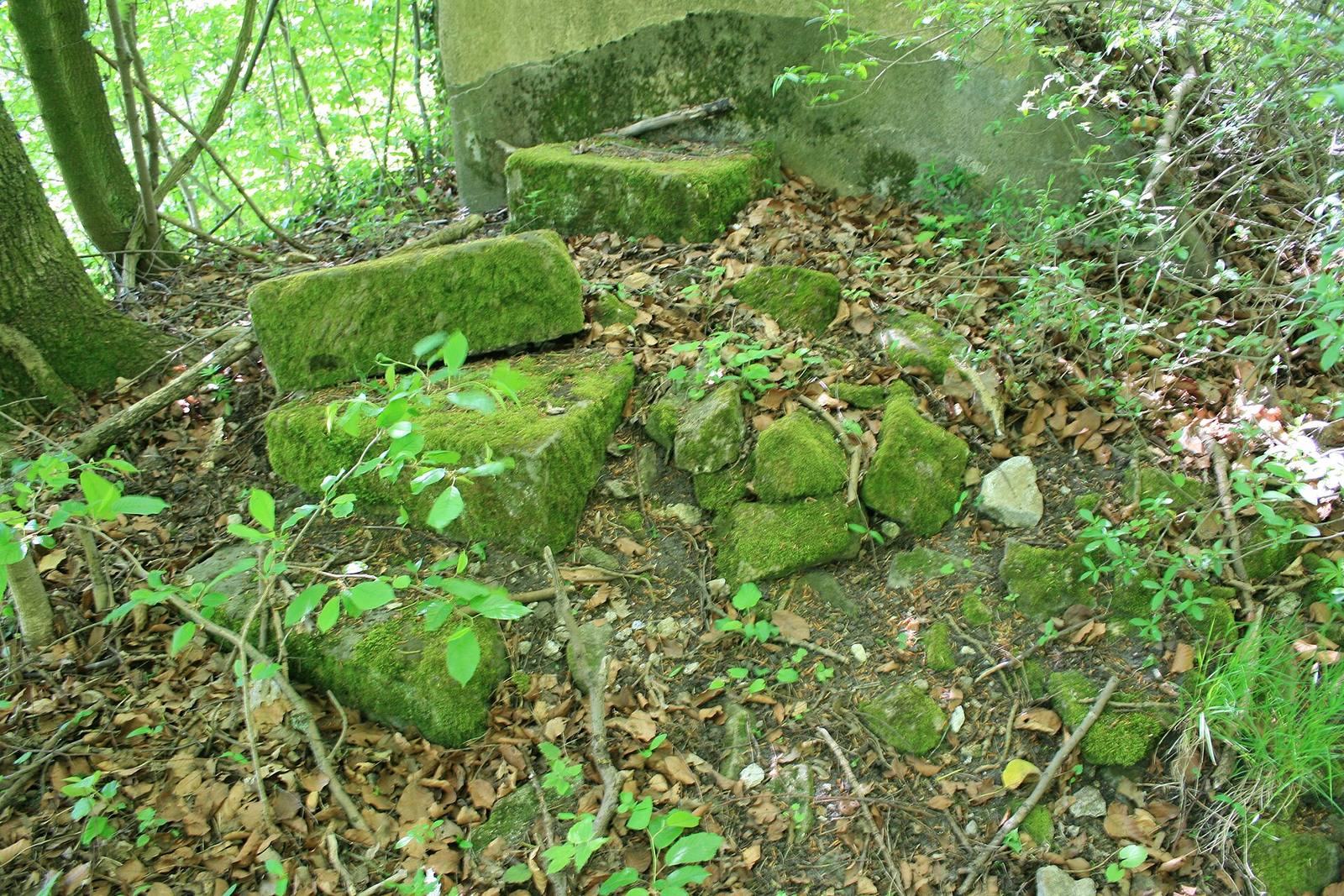
Stone rubble and brick fragments on the plateau indicate that substantial castle buildings once stood there. Residents of nearby settlements probably took masonry away over the centuries for use as inexpensive building material. A visible depression may mark a foundation, while a mound may be the remains of a building. A stone ball was found on the hill in 1970.