Palais Starhemberg (Minoritenplatz): An Early Baroque Palace in Vienna
Site at a Glance
- Popularity
- Medium
- Country
- Austria
- Primary era
- Early Modern
- Eras represented
- Early Modern, Modern
- Civilizations
- Austria-Hungary, Austrian Empire, Habsburg, Holy Roman Empire
- Site type
- Civic
- Remains
- Palace
On this page6 sections
History
Construction and the 1683 siege
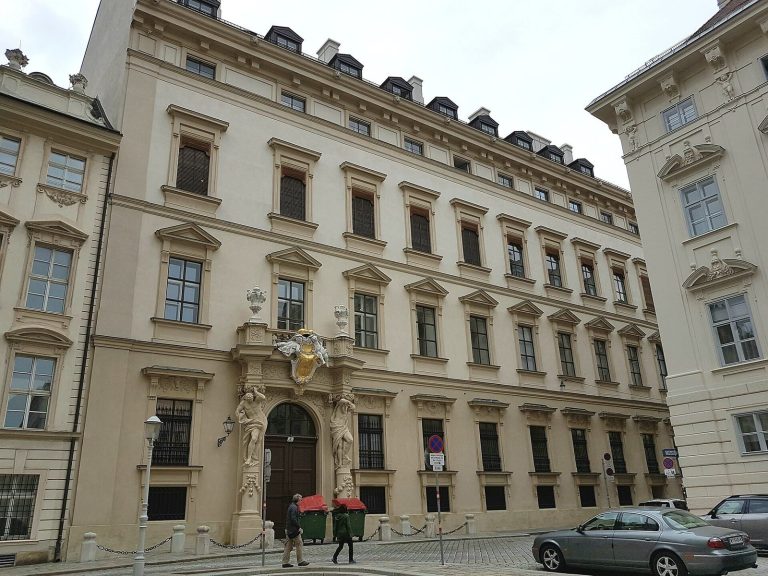
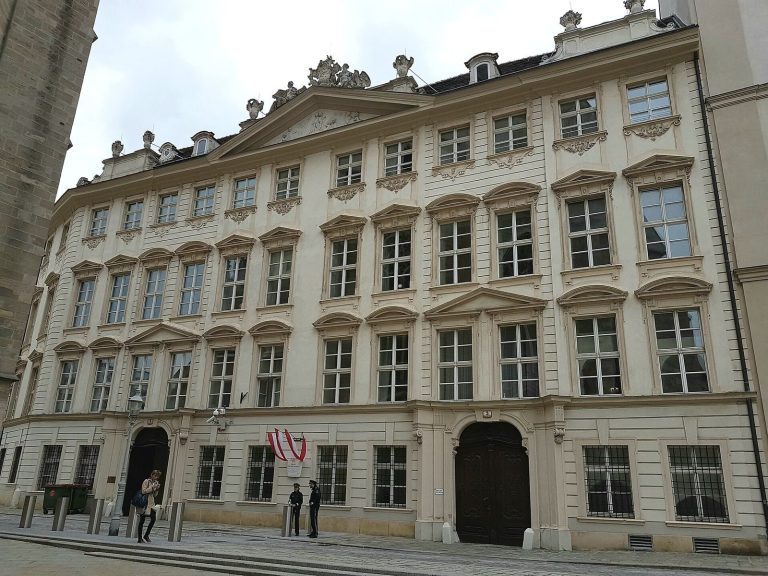
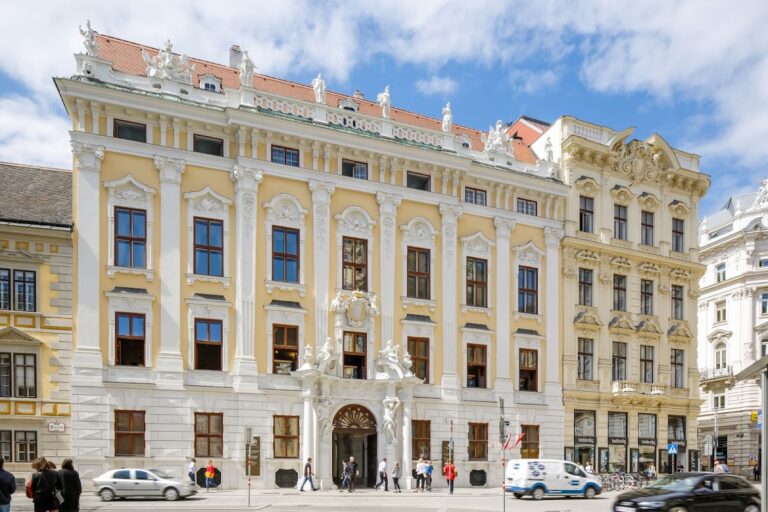
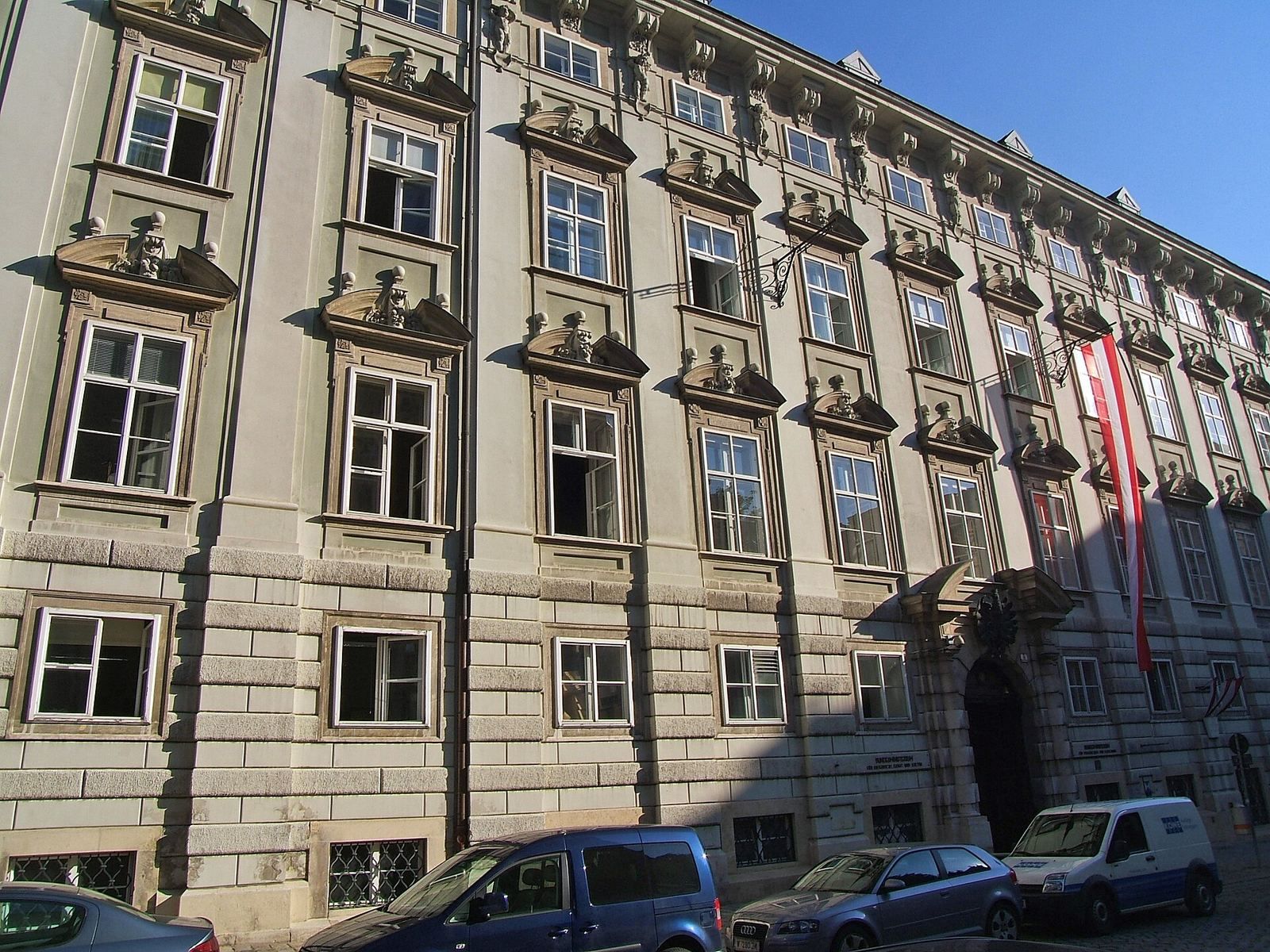
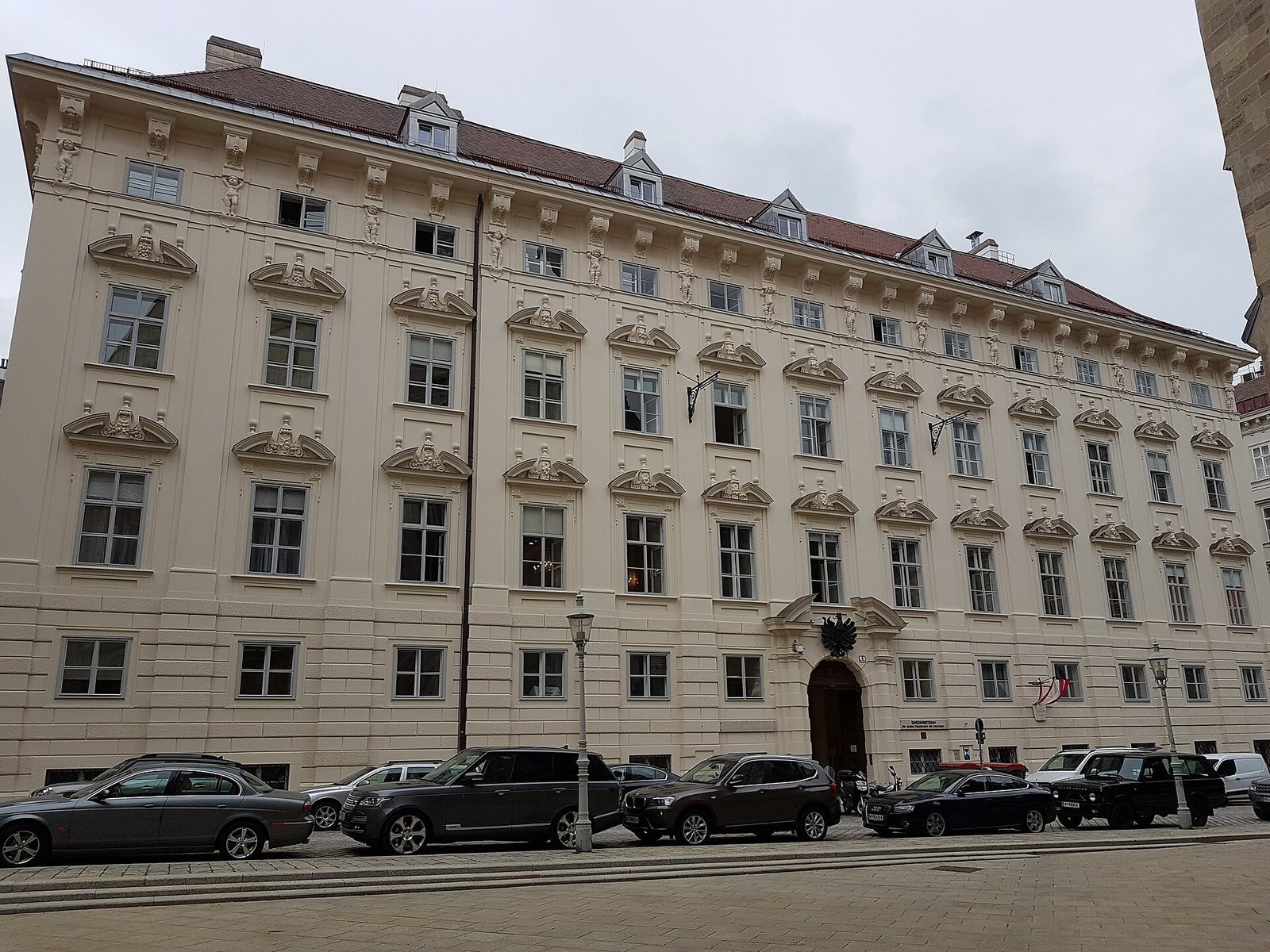
Palais Starhemberg (Minoritenplatz) is an early Baroque palace in Vienna, Austria, commissioned in 1667 by Count Conrad Balthasar Starhemberg, a member of an Austrian noble family. He had bought the existing property from Hans Friedrich von Sonderndorf in 1661, then commissioned the palace from an Italian architect. During the Ottoman siege of Vienna in 1683, Field Marshal Ernst Rüdiger von Starhemberg, the count’s son, directed the city’s defense from the palace.
Eighteenth-century remodeling
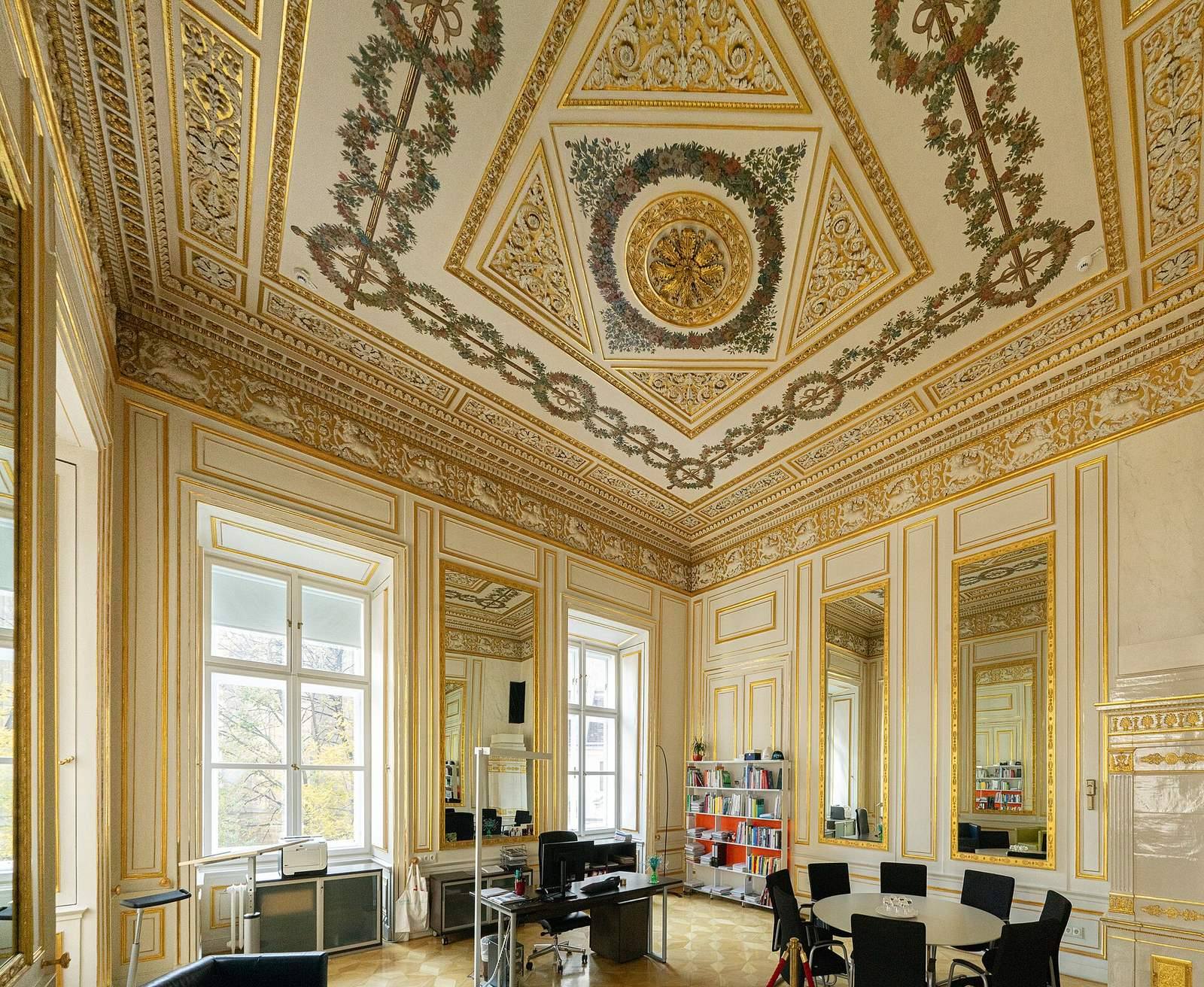
In 1783, Georg Adam Starhemberg took over the family’s estates, and architect Andreas Zach remodeled the palace interior. Further alterations followed.
Ownership and public use, 1814 to 1875
Financial difficulties led the Starhembergs to sell the palace in 1814. It passed first to the Nádasdy family and later to Count Ladislaus Festetics de Tolna, who commissioned minor alterations from architect Alois Pichl in the Empire style, an early nineteenth-century style associated with the Napoleonic era. From 1814 to 1823, the palace housed the British embassy under Charles, Lord Stewart, a British soldier and diplomat and the younger brother of statesman Robert, Viscount Castlereagh.
Jakob Ritter von Löwenthal became the owner in 1853. The Imperial-Royal State Railway Company acquired the property in 1862, and it passed into state ownership in 1871. The state used it to house the Ministry of Religious Affairs and Education, and the palace was enlarged in 1875.
Government ministries
From 1970, the palace served as the seat of the Federal Ministry of Science and Research. It later housed the Federal Ministry for Education, Arts and Culture and is now the seat of the Federal Ministry for Education, Science and Research.
Remains
Palais Starhemberg is among Vienna’s oldest Baroque palaces. Together with the Leopoldine Wing of the Hofburg, the former Habsburg imperial palace complex, it forms the city’s only example of early Baroque palace architecture.
The ceremonial staircase has steps made from hard white Kaiserstein, a stone quarried at Kaisersteinbruch. Around 1815, Austrian sculptor Josef Klieber added stone sculptures to the staircase.