Palazzo Paolo V: Benevento’s Civic Palace
Site at a Glance
- Popularity
- Low
- Country
- Italy
- Primary era
- Early Modern
- Eras represented
- Early Modern, Modern
- Civilizations
- Italian, Papal States
- Site type
- Civic
- Remains
- Palace
On this page9 sections
History
Construction and civic identity
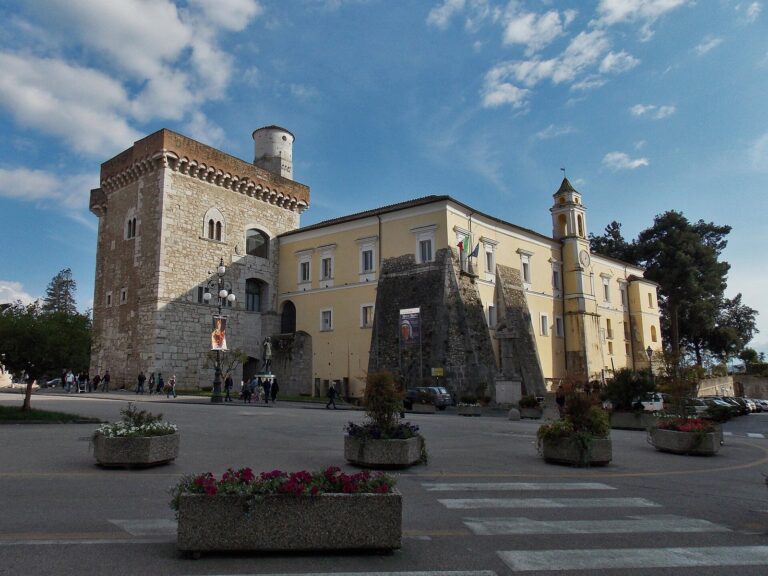
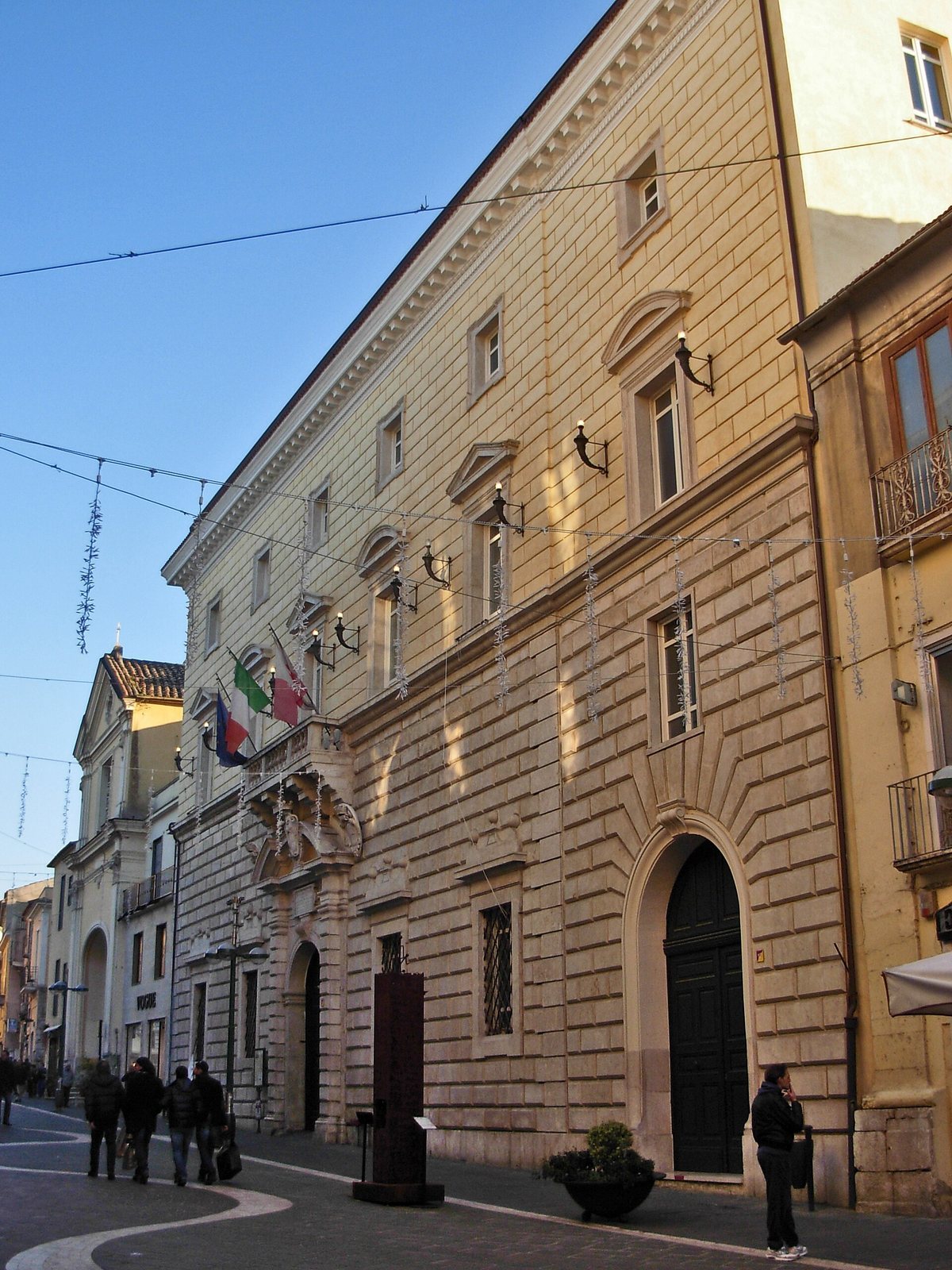
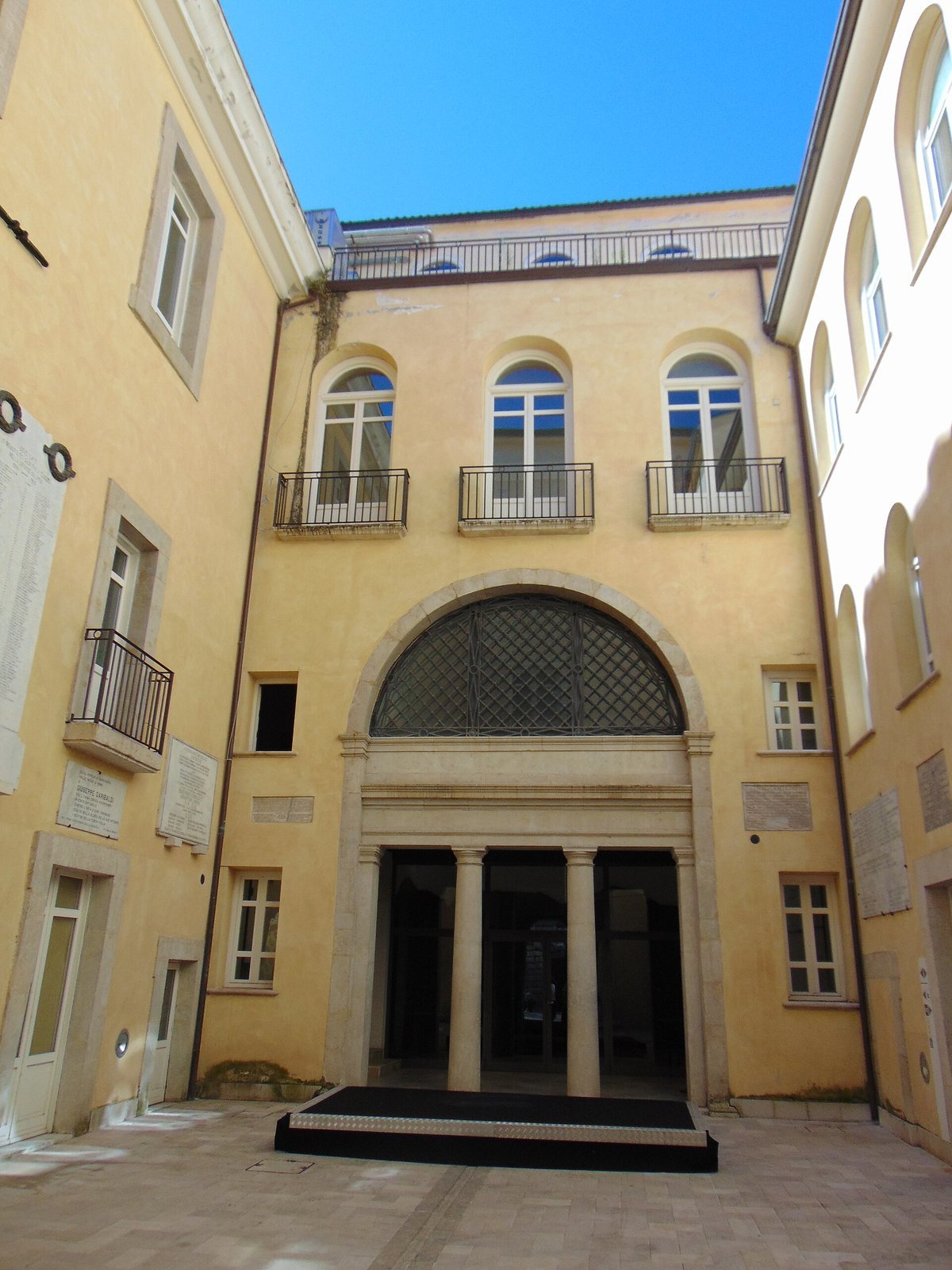
Palazzo Paolo V is a civic palace in Benevento, Italy, begun around the turn of the 17th century during the pontificate of Pope Paul V (1605–1621). Its classical Mannerist style belongs to the late Renaissance and is known for formal sophistication and deliberate complexity. The palace was named for the pope and served as Benevento’s municipal headquarters from the period of papal rule until the 1980 Irpinia earthquake.
Its civic role also gave it the name City Palace, reflected in the historical Latin title Palatium Civitatis. It later became known as Palazzo Magistrale, after Via Magistrale, then the city’s main street. The palace stood within Benevento’s Lombard walls, associated with the Lombards, a Germanic people who established a kingdom in Italy during the early Middle Ages.
Restoration and changing uses
The first restoration took place in 1896 under Eugenio Greco, the municipality’s chief engineer. During the 20th century, the palace also housed Cine Vittoria, described as Benevento’s leading cinema. The cinema moved out around 1995. A further restoration began in the late 20th century and was completed in the early 2000s.
Since 2017, the ground floor has housed the cultural district Per terre, per bellezza, per santità, with coworking rooms, a literary café, exhibition space, and an auditorium for conferences and theatrical performances. The Janua Museum of the Witches of Benevento has also been based in the palace since its founding.
Remains
Architectural features
Facade
The palace has a usable floor area of 300 square metres. Its façade is marked by austere, imposing lines. The 1896 restoration brought the second-floor windows into view after they had been almost concealed by the cornice.
Courtyard plaques
Stone plaques in the courtyard commemorate events and figures from Benevento’s history, spanning the 17th century to the present.
Sabine relief
A historic bas-relief, set high on a wall, depicts the abduction of the Sabine women. In Roman legend, early Romans abducted women from the neighboring Sabine people.
Facade lighting
A lighting project installed RGB LED fixtures on the façade in 2006. RGB combines red, green, and blue light. The system was designed to let the building respond to city events while supporting sustainability and energy savings.