Jewish Cemetery in Chișinău: A Historic Burial Ground in Moldova
Site at a Glance
- Popularity
- Low
- Country
- Moldova
- Primary era
- Modern
- Eras represented
- Modern
- Civilizations
- Russian
- Site type
- Burial
- Remains
- Necropolis
On this page9 sections
History
Origins and use
The Jewish cemetery in Chișinău, Moldova, is one of the city’s oldest burial grounds. Its beginnings are uncertain: burials are known from the early nineteenth century, the first may have taken place in 1812, and some graves may date to the seventeenth century. The cemetery was in use by 1887.
Violence and loss of land
Victims of the 1903 and 1905 Chișinău pogroms, organized anti-Jewish violence, were buried in the cemetery. During the Second World War, it suffered severe damage. A mass execution took place there in 1941, and anti-fascist resistance fighters were also executed on the grounds.
In 1958, the cemetery was divided, and its eastern section was demolished by about 1960 following wartime damage. The former grounds were later used for a market and Alunelul Park, as well as housing blocks and tennis courts. In 1993, a memorial to those killed in the 1903 pogrom was erected in Alunelul Park, on land that had belonged to the cemetery.
Burial restrictions and preservation
Burials were prohibited from 1978 until the restriction was lifted in 1993. Interments continue at the cemetery. In 2015, the city announced a possible restoration of its ritual purification building, but funding was insufficient. A broader restoration decision followed in 2018, alongside plans for a Jewish cultural center, and work began. The purification building was restored with support from the US Embassy in Moldova.
The cemetery is protected as a nationally significant historic and artistic monument under entry 189 in Moldova’s state register. In May 2025, the register title was revised to describe a cemetery complex that includes a ritual purification house and a genizah.
Remains
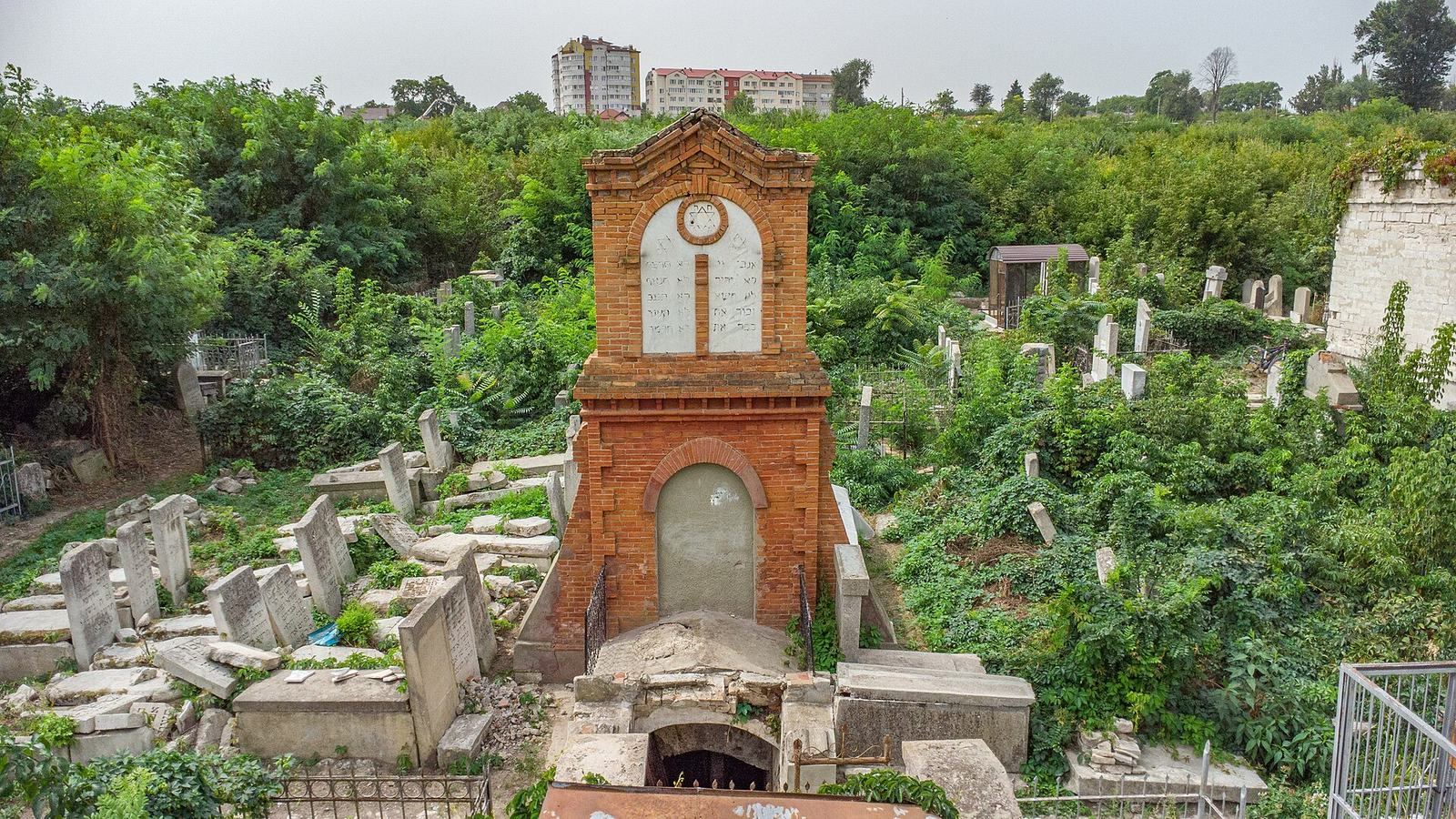
The surviving grounds, on Milano Street in the Buiucani district of western Chișinău, cover roughly 11–12 hectares. They contain an estimated 24,000–40,000 graves and about 17,000 gravestones. Historically, the cemetery extended to include the New Cemetery on Skulyanka.
Gravestones and enclosure
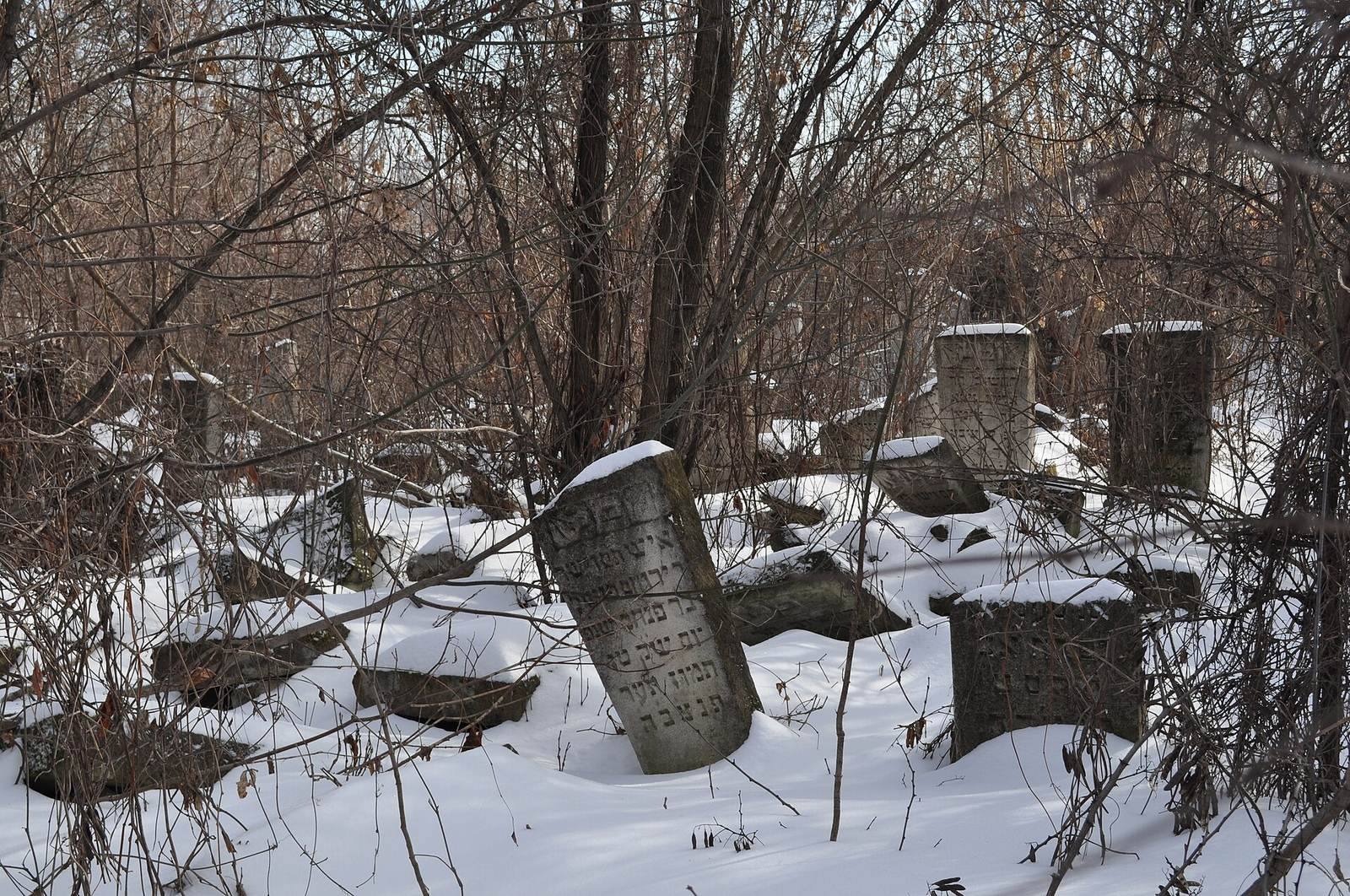
Many markers are more than a century old and are made from marble, granite and other materials. Fragments of gravestones from the demolished eastern section were incorporated into the enclosure around the surviving cemetery. Other pieces were reused in fences around Chișinău’s central and Catholic cemeteries and a military facility, while fragments were also used to pave paths in Alunelul Park.
The grounds are in advanced deterioration, and many graves are damaged. The Jewish community and city authorities are responsible for their care, with volunteers also carrying out cleanups. Individual graves are generally maintained when an annual fee is paid, and local neo-Nazi groups occasionally vandalize graves.
Memorials and collective graves
A monument to victims of the Chișinău pogrom stands inside the cemetery near the grave of Rabbi Leib Yehuda Tsirelson, a Jewish religious scholar and communal leader who led the Jewish community of Bessarabia for decades. The grounds also contain collective graves for victims of the 1903 and 1905 pogroms.
Ritual purification house
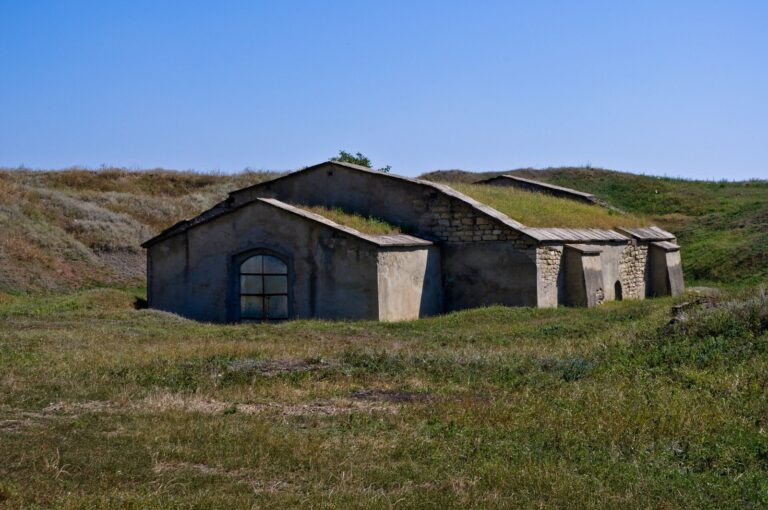
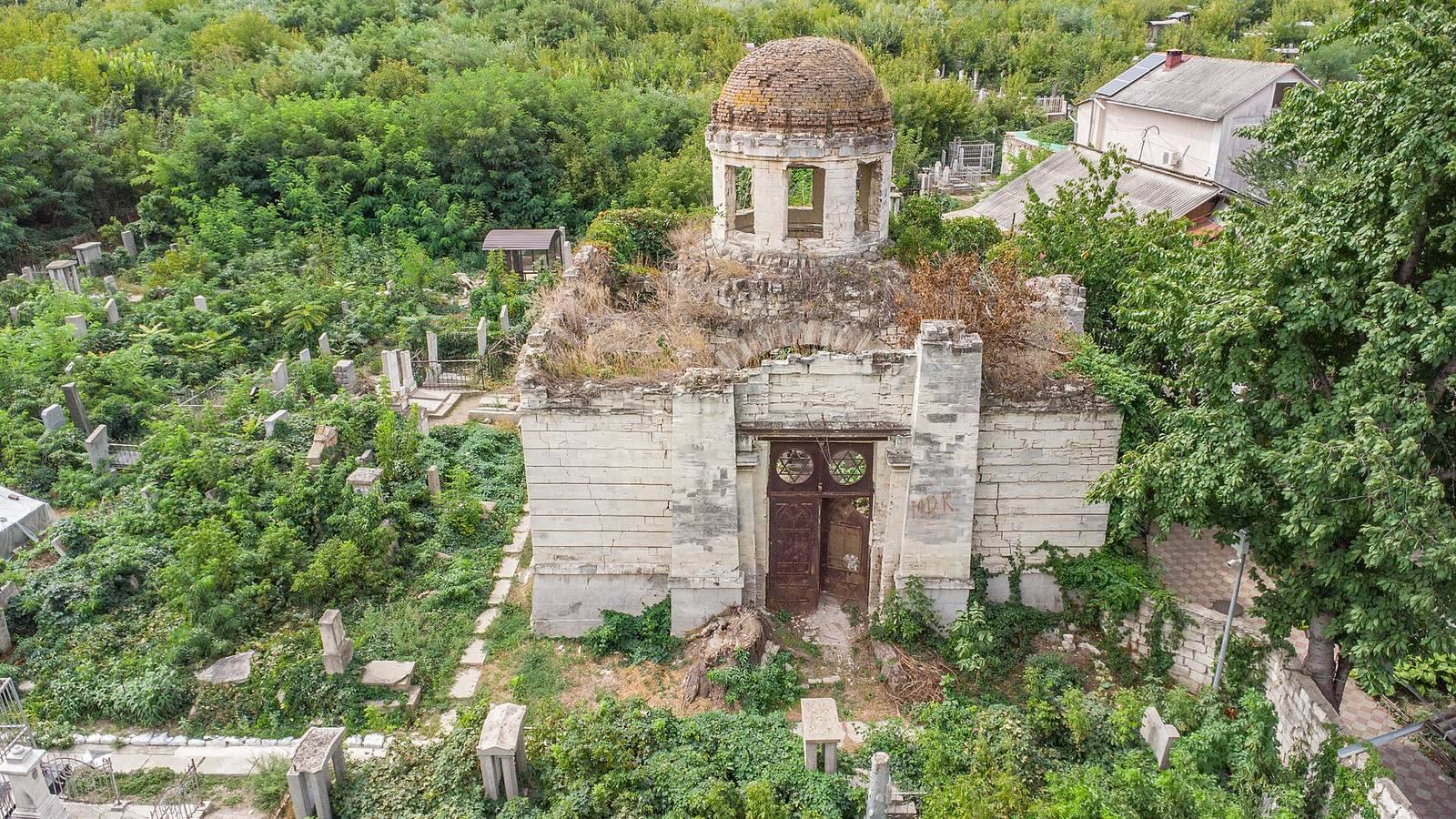
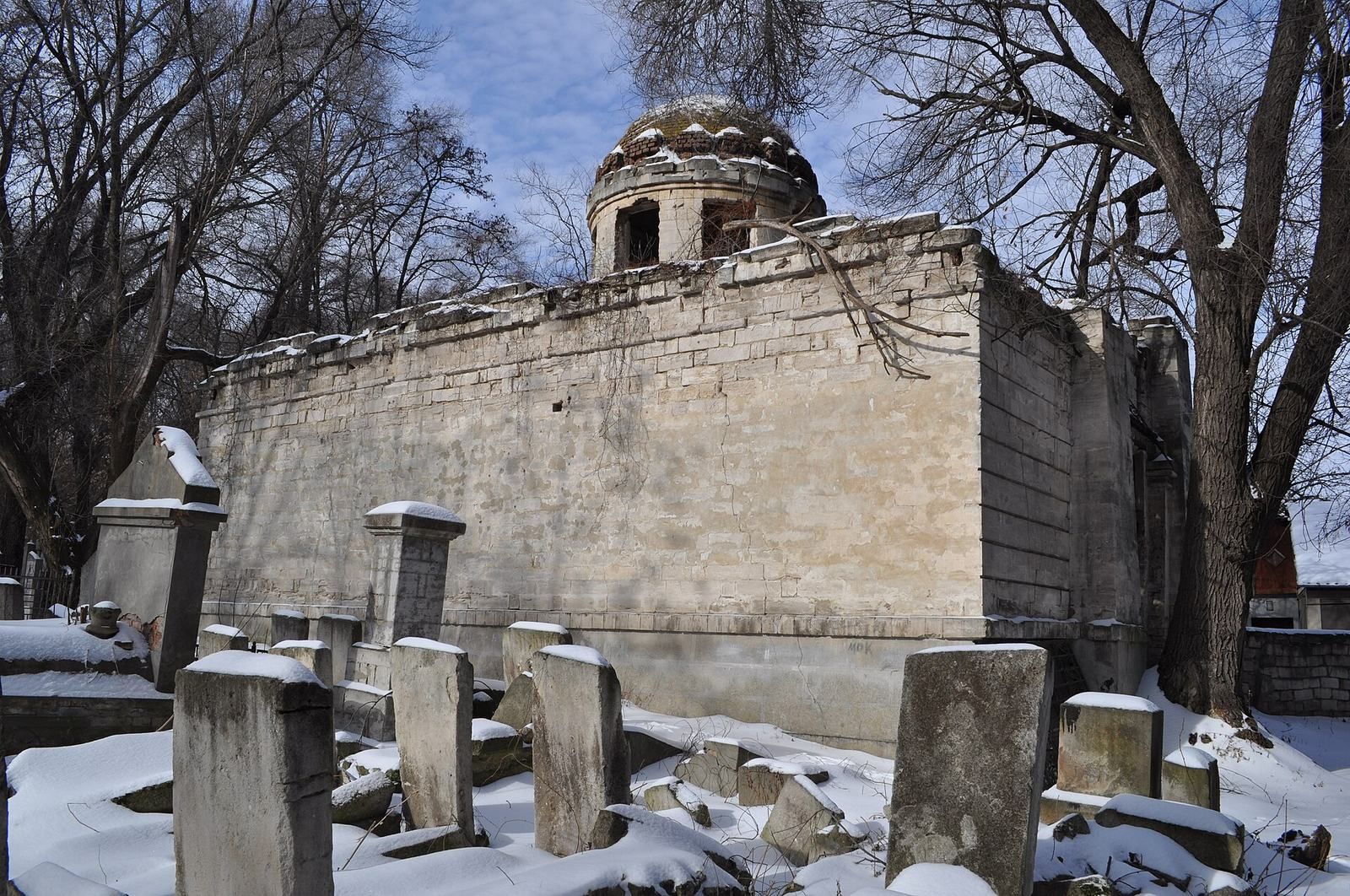
Built in the second half of the nineteenth century, the ritual purification house was used to cleanse bodies before burial. Wartime bombardment damaged the building, which later fell into serious disrepair and lost part of its roof. Its dome and original interior decorations have survived. The building has since been restored and is the only one of its kind in Moldova.
Genizah and aviator’s grave
The cemetery complex includes a genizah, a repository for sacred texts no longer suitable for use. A separate aviator’s grave is marked by a monument incorporating a propeller that still turns.