Palace of Água de Peixes: A Historic Residence in Alvito, Portugal
Site at a Glance
- Popularity
- Low
- Country
- Portugal
- Primary era
- Early Modern
- Eras represented
- Medieval, Early Modern
- Civilizations
- Portuguese
- Site type
- Domestic
- Remains
- Palace
On this page6 sections
History
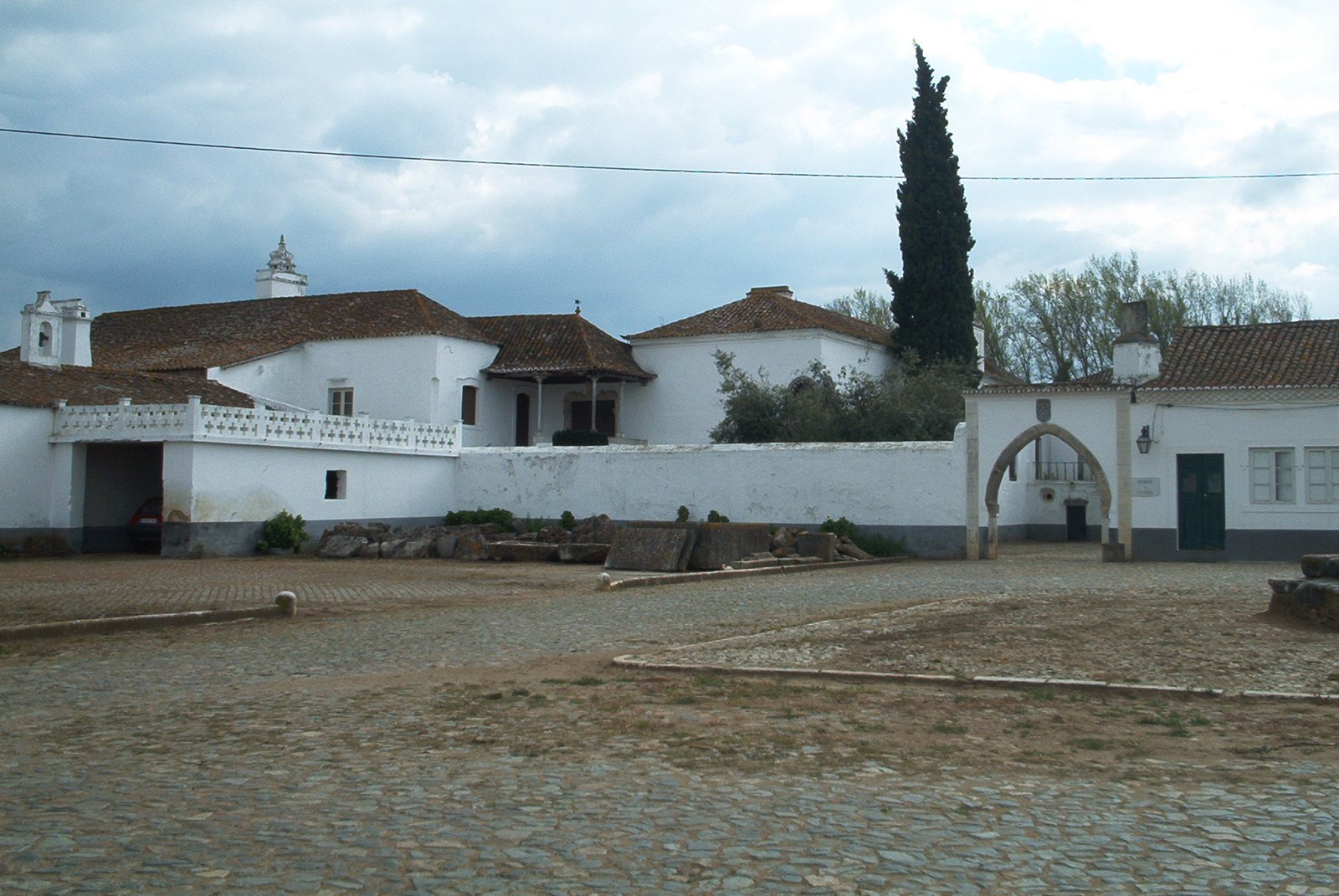
The Palace of Água de Peixes stands on the Água de Peixes estate in Alvito, Portugal. Also known as Solar de Água de Peixes and the Palace of the Dukes of Cadaval, it dates to the 12th century, while its present appearance developed in the 16th century. The building includes late-medieval features and elements of Manueline, a Portuguese style associated with the late Gothic period.
The estate belonged to the House of Braganza, Portugal’s royal dynasty, and later to the Duke of Cadaval, a title of Portuguese nobility. Since 2002, the palace has been designated a National Monument. Art historian Reynaldo dos Santos regarded the estate as an example of Mudejar influence, associated with Islamic artistic traditions in the Iberian Peninsula, on Alentejo’s regional Manueline architecture. Horseshoe arches were among the common elements of that regional style.
Remains
Palace layout and features
Plan and courtyard
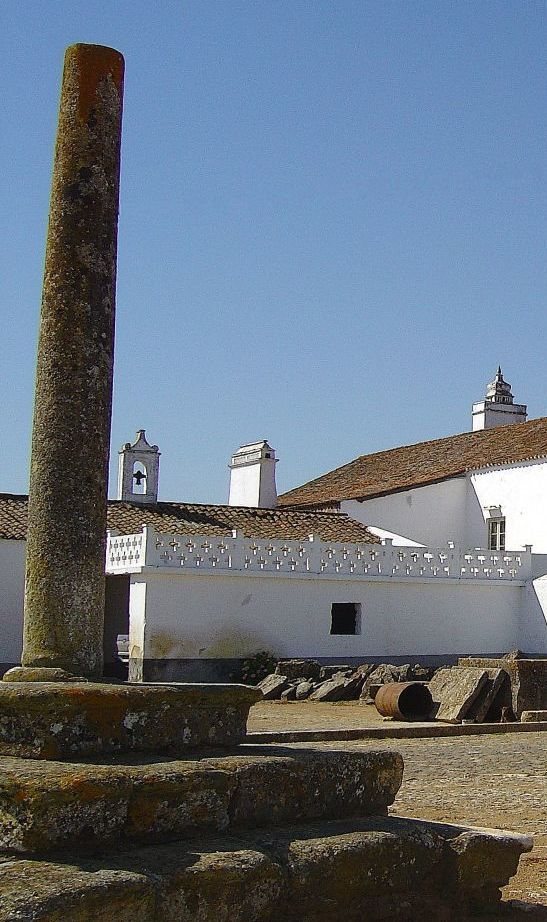
The palace has a simple quadrangular plan with two large storeys arranged around a landscaped central courtyard. Enclosed by walls and surrounded by the building, the spacious courtyard retains a cloister-like arrangement. Its original basin, which covered 50 square metres and was once used as a swimming pool, now contains a wild olive tree.
Chapel
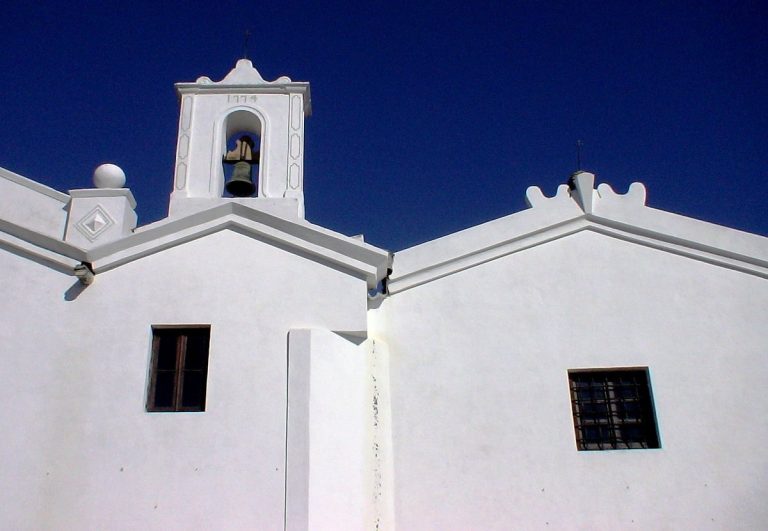
A rectangular chapel with a single main space opens onto the courtyard. Two small windows provide its only light, and their vertical sides have Manueline detailing. The limited light gives the interior the appearance of a cloistered convent dormitory.
Tiles and exterior
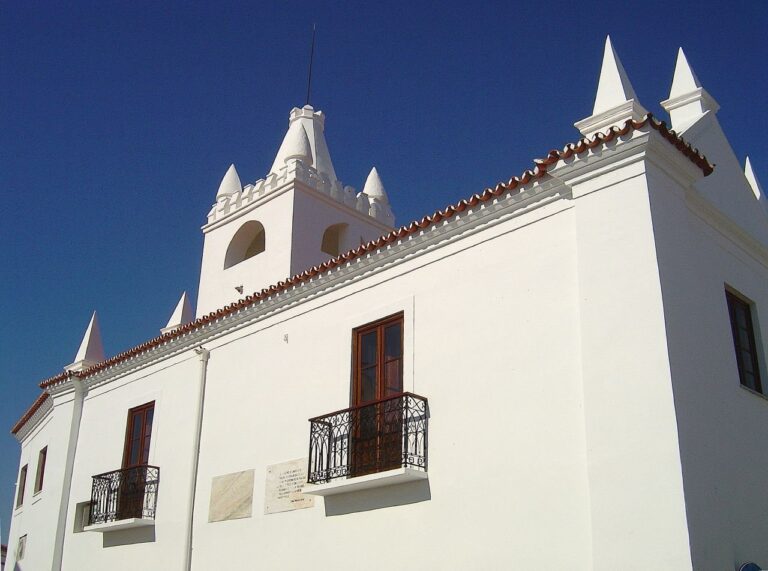
The palace contains a collection of 18th-century Portuguese tiles. Its exterior is painted white and blue, colors typical of Alentejo.