Compey-Lucinge Fortified Manor House: A Medieval Residence in Féternes
Site at a Glance
- Popularity
- Very Low
- Country
- France
- Primary era
- Medieval
- Eras represented
- Medieval, Early Modern
- Civilizations
- Duchy of Savoy, Holy Roman Empire
- Site type
- Military
- Remains
- Castle
History
The Compey-Lucinge fortified manor house stands in Châteauvieux, within the commune of Féternes, France. Construction began in the 14th century, and the house first served as a residence for the House of Compey. It was later known as Lucinge Castle. In 1325, the Compey family, also called Compois, acquired part of the lordship of Féternes and settled at the castle. Their residence was distinct from the count’s castle known as Châteauvieux.
In 1346, Jean de Compey, a grandson of Pierre, acknowledged that he held several properties at Féternes from the Count of Savoy and received formal recognition of lands and rights there. He may have married Léone de Féternes. Jean’s son Guillaume held the local medieval office of vidomne, whose duties varied by place. Guillaume may have married Henriette de Greysier; their son François became lord of Féternes.
François’s son Jean became castellan of the Évian-Féternes castellany, an administrative district associated with a castle, in 1459. In 1465, he became a squire to Louis I, Duke of Savoy from 1440 to 1465. Jean also confirmed the family’s holdings that his great-grandfather had acknowledged in 1346. In 1492, Jean’s sons Louis and Antoine recognized the family’s properties at Féternes. The manor house underwent substantial changes during the 15th and 16th centuries and burned in 1930.
Remains
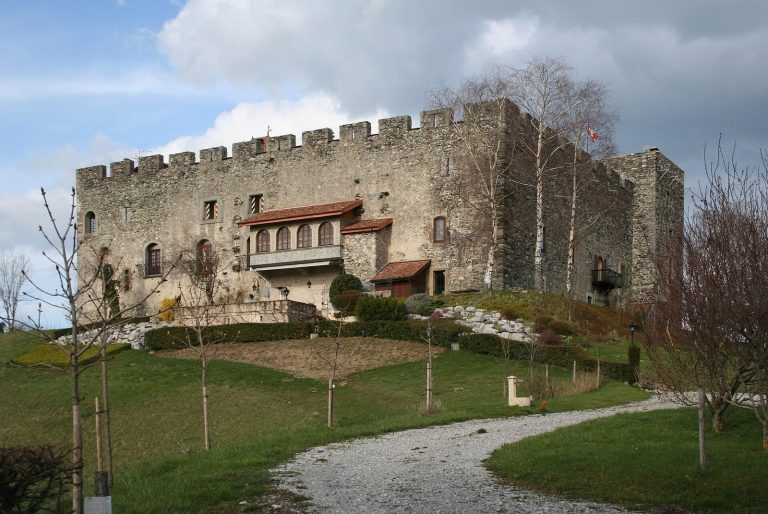
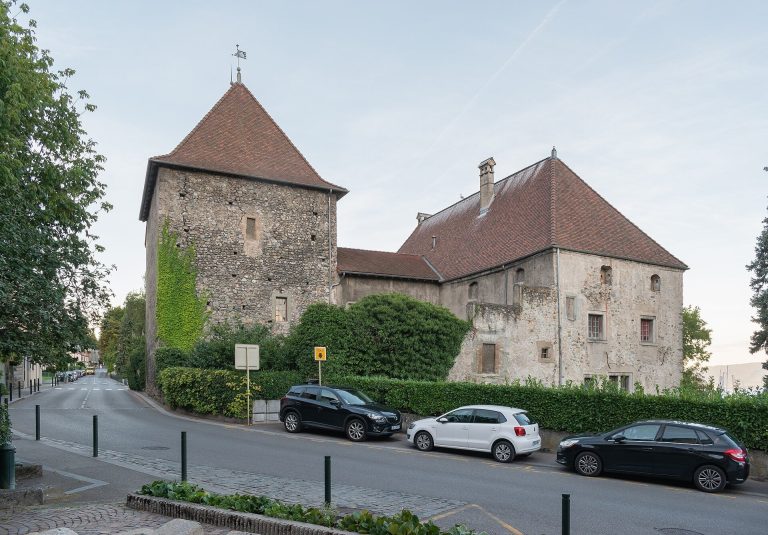
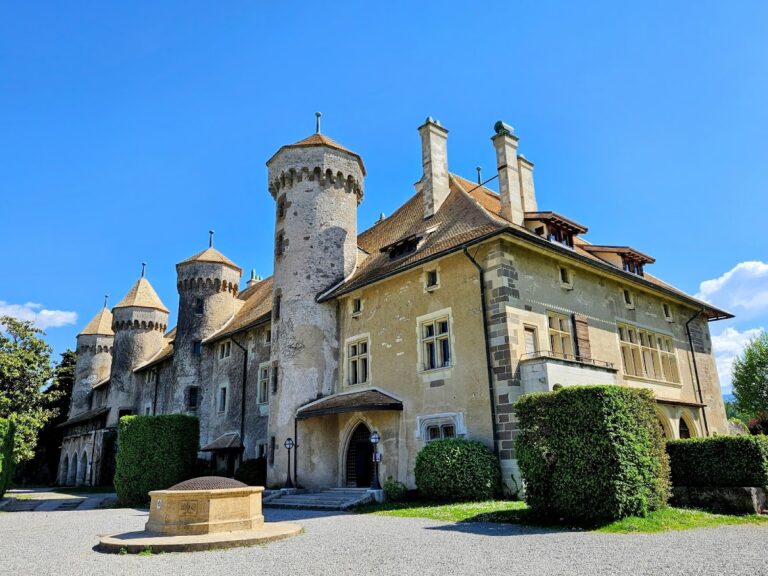
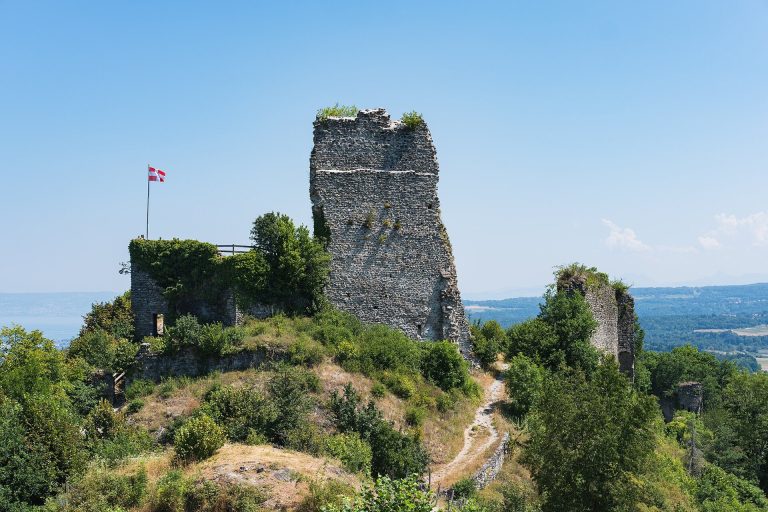
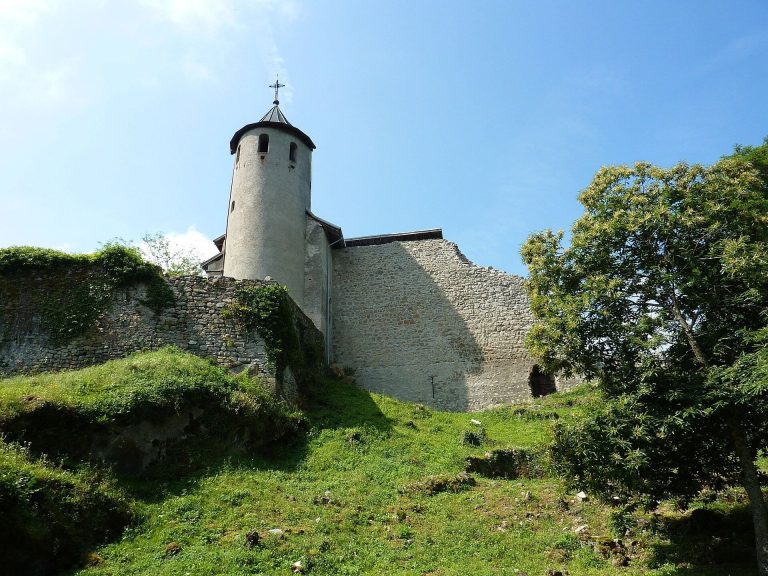
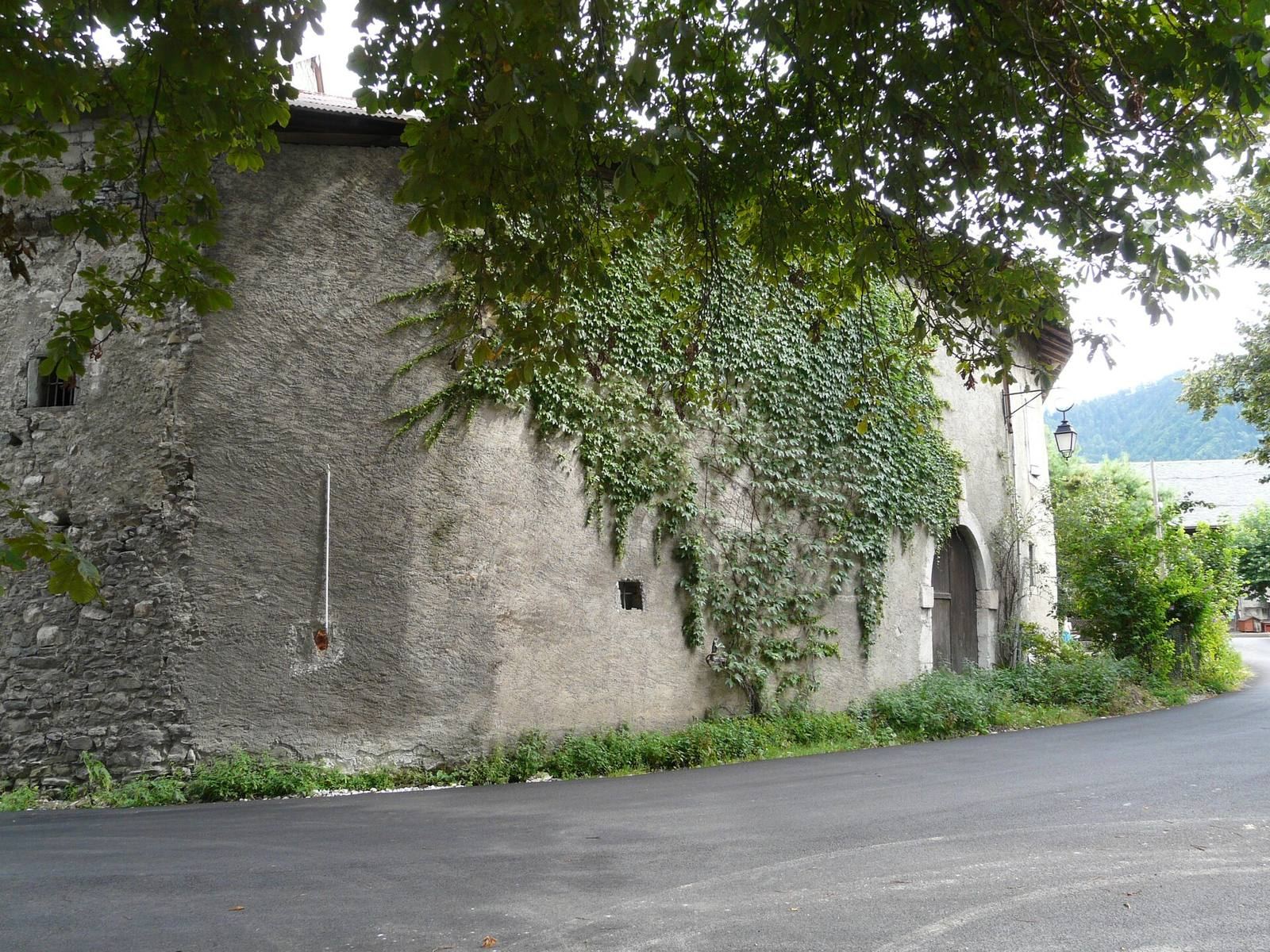
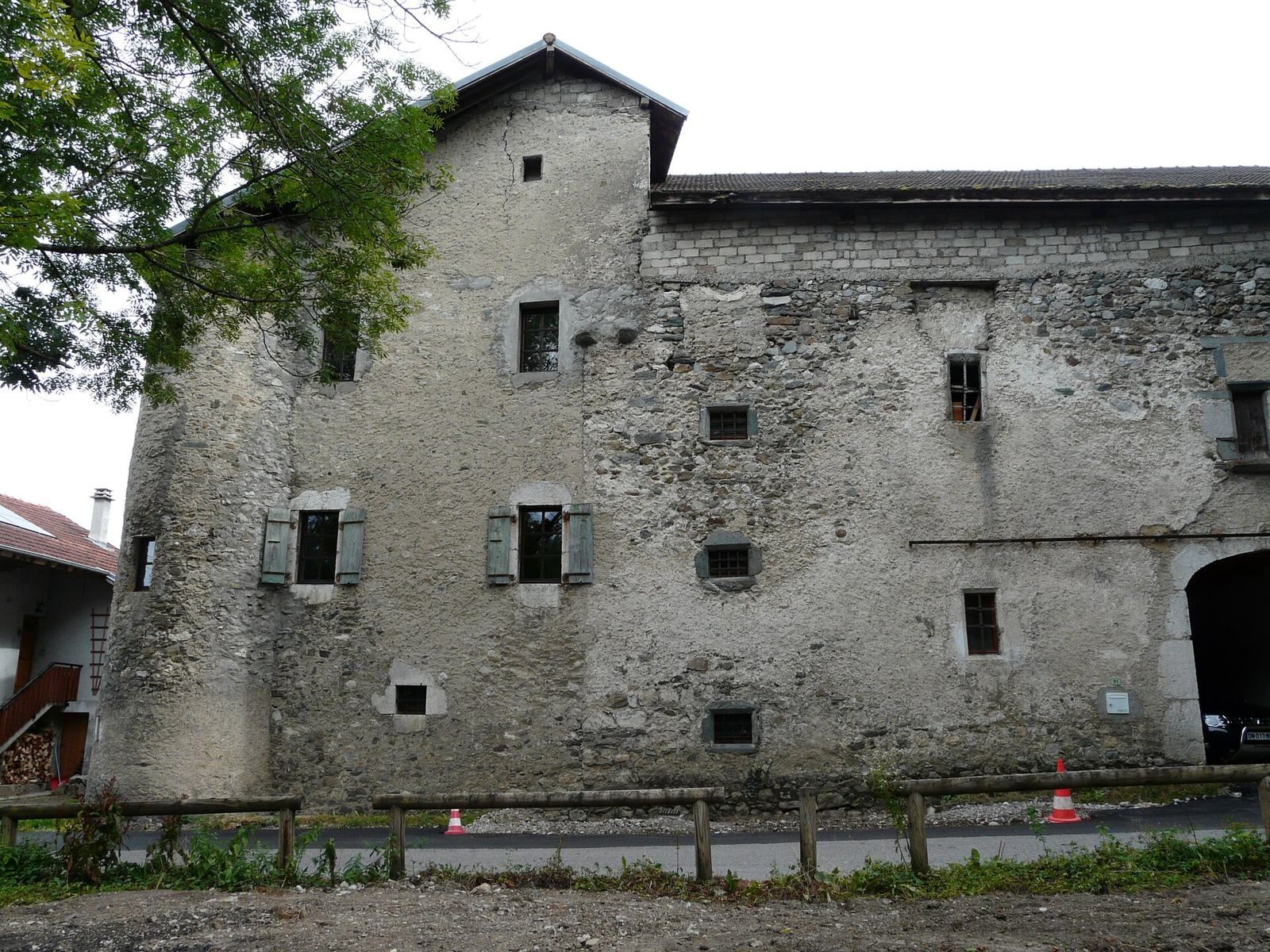
The manor house has an irregular rectangular plan, with one square tower and several round towers. Three building ranges form a U around a large courtyard. It stands at the center of Châteauvieux, opposite the former church, and defended the eastern entrance to the fortified settlement.