Château de Sonnaz: A Historic Residence and Museum in Thonon-les-Bains


Site at a Glance
- Rating
- 4.6
- Popularity
- Very Low
- Country
- France
- Primary era
- Early Modern
- Eras represented
- Early Modern
- Civilizations
- Duchy of Savoy
- Site type
- Domestic
- Remains
- Elite Residence
On this page8 sections
History
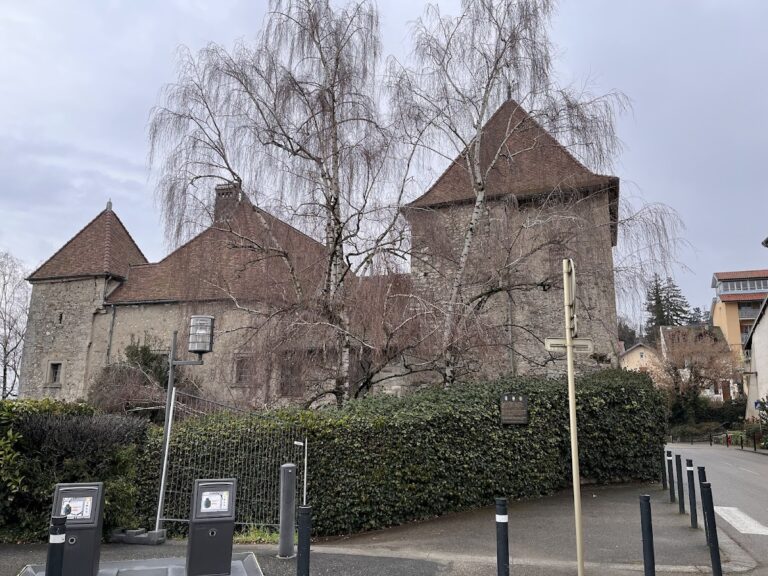
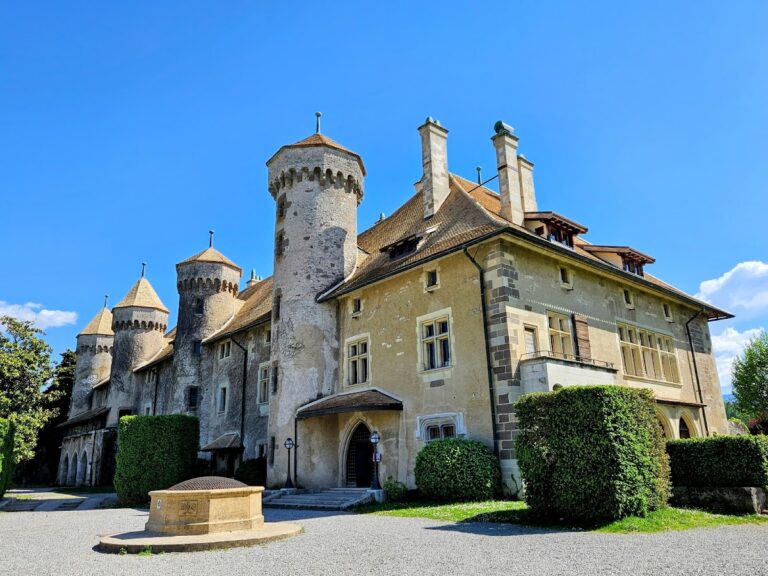
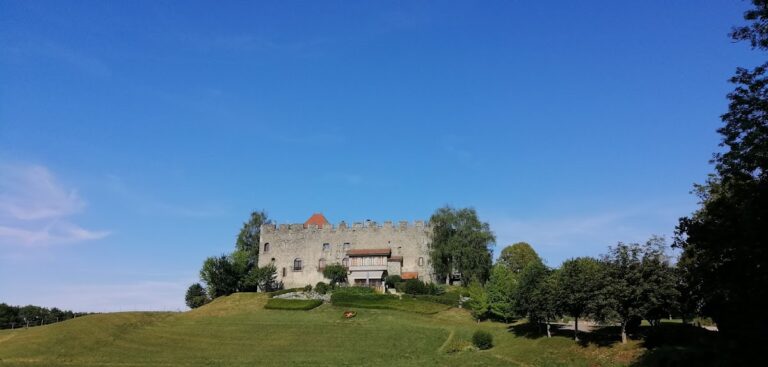
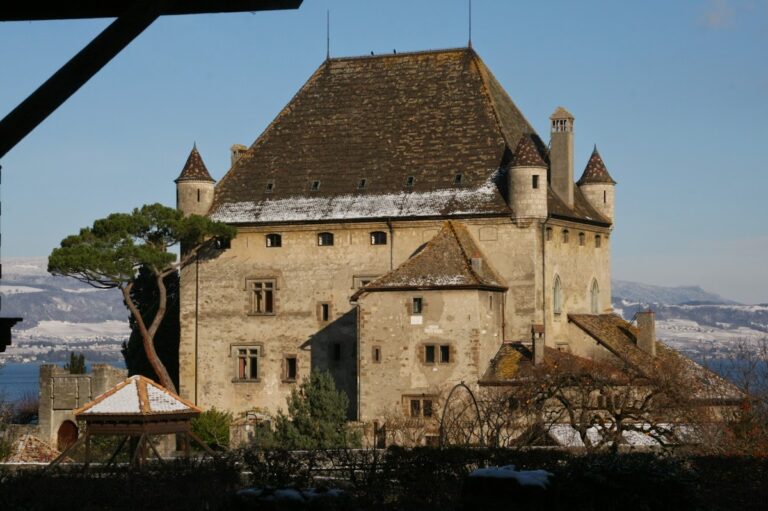
Château de Sonnaz is a seventeenth-century château in Thonon-les-Bains, France, built as a private residence for the noble Gerbaix de Sonnaz family. Construction began in 1666 on the site of the former fortified castle of Thonon, linking the building to the medieval and early modern history of the town above Lake Geneva.
The medieval fortress
The earlier castle was constructed in 1290 by Amadeus V, count of Savoy from 1285 to 1323. Thonon’s first fortified enclosure was built at the same time. The fortress occupied an elevated position above the lake and provided the town with its principal defense, especially because Thonon did not yet have defensive walls and moats.
The siege of 1589
The castle played an important role during the sixteenth-century Wars of Religion, conflicts involving competing Catholic and Protestant powers in France and neighboring regions. In 1589, Nicolas de Harlay, Sieur de Sancy, a French military commander and statesman, led a campaign in Savoy on the orders of Henri III, king of France from 1574 to 1589.
With assistance from an accomplice in Thonon, Sancy’s troops entered the fortress enclosure. After a three-day siege, the garrison surrendered, and Sancy forced the inhabitants to swear loyalty to the French king. The accomplice was later condemned to death by hanging by the Senate of Savoy, the Duchy of Savoy’s senior judicial and administrative institution.
Fire, dismantling, and reconstruction
A fire in 1616 ravaged the fortress, partially destroying the buildings and weakening the defenses. The remaining structures were later slated for demolition. Some of the masonry was reused in the construction of Thonon’s Sainte-Maison and the Ursuline convent, while part of the former castle site became the castle square.
The Gerbaix de Sonnaz family, which originated in Chambéry, was regarded as one of Savoy’s oldest noble families and was possibly able to trace its history to the thirteenth century. Their new residence began rising on the former fortress site in 1666, giving the location a residential purpose after the destruction of its military predecessor.
Municipal and museum use
The city of Thonon-les-Bains later acquired Château de Sonnaz. Since 2008, the building has housed the city tourist office and the Chablais Museum. The museum’s permanent exhibitions address the sculptor Marguerite Peltzer and her work, smuggling along the Chablais frontier, and the former navigation and stone transport of Lake Geneva.
Peltzer, a twentieth-century sculptor, left the contents of her studio, including numerous works, to the city in 1991. In 2013, the museum marked its 150th anniversary with a commemorative exhibition curated by the contemporary French artist Gérard Collin-Thiébaut. The museum also presents a temporary exhibition renewed each year.
Remains
Château de Sonnaz is a seventeenth-century residential building occupying the elevated site of Thonon’s medieval fortress in the center of the town. It stands near the town hall and beside the upper station of the Thonon-les-Bains funicular, with views toward the port of Rives and Lake Geneva. The present building and the surviving historical setting therefore combine a residence built from 1666 with a location formerly organized for defense.
The former fortified site
The medieval castle occupied an elevation above the lake and formed part of Thonon’s first fortified enclosure. Its position gave the fortress a broad viewpoint over the surrounding area. The 1616 fire damaged the fortifications, after which the remains were dismantled. Reused stone from the demolished castle contributed to the Sainte-Maison of Thonon and the Ursuline convent, and another portion of the site became the castle square.
The château and museum collections
The château was designed for residential use rather than as a surviving military installation. Its present facilities contain the Chablais Museum and the city tourist office. Within the museum, numerous works from Marguerite Peltzer’s studio legacy form part of the permanent displays, alongside exhibitions about smuggling in the mountainous and lakeside Chablais region and the former navigation of Lake Geneva.
The navigation exhibition covers sail-powered transport of stone from the second half of the eighteenth century to the beginning of the twentieth century. It includes the replica vessel Savoie, modeled on the region’s lateen-sail boats. A lateen sail is a roughly triangular sail attached to a long, sloping yard, a form used on Mediterranean and Lake Geneva craft.