Ottegraeven Castle: A Rebuilt Manor House in Belgium
Site at a Glance
- Popularity
- Low
- Country
- Belgium
- Primary era
- Early Modern
- Eras represented
- Early Modern
- Civilizations
- Holy Roman Empire
- Site type
- Domestic
- Remains
- Manor House
On this page7 sections
History
The Ottegraeven fief and family
Ottegraeven Castle is a manor house between Schoppem and Sint-Martens-Voeren in Belgium, rebuilt in 1710 after an earlier castle was destroyed during the Thirty Years’ War, the European conflict fought from 1618 to 1648. Ottegraeven was a fief, land held under feudal obligations, belonging to the manor of den Bongardt in Sint-Martens-Voeren.
A man named Cloes van Otegroeven appears in the County of Valkenburg’s registers in 1375. Maastricht council records later mention Lambertus, also called Lambrecht, van Otegroven as the owner of the inn De Helm on the Vrijthof between 1439 and 1479. He was the son of Claes van Otegroven, who may have been the Cloes recorded in 1375 or that man’s son. Lambertus and his sister Jutte inherited the inn and many other properties around Maastricht. The inn may have begun as a noble gatehouse or refuge house, a secure urban residence used away from a family’s rural estate.
Destruction and rebuilding
The original castle was larger than the present building and was destroyed during the Thirty Years’ War. Henri-François de Bounam, also known as Bonhome, a regional nobleman, rebuilt it in 1710.
Remains
Buildings and setting
Manor house and farmstead
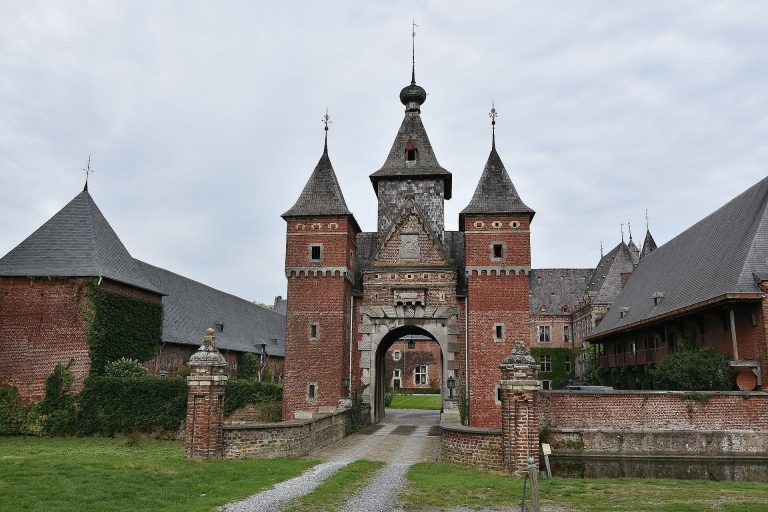
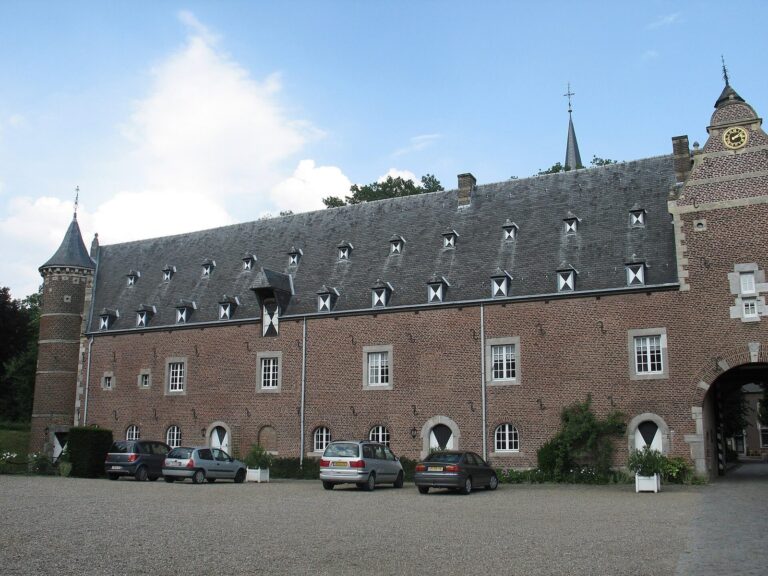
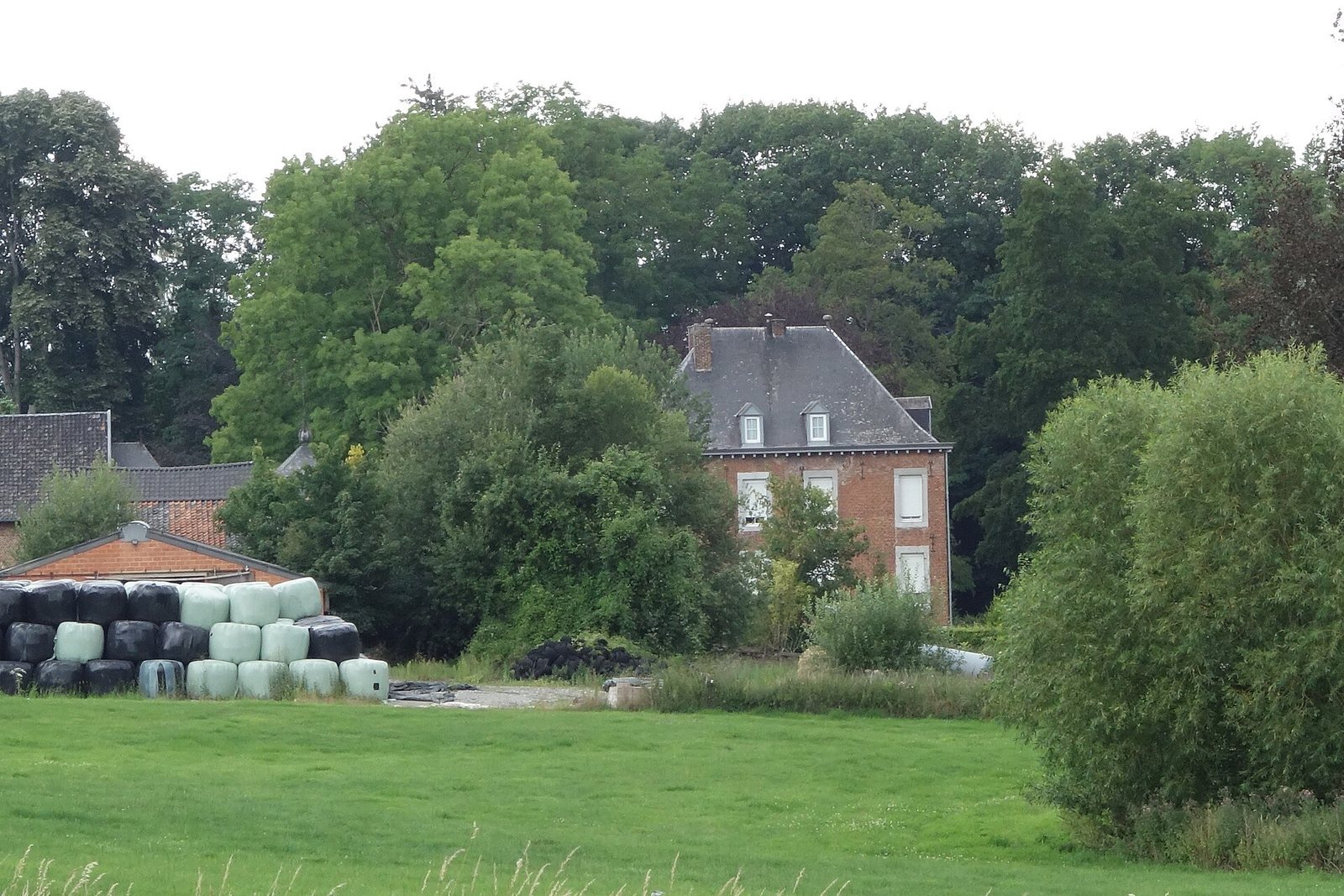
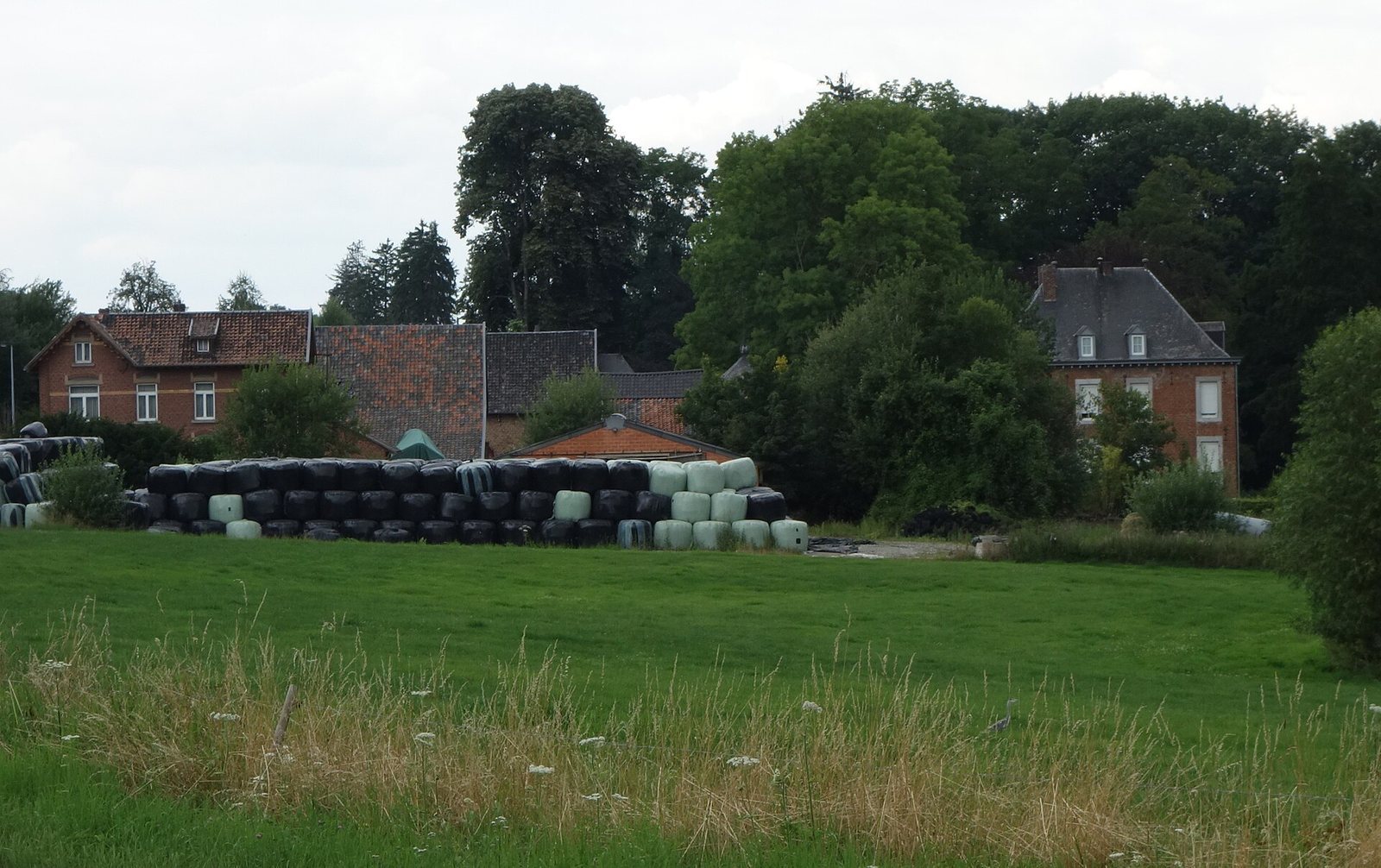
The present building is a brick manor house with a rectangular plan and a hipped roof. The Mariahof farm buildings stand between the castle and Ottegraeven Street, largely screening it from the road. A bridge across the castle moat links the farmstead to the castle.
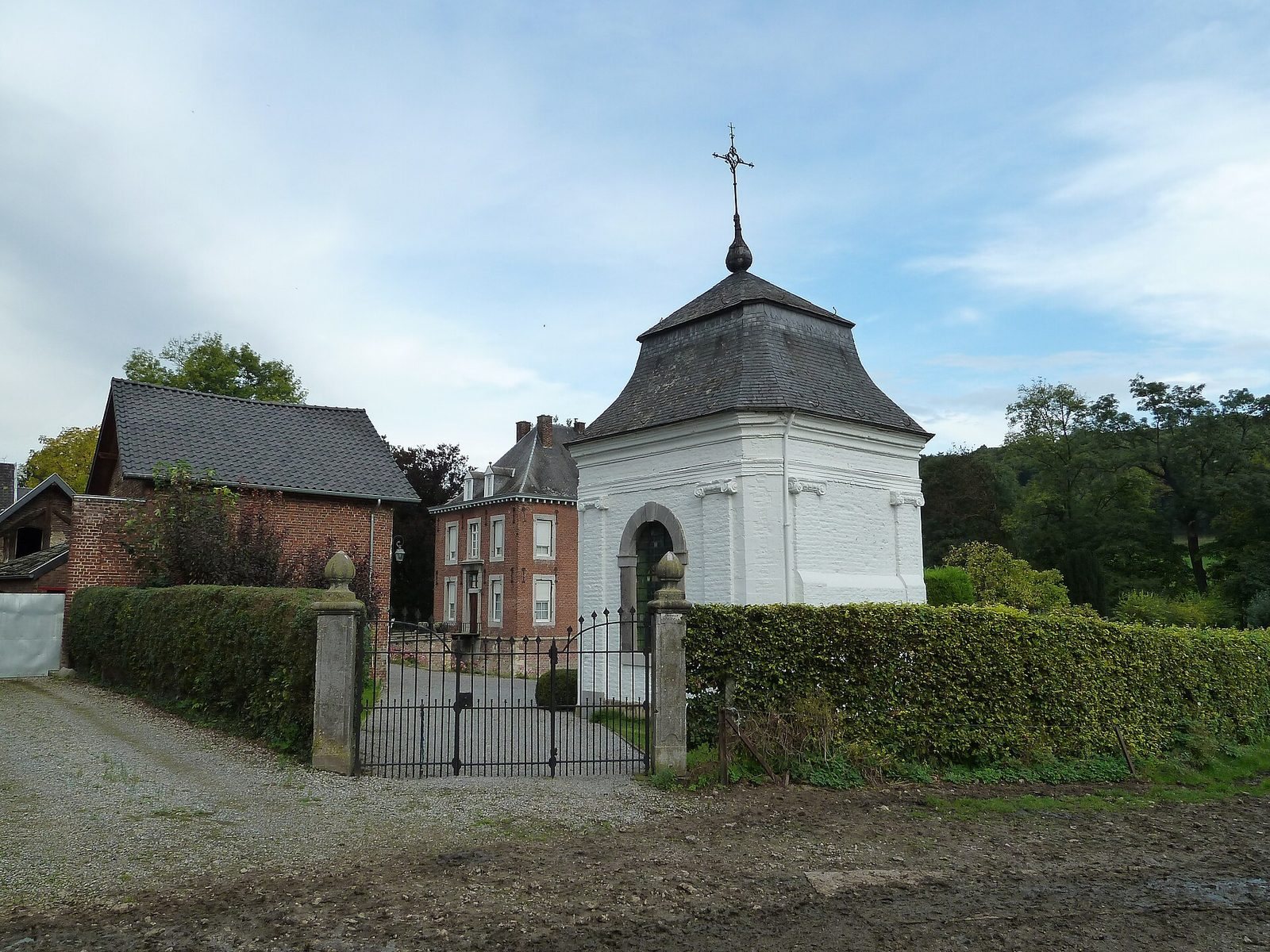
Chapel and surrounding landscape
A white chapel stands at the entrance to the castle drive. Its Louis XIV style, associated with the French Baroque court of Louis XIV, includes a mansard roof topped by a small onion-shaped spire and a cross. The Pompmolen watermill formerly stood near the castle and drew its water from the Voer stream behind it. Schoppemerheide woodland lies north of the castle.