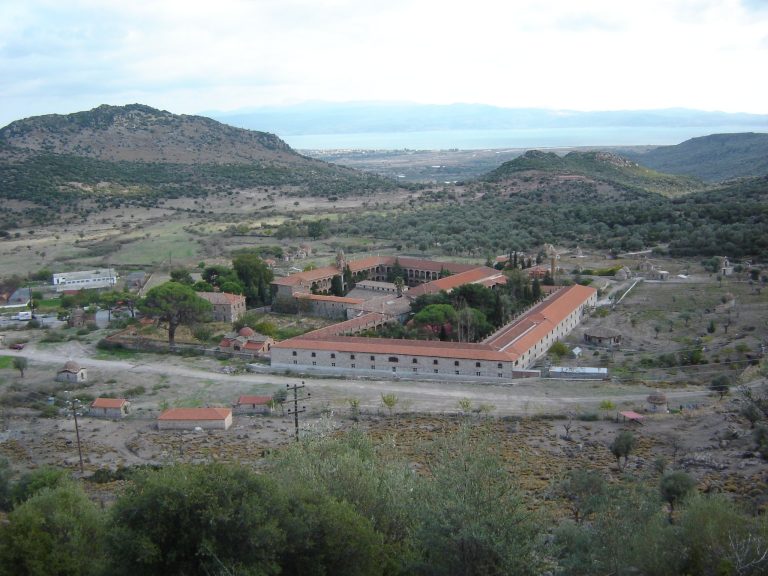
Yeşilyurt Village Mosque: An Ottoman Mosque in Türkiye
Site at a Glance
- Popularity
- Low
- Country
- Turkey
- Primary era
- Modern
- Eras represented
- Modern
- Civilizations
- Ottoman
- Site type
- Religious
- Remains
- Mosque
On this page6 sections
History
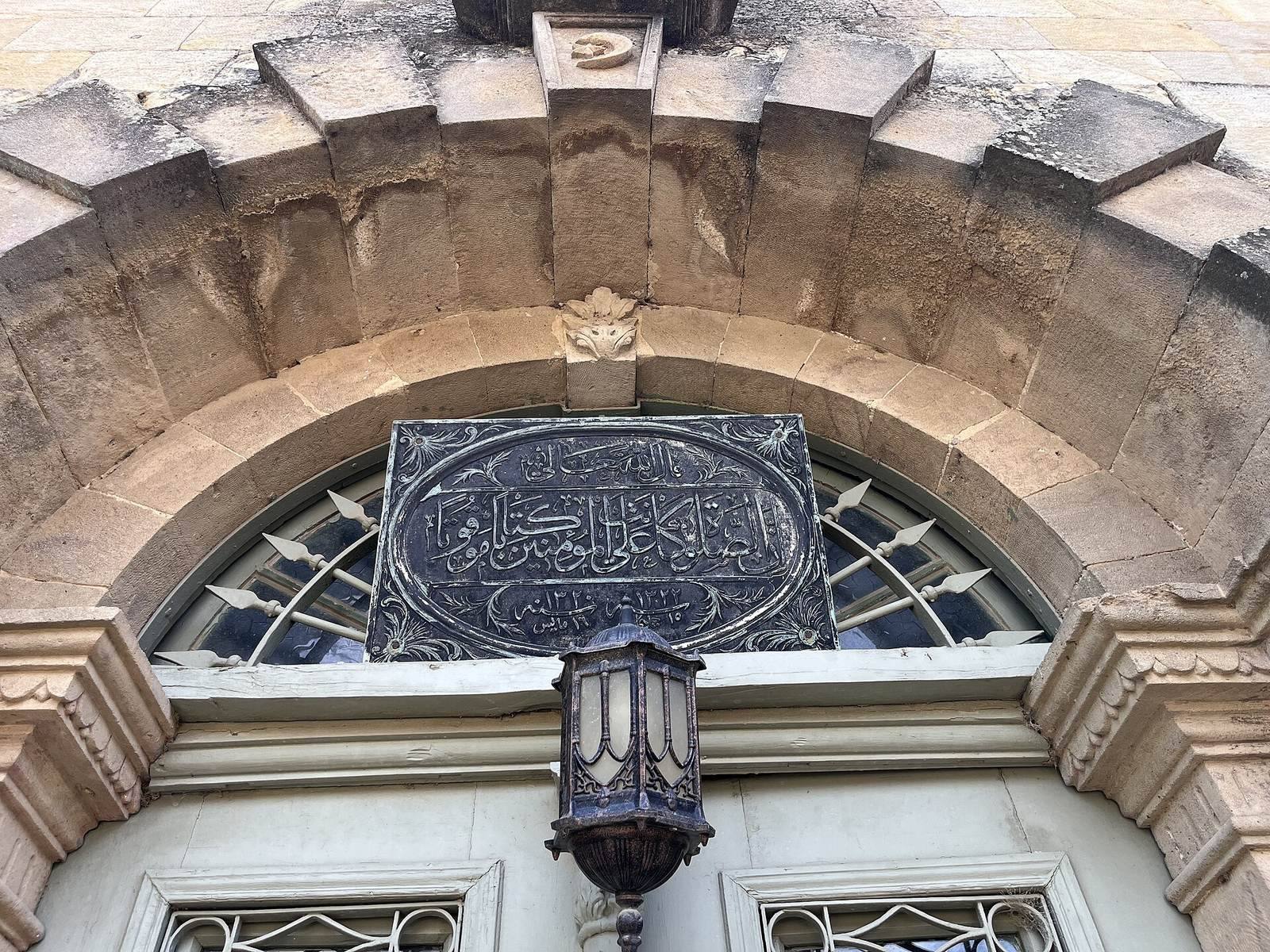
Yeşilyurt Village Mosque is an Ottoman-period mosque in Yeşilyurt village, Ayvacık district, Çanakkale Province, Türkiye, completed around 1900. The Ottoman period was the era of the empire founded in Anatolia and lasting into the early twentieth century. The mosque is affiliated with Islam, and its entrance bears the year 1322 in the Hijri calendar, the Islamic lunar calendar.
Greek craftsmen carried out two-thirds of the building work, with Turkish craftsmen completing the rest. Greek craftsmanship and cultural influence contributed to the mosque’s church-like architectural character.
Remains
Plan and exterior
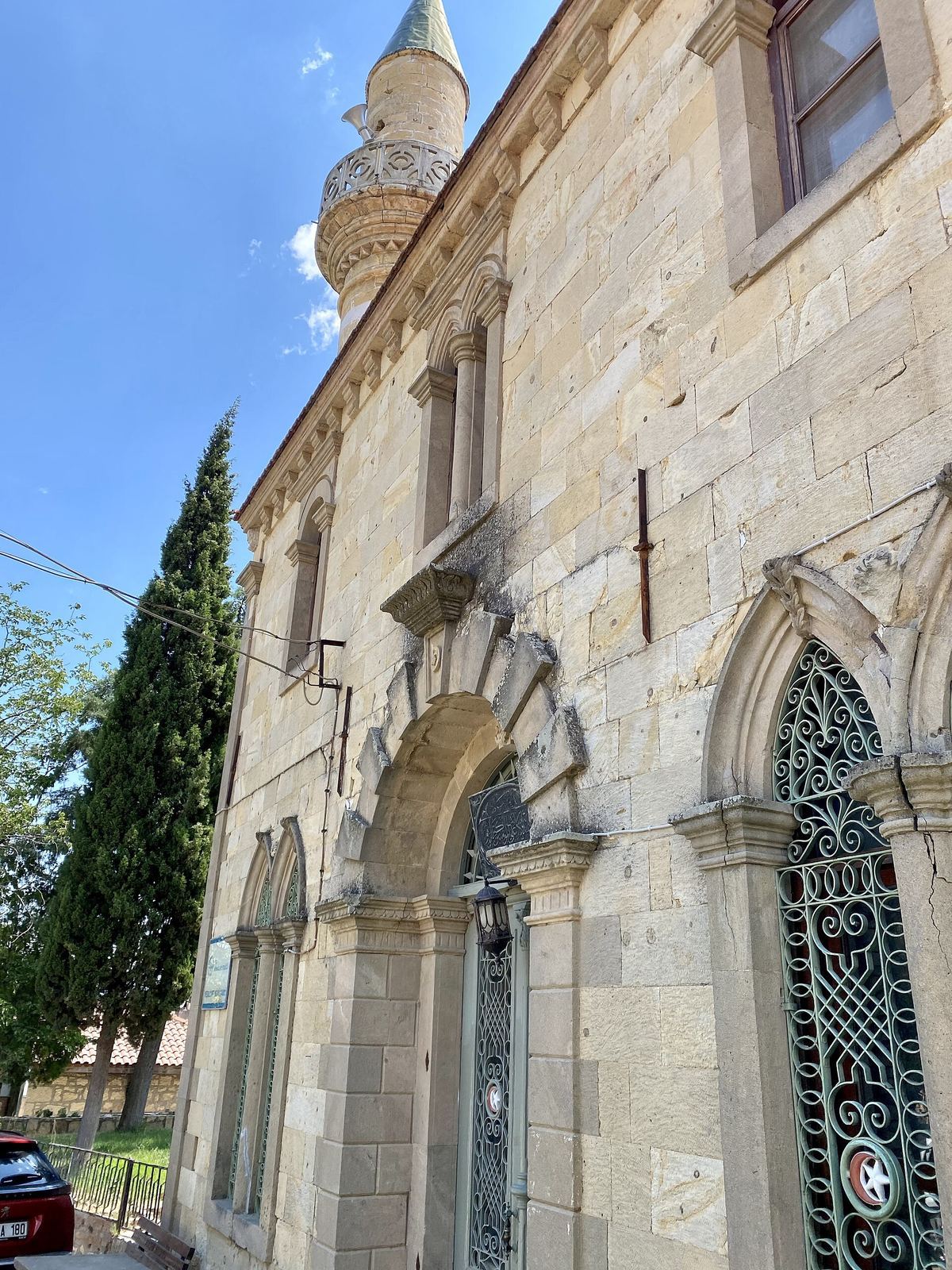
The mosque has a rectangular plan and is built of stone, with a timber upper structure, a triangular roof, and one minaret. Pointed-arch windows on the north facade recall Gothic architecture, a European architectural style, while the facade combines different styles.
Interior
Prayer hall
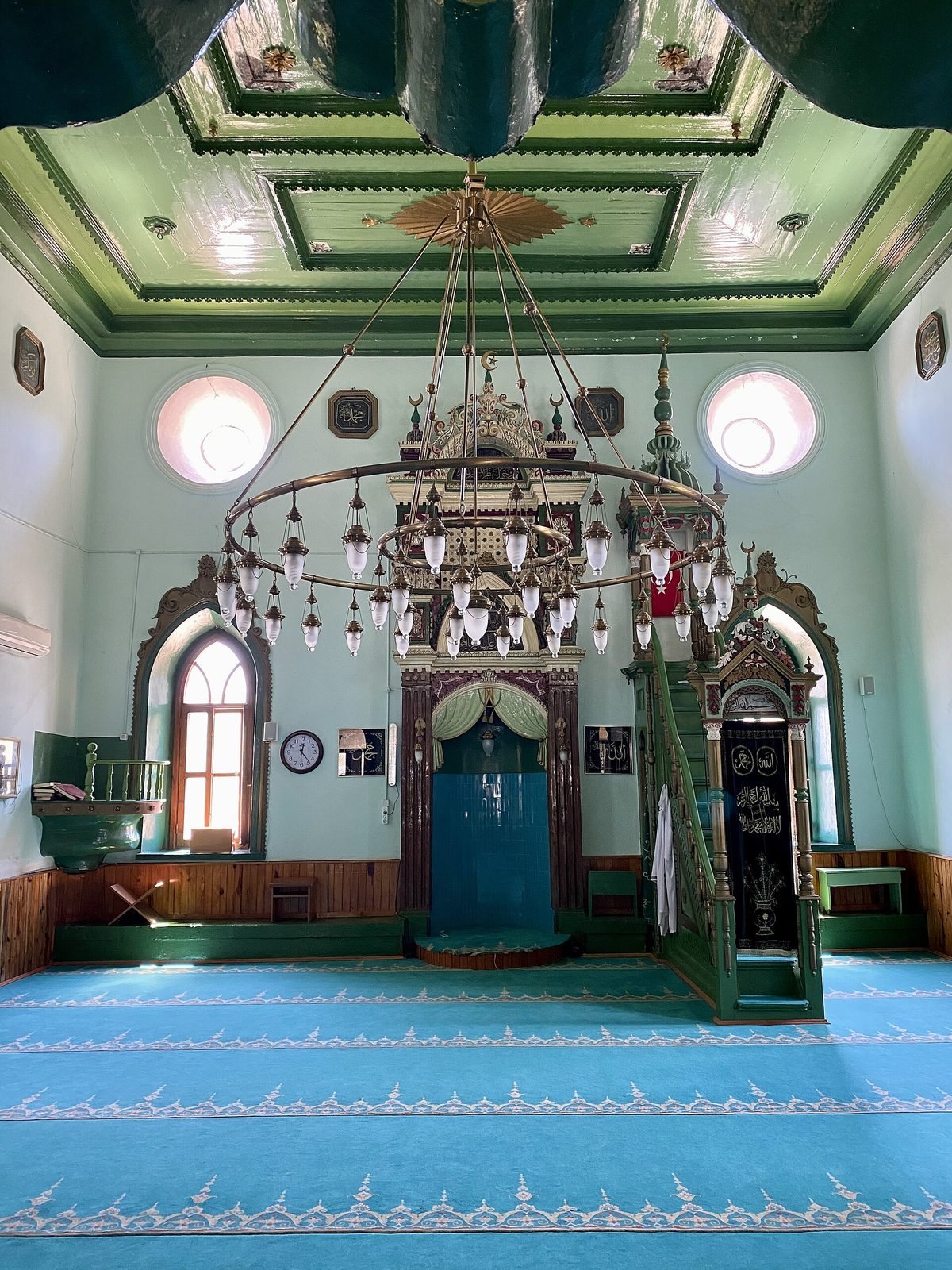
The harim (prayer hall) is undivided, and crescent-and-star motifs appear inside. Horizontal moldings and sculptural details give the interior a visually multi-storied appearance.
Prayer niche and pulpit
The raised mihrab (prayer-direction niche) and minbar (sermon pulpit) have Baroque ornament, a European artistic style. Acanthus ornament, formed from stylized leaves, decorates the minbar. Nineteenth-century Western styles are reflected in the architectural details and in ornament on the niche, pulpit, and prayer hall.