Gallo-Roman Museum of Claracq: A Museum of Roman-Period Archaeology
Site at a Glance
- Popularity
- Very Low
- Country
- France
- Primary era
- Classical
- Eras represented
- Classical
- Civilizations
- Roman
- Site type
- Museum
On this page7 sections
History
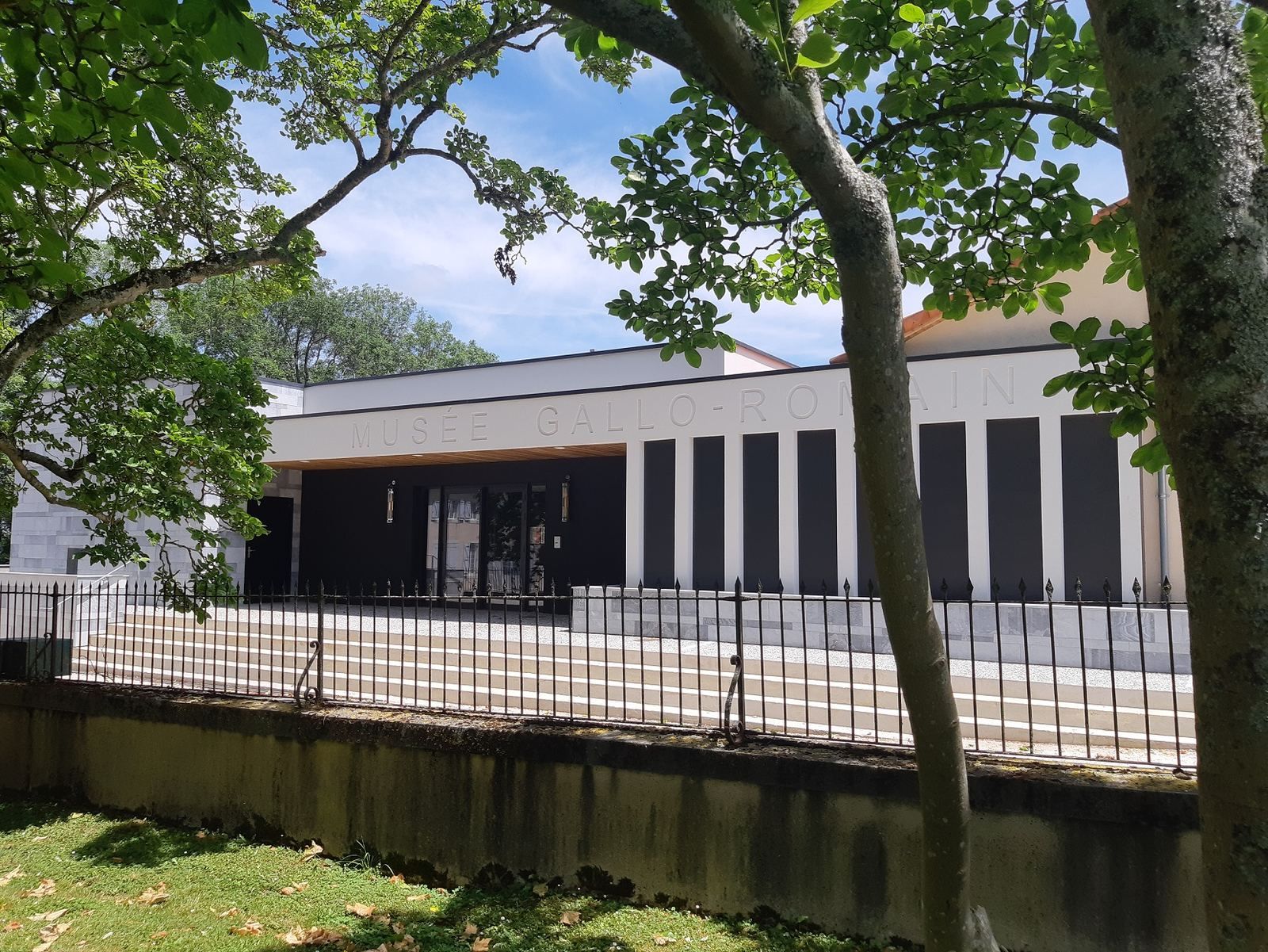
The Gallo-Roman Museum of Claracq, in Pyrénées-Atlantiques, France, preserves and presents finds from the Roman-period villas at Lalonquette and Taron. Gallo-Roman describes the culture of Gaul under Roman rule, shaped by local traditions. A villa was a rural estate and residence. The museum was inaugurated in 2012.
Excavations and collection stewardship
Archaeological work at Lalonquette began with campaigns led by Jean Lauffray, an architect specializing in historic monuments, from 1959 to 1972. A research group from the University of Pau and the Pays de l’Adour excavated there between 1994 and 2005. François Réchin, a professor of archaeology, directed operations during the 2000s.
Between 1998 and 2001, the Community of Communes of Luys en Béarn, an intermunicipal public authority, acquired the land containing the Lalonquette villa. Material recovered in the 2000s became the authority’s property, while finds from earlier excavations remained state-owned. Since 2008, the Aquitaine Regional Directorate of Cultural Affairs, a regional office of the French state, has been responsible for assembling, preserving, and promoting the state collections.
Museum development
The museum received France’s Musée de France designation in 2017, an official status for museums recognized under the national cultural heritage framework. Work at the Lalonquette villa from 2015 to 2018 addressed the difficulties of conserving and explaining foundations that overlapped from successive building phases.
The Community of Communes began enlarging the museum in 2019, and the expanded facility was inaugurated in 2022. Since 2021, the museum has also housed collections from excavations of the Taron villa and from surveys conducted on foot in the surrounding area during the 1990s. Its partnerships include the University of Pau and the Pays de l’Adour, the National Institute for Preventive Archaeological Research, the Archaeological Group of the Pyrénées-Orientales, and Claracq’s rural elders’ association.
Remains
The museum’s archaeological presentation combines an indoor exhibition with the protected remains of the Lalonquette villa and a trail linking the museum to the villa.
Museum exhibition
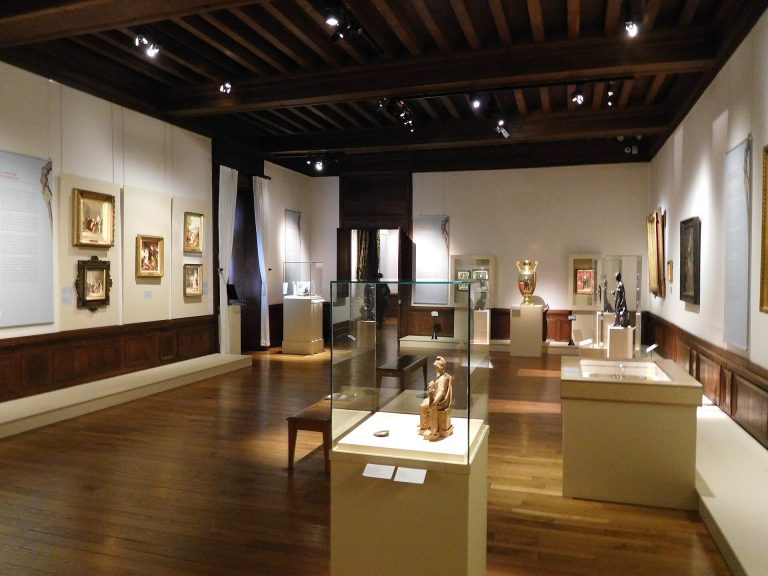
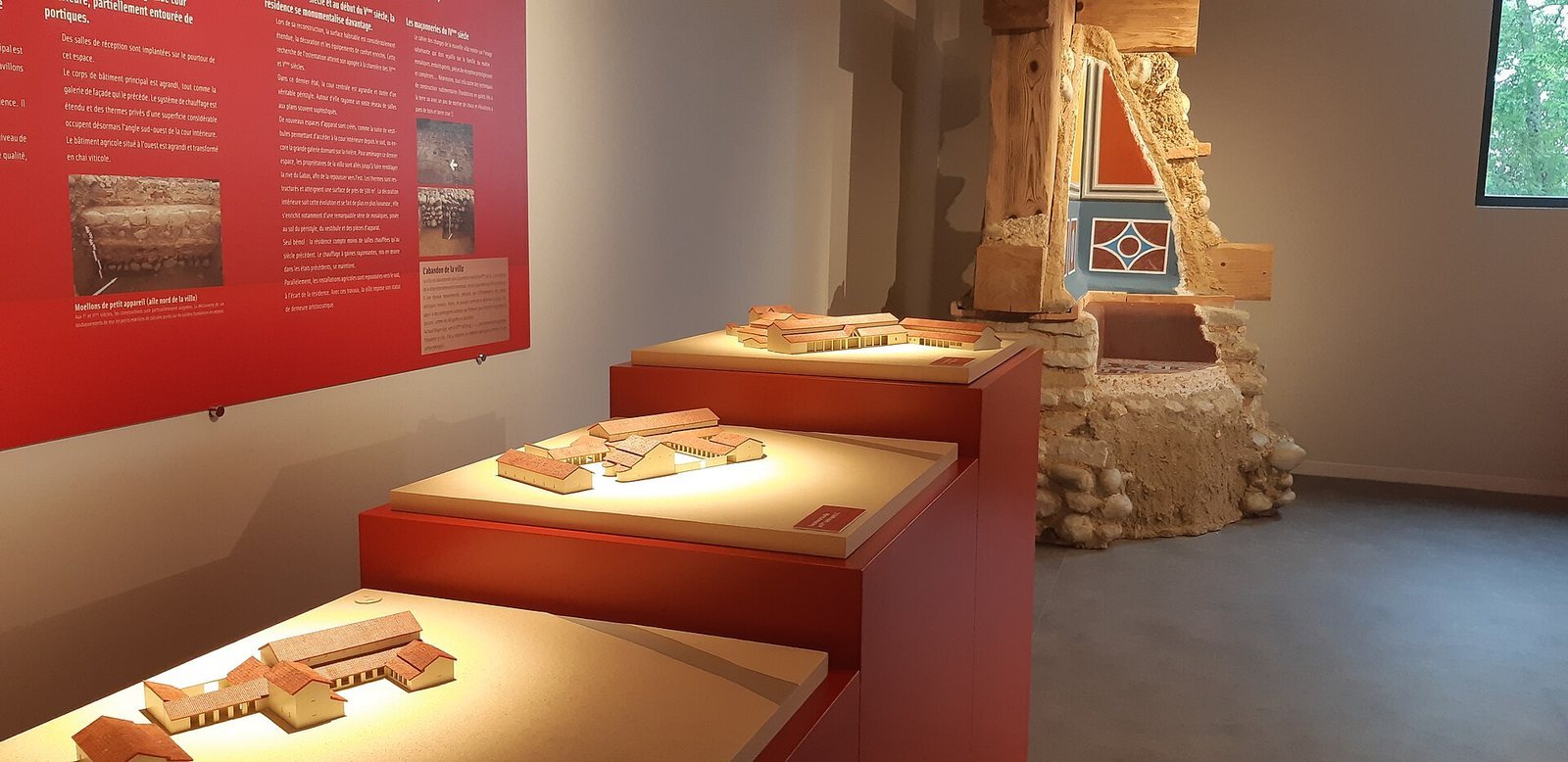
The permanent exhibition presents the excavation history of Lalonquette alongside the villa’s historical, geographical, and political setting. It also covers daily life, the natural environment, agricultural and economic resources, and the building’s architecture and decoration. A virtual visit introduces the ancient villa, and the exhibition identifies a mosaic from its triclinium, or dining room. The museum’s enlargement added educational spaces and made its internal route and interactive elements more developed.
Lalonquette villa
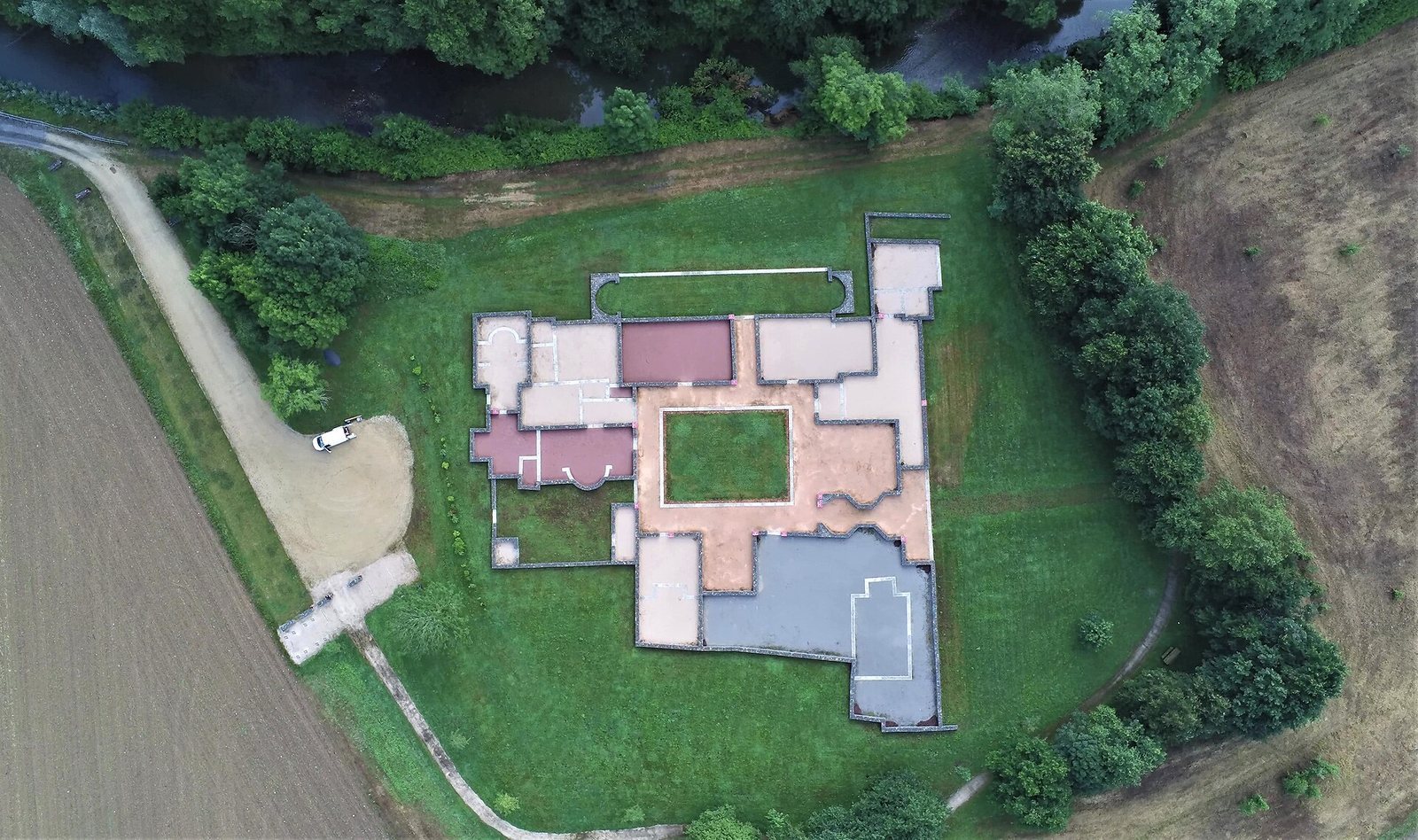
The fourth-century villa was an aristocratic residence. Its excavated remains include complex, overlapping wall foundations from successive phases. Protective layers of sand, geotextile, and soil cover the remains. Stone-filled gabions placed along the original walls mark the exact ground plan of the fourth-century building. Panels identify its rooms and bring together photographs from Lauffray’s excavations with computer-generated reconstructions.
Interpretive trail
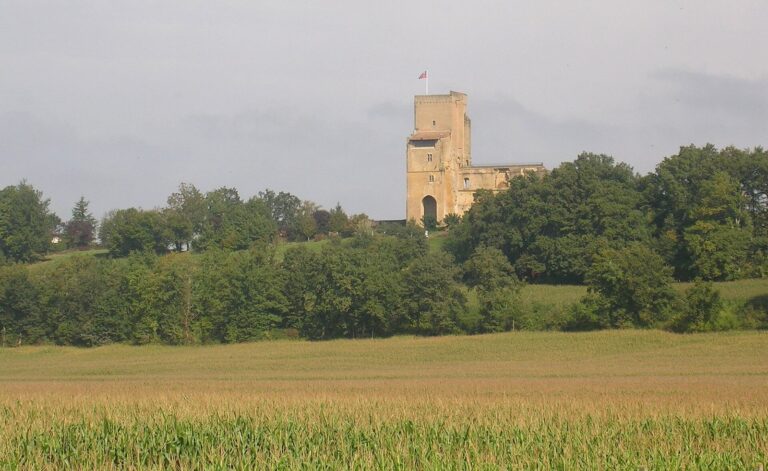
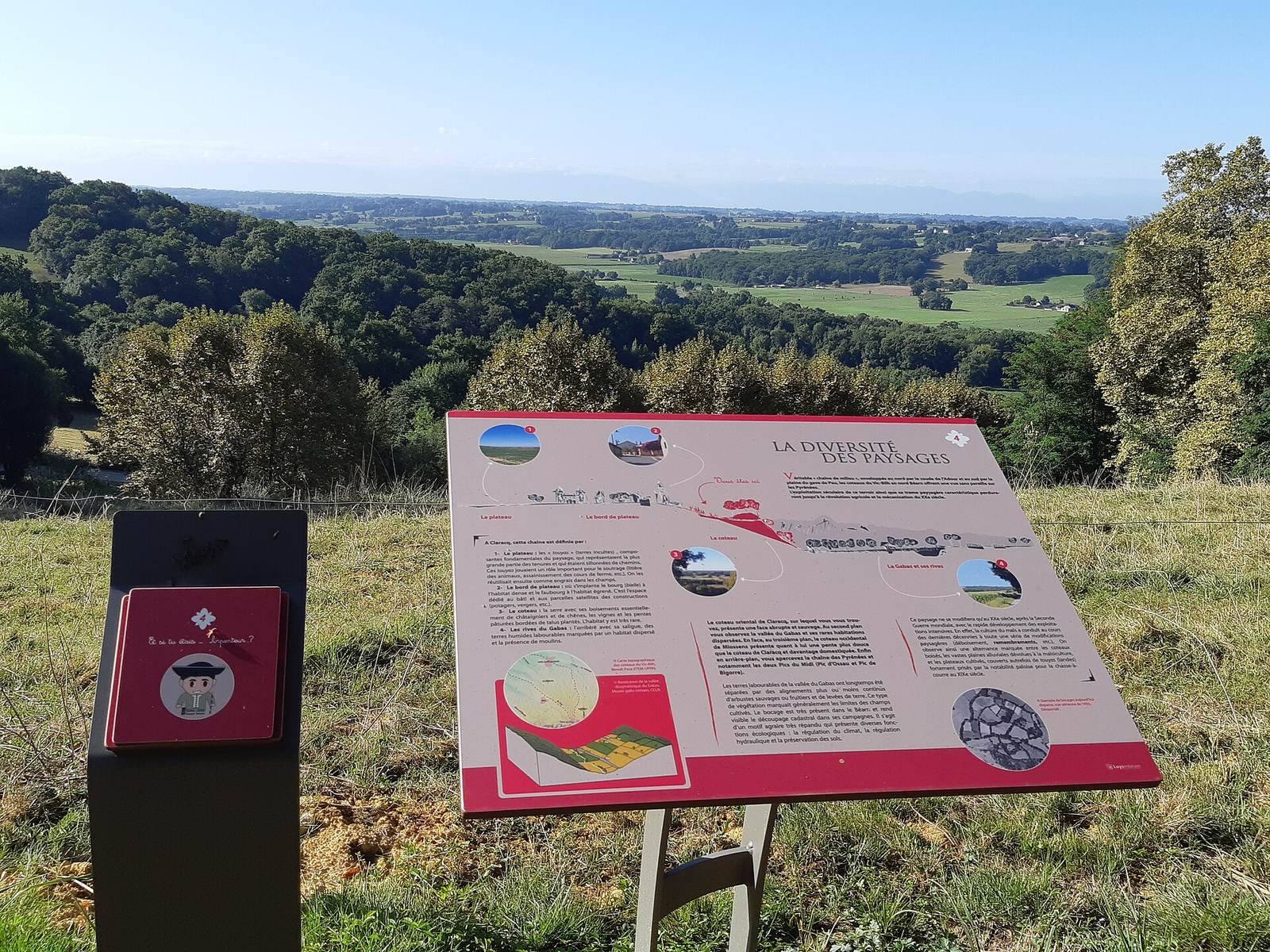
A two-kilometre trail connects the museum and villa in nine stages. Its interpretation covers rural and historical features along the way, including a castle, a church, a castle mound, traditional farms, a farmstead, a mill, and sunken lanes. The route also offers views across the rolling landscape of Vic-Bilh. An audio and photo app formed part of the trail’s interpretation from 2018; panels were added from 2019, along with interactive stations for children.