Proshaberd: A 13th-Century Armenian Fortress
Site at a Glance
- Popularity
- Medium
- Country
- Armenia
- Primary era
- Medieval
- Eras represented
- Medieval
- Civilizations
- Armenian
- Site type
- Military
- Remains
- Castle
History
Proshaberd is a 13th-century fortress in Armenia, built by Prince Prosh Khaghbakian as his seat. It is associated with the Khaghbakian dynasty, a medieval Armenian princely house also known as the Proshians. The fortress is also called Proshi Berd, after its founder, and Boloraberd, meaning “round fortress.”
A local legend tells that Persian forces besieged Proshaberd but could not break through its basalt walls. Unable to locate the water supply, they reportedly kept a mule thirsty for seven days and then released it. The animal led them to the water source, which the besiegers cut off, compelling the fortress to surrender. Another tradition says Prince Prosh concealed valuables in the fortress walls and nearby mountains, and that his symbols could help people find them.
Remains
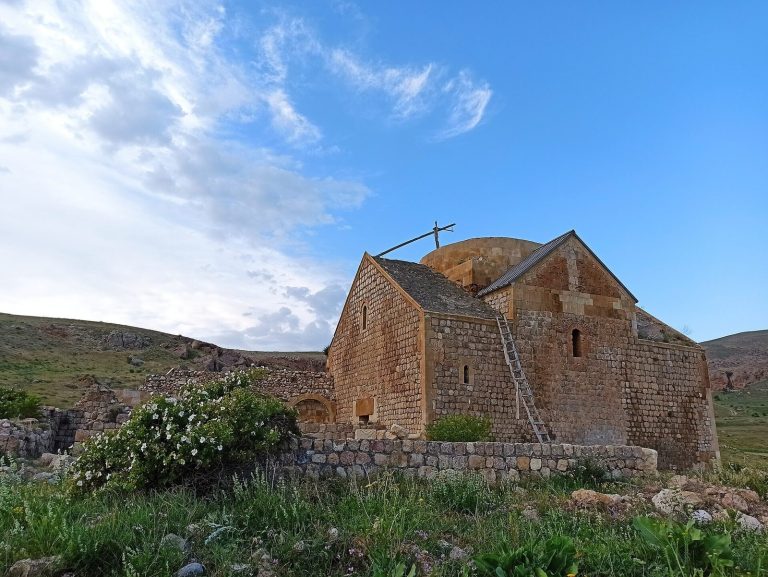
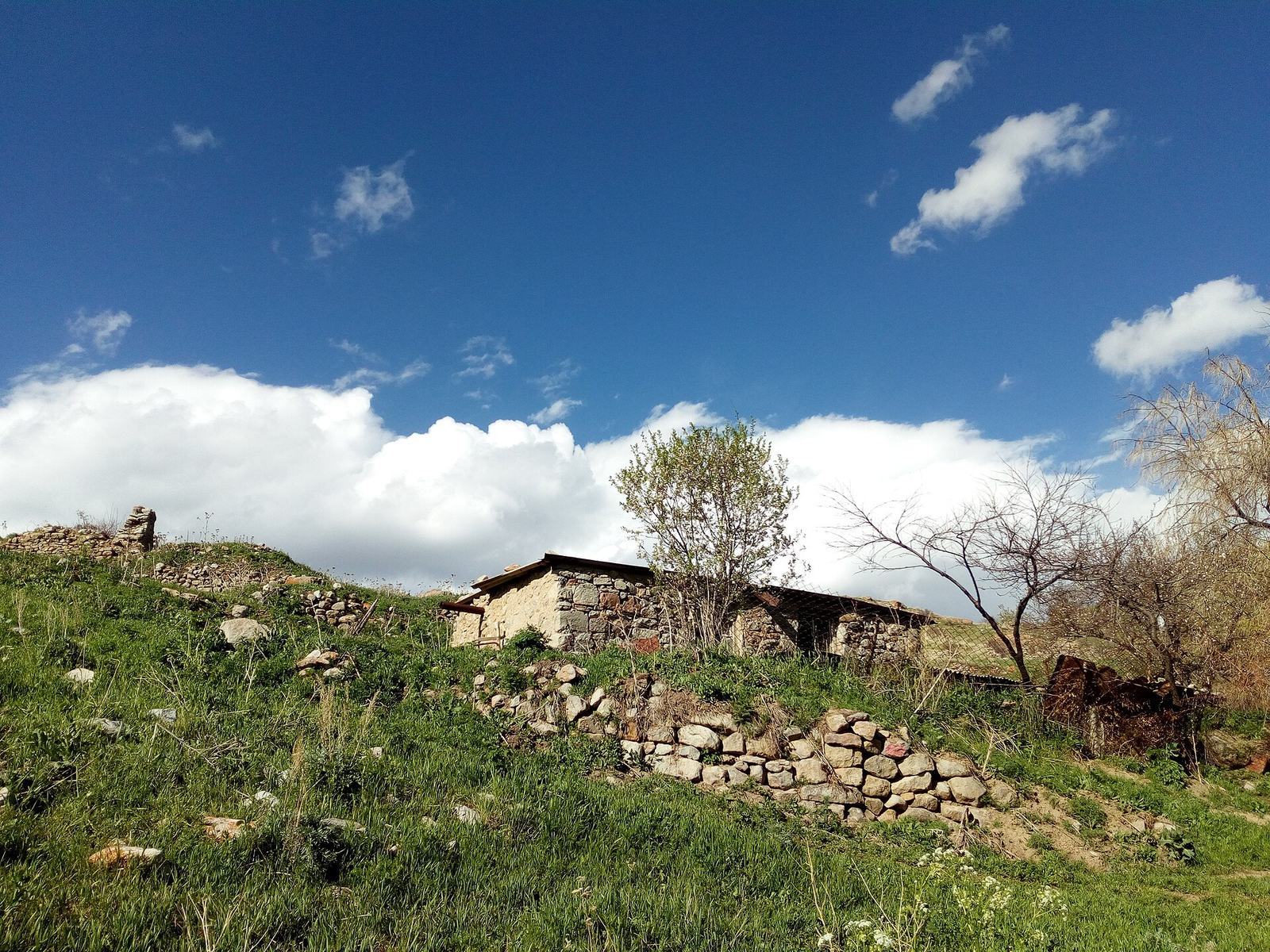
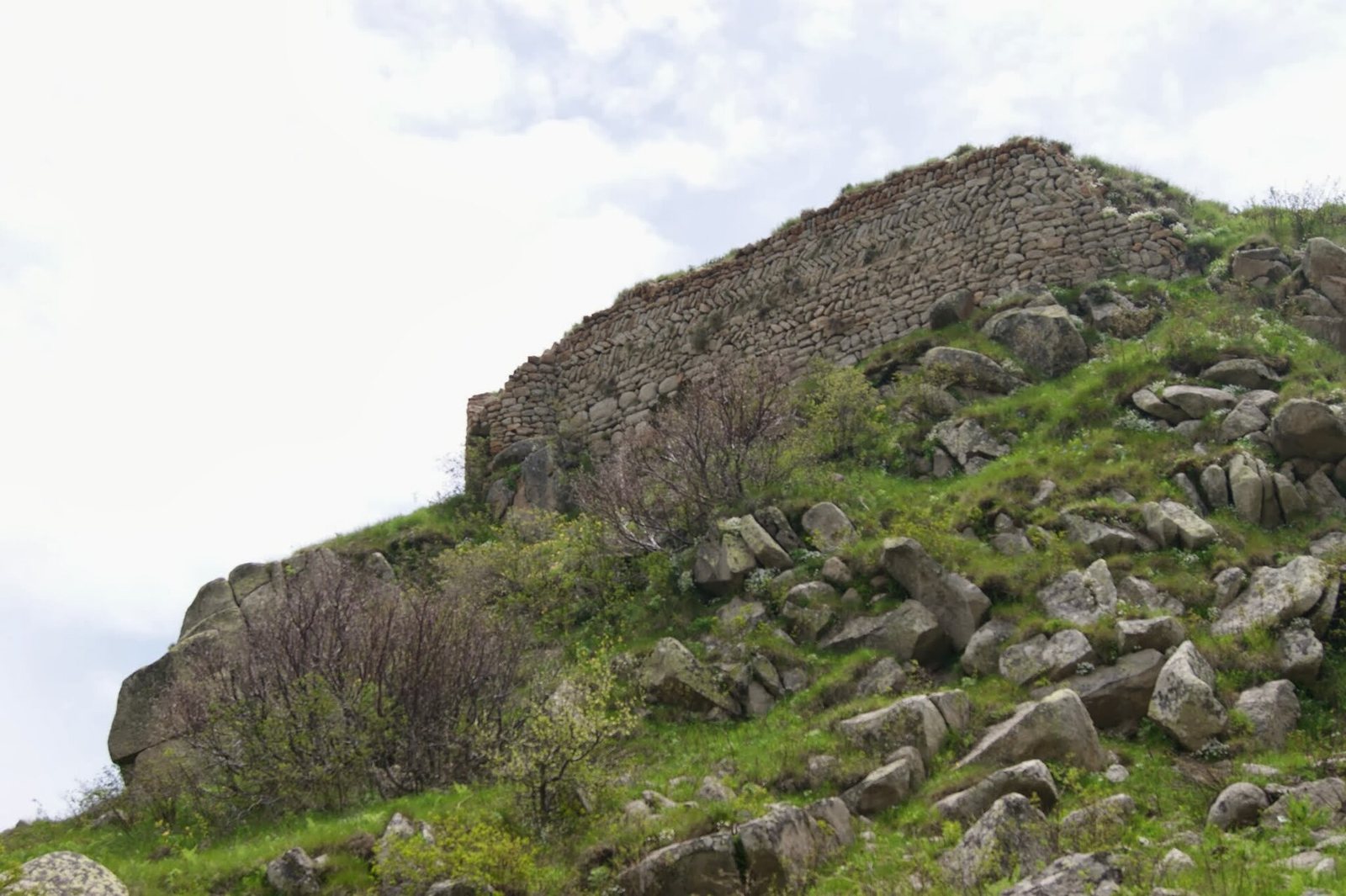
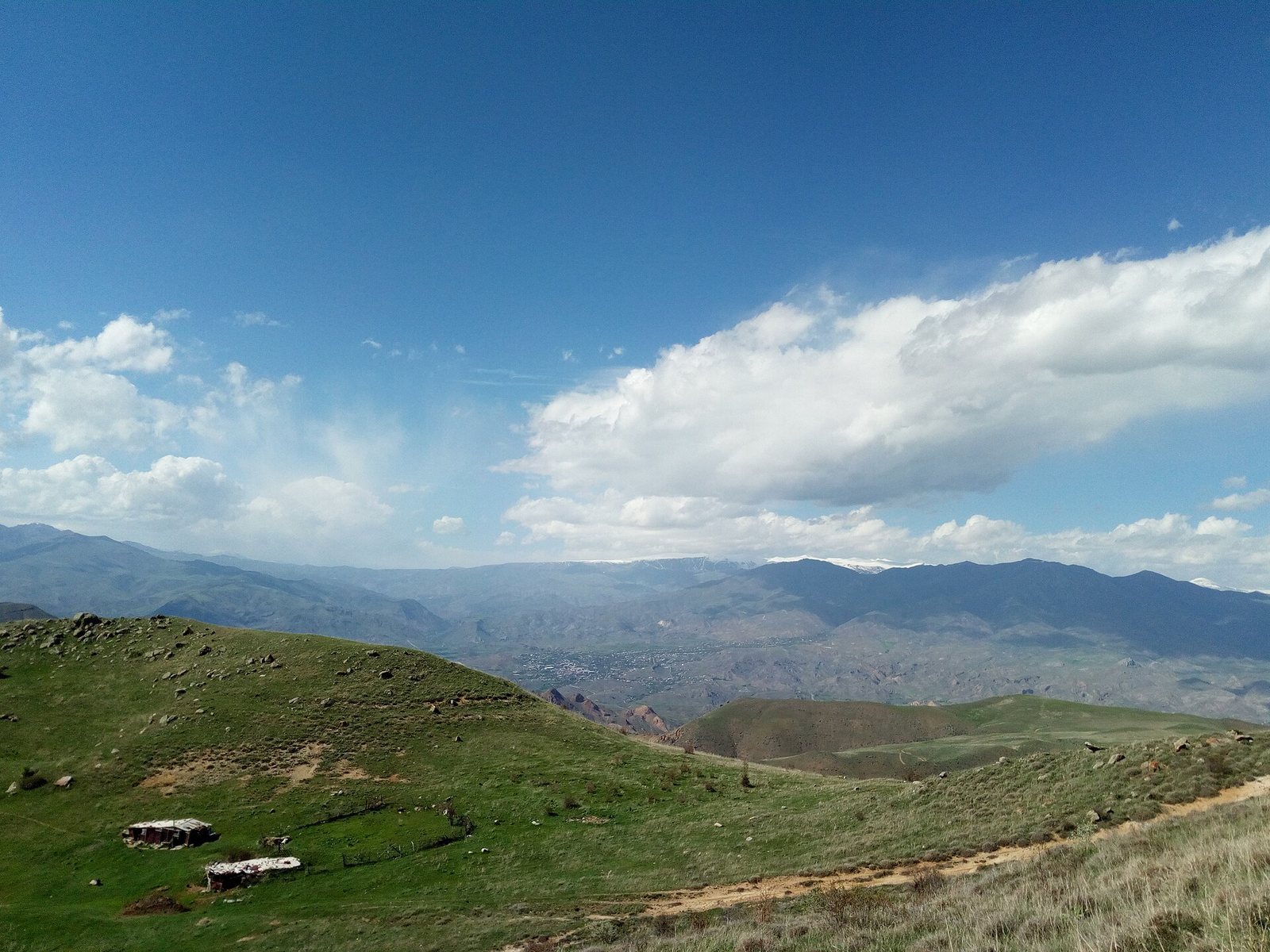
Proshaberd covers about 1–1.5 hectares on the steep slopes and conical summit of Mount Takyadonduran in Vayots Dzor Province, around 7 km from Vernashen and 1 km east of 14th-century Spitakavor Monastery. Its basalt defensive walls and the remains of towers are still visible, as are traces of a water pipe. Structures within the walls are ruined and buried beneath a thick layer of soil. A chapel stands on the fortress’s eastern side. Near the road, a cross-stone bears the inscription, “The treasure is in the head.”