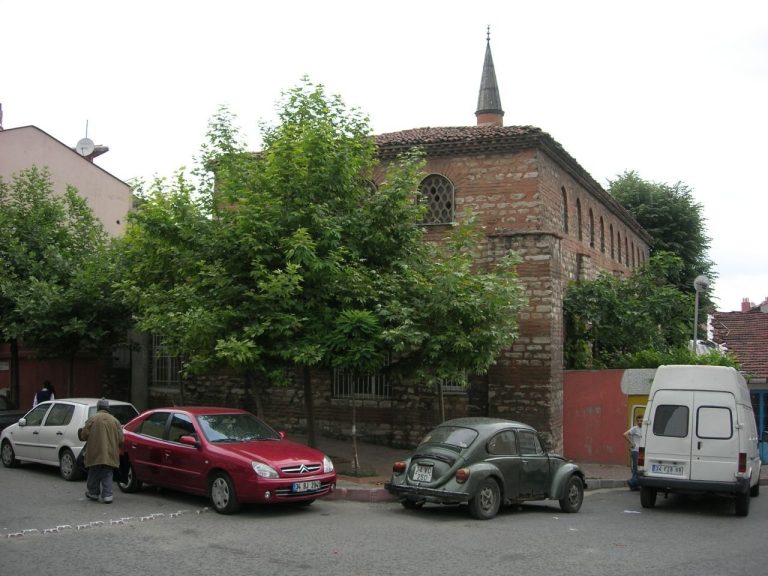
Ahrida Synagogue of Istanbul: A Jewish House of Worship
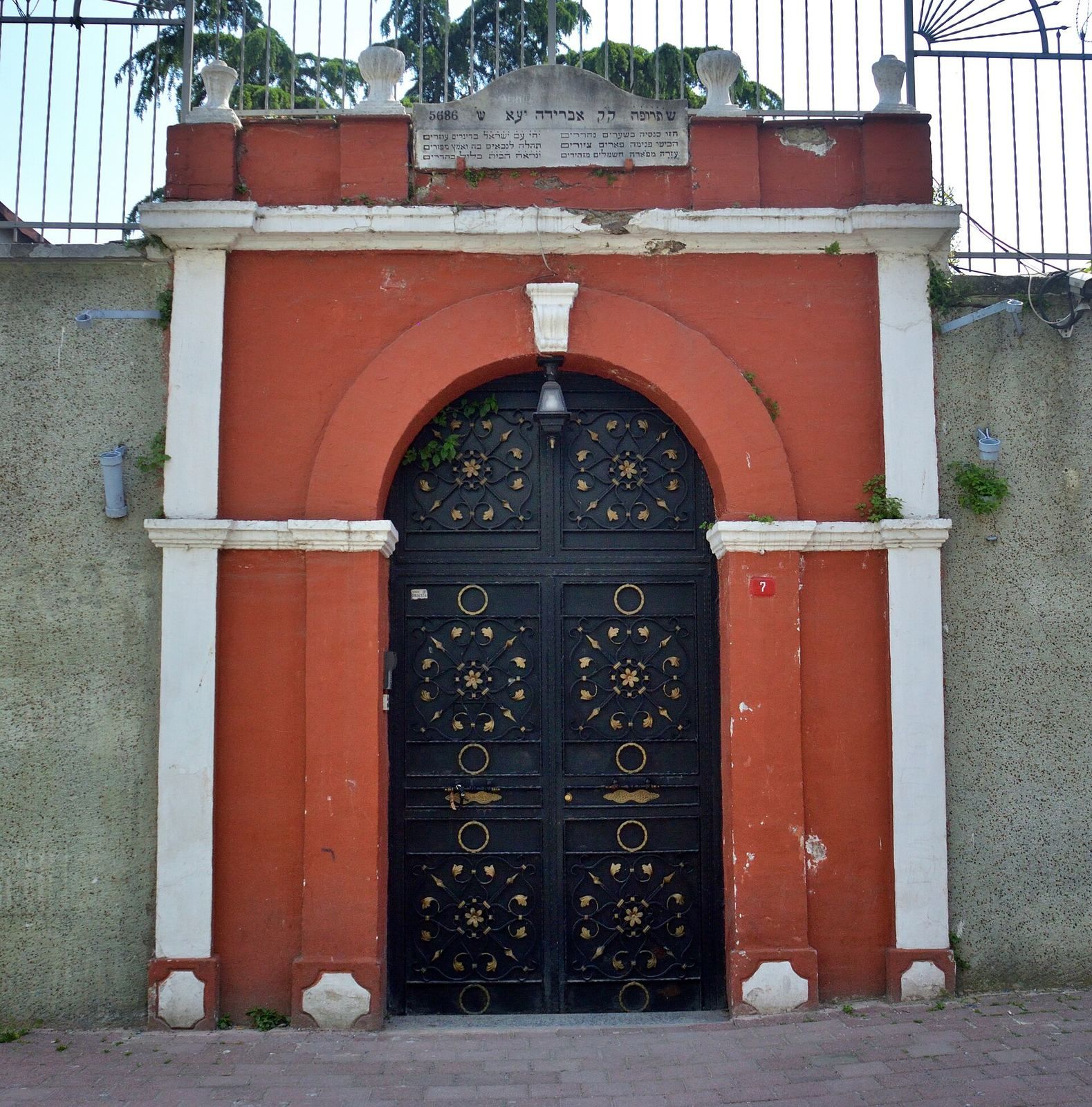
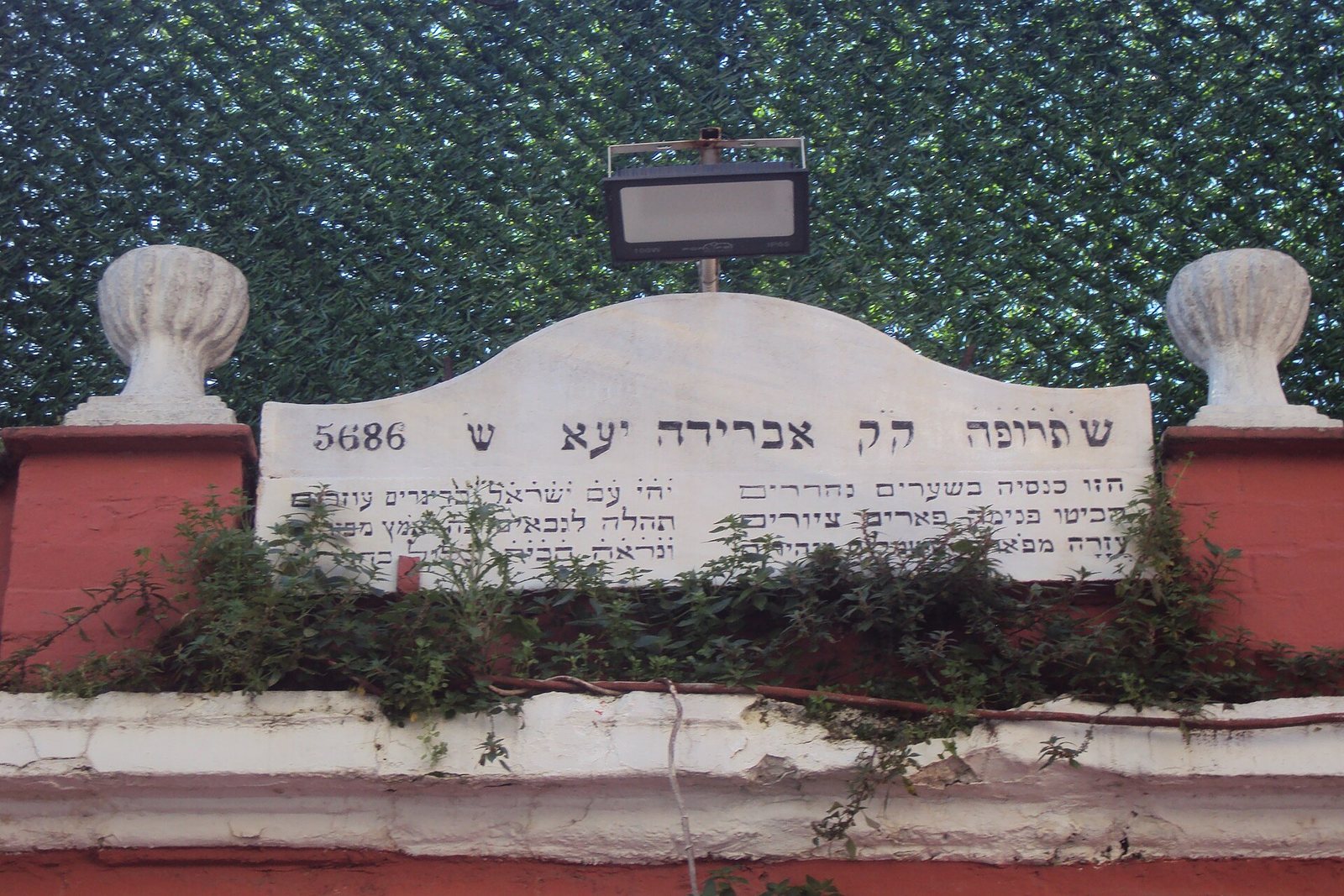
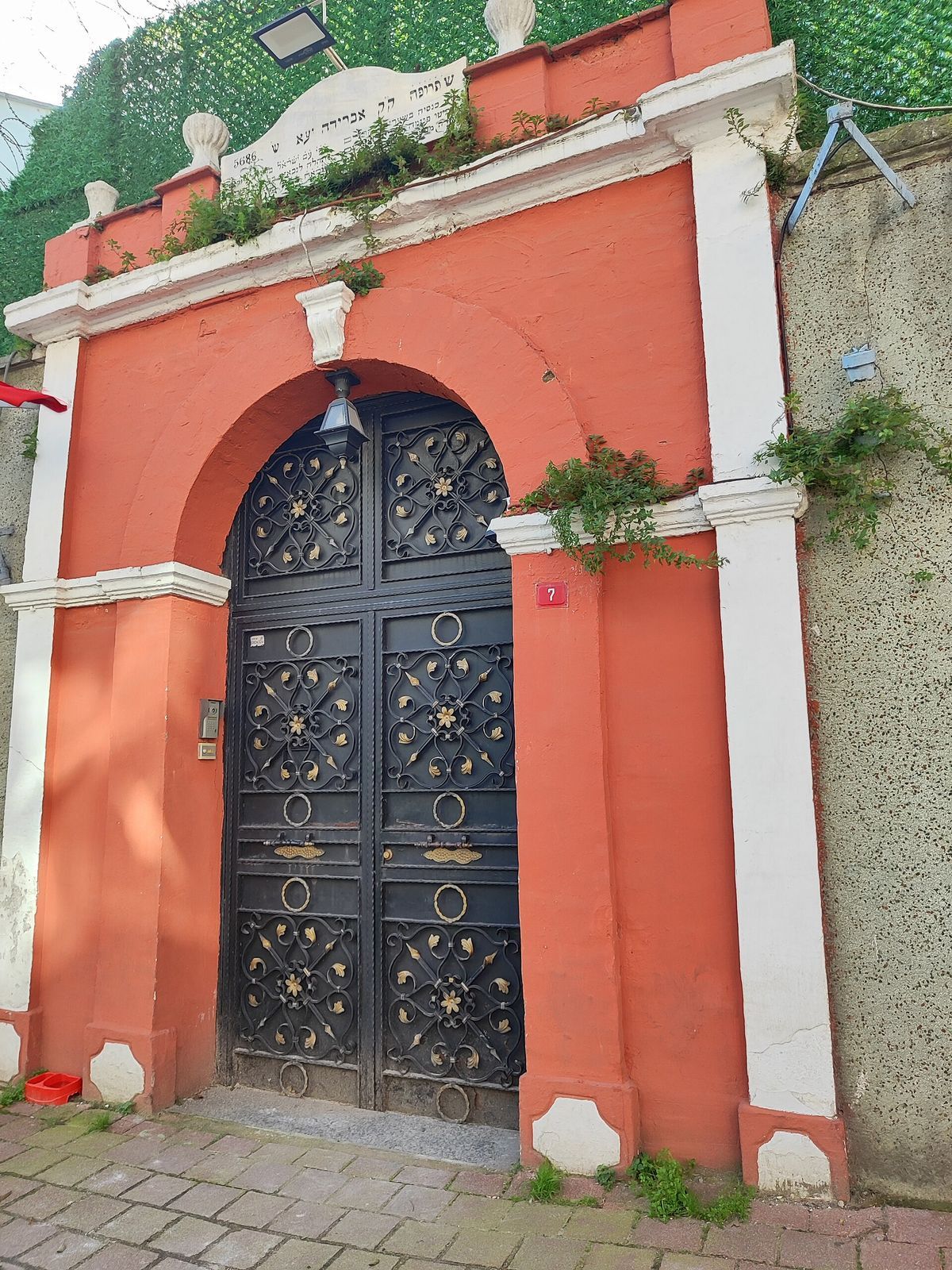
Site at a Glance
- Popularity
- Medium
- Country
- Turkey
- Primary era
- Early Modern
- Eras represented
- Medieval, Early Modern
- Civilizations
- Ottoman
- Site type
- Religious
- Remains
- Synagogue
On this page9 sections
History
Romaniote origins and Sephardi community
The Ahrida Synagogue of Istanbul is a Jewish place of worship in Ayvansaray, Turkey, first established in the 15th century by Romaniote Jews from Ohrid. Romaniote communities were associated with the Greek-speaking lands of the Byzantine Empire. The Ohrid congregation in Constantinople maintained three synagogues, including Ahrida.
After Mehmed II’s forces brought the Byzantine Empire to an end, Ottoman population transfers moved Jewish and Christian communities from European territories to Asia Minor. Many Jews came to Constantinople and were compelled to help rebuild the city. From 1492, Sephardi Jews from the Iberian Peninsula began arriving in the Ottoman Empire, soon outnumbering the Romaniotes. The Romaniote community gradually joined the Sephardi community, and Ahrida’s congregation adopted Sephardi culture, religious practice, and Judezmo, a traditional Sephardi language. The synagogue remains active and follows Eastern Nusach Sefard, a Jewish prayer rite, within Orthodox Judaism, which adheres to traditional Jewish law.
Rebuilding and historical associations
A fire destroyed the original synagogue late in the 17th century. In 1694, permission was granted to build a replacement, which the Sephardi community constructed on the original foundations. The 17th-century Jewish religious figure Sabbatai Zevi prayed at Ahrida. He proclaimed himself the messiah and gave his name to the Sabbatean movement. Ahrida is the only synagogue in Istanbul where he prayed.
During the Russo-Turkish War of 1877–1878, a conflict between Ottoman and Russian forces, prayers were organized at the synagogue for Turkish soldiers fighting the Russians.
Renovations and protection
Renovations took place in 1732, 1840, 1893, 1926, 1955, and 1992. In 1987, Turkey’s High Council for the Conservation of Cultural Heritage placed the synagogue under its protection. The Quincentennial Foundation, a Turkish Jewish cultural organization, carried out an extensive renovation in 1992 to mark 500 years since Sephardi Jews began arriving in the Ottoman Empire.
Remains
Architecture and interior
The two-storey building is constructed of brick and stone masonry, and its architectural style is described in Baroque and Ottoman-Byzantine terms. Its spaces include a courtyard and a prayer hall. Ahrida has the largest capacity of any synagogue in Istanbul.
Courtyard and school
The courtyard contains a midrash, a Jewish school or place of study.
Prayer hall
Carved wooden seats and a carpeted floor furnish the prayer hall. Chandeliers hang from the ceiling, and the upper row of windows contains stained glass decorated with Judaic symbols.
Ship-shaped reading platform
The tevah, or reading platform, is shaped like a ship. It commemorates the arrival of Sephardi exiles in Ottoman lands aboard ships sent by Sultan Bayezid II and commanded by the Ottoman naval commander Kemal Reis.