White Bridge: An Ottoman Pedestrian Bridge in Vranje, Serbia
Site at a Glance
- Popularity
- Medium
- Country
- Serbia
- Primary era
- Modern
- Eras represented
- Modern
- Civilizations
- Ottoman
- Site type
- Infrastructure
- Remains
- Bridge
On this page6 sections
History
Foundation under Ottoman rule
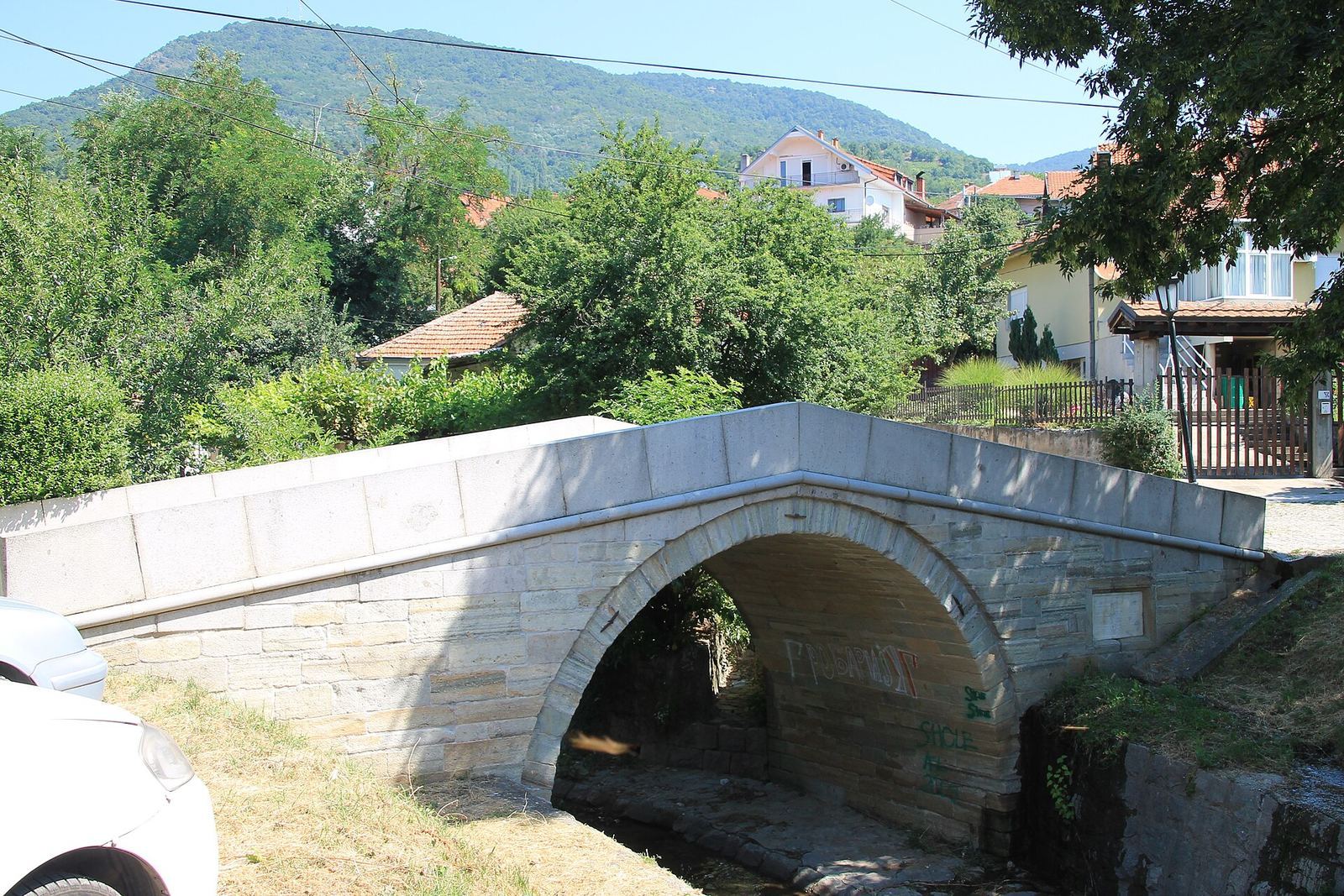
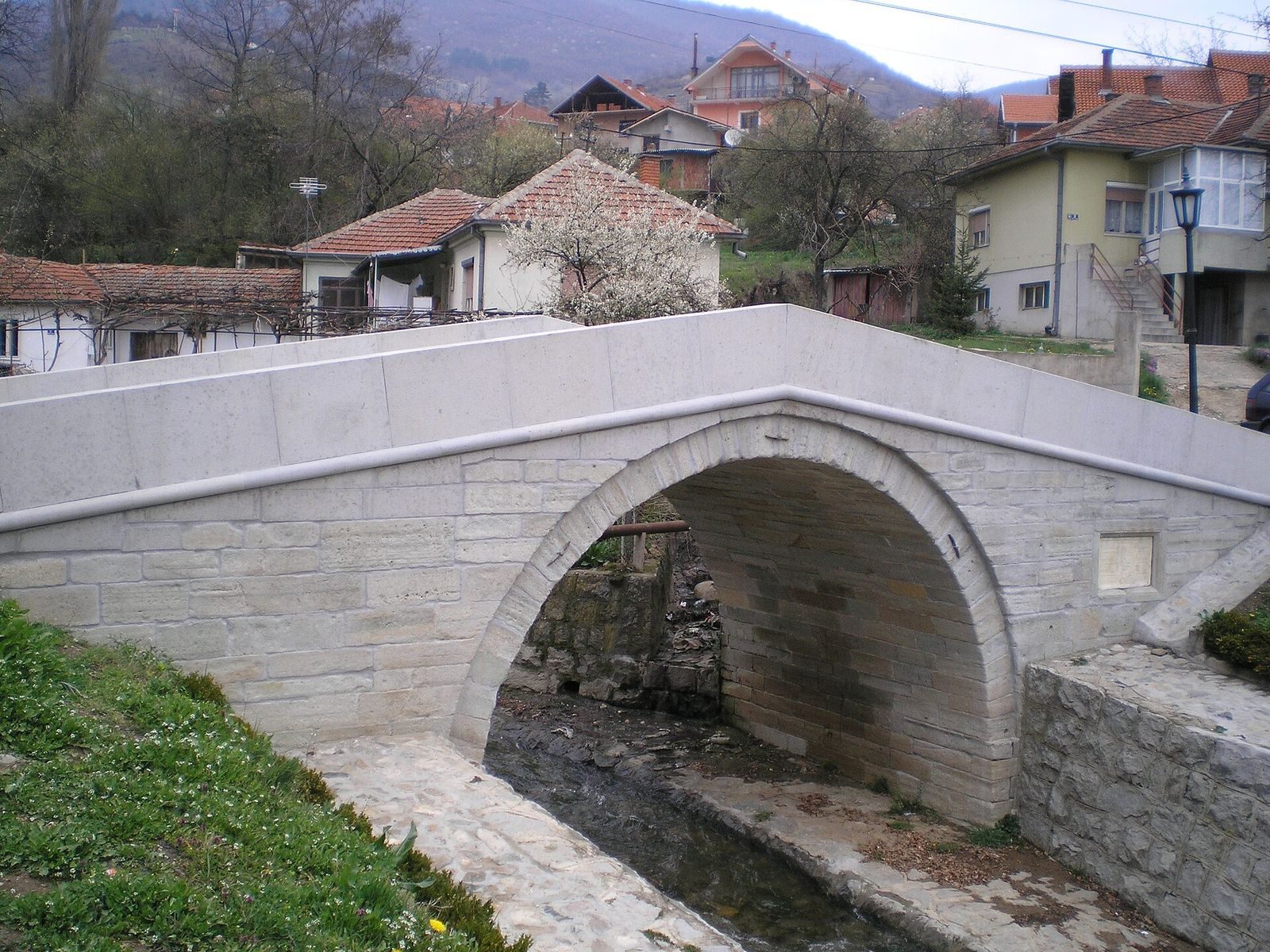
White Bridge is an Ottoman-era pedestrian bridge over the Vranje River in Vranje, Serbia. Built in 1844 in the Ottoman architectural style, it is associated with Aisha Hanum, whom its inscription names as benefactress and dedicates the bridge to alongside her parents. Hanum is an honorific meaning “lady.” Little is known about Aisha or her parents. The bridge was probably established as a waqf, an Islamic charitable endowment for public or religious purposes, by a wealthy Muslim family.
Legend and later history
A popular local legend links the bridge to Aisha, said to be the daughter of Selim Pasha, the Ottoman governor of Vranje, and Stojan, a Serbian Christian shepherd. In the story, a prophecy that Aisha would love a Serb leads her father to confine her, but she and Stojan meet beside the river. When he tries to kill Stojan, Selim instead fatally strikes Aisha as she shields her lover; Stojan then takes his own life. Historical records do not corroborate the tale.
Ottoman rule in Vranje ended in 1878, when many of the city’s Muslim residents left. Any descendants Aisha may have had who were still living there probably departed around that time. White Bridge is now a symbol of Vranje and appears on the city’s coat of arms. In 1983 it was designated a cultural monument under the name “Old Bridge in Vranje.” A general reconstruction followed in 2006, in cooperation with the Institute for the Protection of Cultural Monuments in Niš. After repeated graffiti damage, the bridge’s appearance was restored several times, and the Institute remains responsible for its preservation.
Remains
Bridge structure
The white-stone pedestrian bridge crosses the Vranje River on Devet Jugovića Street, in the city’s old quarter, near the Church of Saint Paraskeva, popularly known as the Cross-shaped Mosque. Its Ottoman-style form has an arch, pointed upper elements, and a raised central section.
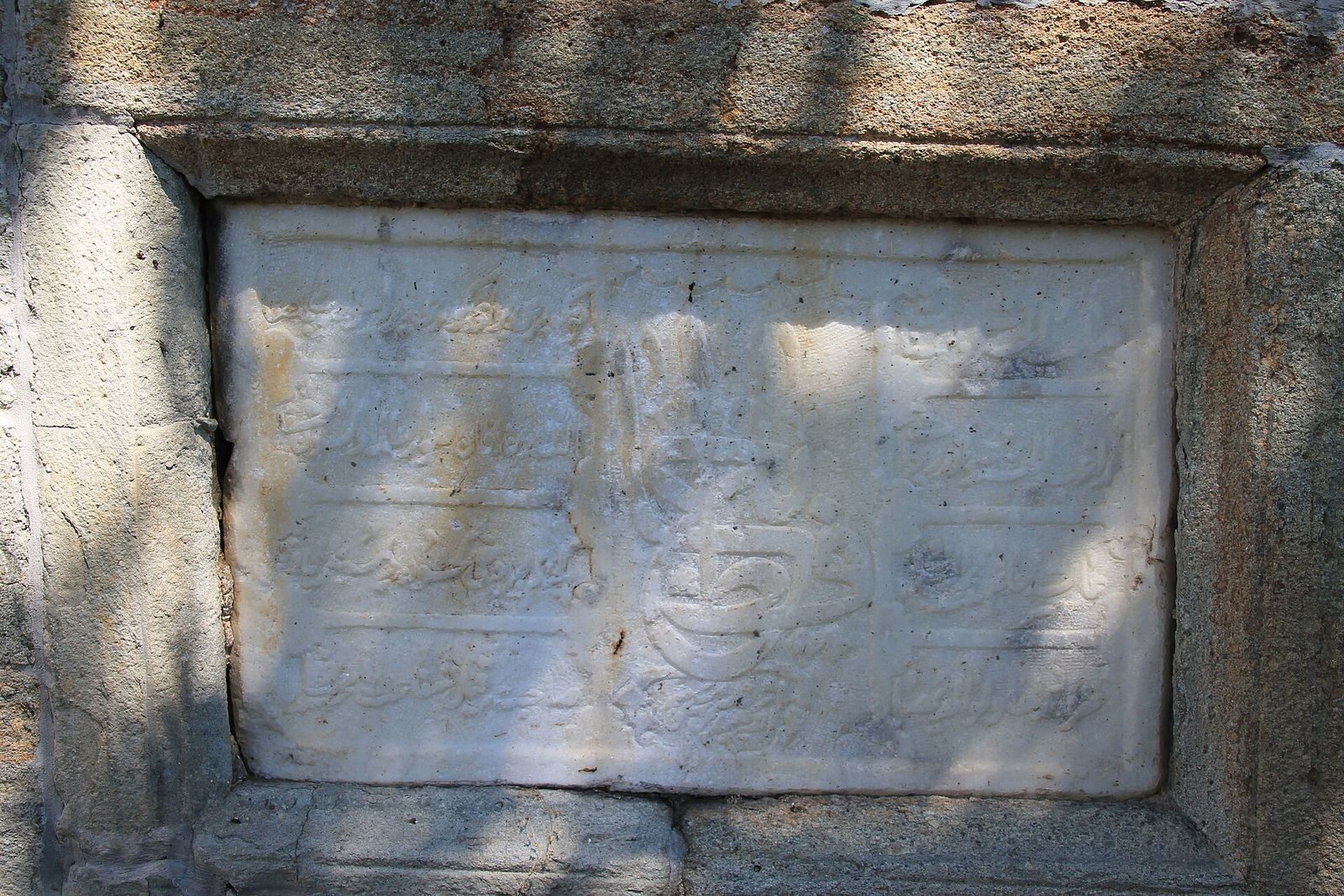
Marble inscription
A surviving marble plaque is set into the bridge. Its inscription runs across four rows in Ottoman Turkish, the historical form of Turkish commonly written in Arabic script, with a smaller passage in Arabic. The central calligraphy reads “O Guardian!”, an Islamic name of God. Other lines describe the water as health-giving, invite passersby to cross and return, and ask Muhammad to intercede for the bridge’s owner. A further line curses anyone who separates a union formed by love. Hasan Kaleshi translated the inscription in 1960; another translation is attributed to Hafis Tutfi Munsalihović.