Brucoli Castle: A Fortress at Sicily’s Canal-Port
Site at a Glance
- Rating
- 4.1
- Popularity
- Low
- Country
- Italy
- Primary era
- Medieval
- Eras represented
- Medieval
- Civilizations
- Crown of Aragon
- Site type
- Military
- Remains
- Castle
On this page7 sections
History
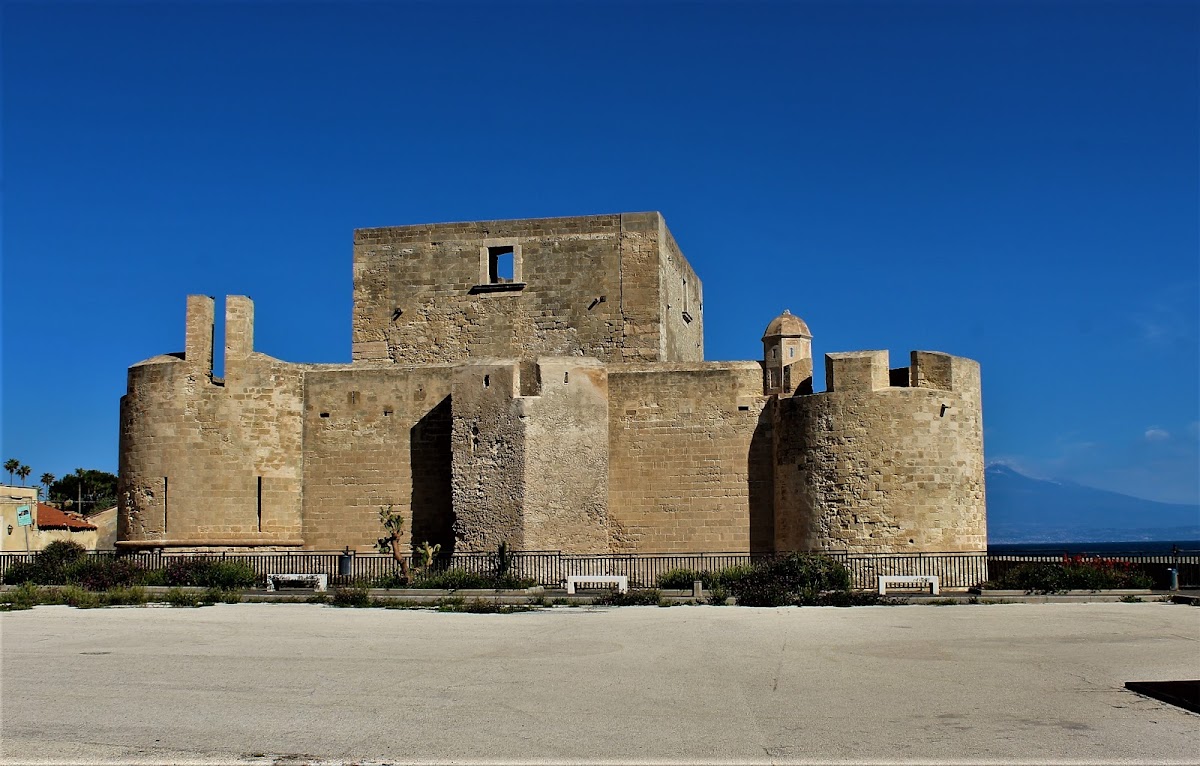
Brucoli Castle is a fifteenth-century fortress in Brucoli, Italy, a district of Augusta in Sicily. Formerly known as the Castle of Bruca, it was built at the entrance to the canal-port, where it defended the settlement, controlled maritime trade, and protected grain reserves brought into the harbor.
Foundation and defensive role
Queen Giovanna Enríquez, queen consort of Aragon and wife of King John II of Aragon, received the area from her husband and arranged for the fortress to be built. In 1467, she granted construction rights to Giovanni Cabastida, a chamberlain from Barcelona. His concession continued for three generations. The castle responded to the expanding Turkish threat along the Mediterranean coast and guarded the port’s maritime activity.
Coastal threats and later recognition
During the following century, the fortress also faced Barbary raids, attacks carried out by corsairs operating from the North African coast. These raids are connected with a local tradition concerning Saint Nicholas of Bari, the settlement’s patron saint. Brucoli Castle is identified as Italian national heritage, and the restored fortress remains associated with the historic defense and administration of the canal-port.
Remains
Fortress structure and port setting
Walls, towers, and entrance
The restored castle is a fortified sandstone structure approximately 20 metres high. Its surviving components include exterior and interior walls, a main tower, a corner tower, and a portal fitted with brackets. A rampart walk forms part of the defensive arrangement, while interior spaces and an external small square preserve elements of the fortress’s organized layout.
Canal-port position and inscription
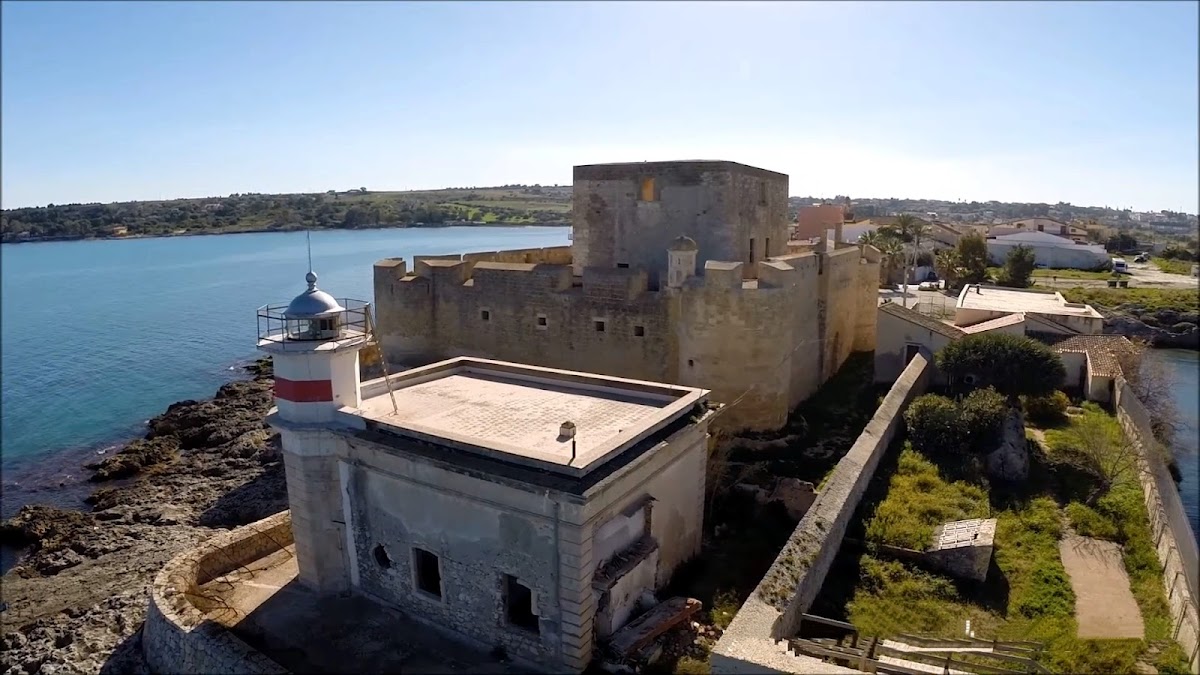
The fortress stands at the mouth of the canal-port, with its position closely tied to the protection of the harbor and the settlement below. A dedicatory inscription forms part of the surviving remains. In 1911, the Brucoli Lighthouse was built in the narrow area between the fortress and the sea, reflecting the continuing importance of this position for the port.