Dolmen dit Pierre Chaude: A Neolithic Burial Tomb in France
Site at a Glance
- Popularity
- Very Low
- Country
- France
- Primary era
- Stone Age
- Eras represented
- Stone Age
- Civilizations
- Unclassified
- Site type
- Burial
- Remains
- Tomb
On this page6 sections
History
Neolithic monument and later traditions
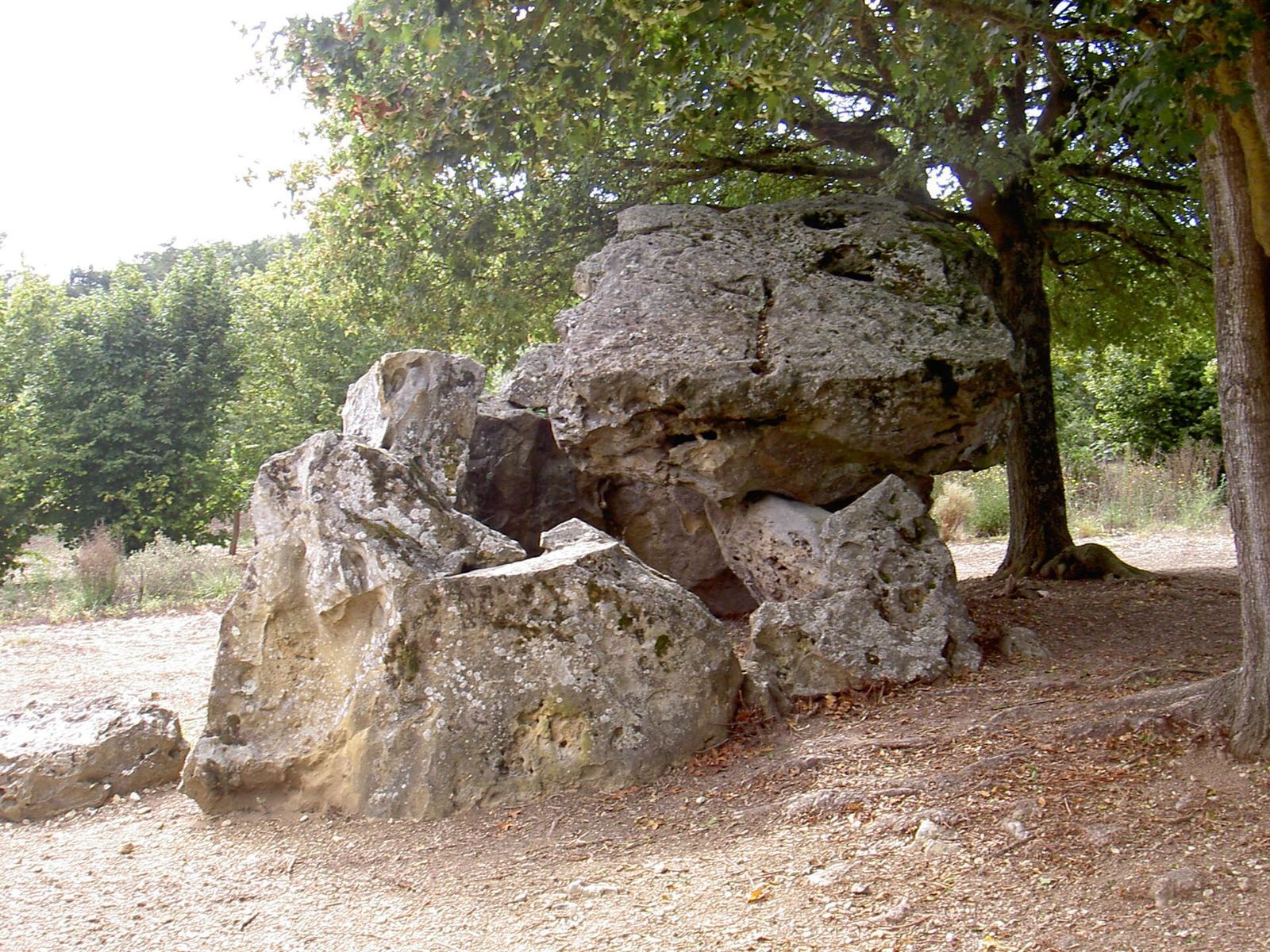
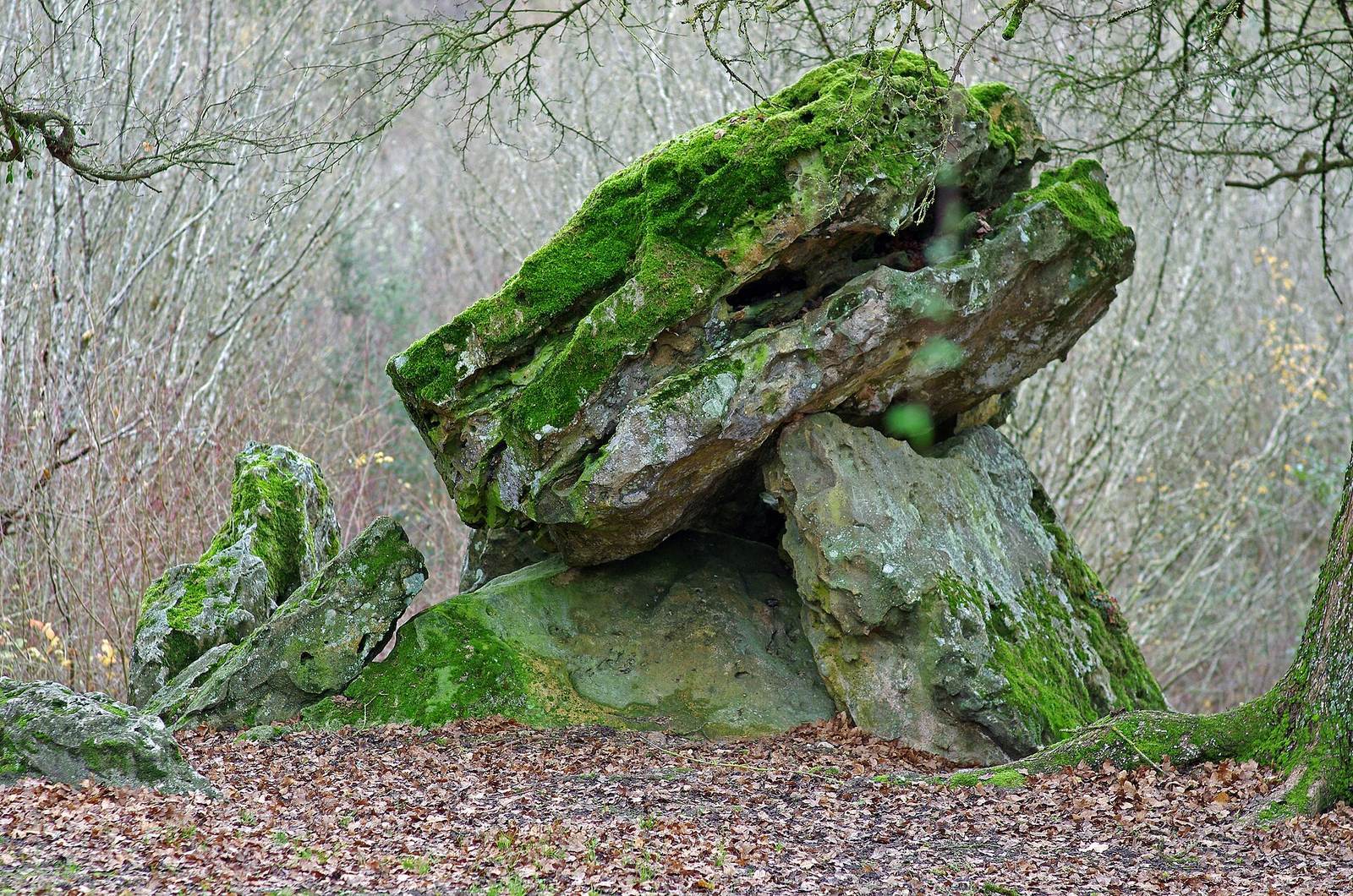
Dolmen dit Pierre Chaude is a prehistoric megalithic tomb near Paulmy, France, attributed to the Middle Neolithic, the later Stone Age period associated with settled farming, around 3500 BC. It is also known as the Seat of the Fairies. Later tradition treated it as a sacrificial place associated with Druids, religious specialists in ancient Celtic societies who lived long after the Neolithic.
Discovery and protection
The monument was discovered in 1887 and excavated by a schoolteacher from the commune of Barrou. France classified it as a historic monument on 4 April 1911.
Remains
Setting and burial chamber
The dolmen stands on a hillside near the Brignon River’s right bank, between the river and road D100, close to the hamlet of Le Châtelier. It is about 600 metres west of Château du Châtellier and 600 metres east of Neuilly-le-Brignon, and roughly 2.7 kilometres from the centre of Paulmy. The monument measures approximately 2.0 by 2.4 by 2.7 metres. Most of its stones are sandstone from the Upper Turonian, a subdivision of the Late Cretaceous, with some limestone.
Six upright stones form a fully enclosed chamber with a six-sided, circular or near-circular plan. Five stones remain approximately in their original positions. Five are described as supporting the thick covering slab, and parts of the slab remain on three stones. Measuring 2.70 metres long and 2.40 metres wide, it has fallen inward and lies at a steep angle. A further portion of the slab is thought to have been exposed about two metres to the north. An eastern entrance may have connected the chamber to a passage through a mound.
Finds from the chamber
Finds included human bones, among them a skull that was analyzed, as well as animal bones or fossils, pottery fragments, worked flints or stones, ash, and charcoal. The human remains were identified as belonging to people who built the monument. The other objects and materials were probably offerings for the dead.