Kokubunji Kofun: An Early Japanese Burial Mound in Tottori
Site at a Glance
- Popularity
- Very Low
- Country
- Japan
- Primary era
- Classical
- Eras represented
- Classical
- Civilizations
- Unclassified
- Site type
- Burial
- Remains
- Burial Mound
History
Kokubunji Kofun is an early fourth-century Japanese burial mound in Kurayoshi, Tottori Prefecture, Japan. It is regarded as one of the earliest such mounds in eastern Hoki, a historical province in what is now Tottori Prefecture.
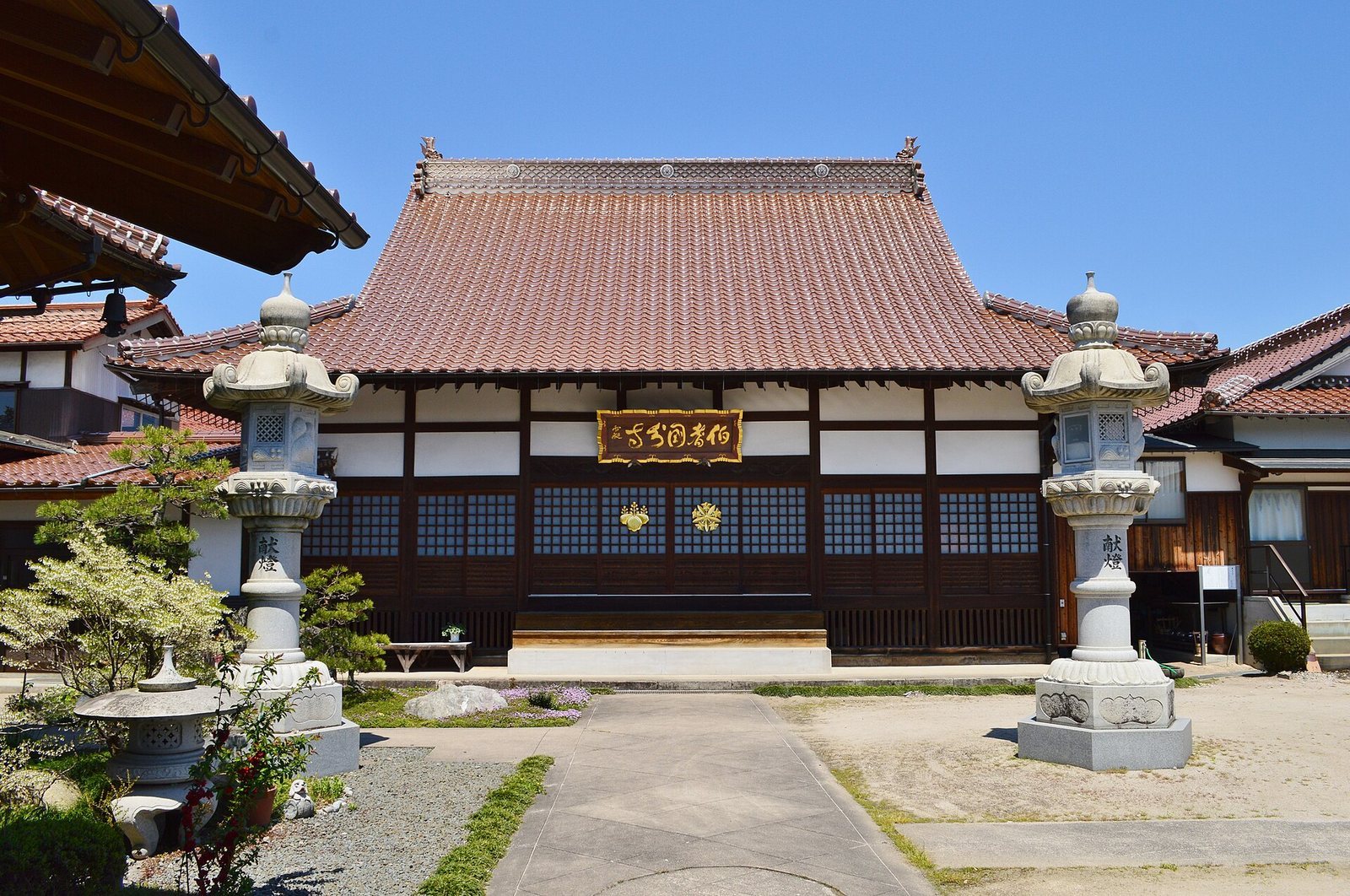
Part of the mound was destroyed during construction of the main hall at Kokubunji, a provincial Buddhist temple, in the Edo period (1603–1868). The burial facility was discovered and excavated in 1922.
The excavated finds, listed as belonging to Kokubunji temple, became a National Important Cultural Property on June 27, 1959. The mound was designated a Kurayoshi City Historic Site on May 23, 1978.
Remains
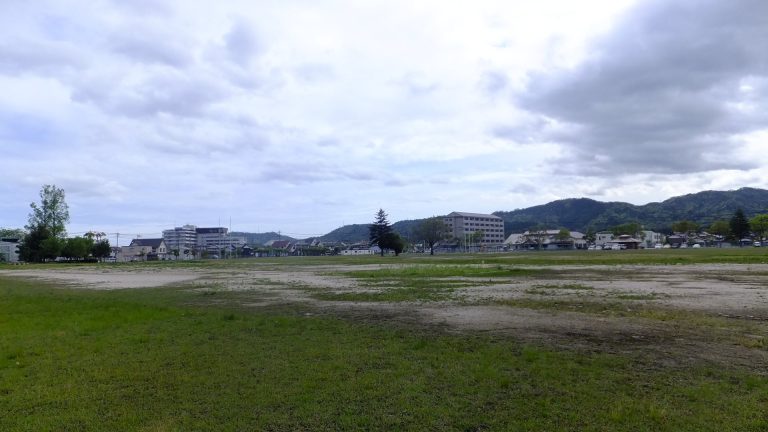
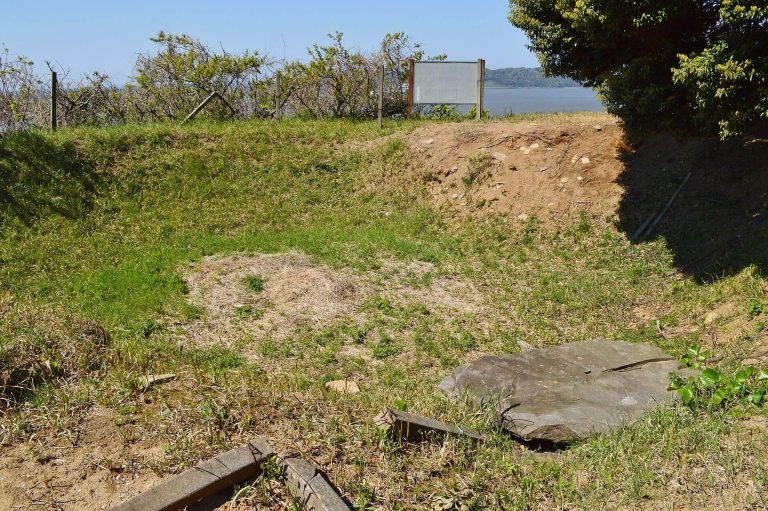
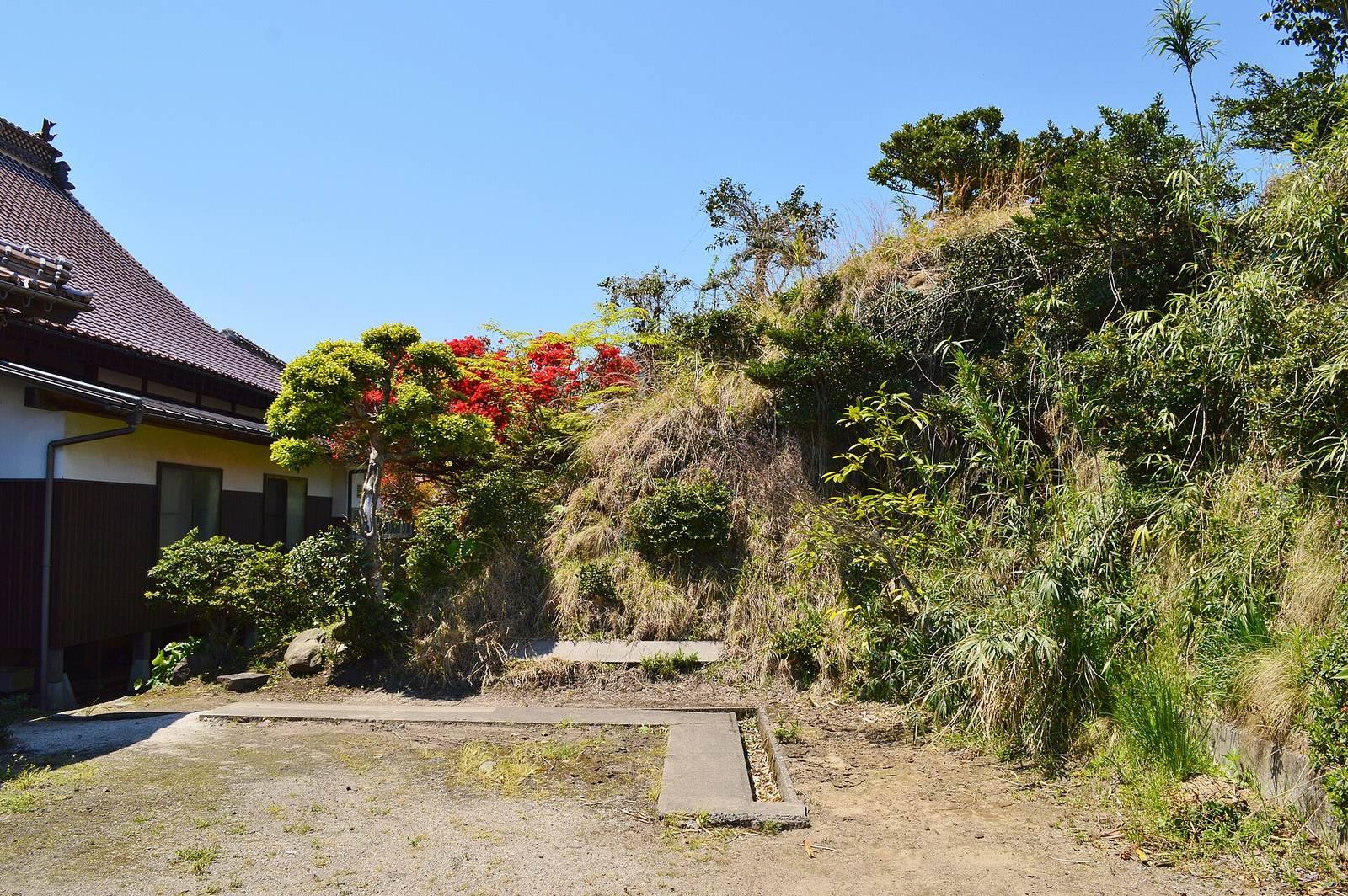
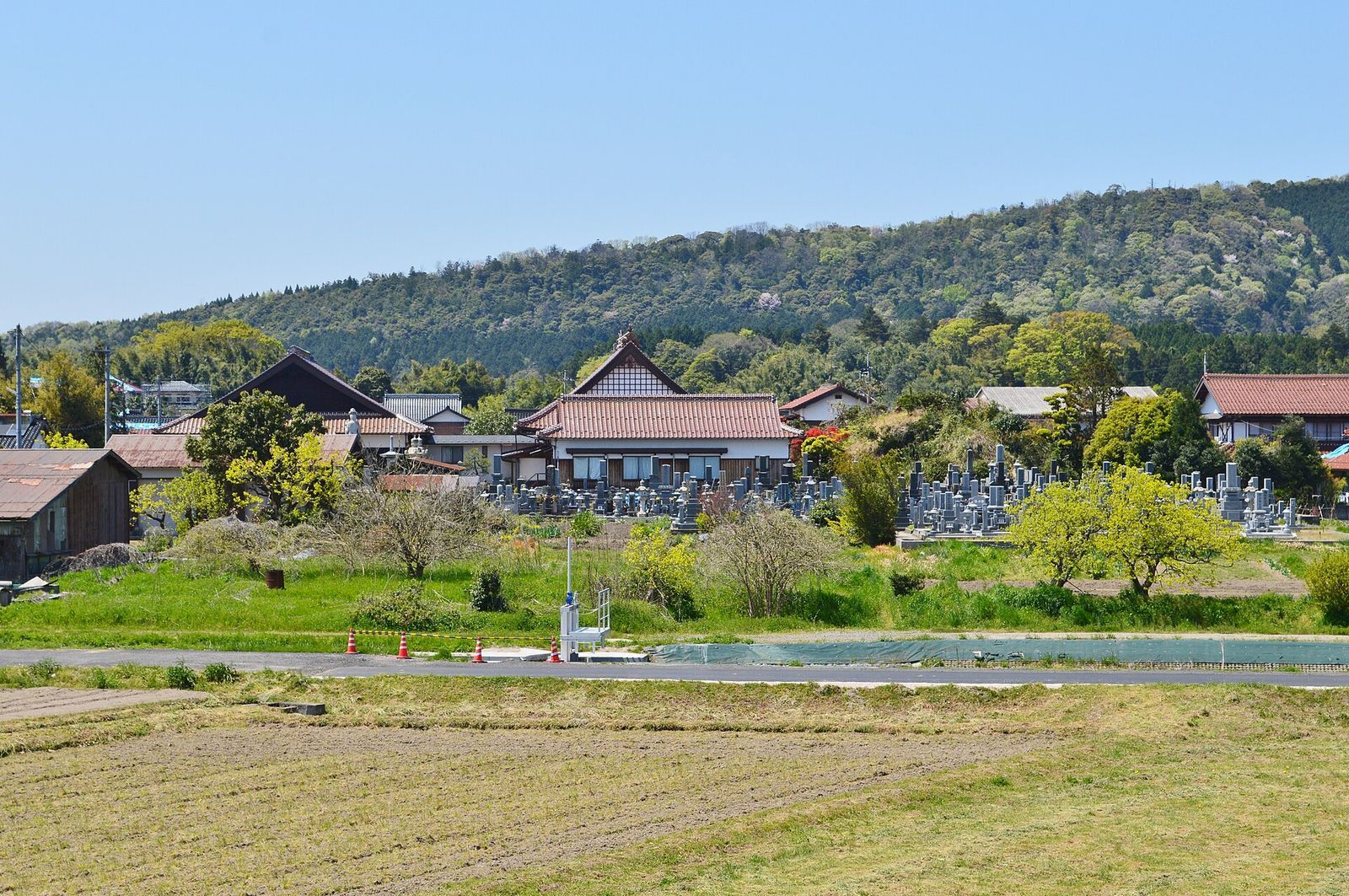
The mound stood alone on a slight rise in the alluvial plain, on the left bank of the Kokufu River. Its surviving portion lies within the temple grounds, behind the main hall. Damage has left its original outline uncertain, and its estimated length is about 50 meters. Archaeologist Umehara Sueji described it as keyhole-shaped, with a rounded rear section. A later survey proposed a square rear instead, leaving open the possibility of a square-fronted, square-rear mound. The first volume of the New Edition of the Kurayoshi City History, which incorporated the later survey, appeared in 1996.
A clay burial enclosure lay in the center of the mound’s rear section, corresponding to the rounded end if the keyhole-shaped interpretation is correct. Its long axis ran east to west. The enclosure measured 7.2 meters long, 1.8 meters wide at the center, and 0.45 meters deep. Wood traces inside are thought to be remains of a coffin. The grave contained three bronze mirrors: one decorated with a mythical one-legged dragon and phoenixes, a triangular-rimmed mirror showing deities and beasts, and another showing two deities and two beasts. Other finds include iron swords, axeheads and additional iron objects, along with a substantial quantity of vermilion. A nearby box-shaped stone-coffin grave is also said to have been discovered, though details remain unclear.