Margot Cave: A Palaeolithic Cave-Art Site in France
Site at a Glance
- Popularity
- Medium
- Country
- France
- Primary era
- Stone Age
- Eras represented
- Stone Age
- Civilizations
- Unclassified
- Site type
- Religious
- Remains
- Sanctuary
On this page8 sections
History
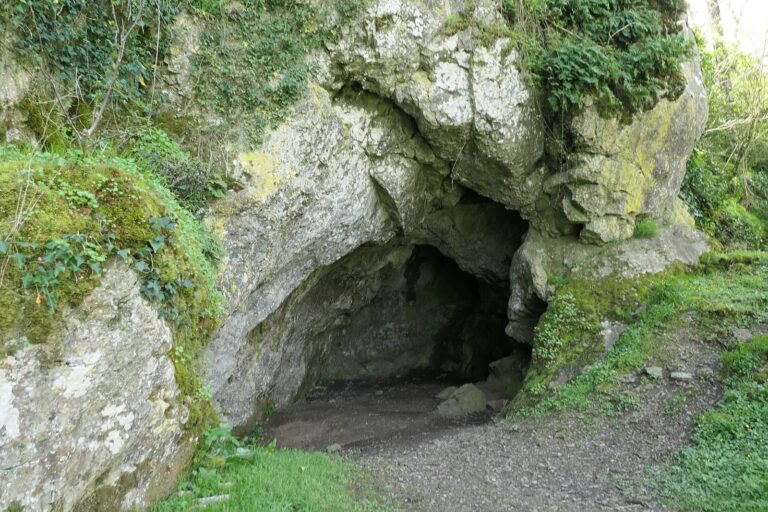
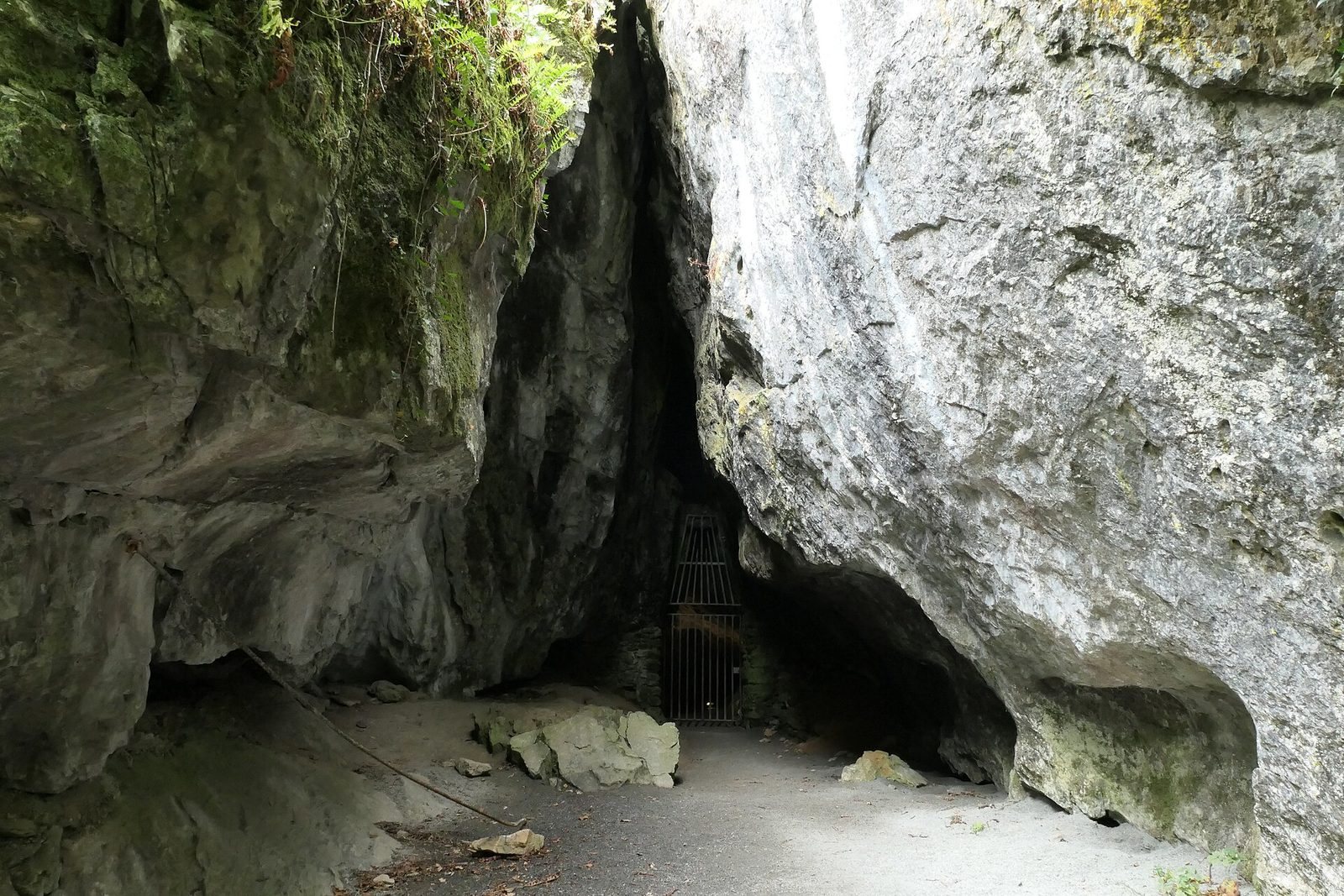
Margot Cave is an archaeological cave-art site in Thorigné-en-Charnie, Mayenne, France, within the Saulges cave group in the Erve Valley. It is now a major site of Palaeolithic art and has been compared in importance with the decorated cave at Arcy-sur-Cure.
Early record and excavation
The cave was first mentioned in 1701, although the local legend of the fairy Margot was already established, suggesting it was known earlier. Older written accounts also link it with several tragic accidents.
Intensive excavation in the nineteenth century, followed by development for tourism, damaged Margot Cave more heavily than the other caves at Saulges. Test excavations by prehistorian Raoul Daniel revealed evidence associated with the Mousterian, Aurignacian, Solutrean, and Magdalenian, European prehistoric traditions used to classify material culture. The Magdalenian is a later Upper Palaeolithic tradition. The investigations also revealed a hyena den and a bear den.
Later discoveries and protection
Skeletal remains, probably medieval, were found in 1924. Two years later, the cave received France’s historic-monument designation, a protective heritage status for important cultural property.
Surveys that began in 2002 were conducted as part of the Palaeolithic Occupations of the Erve Valley project, a program of France’s National Centre for Scientific Research (CNRS). Prehistorian Romain Pigeaud led the team, with Jean-Laurent Monnier coordinating the project. In July 2005, the surveys led to the discovery of the cave’s first unequivocal Palaeolithic representations.
Remains
Margot Cave developed in limestone during the Carboniferous geological period. Its passage system extends about 319 metres and has a vertical difference of roughly 14 metres. The entrance, about 0.5 metres wide, lies around 65 metres above sea level. Narrow, corridor-like passages often required crawling, and their layout has been compared with the caves of Combarelles in Périgord and Pergouset in Lot. The Hunter’s Chamber was the first space where a person could stand upright. After another crawl came the Winter Chamber, the Petrified Oak Gallery, Margot’s Palace, and the Gendarme Chamber, which probably formed the central area of the Palaeolithic sanctuary. Beyond Margot’s Palace, a partly flooded chasm once led to the Skeletons’ Chamber, where a lake lay. A later shortcut connected Margot’s Palace directly to the Tomb of the Troglodytes. A stalagmitic floor, formed by mineral deposits accumulating on the cave floor and used by people during the Upper Palaeolithic, is now broken.
Palaeolithic imagery
Overall inventory
The cave contains 124 graphic units. Counts include 95 figurative or abstract representations, three red lines, and eight finger tracings: three handprints made by applying pigment to the hand, and five stencils made by applying pigment around it. The figurative subjects include eight horses, eight woolly rhinoceroses, two giant deer, three cattle-family animals, five birds, two human-like figures, and two depictions of vulvas.
Paintings
Romain Pigeaud attributed one group of paintings to the Gravettian, a European prehistoric tradition, and dated them to about 32,000 to 25,000 years BP. BP is an archaeological dating convention counted back from 1950. These images include positive and negative hand images, a bison, one giant deer, and two woolly rhinoceroses. They are considered contemporary with paintings in Mayenne-Sciences Cave.
Engravings
Pigeaud attributed a second group to the final Magdalenian, the late phase of a later Upper Palaeolithic tradition, at around 13,000 years BP. These fine, detailed engravings include horses, six woolly rhinoceroses, birds, one reindeer, one aurochs (wild cattle), two human-like figures, and one vulva depiction.