Surp Stepanos Church, Yeghegis: A Medieval Armenian Apostolic Church
Site at a Glance
- Popularity
- Medium
- Country
- Armenia
- Primary era
- Medieval
- Eras represented
- Medieval
- Civilizations
- Armenian, Ilkhanate
- Site type
- Religious
- Remains
- Church
On this page14 sections
History
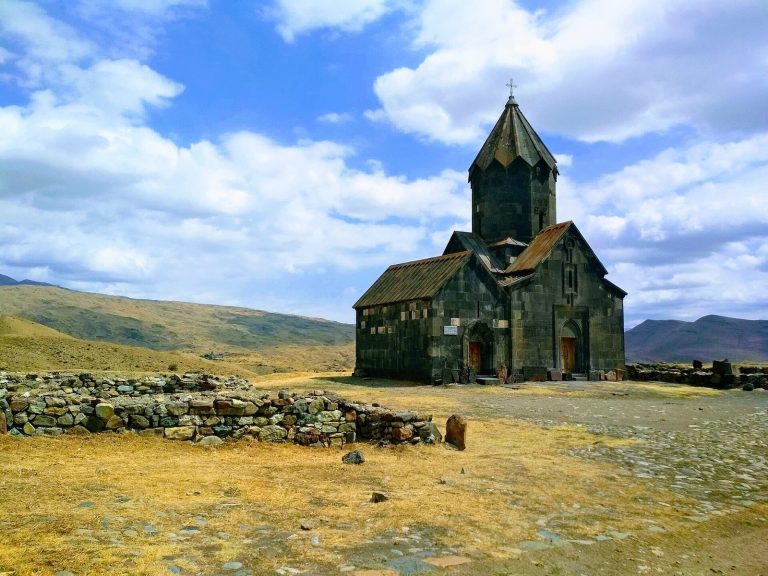
Surp Stepanos Church, also known as Zorats Church or Zorats Kar, is a medieval Armenian church in the eastern part of Yeghegis, Armenia. Its construction in the Armenian architectural style is dated to 1303. The church belongs to the Armenian Apostolic Church, Armenia’s historic national church in the Oriental Orthodox tradition, and is no longer active.
Foundation and military setting
The church was associated with the Orbelyan princes, an Armenian princely family linked to Syunik. Stepanos Tarsayich, a bishop and grandson of Prince Tarsayich Orbelyan, is identified as its founder. The medieval Armenian architect and sculptor Momik is also credited as its builder.
Construction took place under Mongol rule in Armenia, a period lasting approximately from 1242 to 1344. Armenian forces were compelled to fight alongside the Mongols, including against the Mamluks, a powerful regional military and political force, and Turkic tribes contesting Armenia’s lands. Armenians also faced war with Syria during the church’s construction.
Researchers have interpreted the church’s open arrangement as suited to soldiers. They propose that mounted men could gather there before a campaign, swear an oath, and receive a blessing. The church’s name is associated with warriors.
Renovation and archaeological work
The church underwent renovation in the Middle Ages and further reconstruction or renovation during the twentieth century, including work in the 1970s. Partial excavations took place in 2006–2007 under the direction of Husik Melkonyan of Armenia’s Institute of Archaeology and Ethnography. Restoration and work to improve the site began in 2024.
Remains
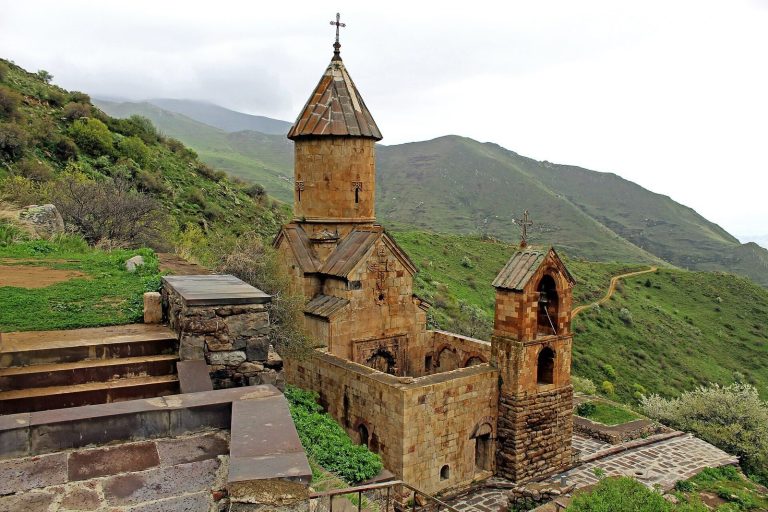
The stone church has a rectangular exterior and opens onto a large courtyard. Its roofed sanctuary occupies the eastern end, while an open vestibule and an enclosure form other parts of the complex.
Church and enclosure
Sanctuary and roof
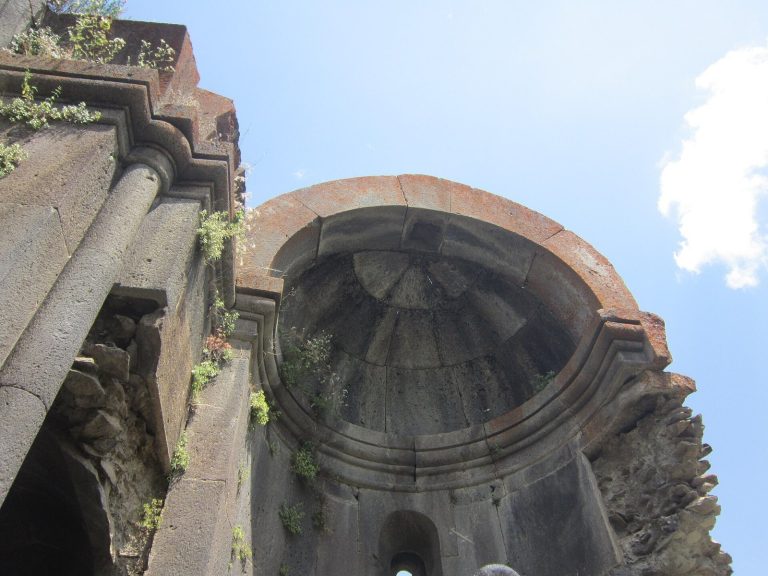
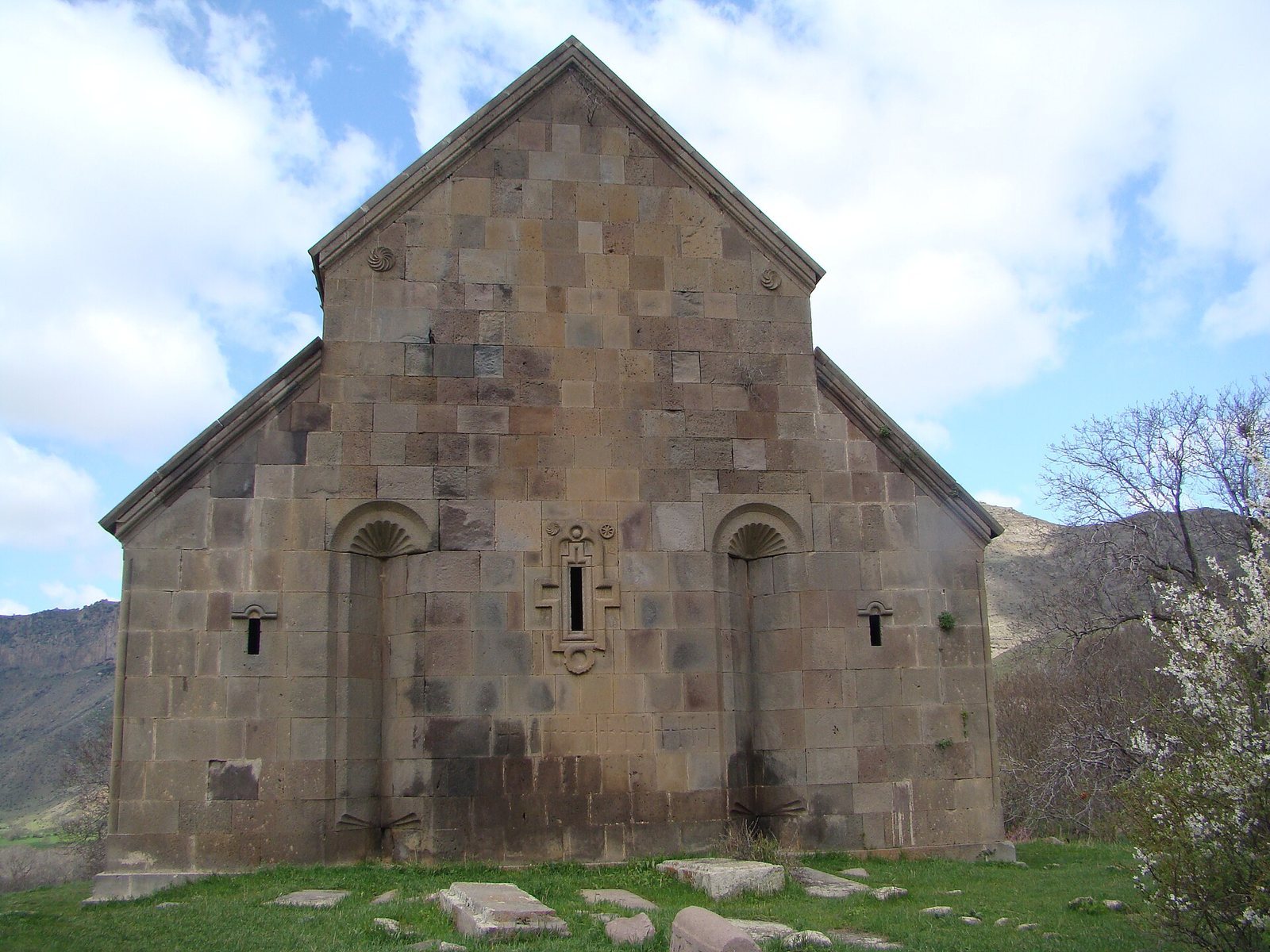
The eastern altar apse, a recessed sanctuary space, opens west onto the courtyard. The altar has three parts and two side chapels; its sanctuary includes three arches and two columns. It is raised to about the height of a person seated on a horse. Viewed from the east, its roof has a raised central section with two steep slopes, flanked by lower roofs that each slope in one direction.
Vestibule and boundaries
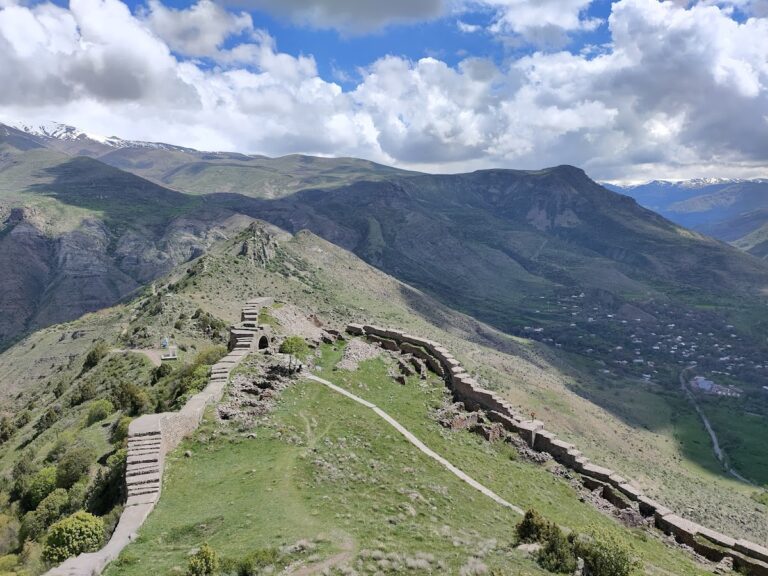
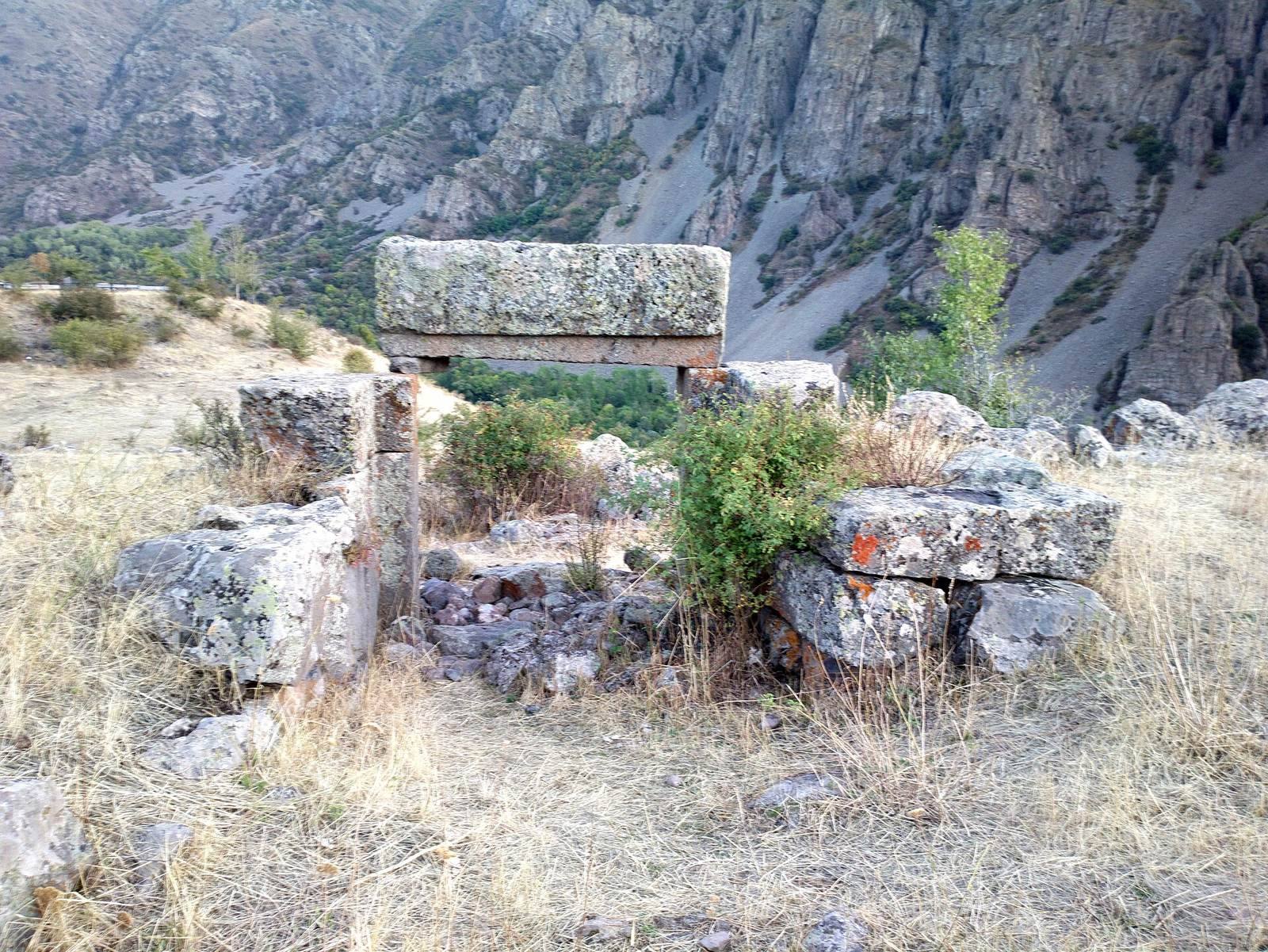
An open vestibule, called a gavit, stands on the west side. The church enclosure is made of massive, roughly laid stones and has its main entrance on the east. The gate’s upper stone is finely dressed. Remains of massive-stone walls and a gate also lie on higher ground above the church.
Inscriptions
Inscriptions appear on the upper portions of roof slabs and in recesses, and many concern the genealogy of Stepanos Orbelyan. An inscription on the eastern wall names Stepanos, Metropolitan of Syunik, a senior bishop with regional authority, and notes that he died in 1303.
Excavated structures
Basalt rooms
Excavations revealed three rooms built from large basalt blocks and arranged in a line from north to south. Storage niches in their eastern and southern walls, together with numerous shelves, have led to the suggestion that the rooms served as a medieval manuscript workshop and library.
Wall foundations
Foundations with window openings have been attributed to the Early Middle Ages, although their date remains uncertain.
Carved stones and possible burials
Loop-holed stones
In front of the church is a group of roughly worked stones laid out as possible tombstones. Each has a carefully carved, loop-shaped hole at one end, but the purpose of these openings is uncertain. Scholars have suggested that the stones may first have served a pagan ritual purpose before being adapted for Christian worship.
Khachkars and inscribed stones
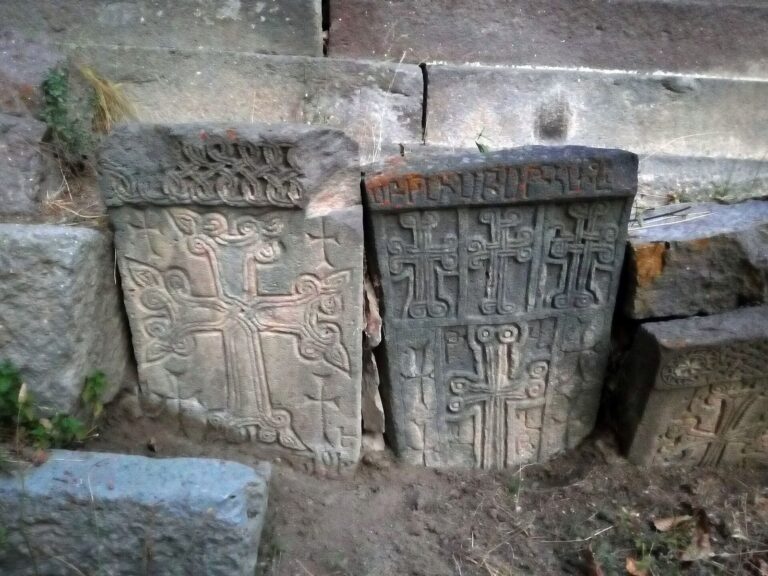
The church area also contains ornamented khachkars, carved stones bearing crosses, dated to the ninth or tenth centuries. Some researchers interpret the concentration of these and other stones as a cemetery, with the stones serving as grave markers. Two inscribed stones, possibly tombstones, were found in the western part of the area.