Le Reclus dolmen: A Neolithic Covered Gallery Tomb in France
Site at a Glance
- Popularity
- Very Low
- Country
- France
- Primary era
- Stone Age
- Eras represented
- Stone Age
- Civilizations
- Unclassified
- Site type
- Burial
- Remains
- Tomb
On this page8 sections
History
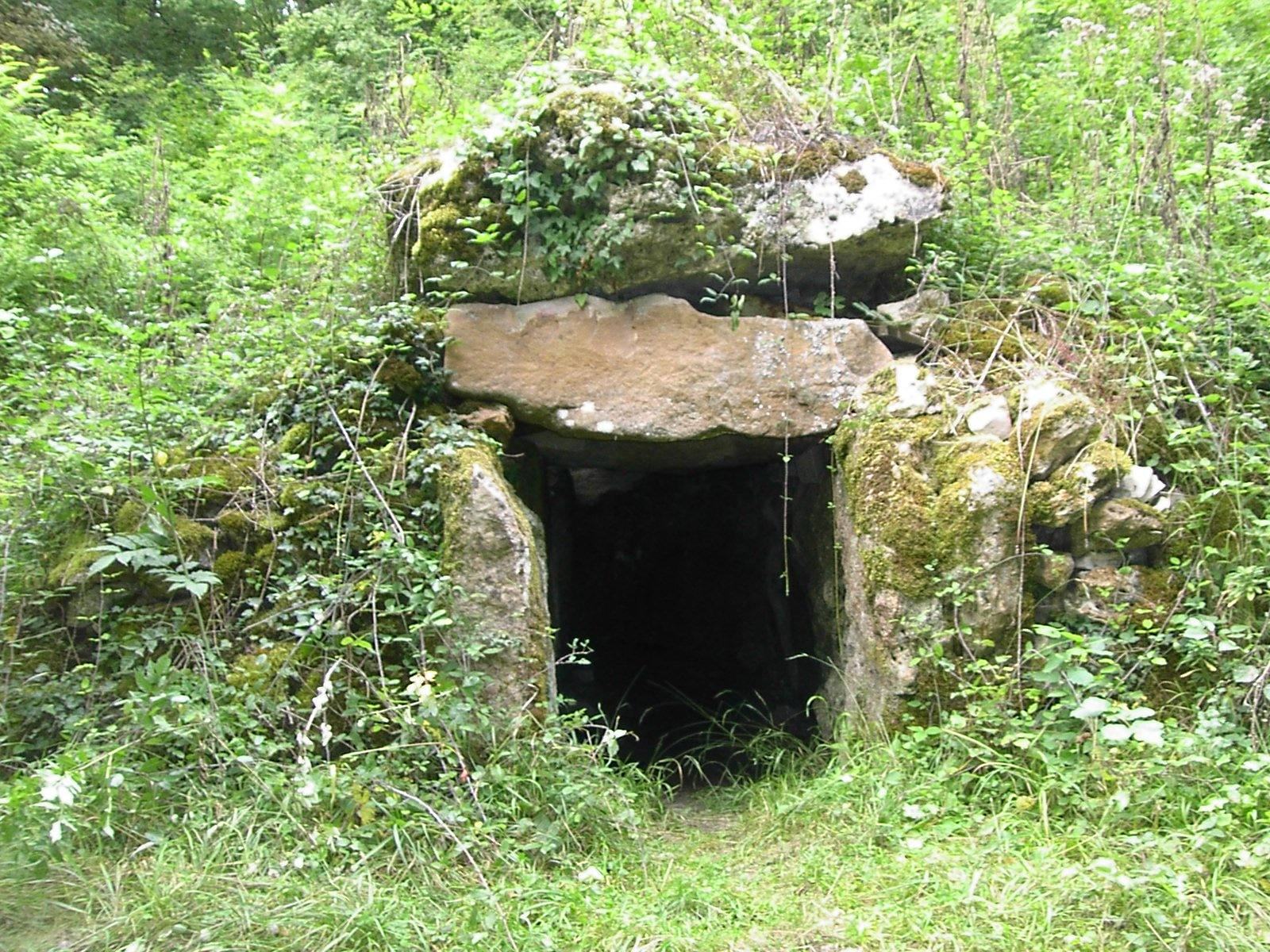
Le Reclus dolmen is a Neolithic covered gallery tomb, a roofed passage used for burial, at Bannay in France. Human remains from its chamber indicate that it served as an ossuary, a place where bones were collected or kept.
Neolithic burial
Priest Pierre Favret interpreted the relatively consistent group of arrowheads as evidence that the tomb dates to the end of the Upper Neolithic, a period label used in some regional chronologies.
Excavation and protection
The monument was classified as a historic monument on 3 November 1930. In November 1931, Favret excavated and restored it.
Remains
The southwest-facing gallery is built from sandstone and siliceous millstone rock. It lies on a gentle slope, offset from the center of an oval mound. The monument, including its base, reaches about 3 m in height.
Chamber construction
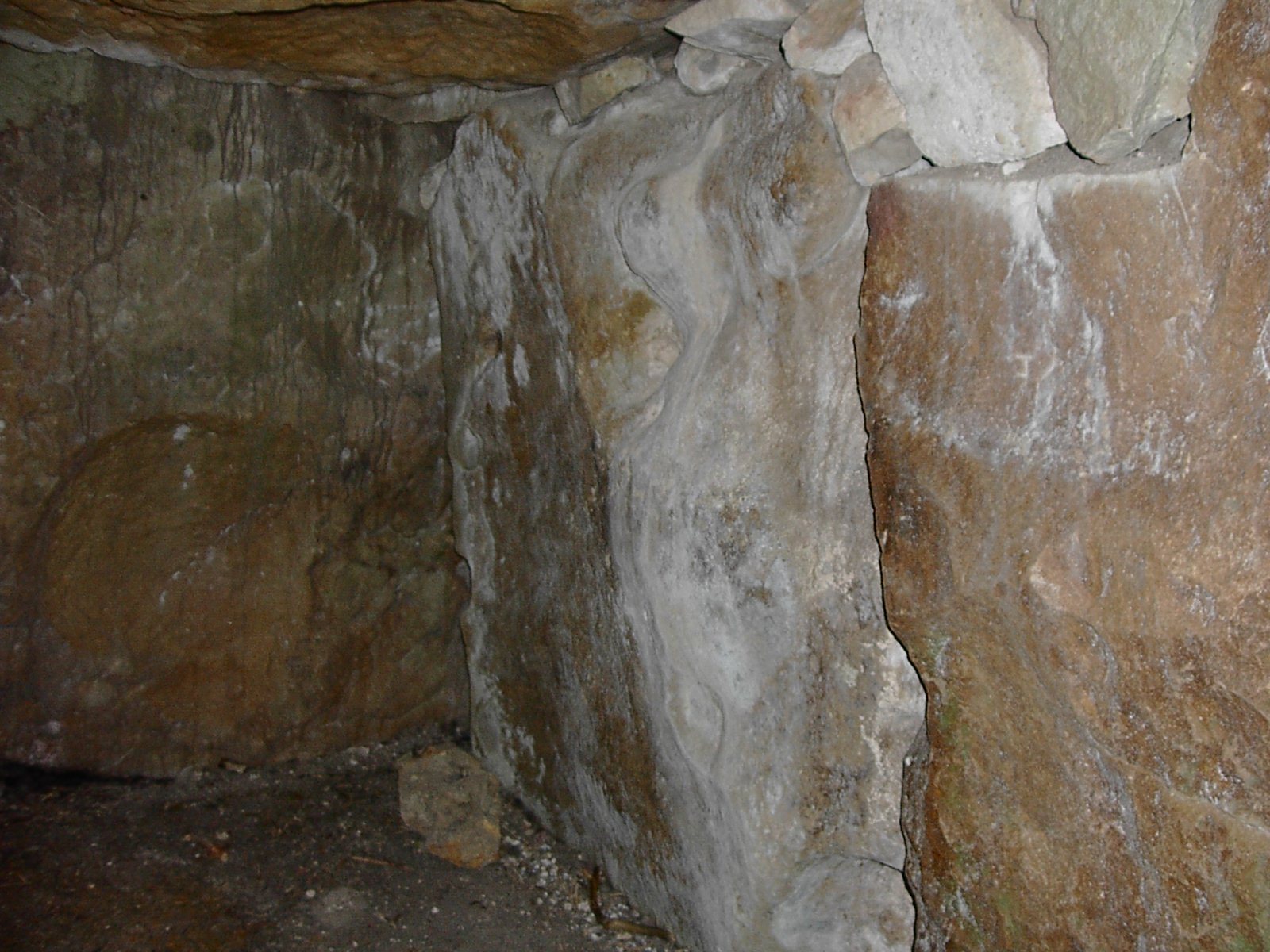
The chamber is 5.50 m long, widening from 1.15 m at the entrance to 1.35 m at the rear. Four upright slabs on each side and a rear slab form its walls. Two capstones cover the chamber, with an additional slab known as the Justice Stone resting on the first. The rounded top of the rear slab rises at least 0.60 m above the second capstone, while the front capstone shows outside as a lintel. Slabs numbered 3, 4, 7 and 8 provide the main support for the capstones; other stones fill gaps where uprights sit too low. Some uprights have a second slab on the outside. They were set into a base of lime, 0.40 to 0.60 m deep, covered by about 10 cm of yellow clay, to give the chamber an interior height of about 1.50 m. Limestone slabs pave the floor to an average depth of 0.25 to 0.30 m. The inner face of one supporting slab may show incised figures of two deer.
Mound and setting
The gallery runs at right angles to the mound’s axis, and both ends extend beyond the mound to open outside it. The mound measures 12 m long and 5.50 m wide. Its three layers comprise 0.25 to 0.35 m of marsh clay, 0.50 m of partly reddened gray-white clay, and rubble of millstone rock. The rear slab and the outside surface of the Justice Stone project above the rubble. A wall of stones laid without mortar framed the entrance. The tomb stands in woodland above the Petit Morin River, on a slope descending about 8 to 10 degrees from north to south.
Human remains
Excavation recovered about 1.5 cubic metres of broken, tangled human bones, none still joined in anatomical position. Some bones show traces of cremation.
Burial objects
Finds included two pierced shells, a boar’s tooth, two axe haft fittings made from deer antler, and fragments from two coarse, poorly fired clay vessels. Flint objects comprised numerous flakes, unworked and retouched blades, a Grand Pressigny type knife associated with the prehistoric flint industry of central France, and arrowheads with transverse cutting edges. Other arrowheads were diamond-shaped, with developing tangs, projections used to attach them to shafts, and barbs. Eight polished axes had been placed against the chamber walls beside the entrance, and a ninth was found outside the chamber.